
Living in Al Wakra
Historic coastal town living south of Doha — heritage souq, family beaches and a calmer pace
Why Live in Al Wakra?
Best For
- Families looking for a well-rounded community
- Families with school-age children
- Families seeking outdoor activities and green spaces
- Those who enjoy convenient shopping and dining
- Food lovers who enjoy diverse cuisine
Neighborhood & Lifestyle
Daily Life
The area is well-served by mosques, including Mohammed AbdElSamee Mosque (M.S. 1214) [Masjid Ibn Rushd] and Mosque Al Wakra health center(407), ensuring convenient access to prayer facilities. Families benefit from nearby educational institutions including Qatar Scuba Center and Green Apple Nursery. Outdoor enthusiasts can enjoy Bin Muftah village and Hotel al wakra for jogging, picnics, and family outings. Shopping is convenient with Stop and Shop and Chelsea Flowers Qatar accessible within minutes. Daily groceries are covered by Retail Mart and Food Court. Healthcare is accessible with Doha Specialized Dental Center Al Wakra and other medical facilities in the vicinity. Dining out is a pleasure with popular spots like Chili's - Ezdan Mall Wakrah and Subway (rated 4.3★). Stay active at Olympian Fitness or BOULEVARD GYM / بوليڤارد جيم.
Getting Around
Al Wakrah benefits from excellent public transport connectivity with nearby stations including Metro Link, Osama bin Zaid 2 Station, Metro link 134, Metrolink Stop M134. The area is connected to Doha's road network with easy access to major highways. Stop and Shop and other key destinations are a short drive away. Taxi and ride-hailing services like Karwa and Uber are readily available.
Commute Times
Nearby Landmarks
Historical Context & Architecture
A Brief History
Al Wakrah began in the first half of the 19th century as a small coastal settlement, established by members of the Ajman tribe who moved south from the Doha area and built their community around fishing and pearl diving in the sheltered waters of Qatar's east coast. Through the 1800s it grew into one of the peninsula's busiest pearling ports, home to hundreds of boats and a population of divers, sailors and merchants. The pearling economy collapsed in the early 20th century with the rise of Japanese cultured pearls and the global downturn, and the town gradually shifted toward fishing and small-scale trade before Qatar's oil and gas era transformed it into a major urban centre and the seat of Al Wakrah Municipality.
Architecture & Character
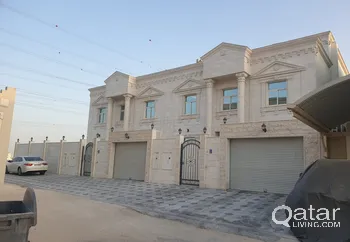
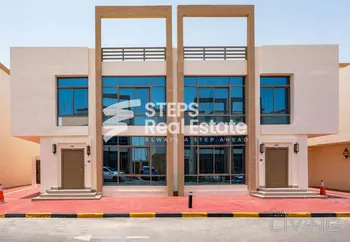
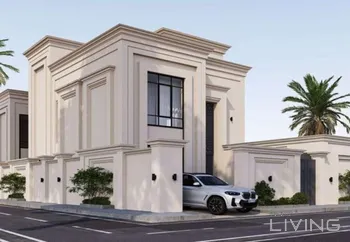
Al Wakrah remains a largely low-rise, human-scaled town, defined by walled residential villa compounds rather than the high-rise towers of central Doha. Its heritage core is the restored Souq Al Wakrah, a waterfront market of two- and three-storey traditional courtyard houses threaded by narrow pedestrian alleyways and set beside a long beach and promenade, complemented by the early-20th-century Al Wakrah Fort and a notable concentration of traditional wind towers. On the town's edge rises its most striking modern landmark, the Zaha Hadid-designed Al Janoub Stadium, whose flowing white roof echoes the billowing sail of a traditional pearling dhow, linking the area's contemporary architecture back to its maritime past.
Properties in Al Wakra
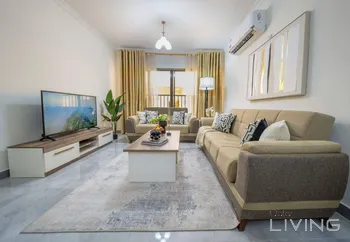
Browse available listings on Qatar Living
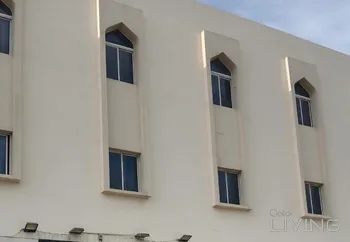
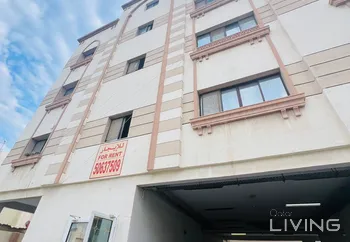
Apartments for Rent in Al Wakra
View all ›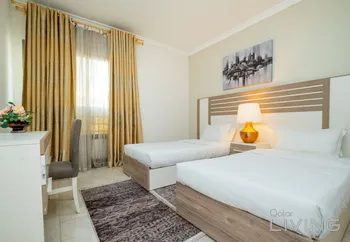
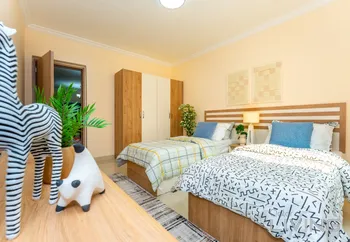
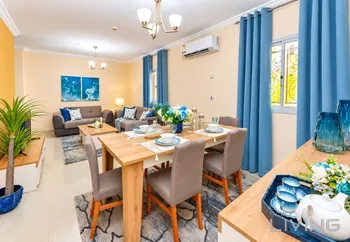
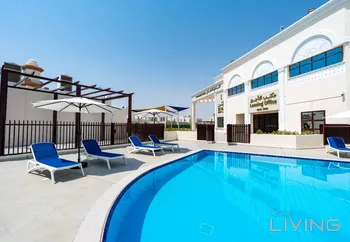
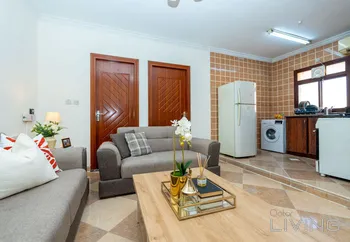
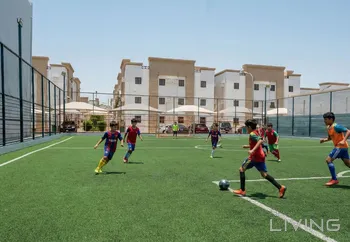
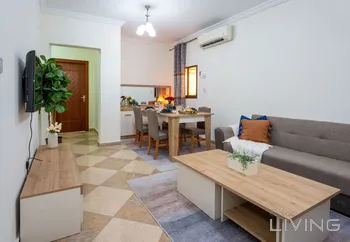
Villas for Rent in Al Wakra
View all ›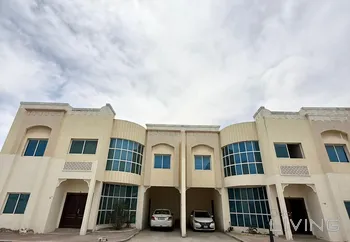
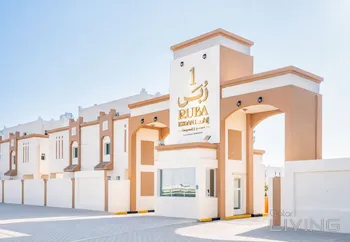
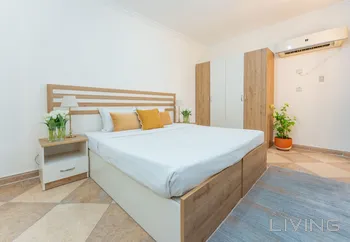
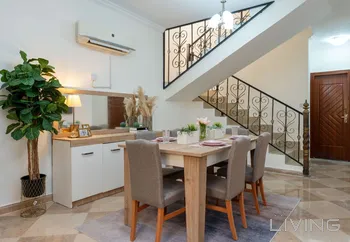
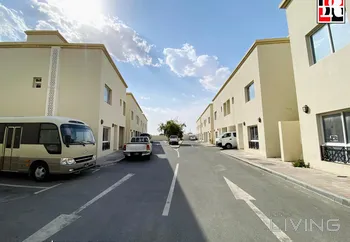
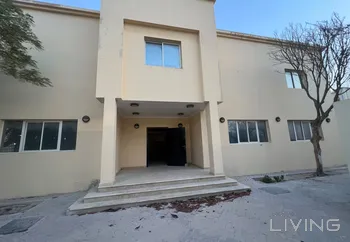
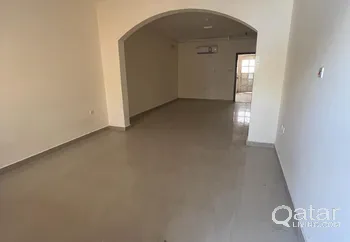
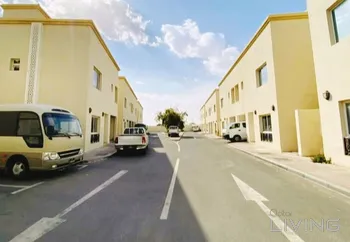
Compound Villas for Rent in Al Wakra
View all ›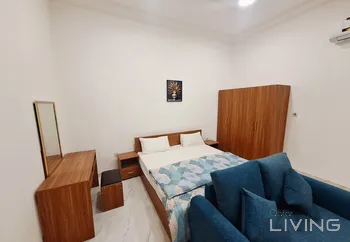
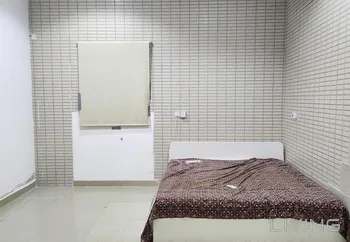
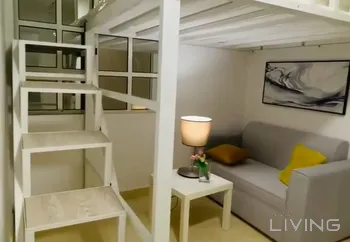
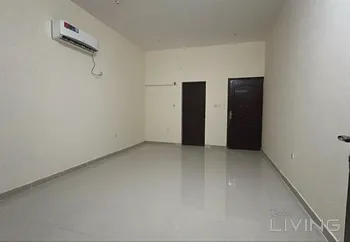
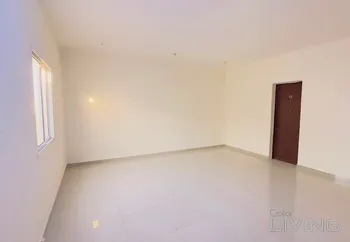

Apartments for Sale in Al Wakra
View all ›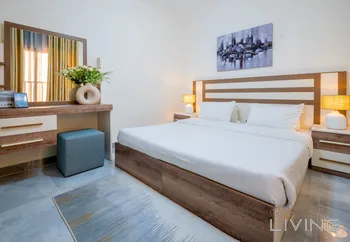
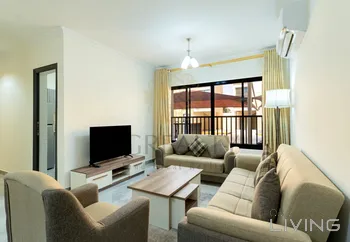
Villas for Sale in Al Wakra
View all ›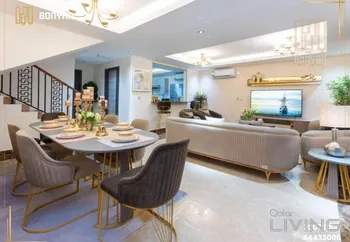
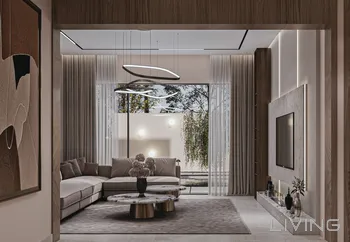
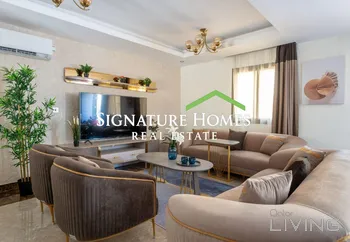

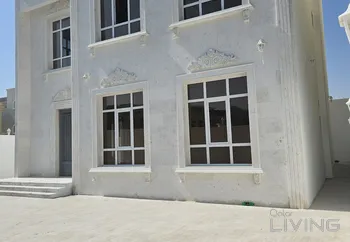
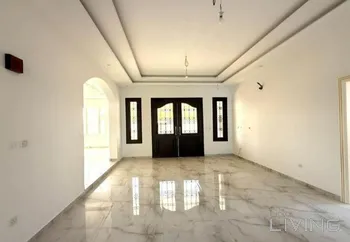
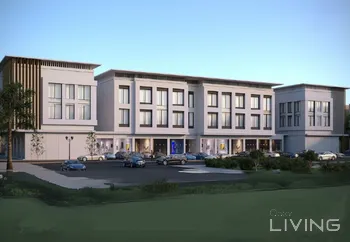
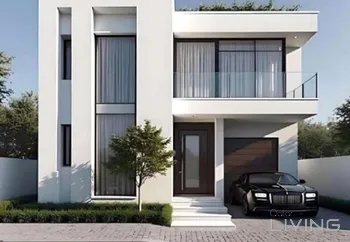
Compound Villas for Sale in Al Wakra
View all ›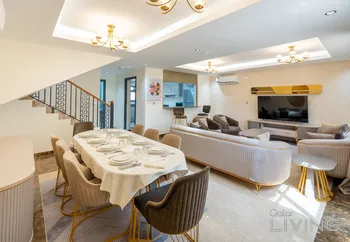
What's Nearby
Real places and services within a short distance, sourced from Google Maps. Tap any place to open it in Maps.
Metro & Tram Stations
Public transport stations near this area. Doha Metro and Lusail Tram provide fast, affordable travel across the city.
Frequently Asked Questions
Is Al Wakra a good place for families?
Yes. It is widely regarded as family-friendly thanks to its beaches with play areas, the heritage souq, a mall with a children's zone, a nearby hospital, a good spread of schools, and a generally calm, low-rise residential character.
What schools are in or near Al Wakra?
Options include Doha British School Al Wakra (British/IB), Qatar Academy Al Wakra (IB, Qatar Foundation), and several Indian CBSE schools such as Shantiniketan Indian School, plus schools in the neighbouring Al Wukair suburb. There are British, American, IB and Indian curriculum choices in the area.
Is there a metro in Al Wakra?
Yes. Al Wakra station is the southern terminus of the Doha Metro Red Line (opened May 2019). It sits on the inland edge of town, so you typically use a MetroLink feeder bus or taxi to reach the seafront, hospital, mall or residential areas.
How far is Al Wakra from Doha?
It is roughly 15-20 km south of central Doha, usually about a 20-25 minute drive via the G Ring Road and the Doha Expressway / Mesaieed corridor, traffic depending.
Is Al Wakra expat-friendly?
Yes. It has large expat communities — particularly Indian, plus British and other international families drawn by the schools — while keeping a strong local Qatari heritage identity. The community is generally described as welcoming.
Is Al Wakra quiet or lively?
It is on the quieter, calmer end of Qatar living, with a slower pace than central Doha. The liveliest spots are the heritage souq and beaches in the evenings and the mall; there is little in the way of nightlife.
What is there to do in Al Wakra?
Walk and dine at Souq Al Wakrah heritage village, spend time at the family beaches and coast, shop at Ezdan Mall, explore heritage sites like the fort and old mosque, watch football at Al-Wakrah SC, and see Al Janoub Stadium, the Zaha Hadid-designed World Cup venue.
What kind of housing does Al Wakra have?
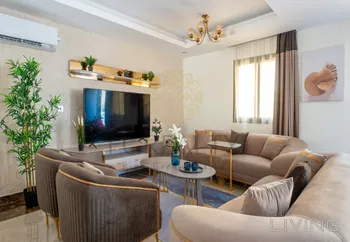
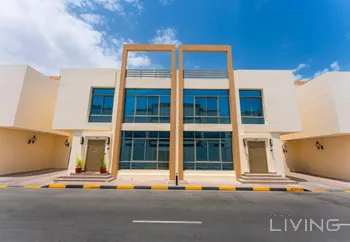
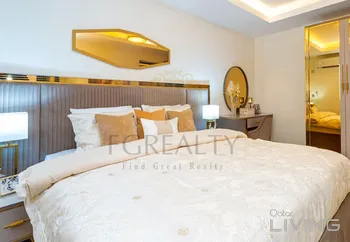
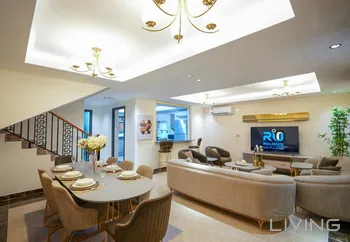
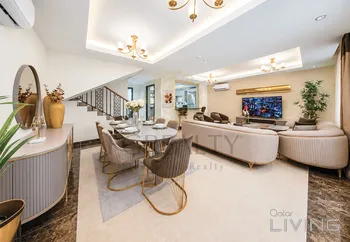
Mostly villa neighbourhoods in the town and older districts, with compounds and mixed villa/apartment communities in newer suburban areas such as Al Wukair, plus more functional accommodation closer to the industrial belt.