
Living in Fereej Al Ameer / Muraikh
established family villa-and-compound living in western Doha
Neighborhood & Lifestyle
Daily Life
Fereej Al Ameer and Muraikh are neighbouring residential districts in the western reaches of the Doha metropolitan area, within the municipality of Al Rayyan. Quiet and predominantly low-rise, they are known as settled, family-oriented neighbourhoods of villas, walled compounds and neighbourhood mosques rather than high-rise or waterfront living. Their position gives residents a calm suburban feel while keeping central Doha and the surrounding Al Rayyan districts within easy reach.
Commute Times
Historical Context & Architecture
A Brief History
The two districts sit side by side in Al Rayyan's Zone 54, with Fereej Al Ameer (فريج الأمير) as district 77 and Muraikh as district 78. Muraikh is one of the older recorded localities in the area: J.G. Lorimer's 1908 Gazetteer of the Persian Gulf noted a settlement several miles west of Doha with a masonry well that yielded good water, and the district's name is traditionally linked to the markh shrub that once grew abundantly there. As Doha expanded westward through the twentieth century, both districts filled in as planned residential neighbourhoods alongside Old Al Rayyan, and Muraikh served as a Central Municipal Council constituency seat through the 1999 to 2011 election cycles.
Architecture & Character
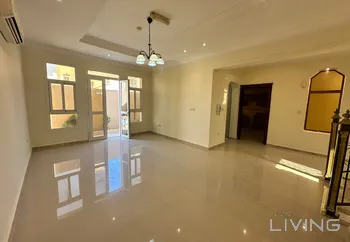
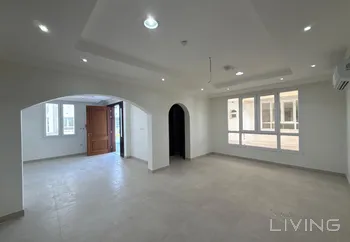
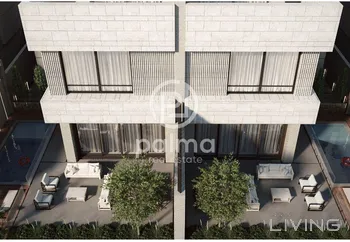
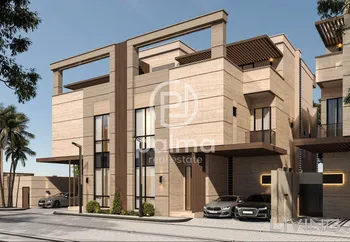
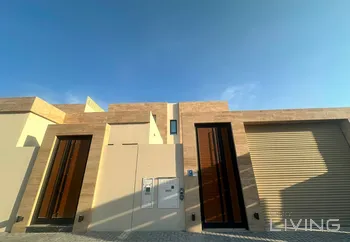
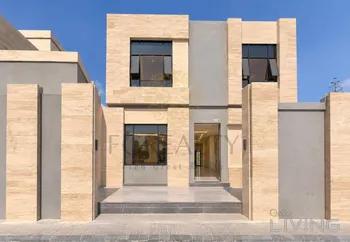
The built environment is overwhelmingly low-rise and residential: detached and semi-detached villas, gated family compounds and a scattering of small apartment blocks, interspersed with neighbourhood mosques and local shops. There are no high-rise towers or waterfront developments here, and the streetscape has the walled, garden-lined character typical of established Qatari suburbs, softened by well-kept green spaces. Named residential compounds such as Al Muraikh and Muraikh Valley sit among the villa plots, while Al Rayyan Palace Street is a recognisable thoroughfare running through Fereej Al Ameer, and everyday retail clusters around local centres such as Al Muraikh Plaza.
Properties in Fereej Al Ameer / Muraikh
Browse available listings on Qatar Living
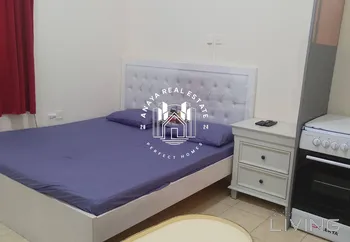
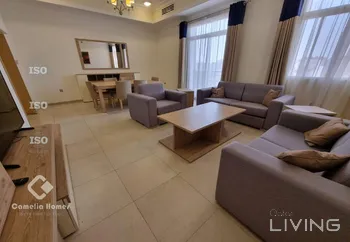
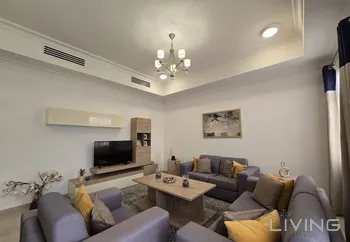
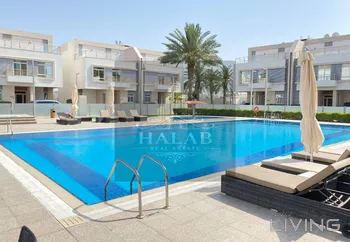
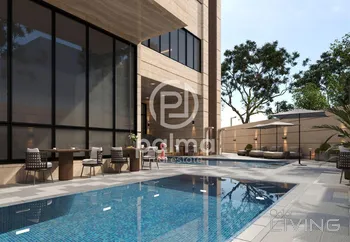
Apartments for Rent in Fereej Al Ameer / Muraikh
View all ›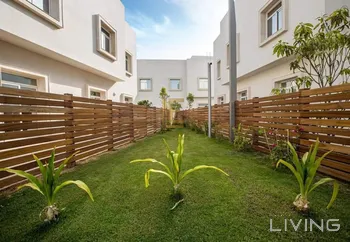


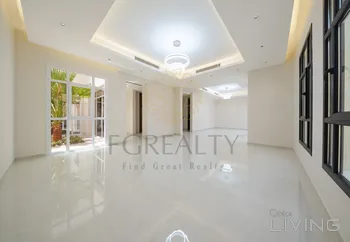
Villas for Rent in Fereej Al Ameer / Muraikh
View all ›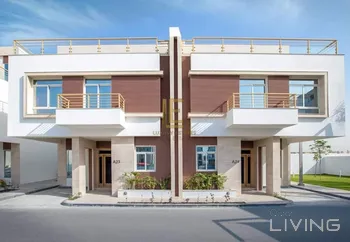
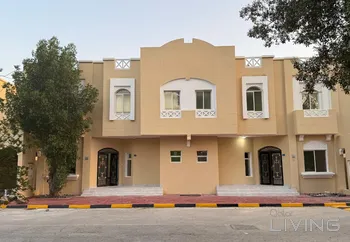
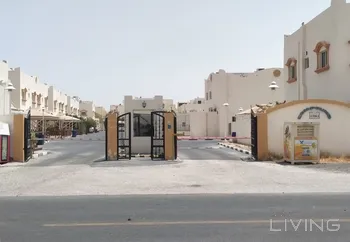
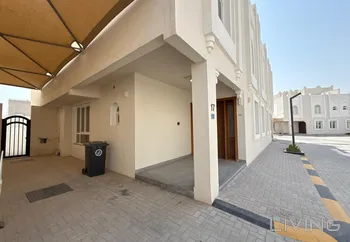
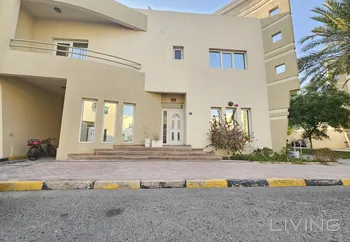
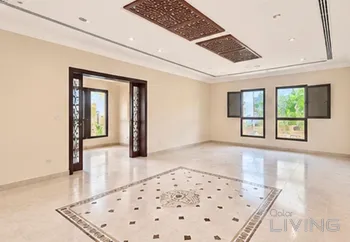
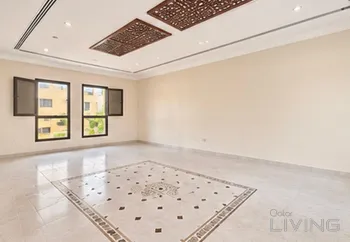
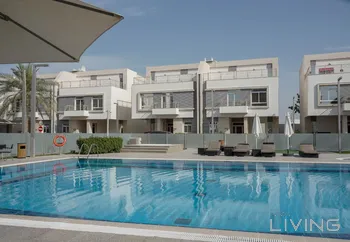
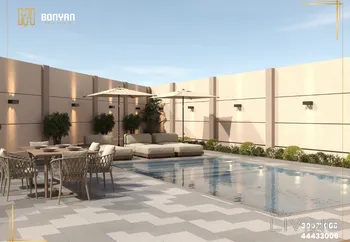
Compound Villas for Rent in Fereej Al Ameer / Muraikh
View all ›_350x242.webp)
Villas for Sale in Fereej Al Ameer / Muraikh
View all ›
Frequently Asked Questions
Are Fereej Al Ameer and Muraikh good areas for families?
Yes. They are quiet, settled residential districts with villas and family compounds, neighbourhood mosques and green space, plus nurseries and schools nearby, which makes them popular with both Qatari and expatriate families.
What kind of housing is available here?
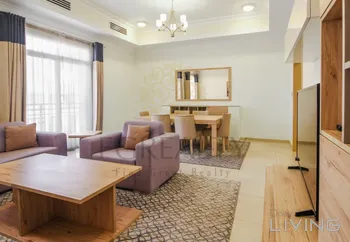
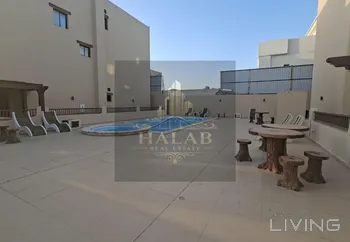
Housing is mostly low-rise: standalone and semi-detached villas and gated compounds, along with some smaller apartment buildings. Named compounds such as Al Muraikh and Muraikh Valley are among the options. You won't find high-rise towers or waterfront apartments in these districts.
How is getting around and commuting?
The area is car-oriented and connects easily to major highways linking it to central Doha, Al Sadd and the wider Al Rayyan districts. The Doha Metro Green Line serves the broader Al Rayyan area, though most day-to-day trips are made by car.
Are these freehold areas where foreigners can buy property?
No. Fereej Al Ameer and Muraikh are traditional residential neighbourhoods and are not among Qatar's designated freehold or foreign-ownership zones, so for most expatriate residents they are rental (leasehold) areas rather than places to buy.