
Living in Fereej Bin Mahmoud
Central, walkable apartment living in downtown Doha — metro-connected, diverse and lively
Why Live in Fereej Bin Mahmoud?
Best For
- Families looking for a well-rounded community
- Families with school-age children
- Families seeking outdoor activities and green spaces
- Those who enjoy convenient shopping and dining
- Food lovers who enjoy diverse cuisine
Neighborhood & Lifestyle
Daily Life
The area is well-served by mosques, including Mosque Ibn Indrees and Masjid 186, ensuring convenient access to prayer facilities. Families benefit from nearby educational institutions including Pearl Divers W.L.L. غواص اللؤلؤ and GYM Body Mechanics. Outdoor enthusiasts can enjoy Park under construction and Walking track for jogging, picnics, and family outings. Shopping is convenient with Royal Plaza Mall and Al Sadd Mall accessible within minutes. Daily groceries are covered by Lulu Center- Al Sadd and Food Palace Musheireb. Healthcare is accessible with Doha Clinic Hospital and other medical facilities in the vicinity. Dining out is a pleasure with popular spots like La Cigale Hotel, Doha and Zubarah Boutique Hotel Doha (rated 4.6★). Stay active at GYM Body Mechanics or Anytime Fitness, Bin Mahmoud Branch.
Getting Around
Fereej Bin Mahmoud benefits from excellent public transport connectivity with nearby stations including Bin Mahmood Metro Station, Ent 1 Bin Mahmoud Metro Station 23501, Al Sadd Metro Station. The area is connected to Doha's road network with easy access to major highways. Royal Plaza Mall and other key destinations are a short drive away. Taxi and ride-hailing services like Karwa and Uber are readily available.
Commute Times
Nearby Landmarks
Historical Context & Architecture
A Brief History
Fereej Bin Mahmoud is one of the older districts of downtown Doha, and its name follows the customary Qatari pattern in which "fereej" means neighbourhood and "Bin Mahmoud" honours the Al Mahmoud tribe, among the first to settle the area. Like much of the surrounding downtown, it took shape as a multipurpose district during a period of considerable development in the 1970s, combining housing with an active commercial life. Covering roughly 1.8 square kilometres, it grew into a comparatively large district sitting next to the historic Mushayrib quarter. Its place in modern Doha was reinforced in 2019, when the underground Bin Mahmoud station opened on the Doha Metro's Gold Line.
Architecture & Character
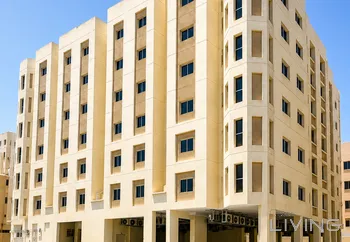
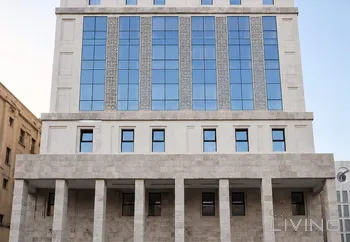
Fereej Bin Mahmoud has a distinctly urban, mixed-use character, with apartment buildings rather than low-rise villas forming the dominant housing type. Streets of low- and mid-rise residential blocks are interwoven with offices, shops, grocery stores and local markets, giving the district a busy, everyday commercial rhythm. Rather than a planned single-use compound, it reads as a densely built and culturally diverse pocket of central Doha. Its walkable, connected feel is helped by major roads such as C Ring Road, Salwa Road and Al Rayyan Road, along with its own Gold Line metro station.
Properties in Fereej Bin Mahmoud
Browse available listings on Qatar Living
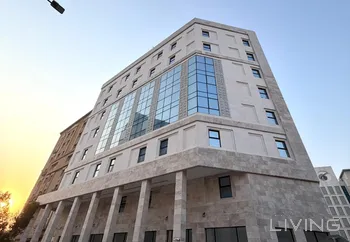
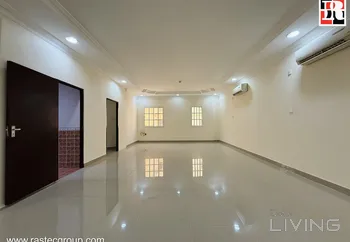
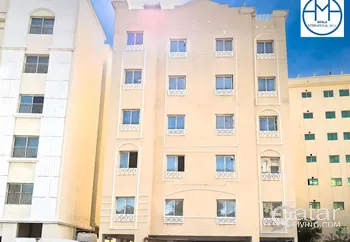
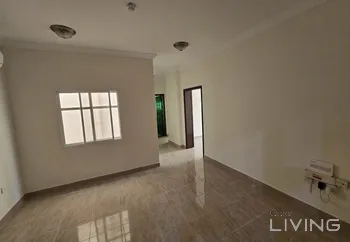
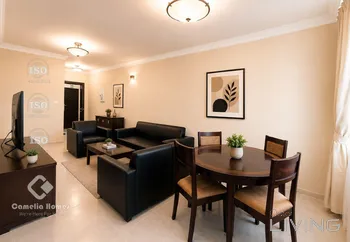
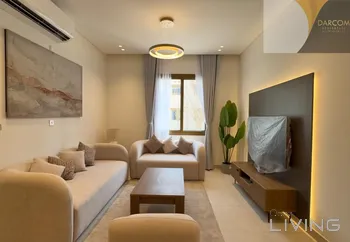
Apartments for Rent in Fereej Bin Mahmoud
View all ›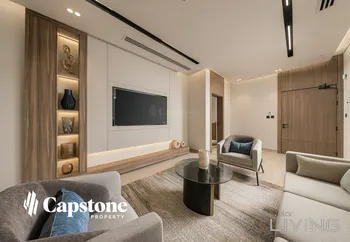
-8-1759644922002-525951800-1161_350x242.webp)
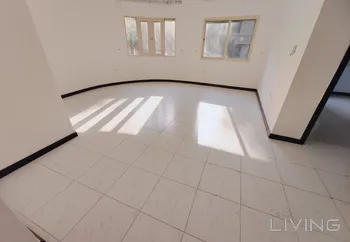
Villas for Rent in Fereej Bin Mahmoud
View all ›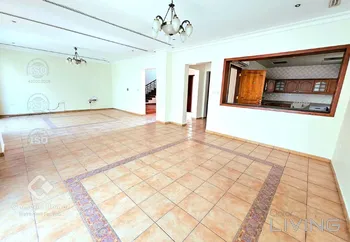
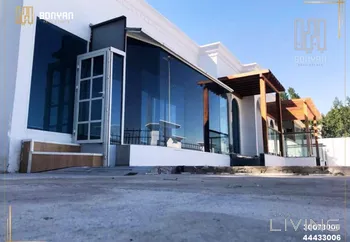
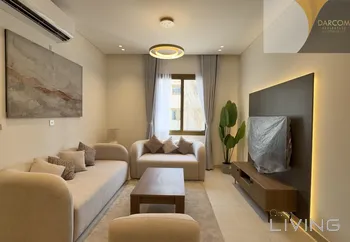
Compound Villas for Rent in Fereej Bin Mahmoud
View all ›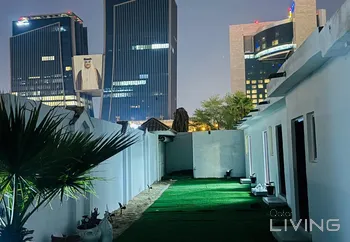
What's Nearby
Real places and services within a short distance, sourced from Google Maps. Tap any place to open it in Maps.
Metro & Tram Stations
Public transport stations near this area. Doha Metro and Lusail Tram provide fast, affordable travel across the city.
Frequently Asked Questions
What's it like to live in Fereej Bin Mahmoud?
It's a central, busy, apartment-based downtown neighbourhood in Doha — walkable, culturally very mixed, and full of shops, cafes and restaurants at street level. It has its own metro stop and sits between the historic Msheireb area and Al Sadd, so it's convenient rather than quiet.
Is Fereej Bin Mahmoud good for families and kids?
It can suit smaller families who value being central and walkable, with supermarkets, clinics and a kindergarten close by. But it's a dense apartment district, not a villa-and-garden suburb — parking and traffic can be tight and dedicated green/play space within the district is limited, so many families use parks and larger amenities elsewhere in the city.
What schools are near Fereej Bin Mahmoud?
Greenwood International School & Kindergarten has a Bin Mahmoud campus inside the district (Indian CBSE curriculum, kindergarten level only at that site). A much wider range of schools is available a short drive away in neighbouring Al Sadd and central Doha.
Is there a metro in Fereej Bin Mahmoud?
Yes. Bin Mahmoud station is an underground stop on the Doha Metro Gold Line, opened in November 2019. It's one stop from the Msheireb interchange (where you can switch to the Red and Green lines) and is served by two feeder bus routes, M302 and M303.
How do I get around Fereej Bin Mahmoud?
On foot for daily errands, by metro from Bin Mahmoud station, or by car via C Ring Road, Salwa Road, Al Rayyan Road, Suhaim Bin Hamad Street and Al Khaleej Street. Being this central means great connectivity but also rush-hour traffic and limited on-street parking.
What is there to do — dining, shopping, groceries?
Al Jazeera Street is a well-known dining strip with a wide mix of cuisines, and there's a large Lulu Hypermarket by the metro plus many small grocers, boutiques and cafes. More malls, clinics and leisure options are close by in Al Sadd and downtown Doha.
Is it quiet or lively? Is it expat-friendly?
It's lively and densely built, with plenty of street-level activity — not a quiet residential enclave. It's very expat-friendly and diverse, with a large international resident population reflected in its food and shops.
What kind of housing is available?
Apartments are the dominant housing type, ranging across older and newer low- to mid-rise buildings. If you specifically want a villa or a compound with gardens, this is not the typical offering here.