Utility Services Services in Qatar
Services in Qatar (119 results)

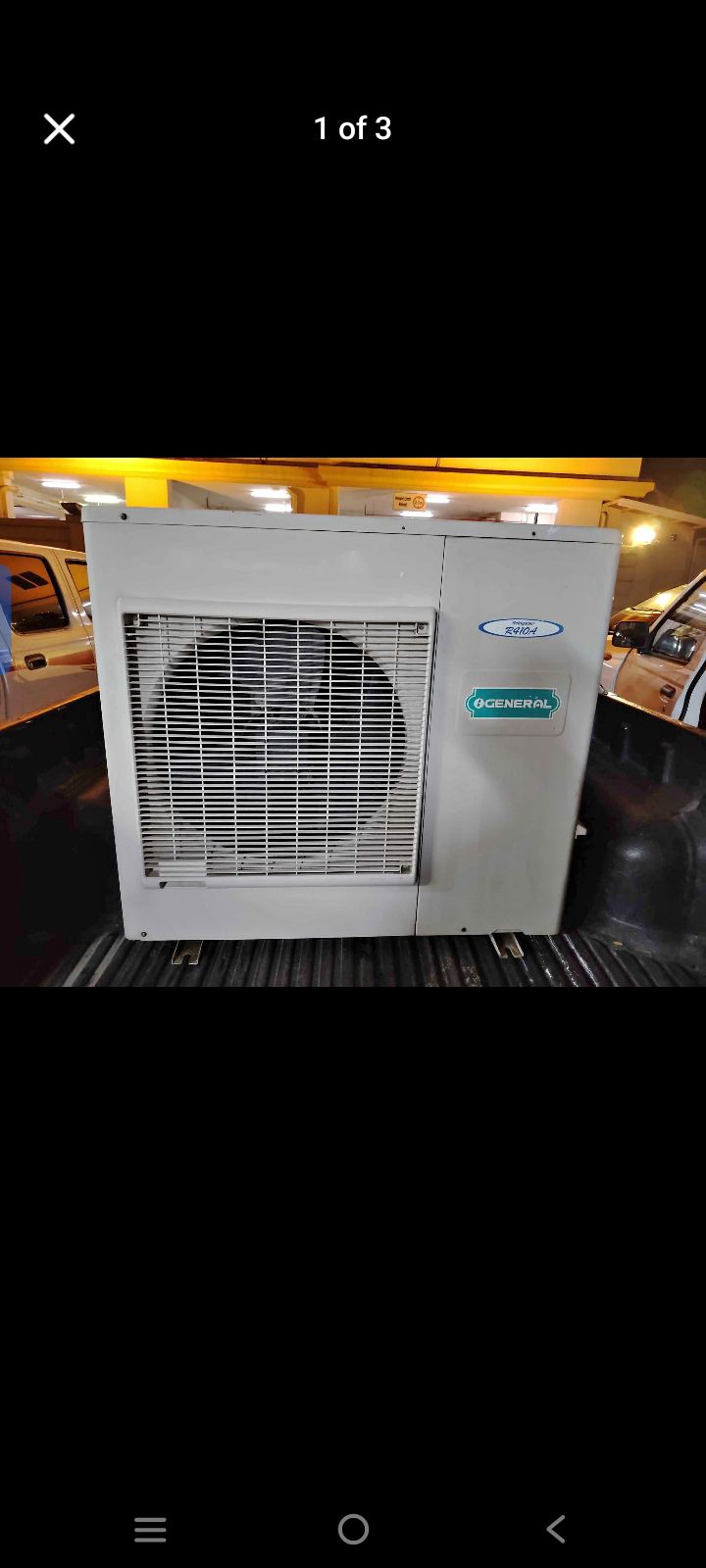
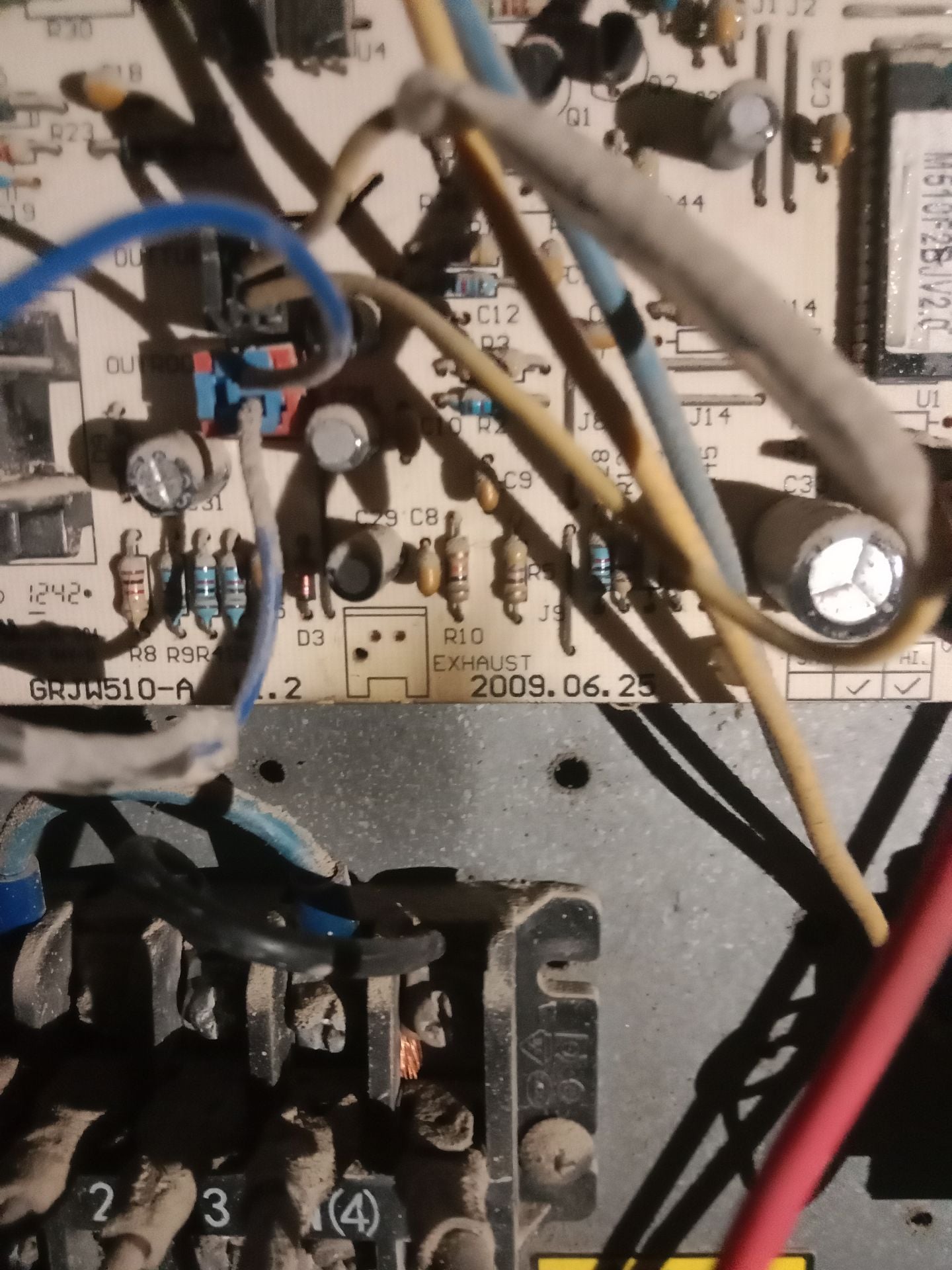
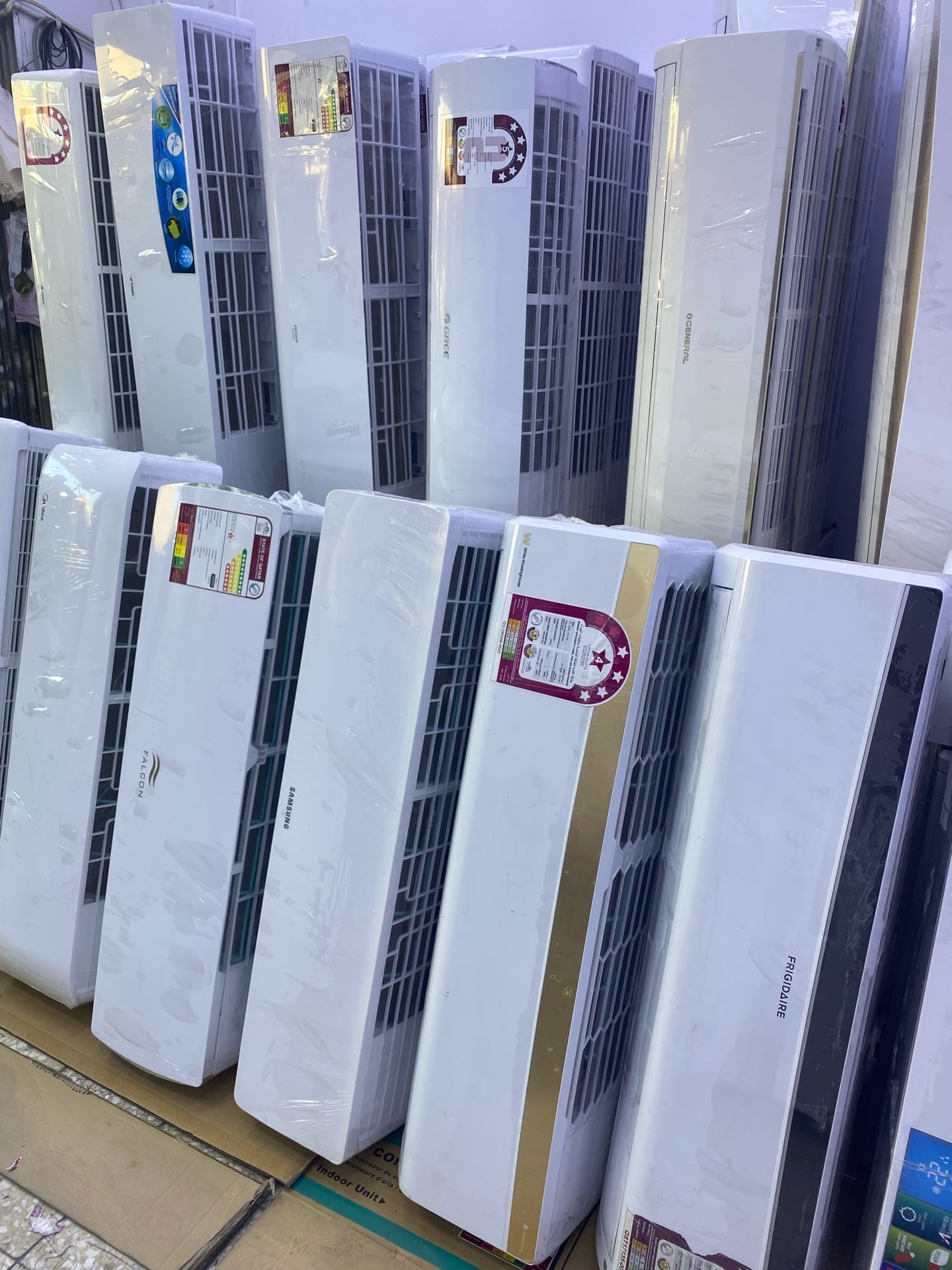
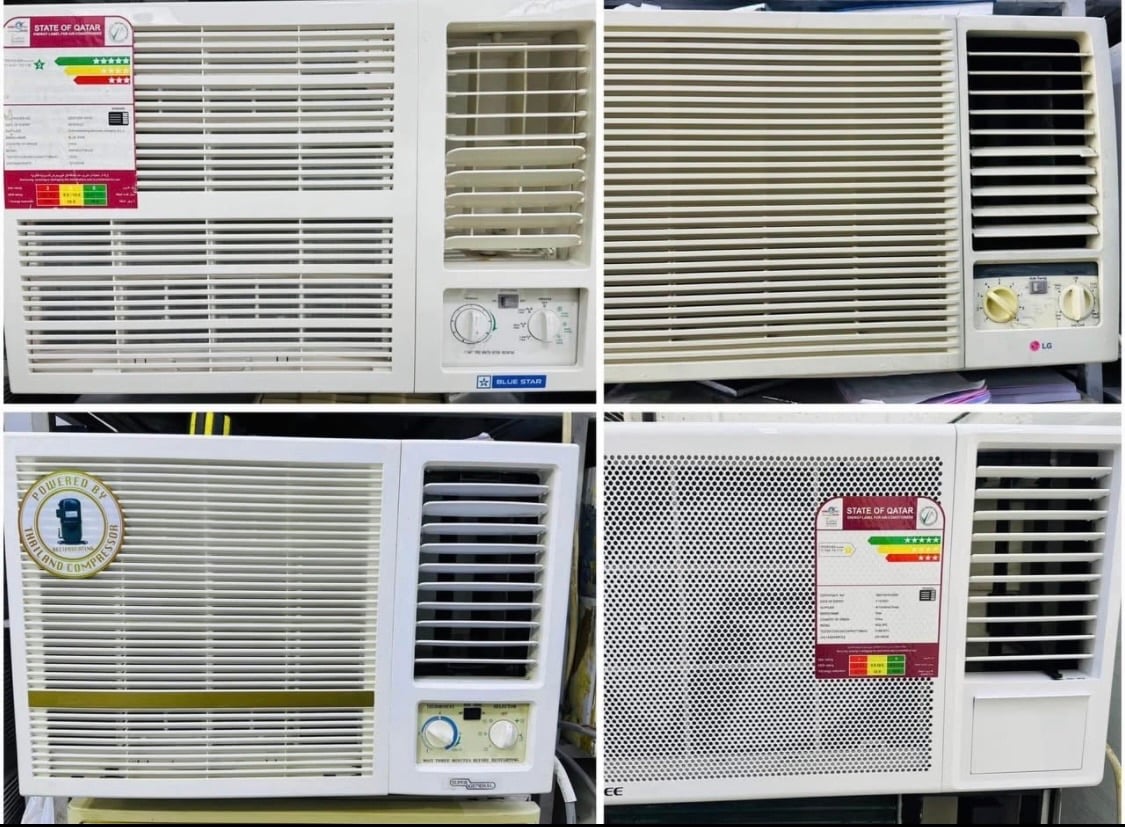
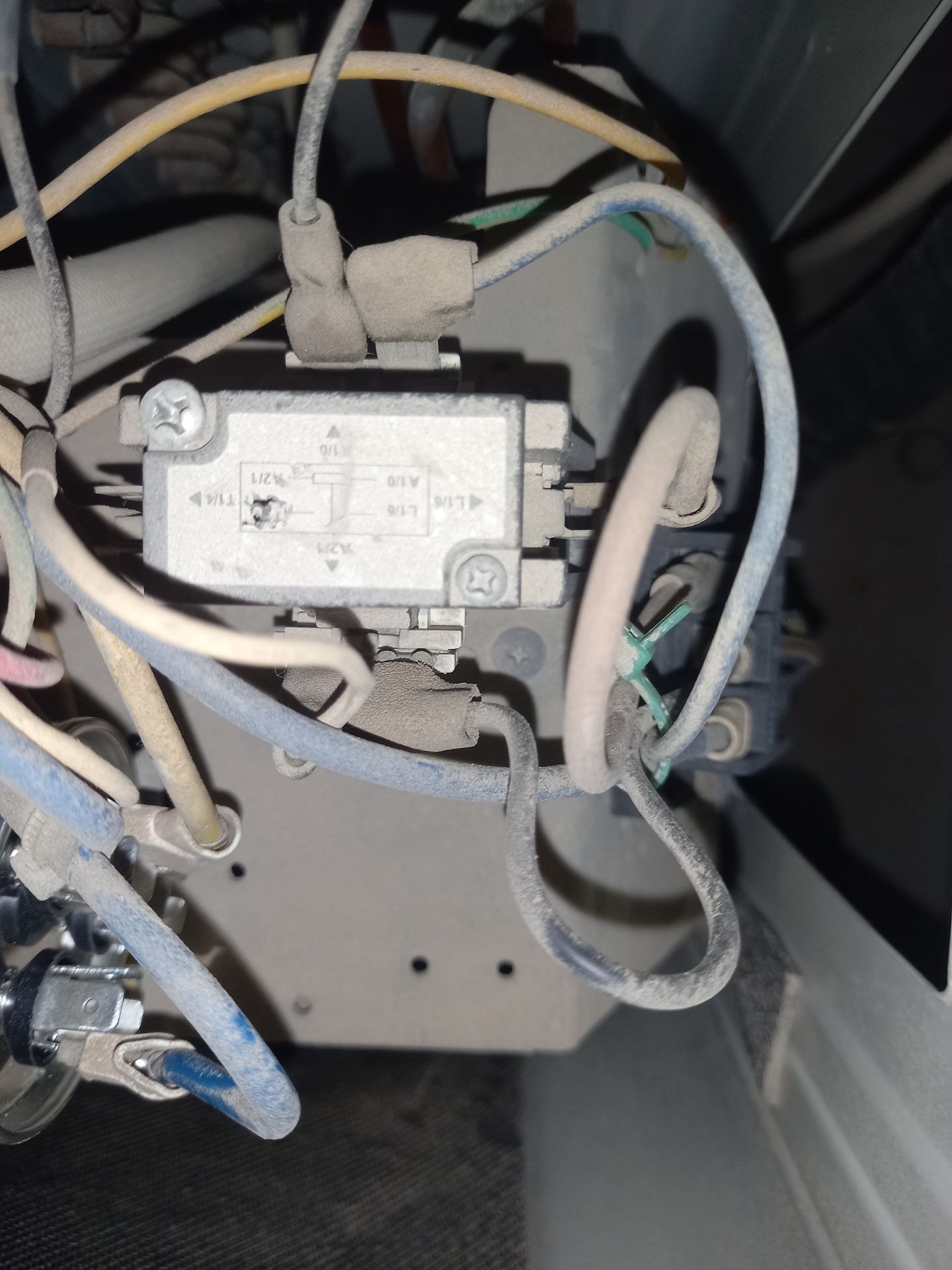
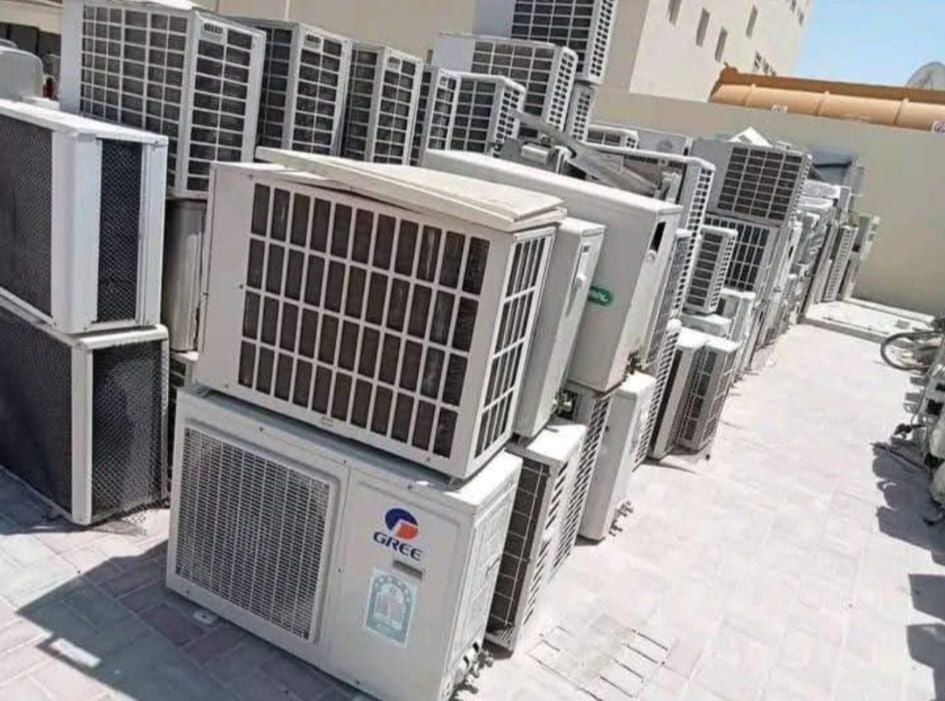
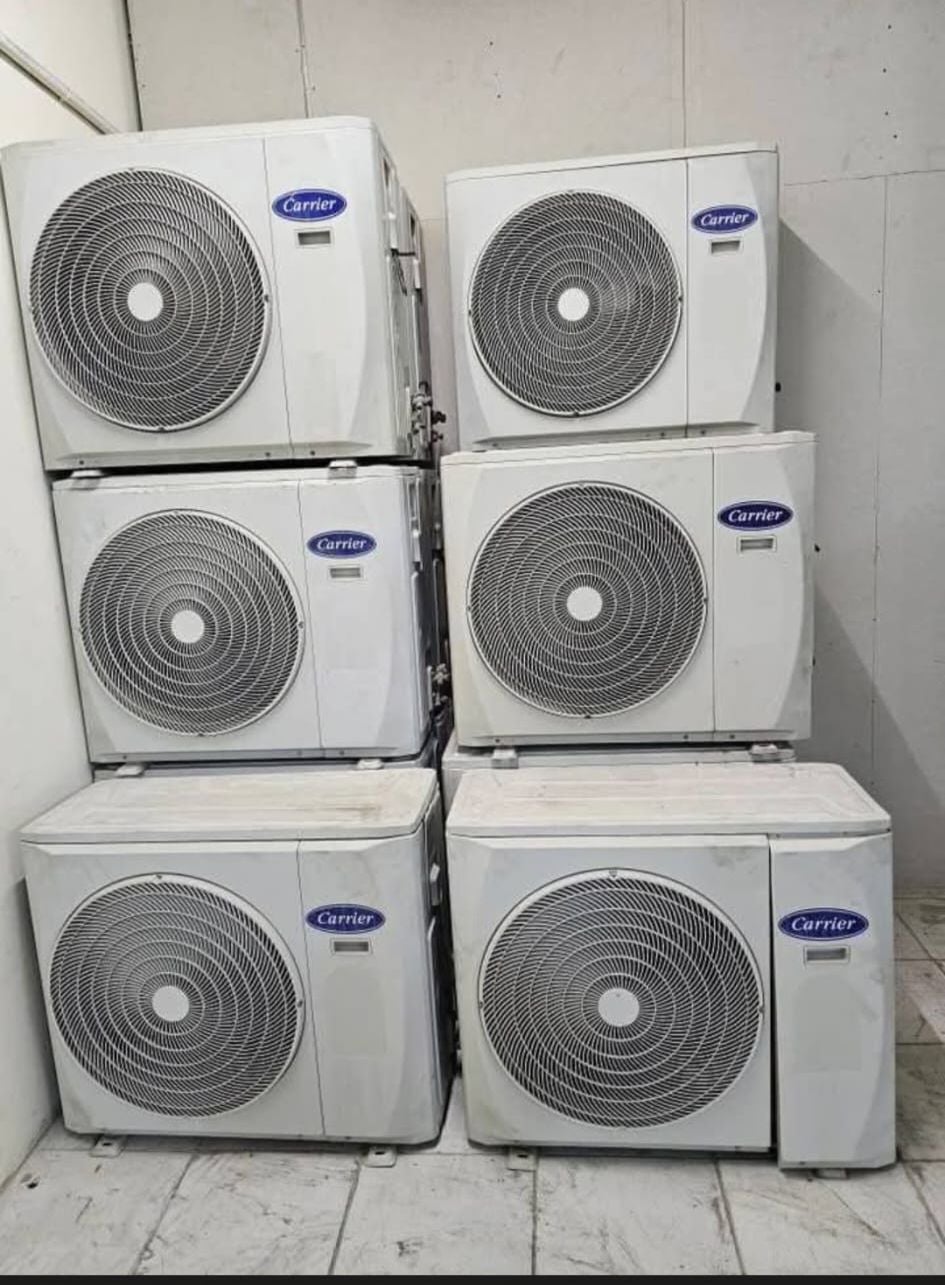
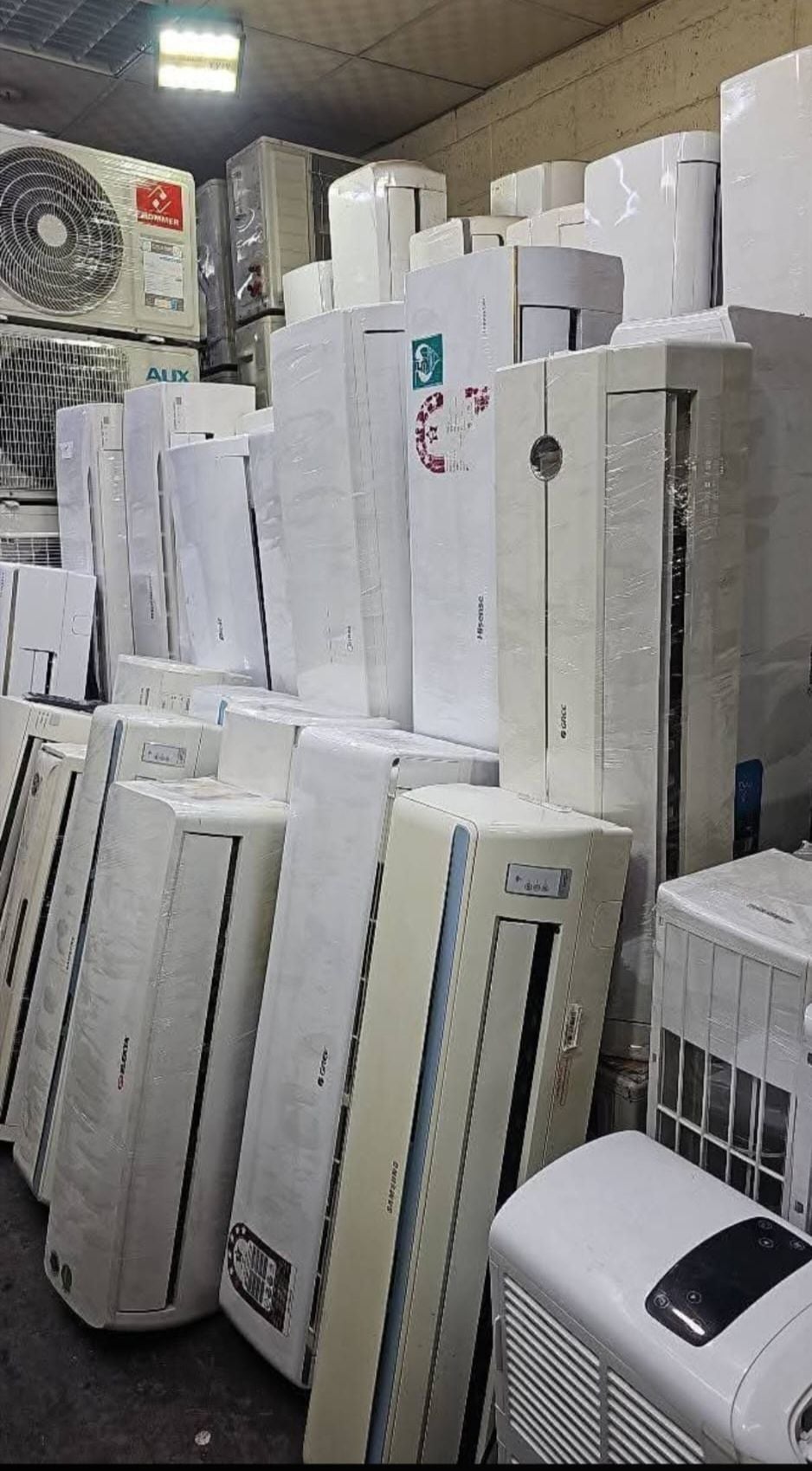
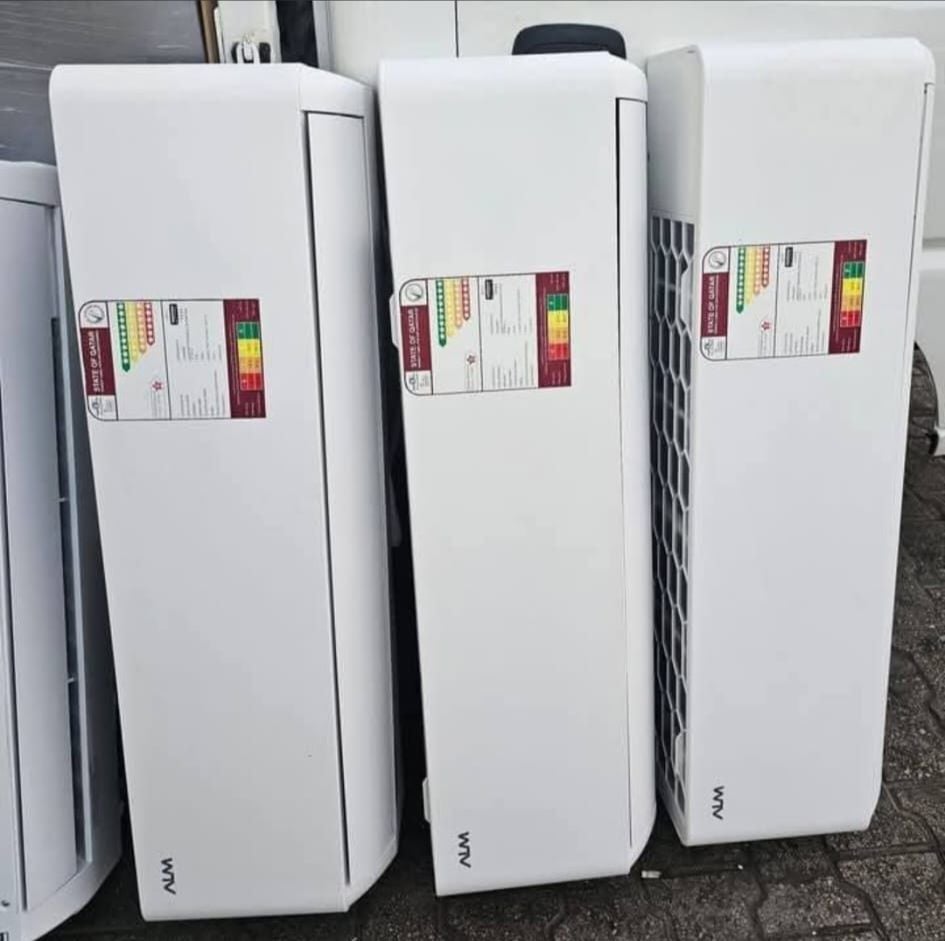



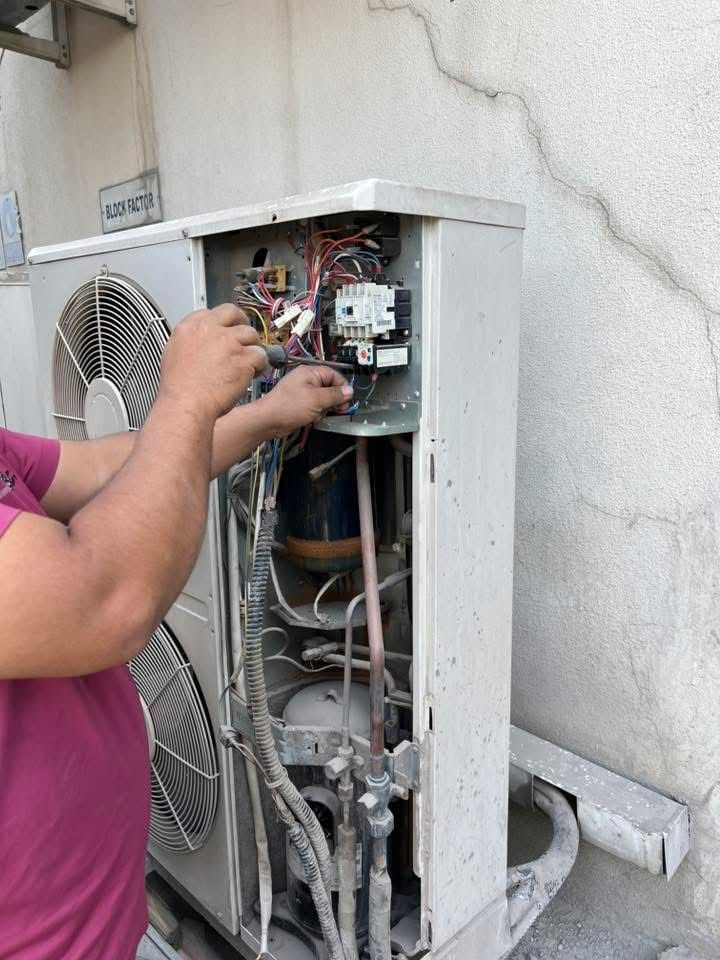
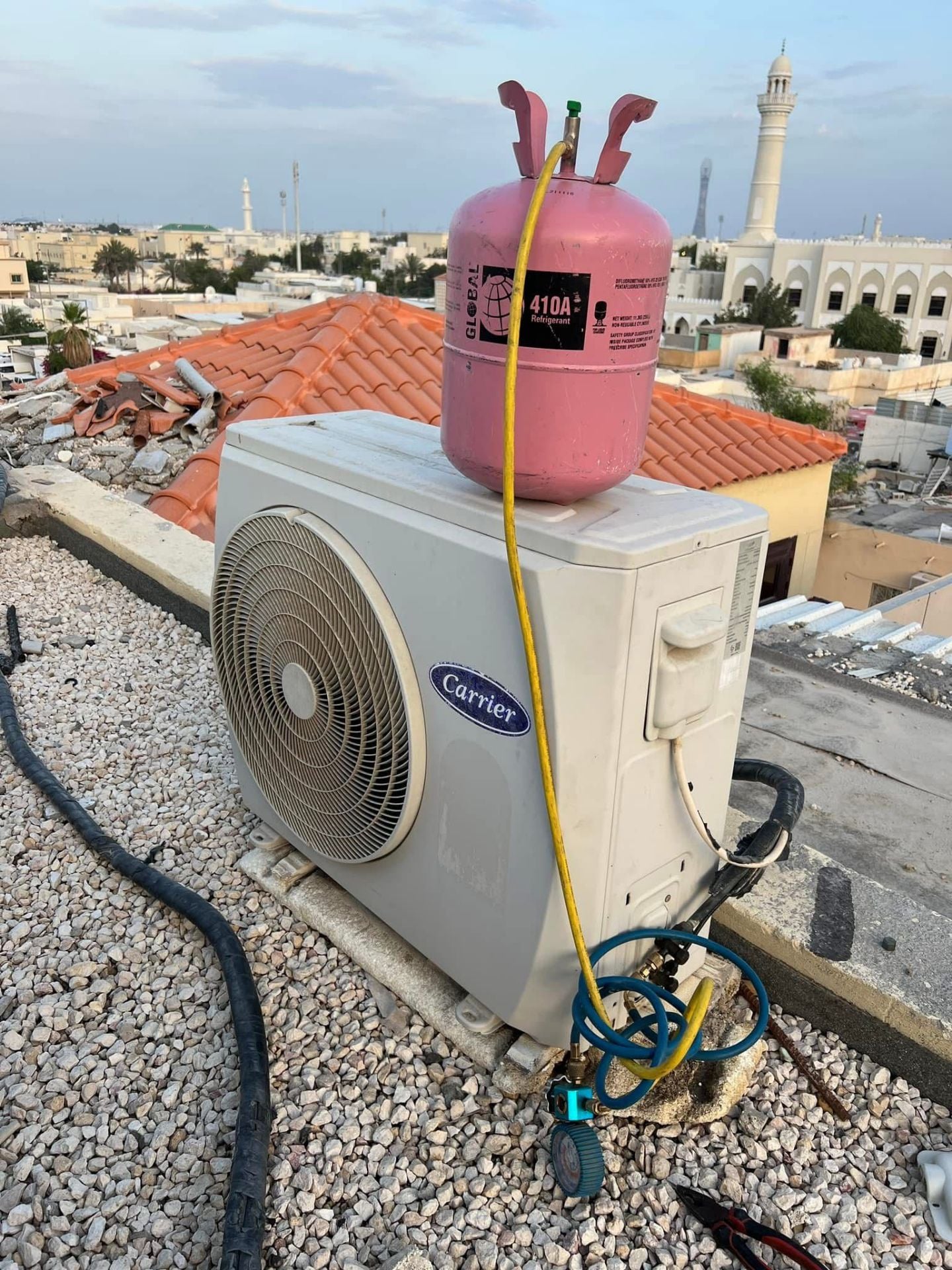
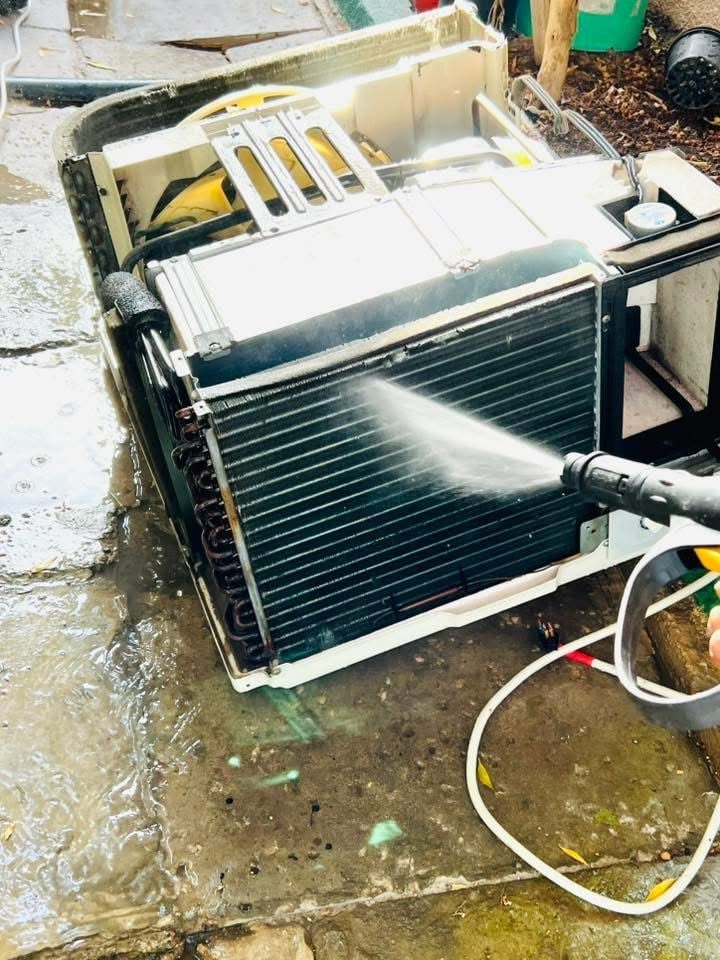
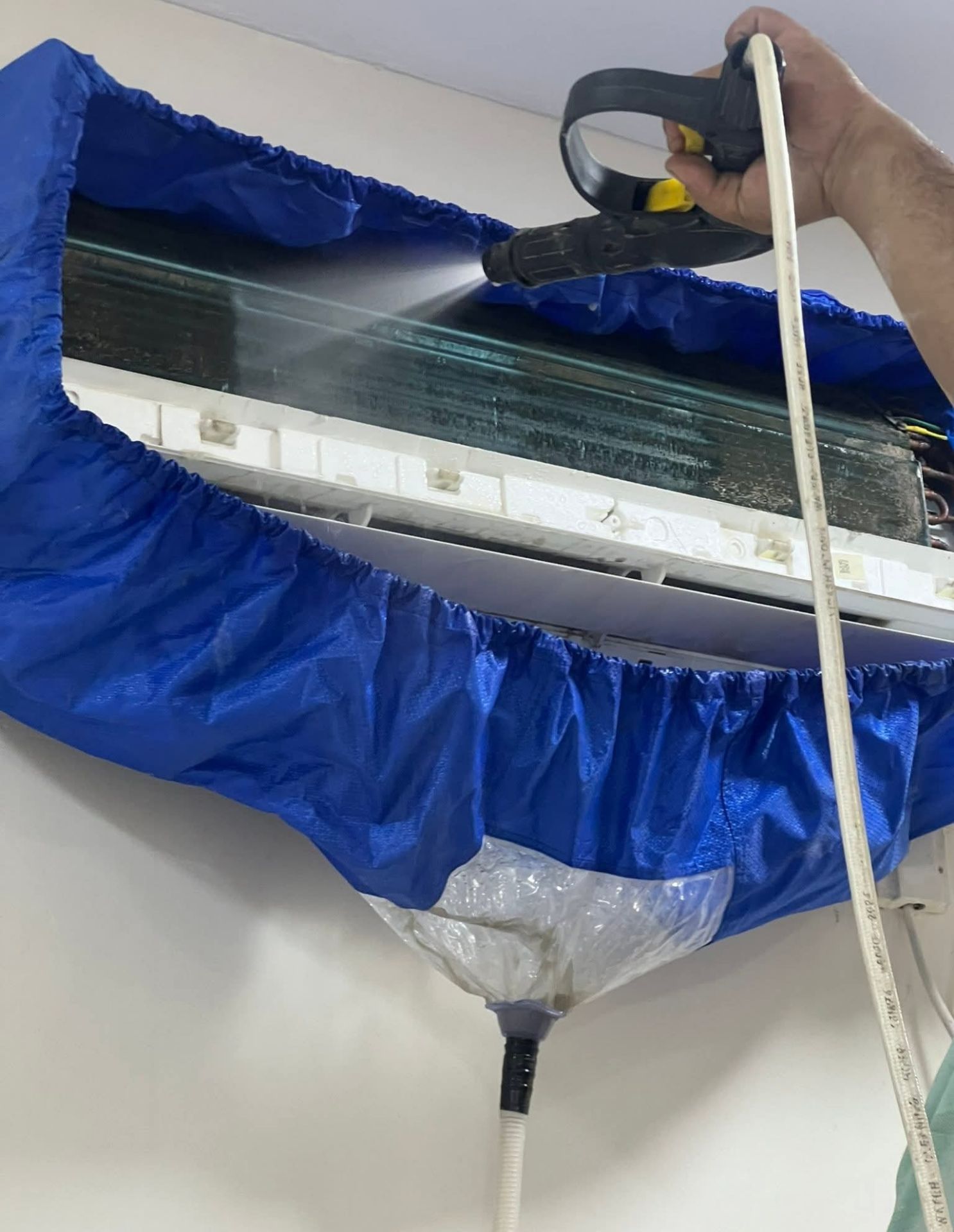
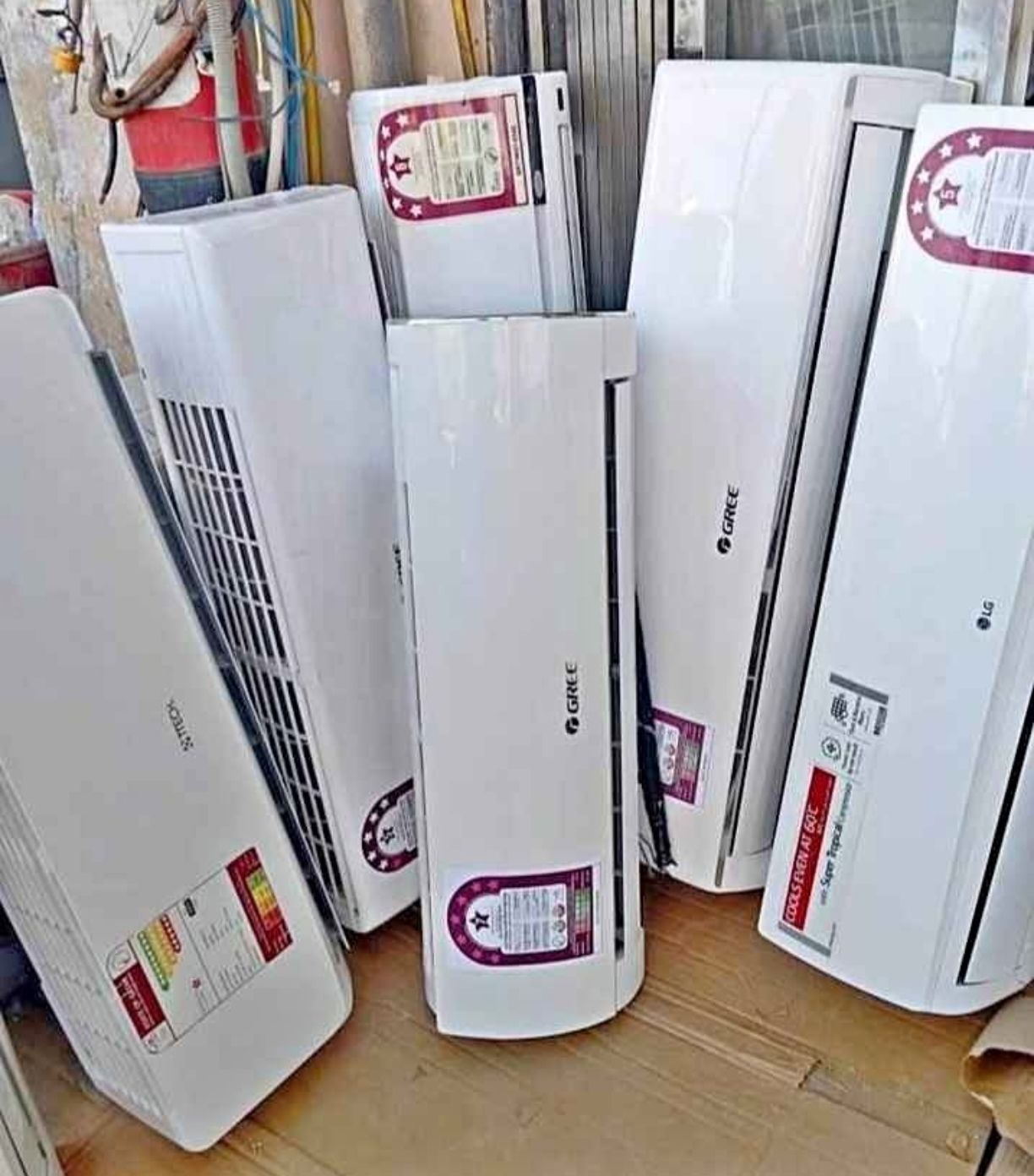
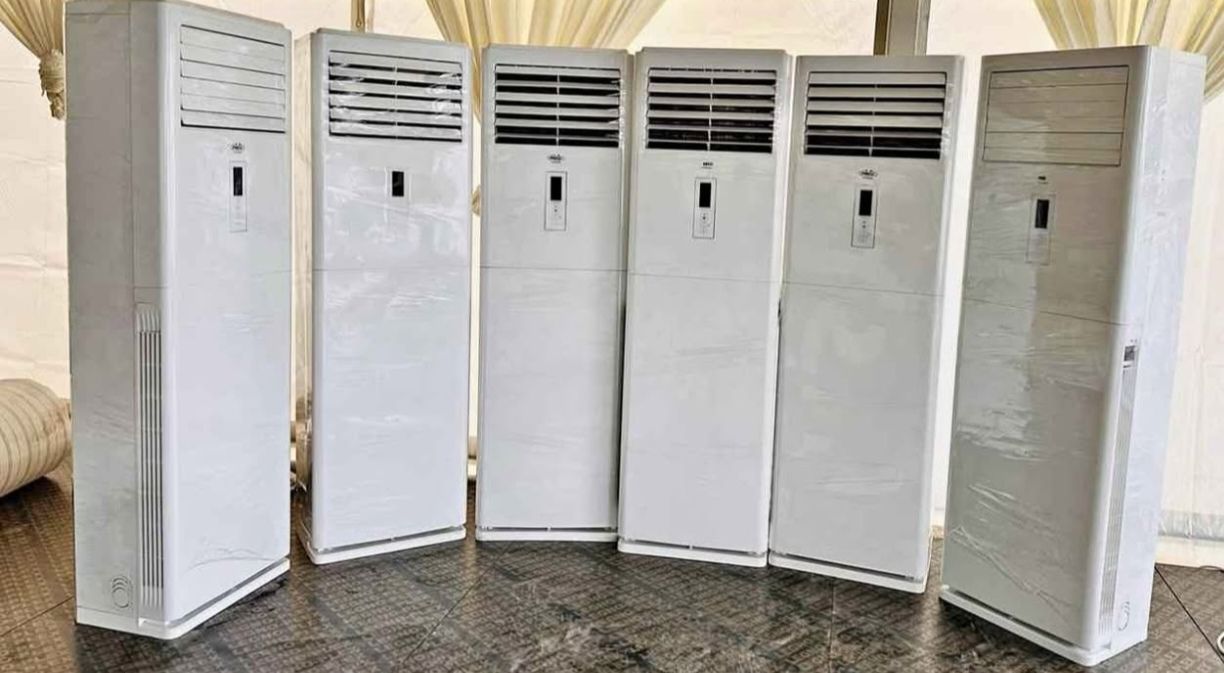
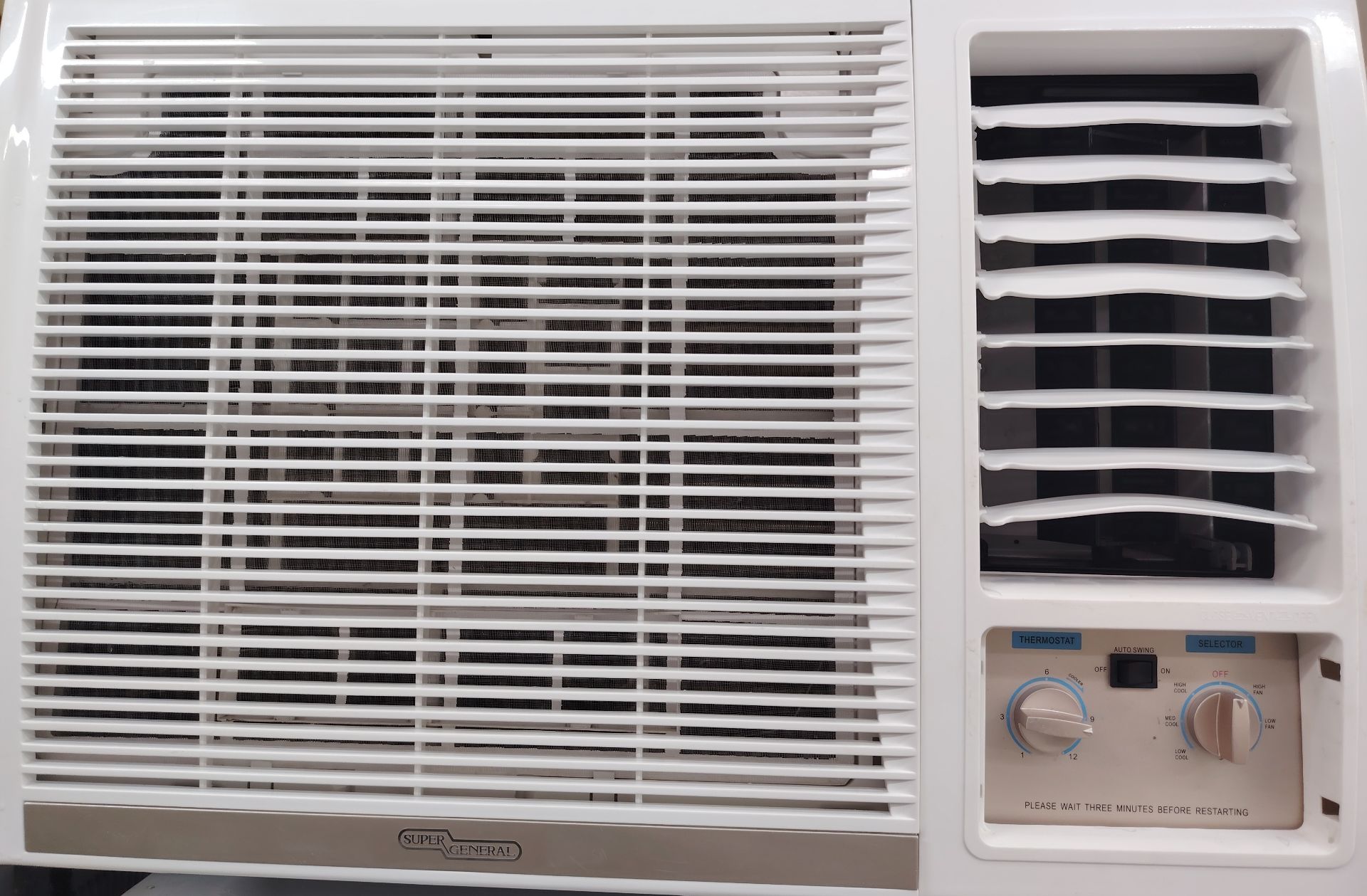





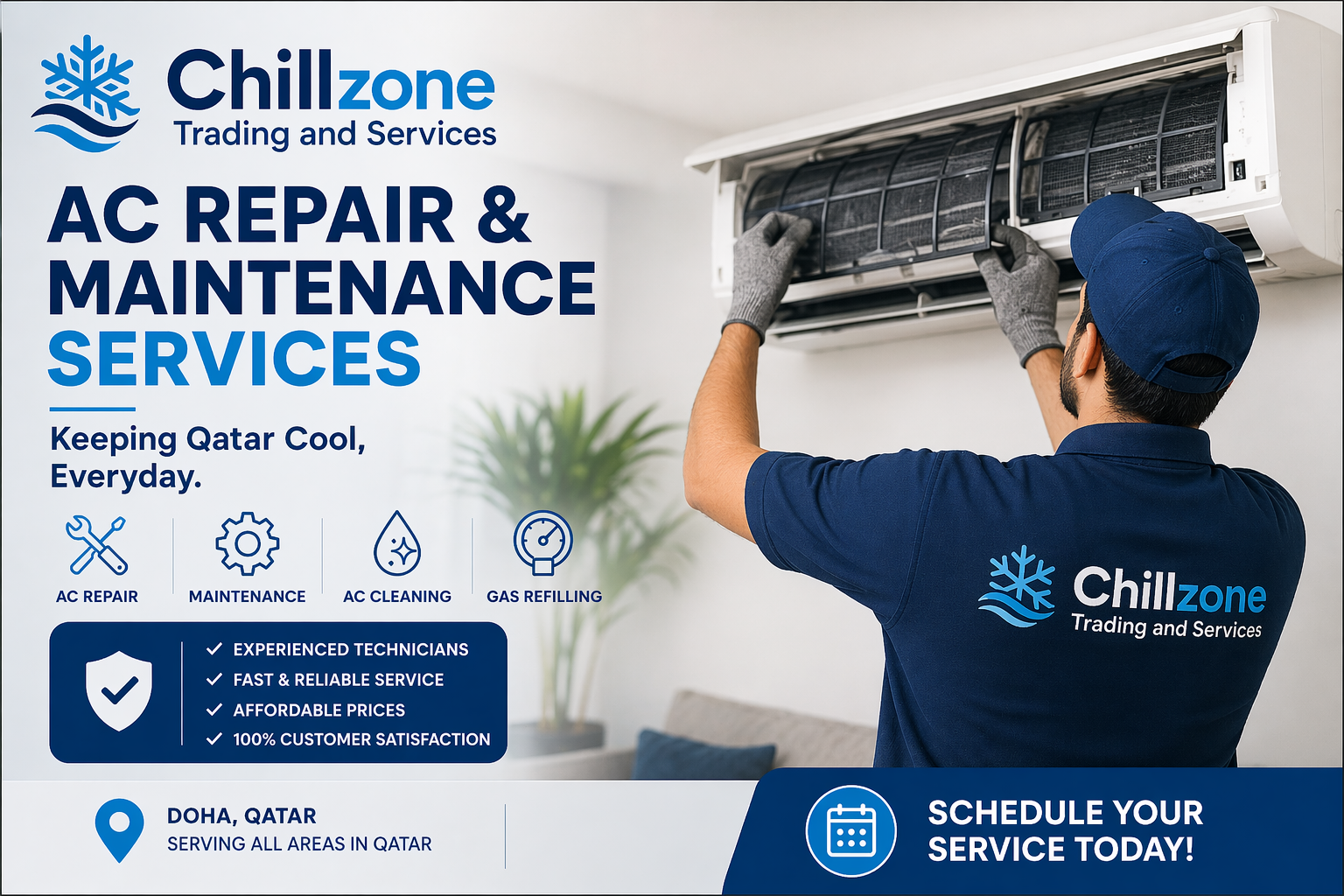
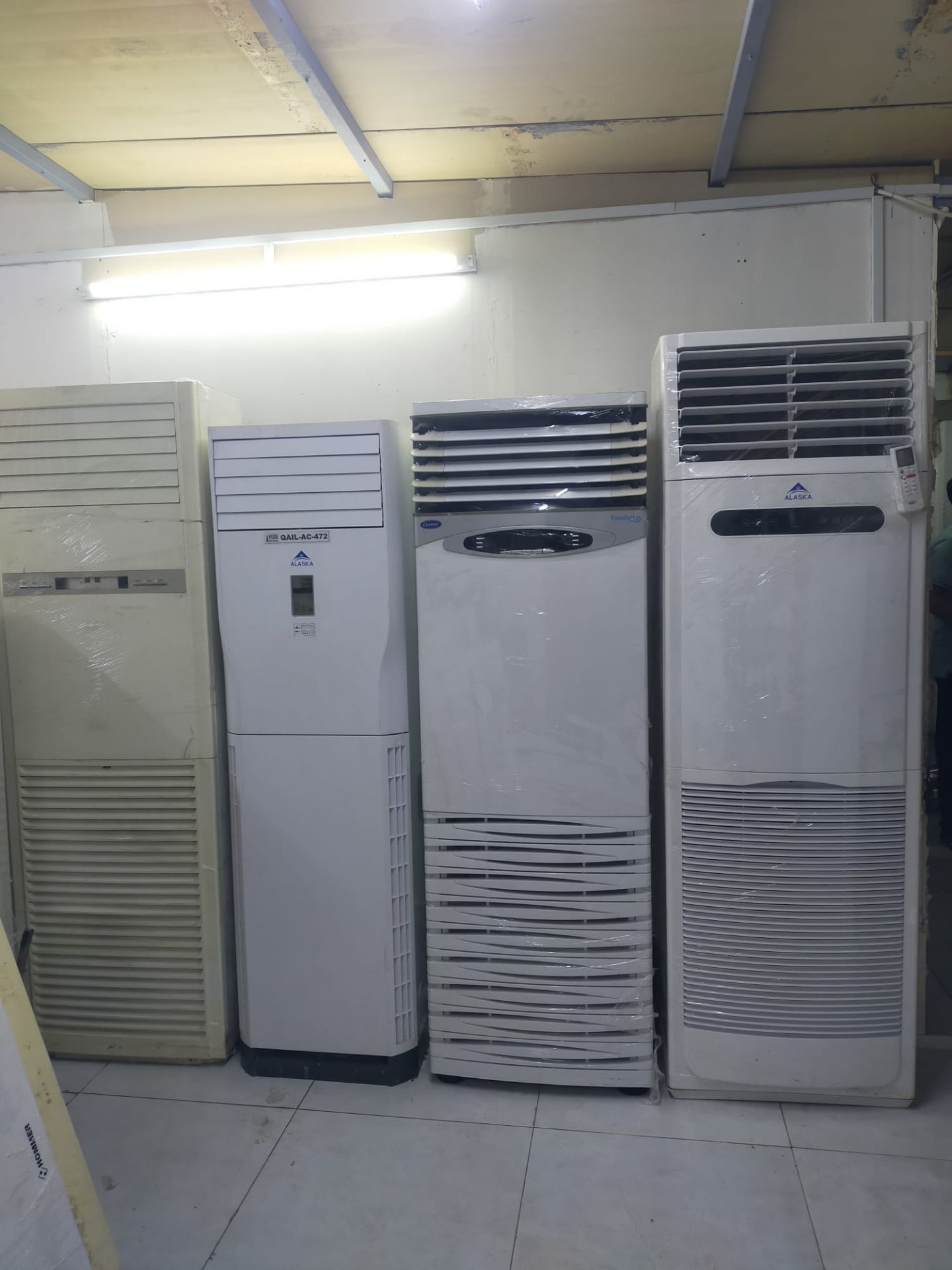
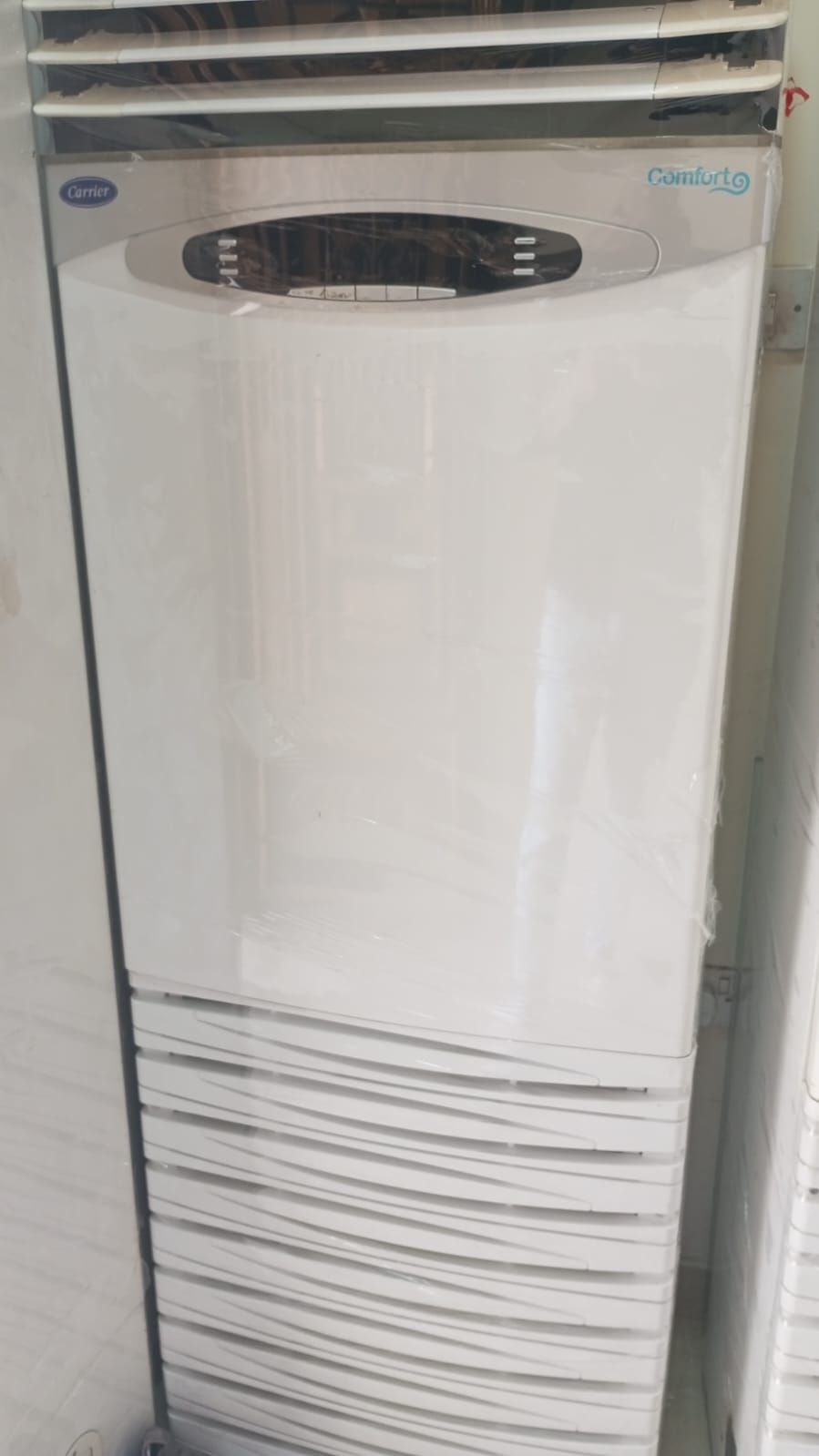
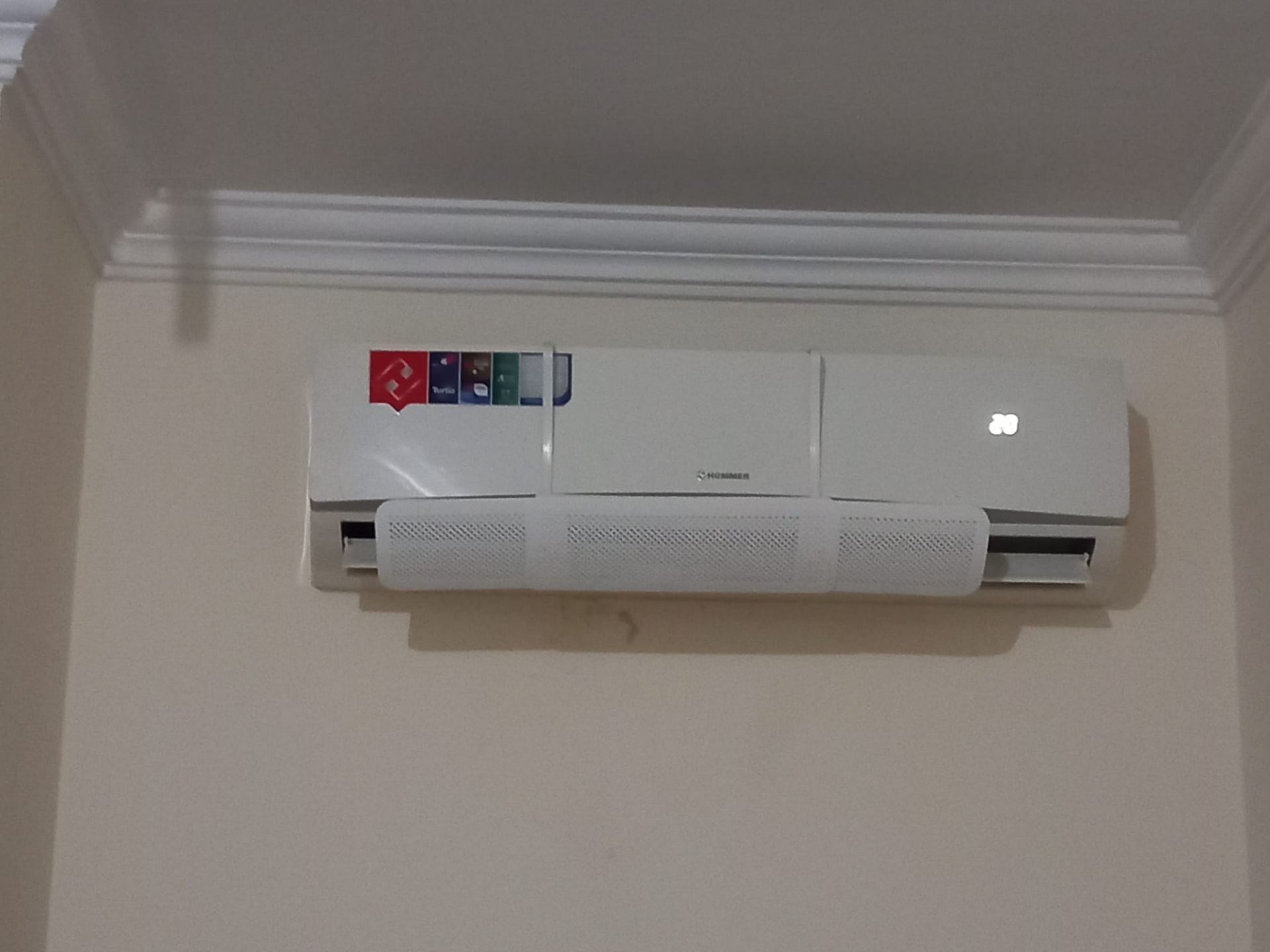
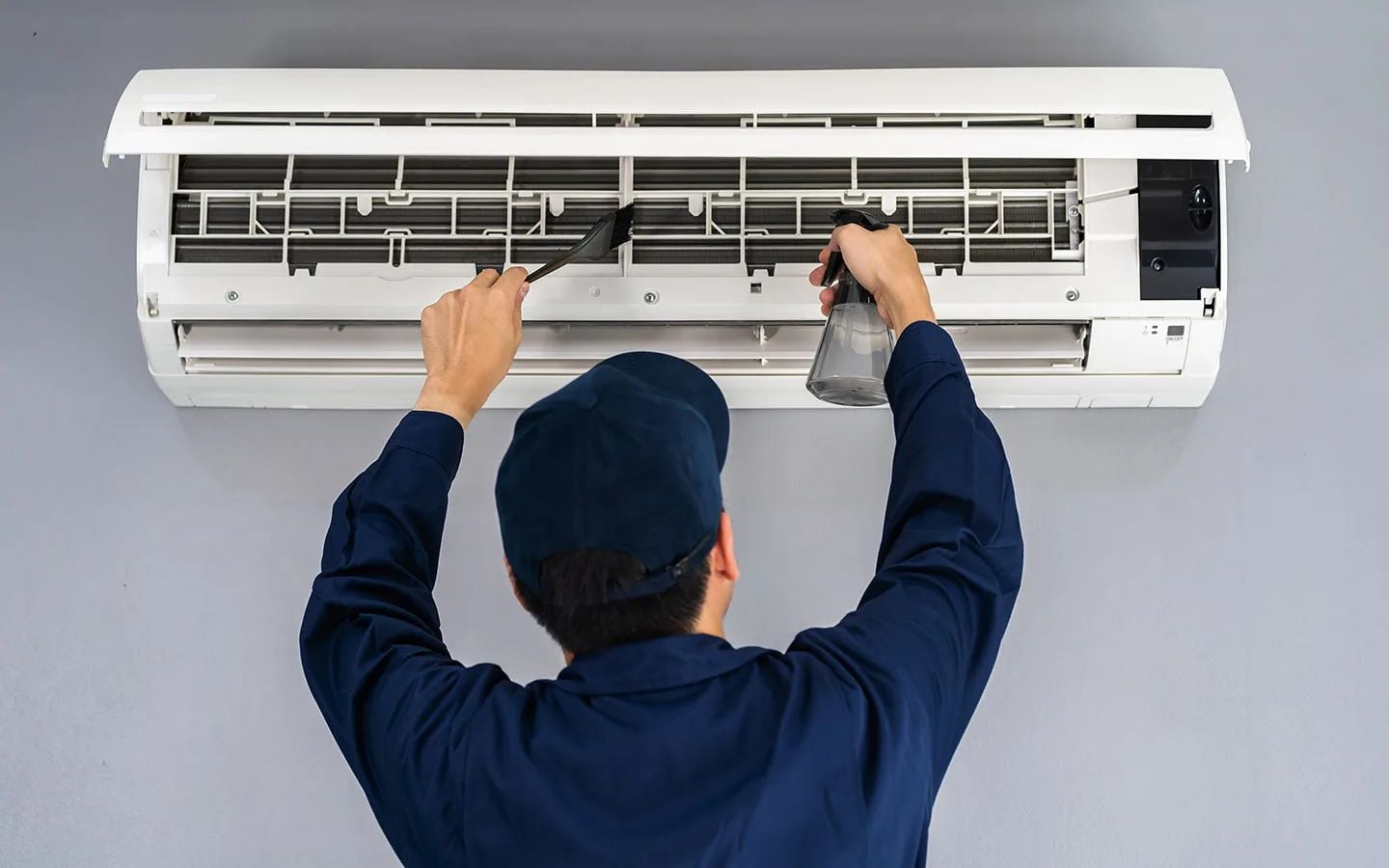
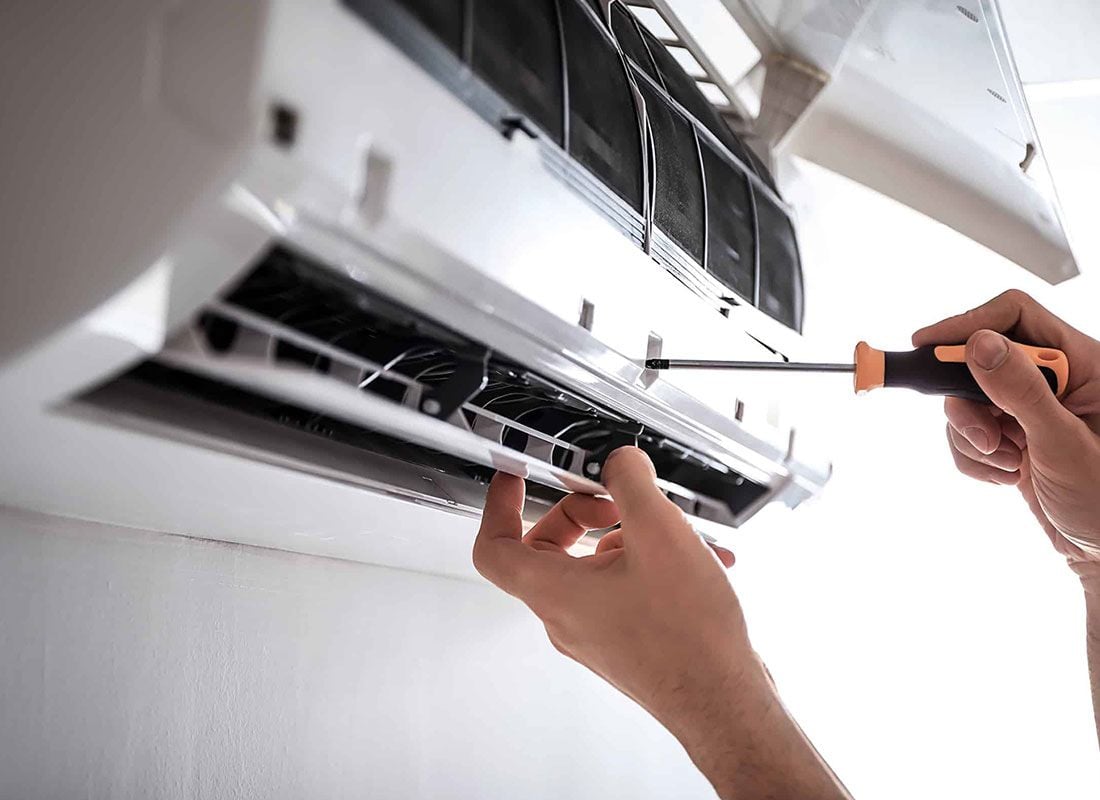
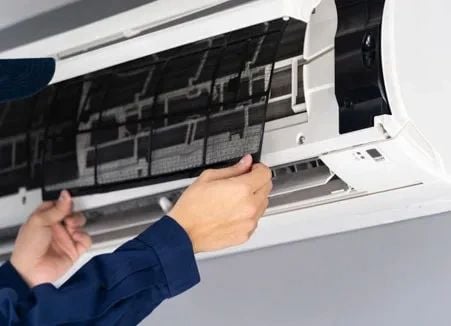
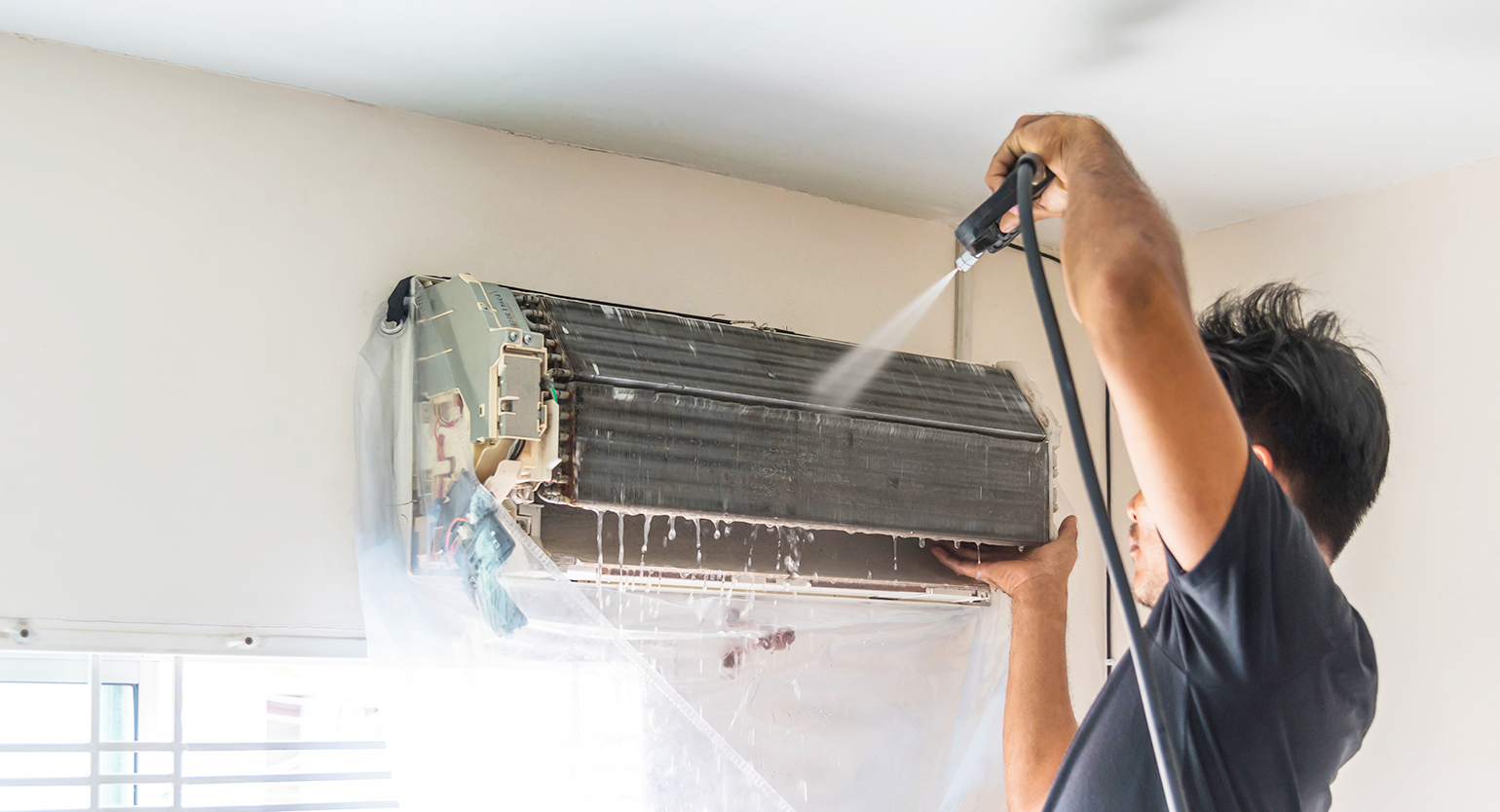
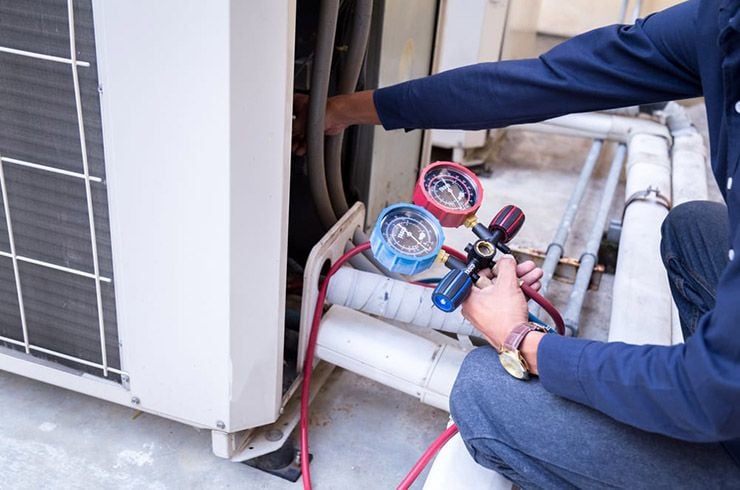
Reliable AC Repair & Maintenance Services in Doha
Price on request





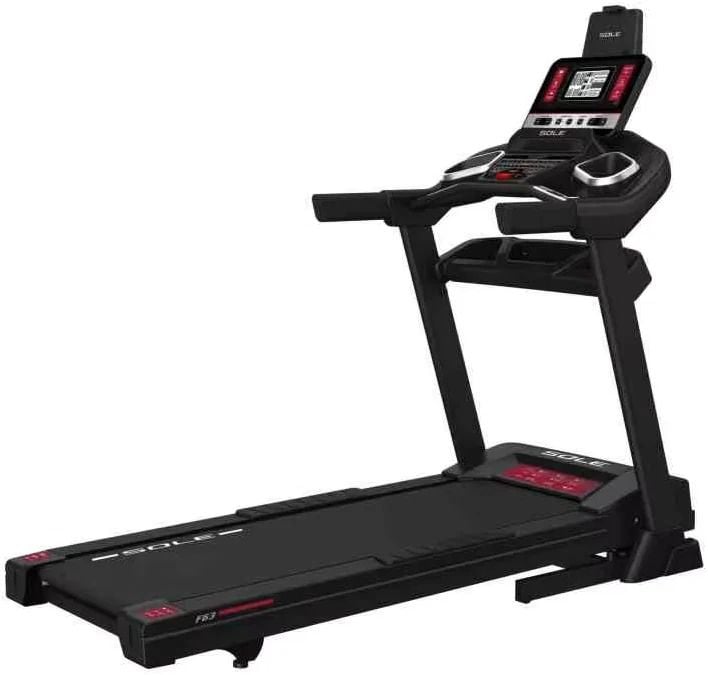
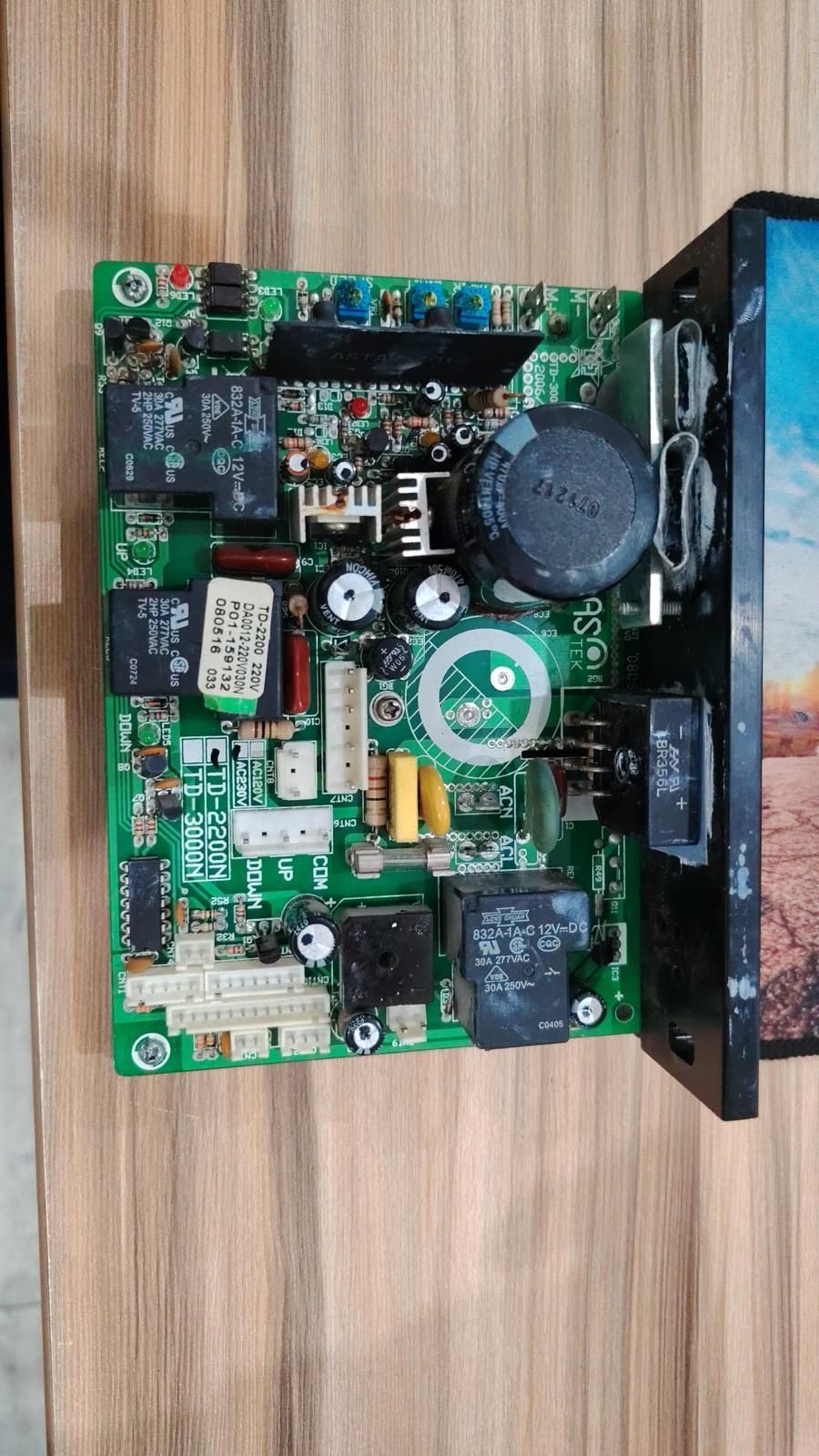
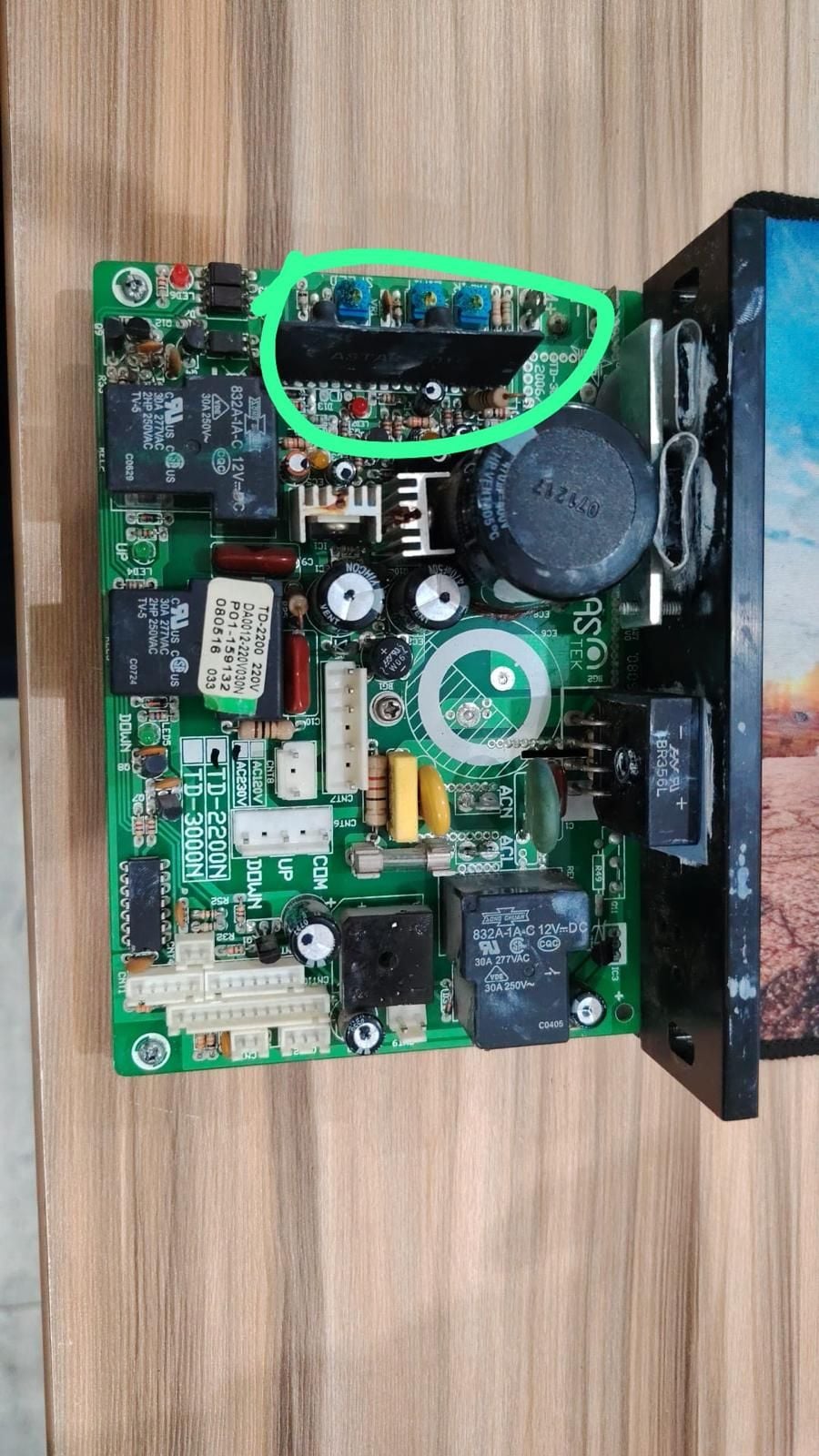
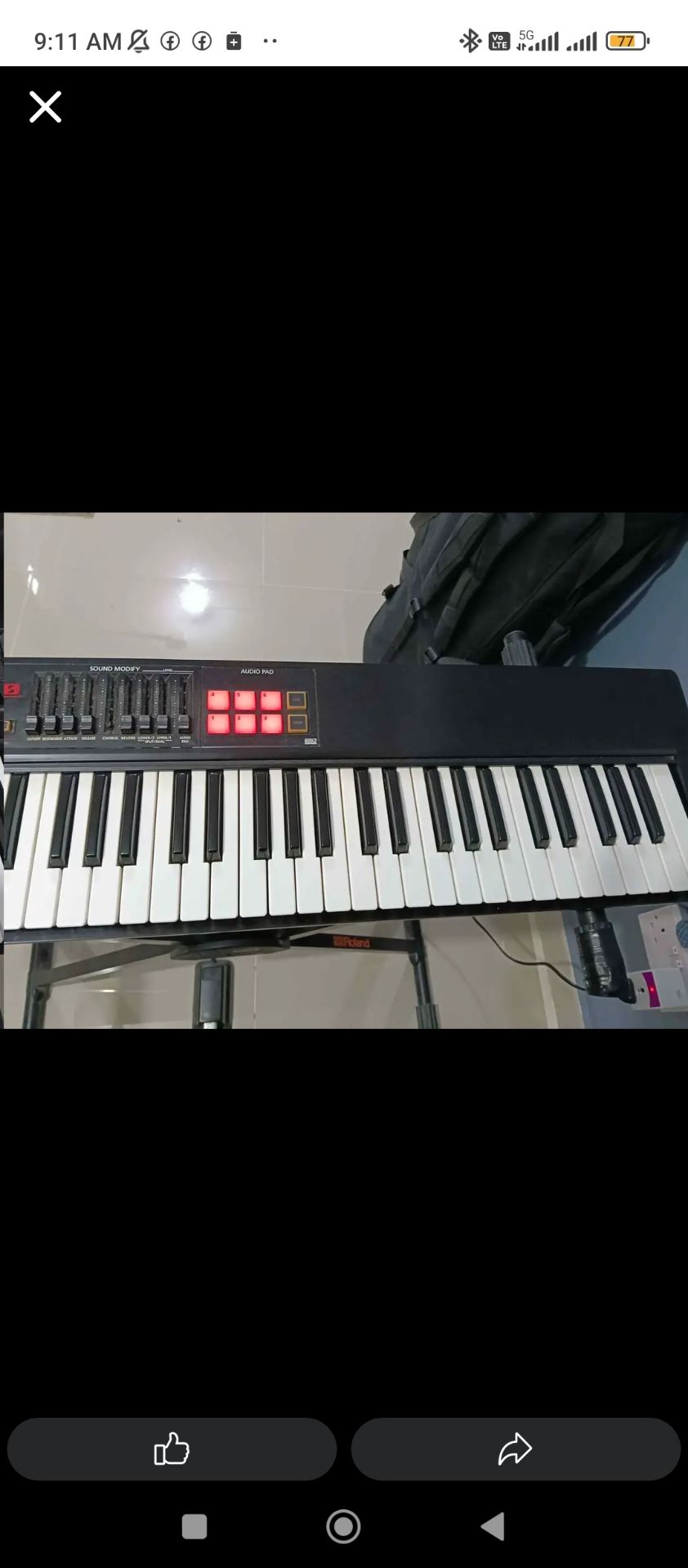

WASHING MACHINE ,FRIDGE AND AC REPAIR SERVICE ALL OVER QATAR CALL 3035 0935
2 QAR


Utility Services
In Qatar, Utility Services are essential for keeping homes, villas, compounds, and commercial spaces running safely and efficiently – from studio apartments in Lusail Marina and West Bay high-rises to family villas in Al Wakrah, Al Thumama, and Al Rayyan. When power trips in a Pearl tower, an A/C unit fails in August heat, or a water leak appears in your Al Sadd apartment, you need fast, reliable help. This category connects you with specialists in wiring and electrical work, plumbing, A/C servicing, and electrical appliance maintenance who are familiar with KAHRAMAA standards and Qatar Civil Defense (QCDD) requirements. Typical small call-outs (minor leaks, breaker issues, basic A/C service) often start from around QAR 150–300 in Doha, with larger jobs priced by scope and materials. Whether you manage facilities near Hamad Medical Corporation, Qatar Foundation in Education City, or a small café in Msheireb, you’ll find providers experienced with Qatar’s building codes, compounds, and tower management rules.
What you'll find
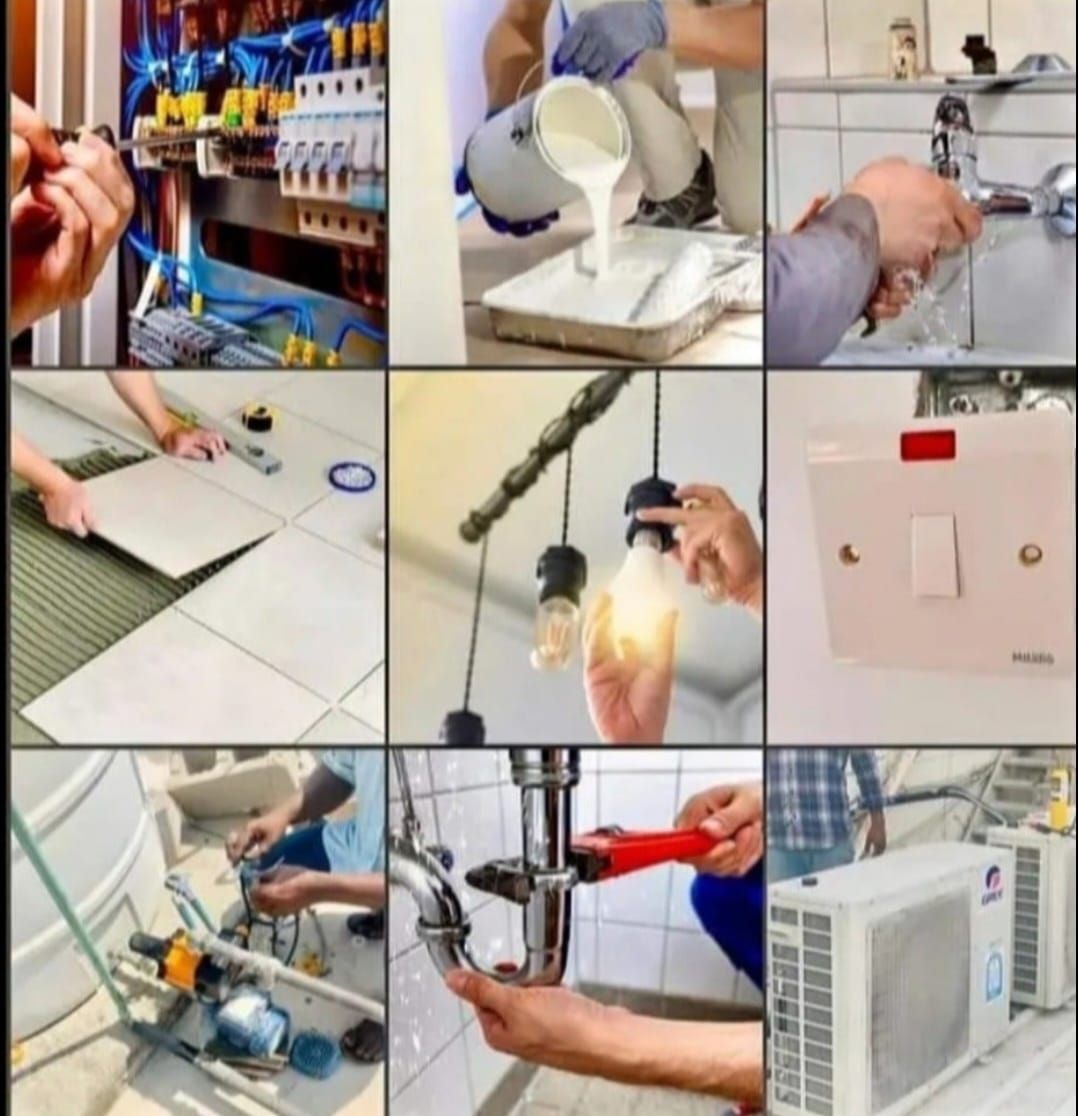
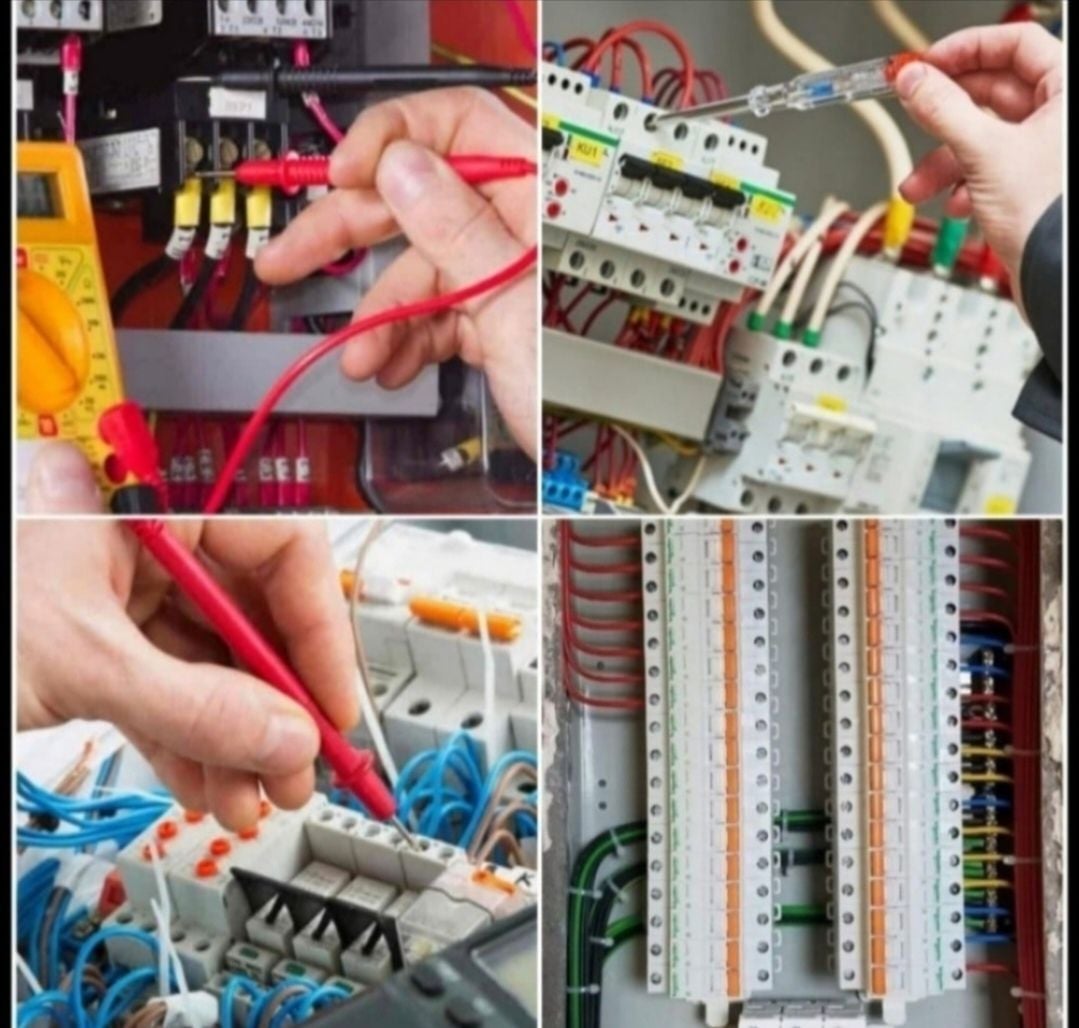
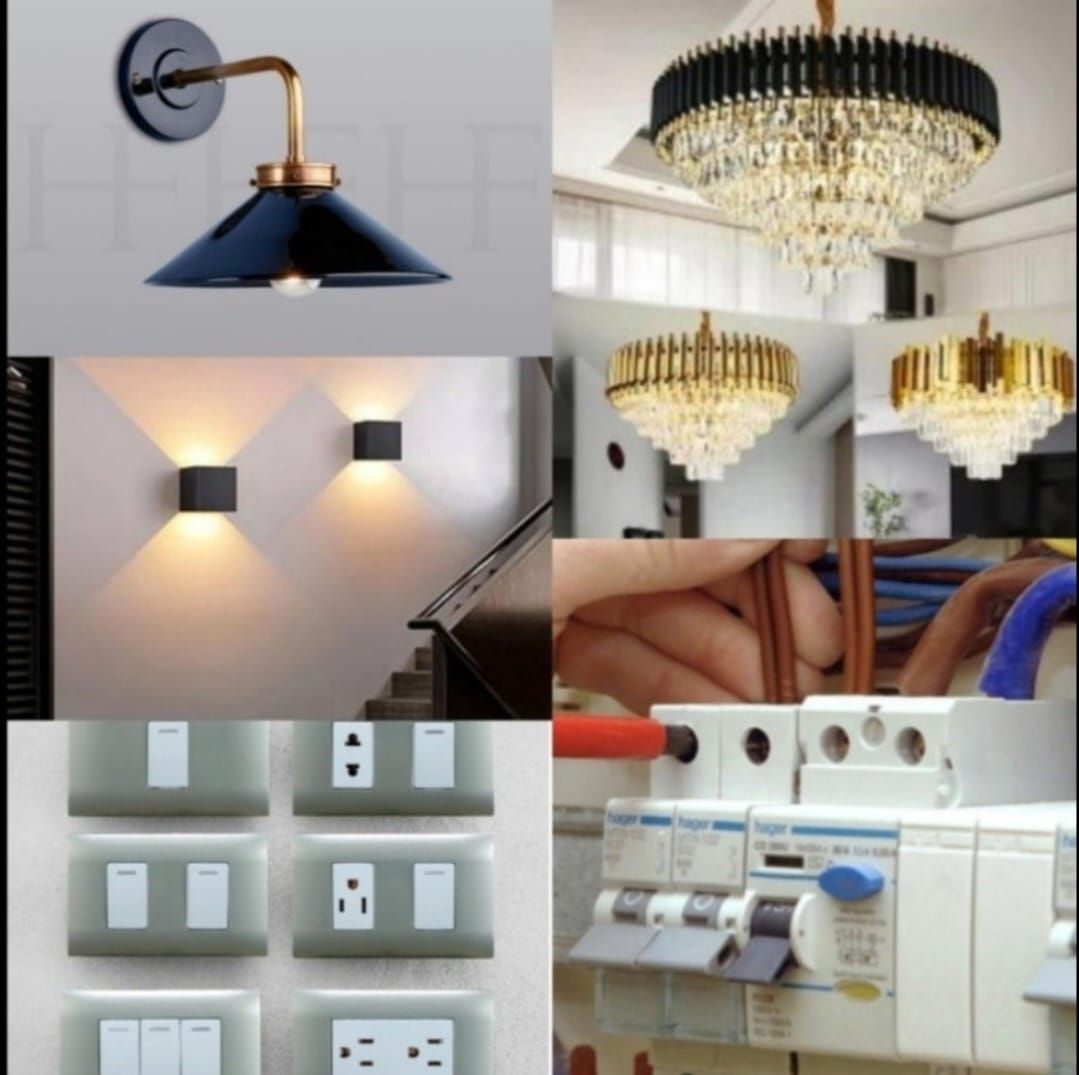
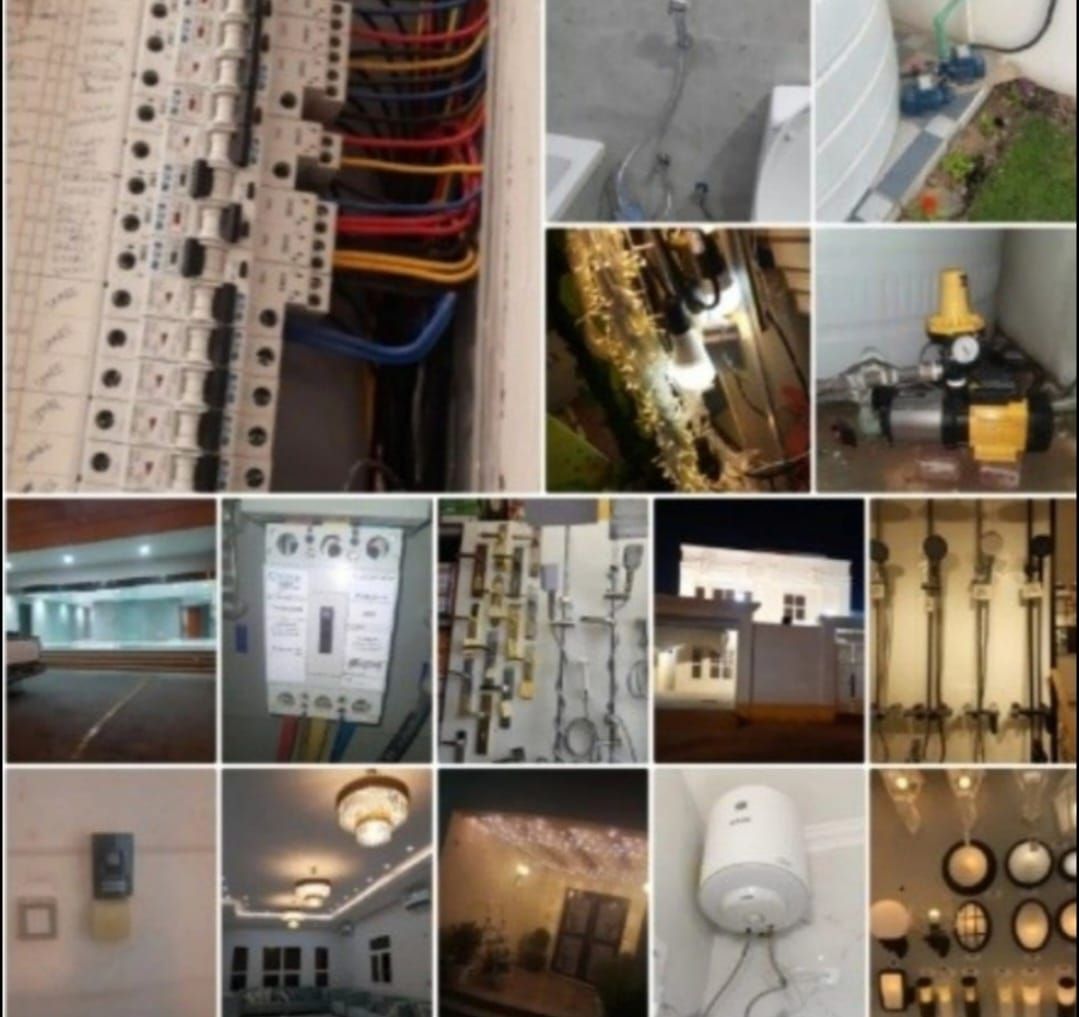
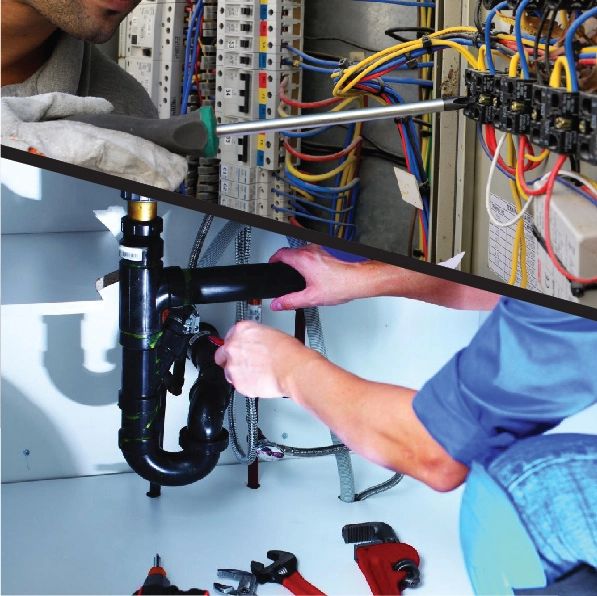
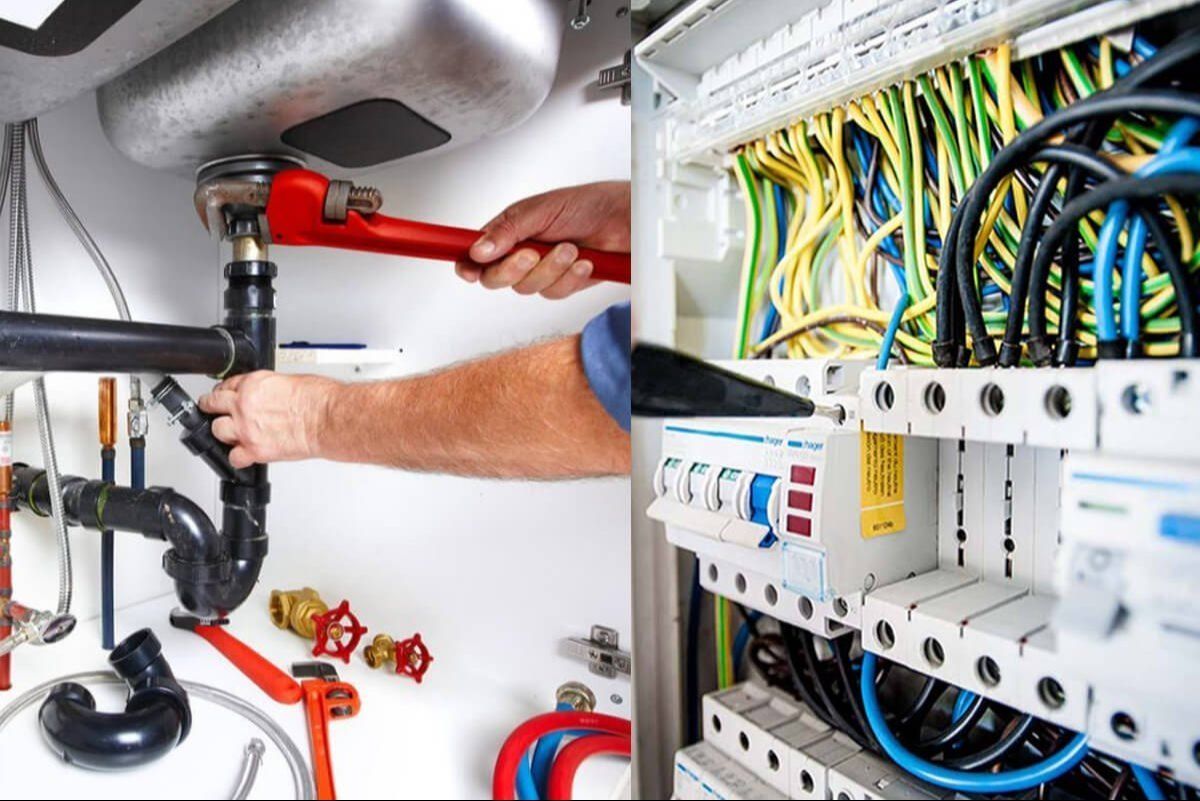
- Wiring & Electrical Services — Certified electricians for wiring, breaker issues, lighting upgrades, KAHRAMAA-compliant panels, and QCDD-oriented safety fixes in apartments, villas, shops, and offices across Qatar.
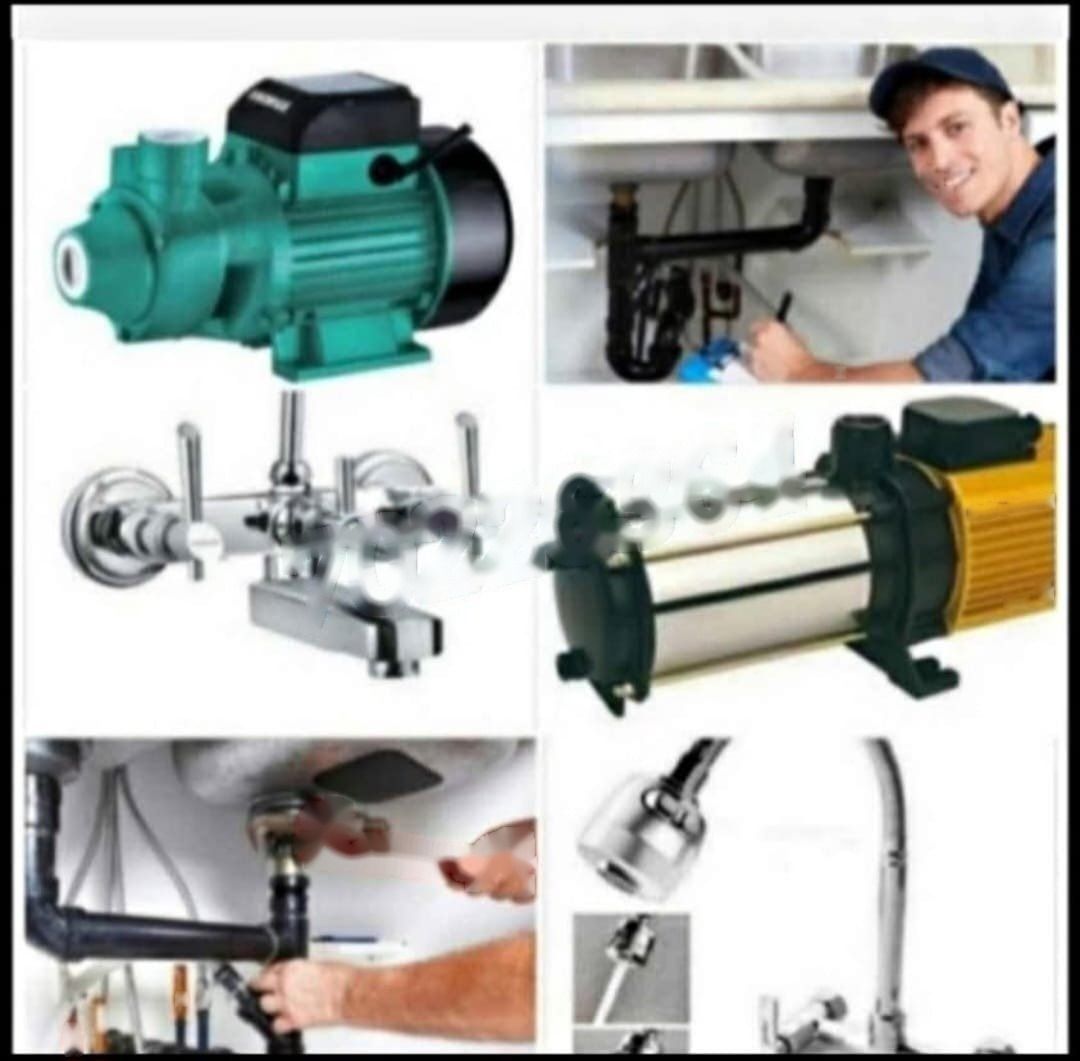
- Plumbing Services — Leak repairs, pipe replacement, blocked drains, water pump and tank issues, heater repairs, and bathroom/kitchen fit-outs for homes, offices, and retail spaces in Doha and beyond.
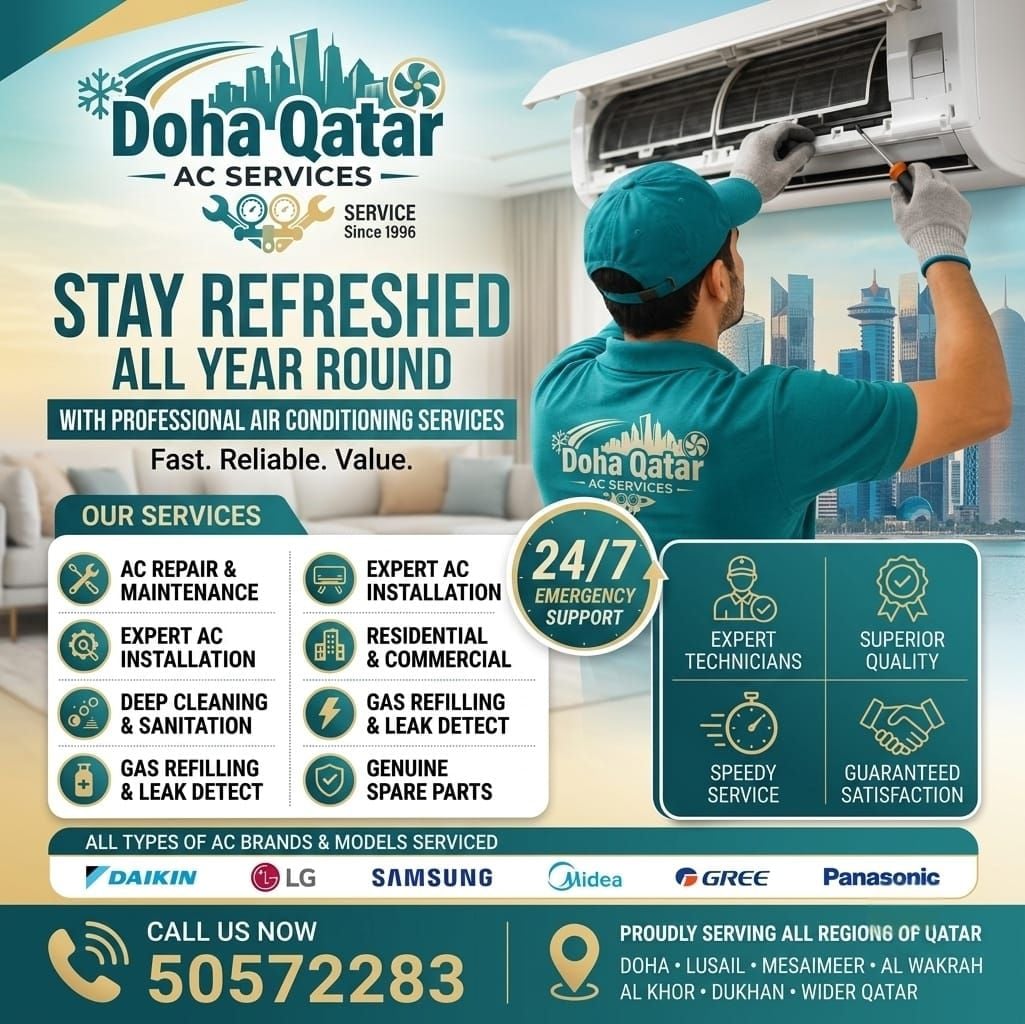
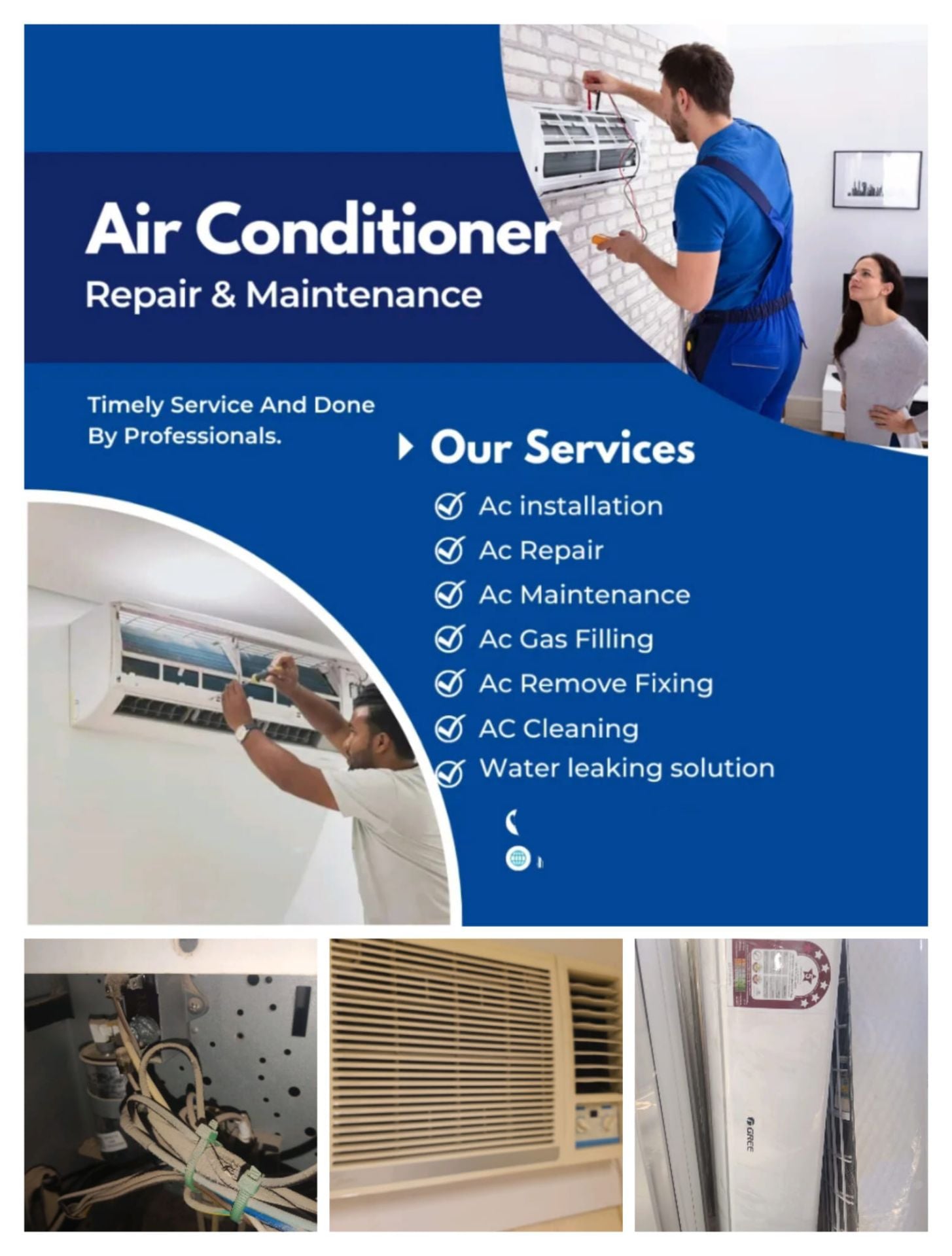
- A/C Maintenance — Split, central, and package unit servicing, gas refilling, coil cleaning, duct checks, and emergency breakdown repairs to keep cooling systems reliable in Qatar’s summer heat.
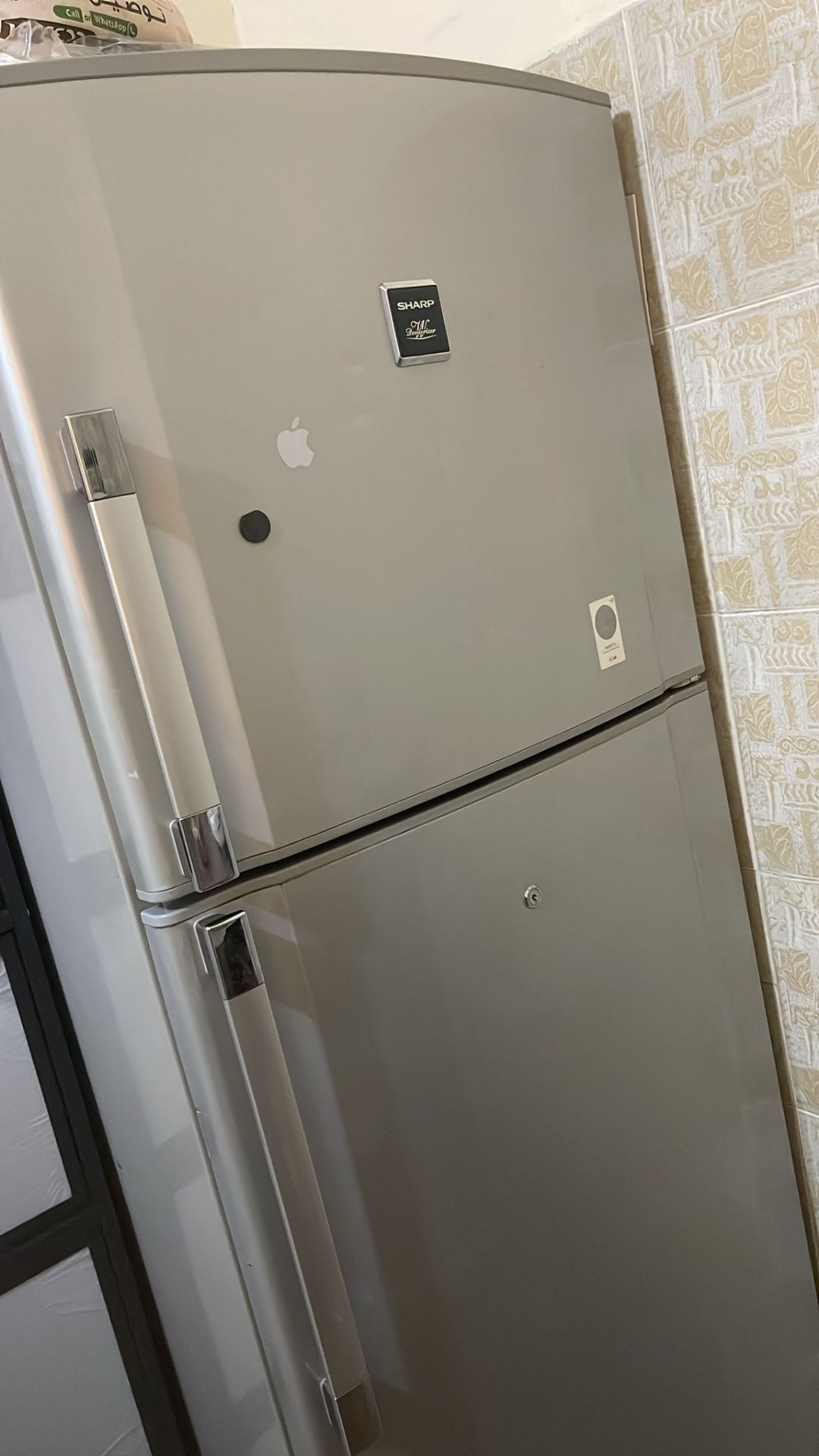
- Electrical Appliances Maintanace — Diagnosis and repair for fridges, washing machines, dishwashers, ovens, and small appliances from major brands bought at Lulu, Carrefour, Sharaf DG, or Jarir.
How to choose the right provider
When choosing a Utility Services provider in Qatar, start by checking proper licensing and registration. Reputable companies will have a valid commercial registration (CR) under the Ministry of Commerce and Industry (MoCI) and, for larger works, familiarity with Kahramaa and QCDD regulations for electrical and mechanical systems. For compounds and towers in West Bay, Lusail, and The Pearl, ensure the contractor is accepted by your building management and can issue basic work reports or completion notes. Ask whether technicians are qualified electricians/plumbers and if they follow safety procedures like lockout of breakers and proper isolation of water lines. Good providers give clear, written estimates in QAR, including labour, materials, and visit charges, and explain if extra KAHRAMAA approvals or permits are needed for major electrical modifications. Red flags include cash-only dealing for bigger jobs, refusal to provide a CR or ID, vague pricing, or no warranty on work. Strong companies offer at least a short workmanship guarantee, use branded materials available locally, and are responsive via WhatsApp and phone, especially for urgent issues in peak summer.
What to expect
The typical process in Qatar starts with contacting the provider via phone, WhatsApp, or an online request, often with photos or short videos from your villa or flat in areas like Al Sadd, Bin Mahmoud, or Lusail. The company may quote a standard call-out fee and time window, or arrange a free/low-cost inspection for larger jobs such as full rewiring or major plumbing changes. Technicians usually visit within an agreed slot, diagnose the issue, and provide an on-site quotation in QAR before starting work. For urgent A/C or power problems, same-day visits are common in Doha. Payment norms include cash, bank transfer, and QPay or POS card machines; some companies also accept online payment links. For bigger works, you might pay a deposit for materials and settle the balance on completion. Reputable providers clean up after the job, test systems in your presence, and offer basic after-service support or a short warranty period, especially for new installations and compressor or pump changes.
Frequently asked questions
Are utility service providers in Qatar required to be licensed or approved?
Yes. Any company offering electrical, plumbing, or A/C services commercially in Qatar should hold a valid commercial registration (CR) with the Ministry of Commerce and Industry (MoCI). For significant electrical works, especially in new fit-outs or shop renovations, contractors should also follow KAHRAMAA and Qatar Civil Defense (QCDD) standards, and larger projects may require approved drawings and inspections before energizing. In residential call-outs (for example, fixing a tripping breaker in Al Wakrah or a leaking pipe in Old Airport), technicians typically work under their company’s CR rather than individual licensing. As a customer, you can ask for the company’s CR number and, in towers or compounds, check that building management recognizes them. For high-risk tasks like main panel upgrades, generator tie-ins, or large HVAC modifications, always insist on experienced firms with a track record on similar projects in Doha or Lusail, and avoid unregistered freelancers for anything involving main power or gas.
How much do basic electrical or plumbing call-outs usually cost in Doha?
Pricing varies by company and time of day, but many providers in Doha charge a base visit or diagnosis fee, often in the range of about QAR 150–300 for standard hours within the city. This may cover simple fixes such as resetting and tightening a loose breaker, replacing a faulty socket, or clearing a basic sink blockage in areas like Al Sadd, Najma, or Muntazah. Parts (fittings, breakers, mixers, hoses) are usually extra, with branded items available from local hardware shops or hypermarkets such as Lulu and Carrefour. Emergency night or weekend visits, especially during peak summer when A/C failures are urgent, may carry higher call-out fees. For larger works—like bathroom re-piping, major rewiring, or multi-split A/C servicing—companies typically quote after inspection, sometimes providing a written estimate or WhatsApp quotation so you can review and approve before they proceed.
Can technicians deal directly with KAHRAMAA issues like low voltage or meter problems?
Private electricians and maintenance companies can diagnose and repair many internal electrical issues, such as overloaded circuits, faulty distribution boards, or loose connections within your property. However, KAHRAMAA is the sole provider and regulator of electricity and water connections in Qatar, and only KAHRAMAA can work on official meters, main incoming supply, and network-side issues. If your problem involves the external meter, sudden power loss to an entire building, suspected cable damage outside your boundary, or billing anomalies, you or your building management must contact KAHRAMAA directly via their customer channels or app. For interior issues in apartments and villas in The Pearl, Lusail, or Al Rayyan, you can hire a licensed contractor to fix wiring, sockets, lighting, or distribution boards, but any major load increase or new main connection still needs KAHRAMAA’s review and approval through the proper channels.
How often should I service my A/C units in Qatar’s climate?
Given Qatar’s long, dusty summers and heavy A/C use, many facility teams and compound managers recommend at least one to two full services per year for split and central units. A typical service includes cleaning filters, checking coils, inspecting gas pressure, and ensuring drains are clear to prevent water leakage on walls or ceilings. In coastal areas like The Pearl and Lusail, salt and humidity can affect outdoor units, so regular inspection is especially important. For high-usage environments—such as staff accommodation, clinics near Hamad Medical Corporation, or offices operating long hours—more frequent filter cleaning may be needed. Good A/C maintenance companies will also check electrical connections and thermostat accuracy, and can advise when compressors or fan motors are nearing end-of-life. Keeping units properly serviced not only improves cooling but can reduce electricity consumption, which matters for tenants paying KAHRAMAA bills in non-subsidised accommodations.
Do utility service companies in Qatar provide warranties on their work?
Most reputable companies in Doha, Al Wakrah, and other cities offer some form of workmanship guarantee, but the terms differ. For minor repairs—like fixing a leak under the sink or replacing a light fitting—warranties may be short (for example, a few weeks) and typically cover only the quality of the job, not damage caused by misuse or other issues. For larger projects such as full bathroom renovations, main panel upgrades, or installation of new A/C compressors and pumps, stronger providers often offer a written warranty period, sometimes three to twelve months on workmanship and selected parts, depending on the brand’s policy. Appliances purchased from retailers like Sharaf DG, Lulu, Carrefour, or Jarir usually carry a manufacturer warranty; independent repair technicians mainly guarantee their repair work, not the full appliance. Always ask the company to confirm warranty coverage, duration, and what is excluded, and keep invoices and WhatsApp chats as proof.
How do payments and receipts usually work for these services in Qatar?
In Qatar, many small and medium maintenance firms accept multiple payment methods: cash on completion, bank transfer (to Qatari accounts), and card payments via POS or QPay links. It is common for technicians to collect payment on-site after you sign off the job in areas like West Bay, Bin Omran, or Old Airport. For larger works, companies may request a deposit to cover materials, with staged payments tied to milestones. Professional providers issue invoices or receipts showing their commercial registration (CR), service description, and total in QAR; some can also send electronic invoices for corporate clients, including facilities serving institutions like Qatar Airways or Qatar Foundation. If a provider insists on cash only for a high-value project without any documentation, treat that as a warning sign. Always request a stamped or digital receipt so you have proof for future warranty claims or, in corporate settings, for finance and audit requirements.


.f9acd767.png)