Petcare Services in Qatar
Services in Qatar (3 results)
 Promoted
Pet Services
Mobile Pet Grooming Van | We Come to You | From 150 QAR | Qatar
150 QAR
Al Nasr (Doha)

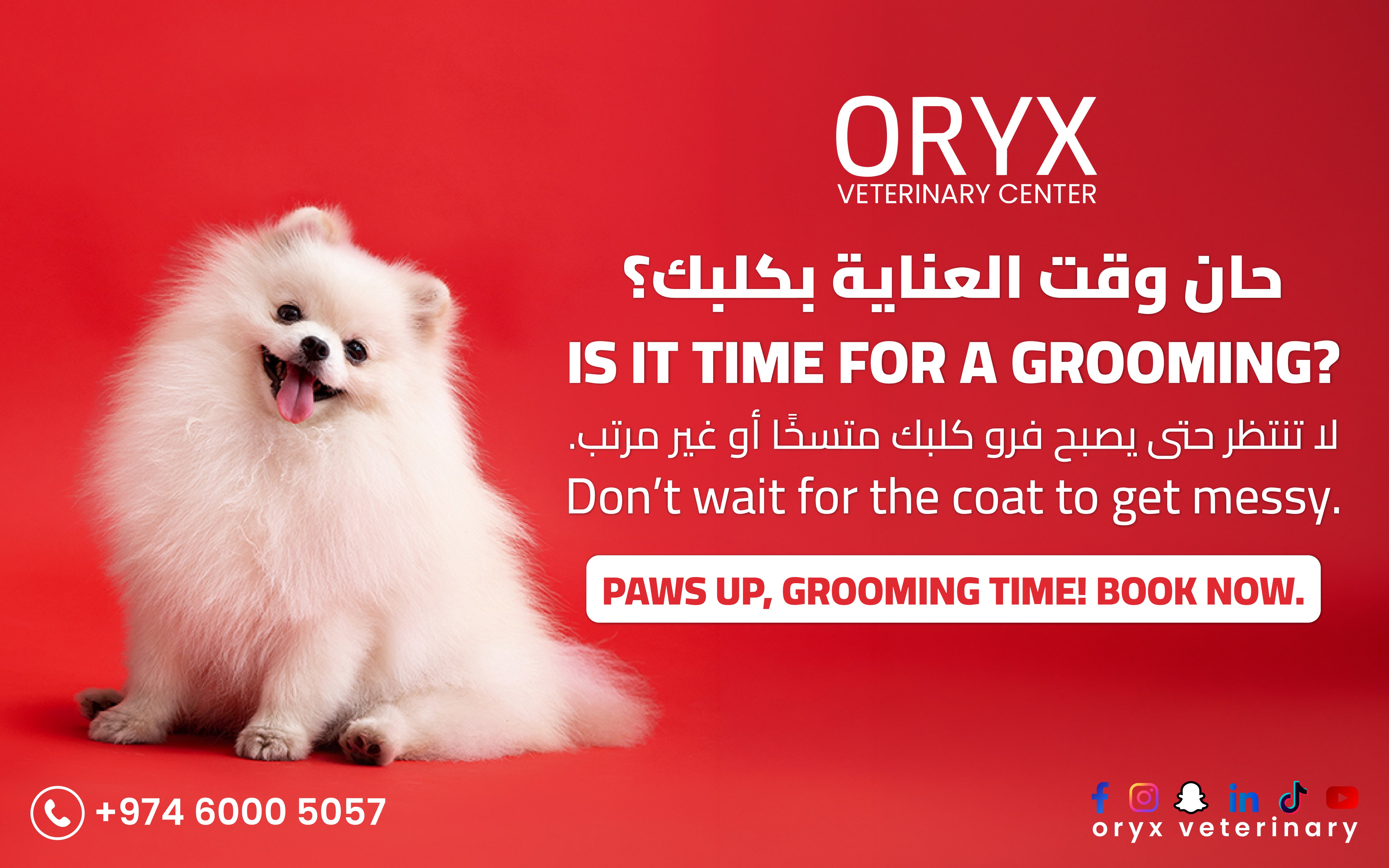
Pet Services
Everything Your Pet Needs, All in One Place | Oryx Veterinary Center
Price on request
Al Aziziya (Doha)
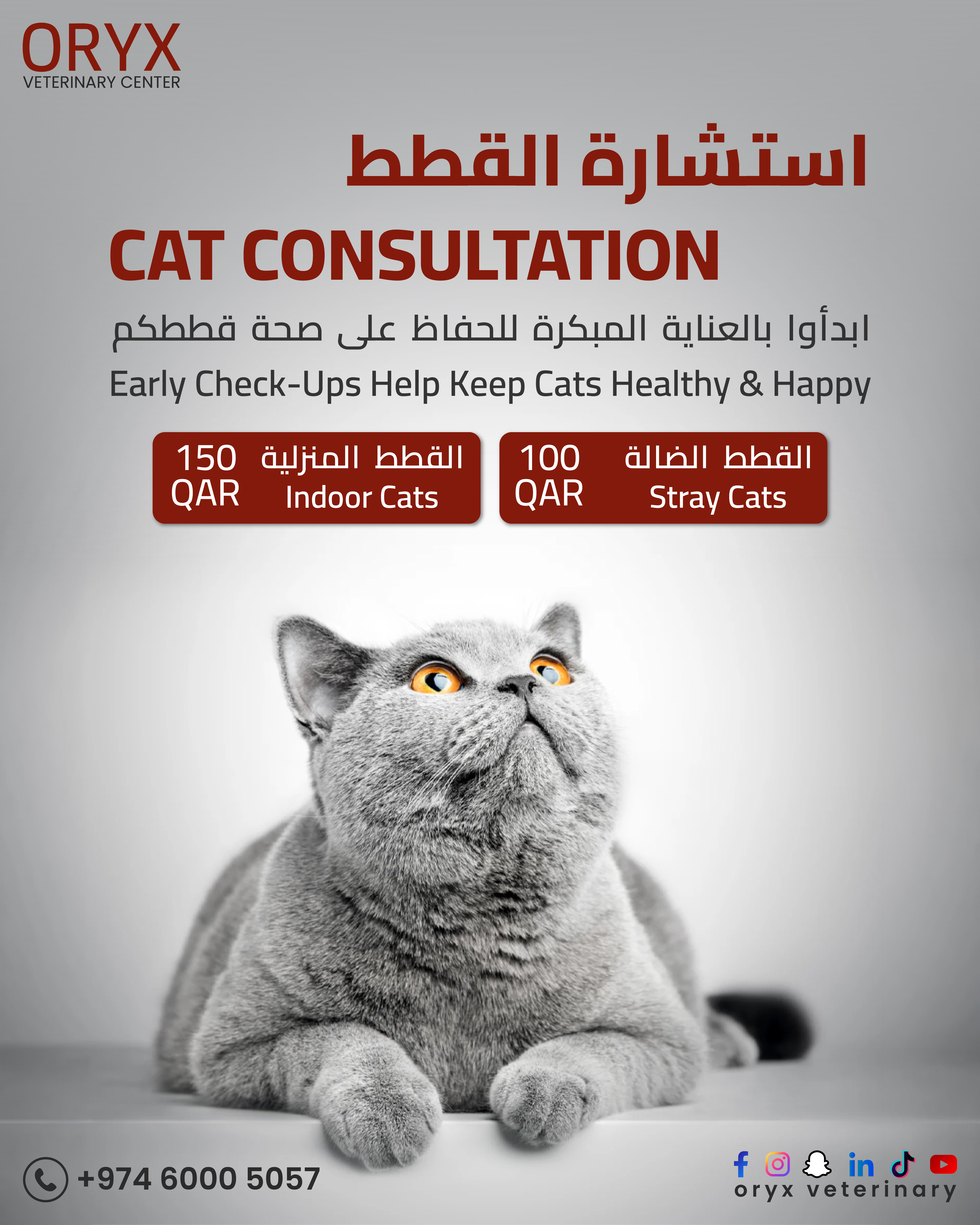
Pet Services
Everything Your Pet Needs, All in One Place | Oryx Veterinary Center
Price on request
Al Aziziya (Doha)
Petcare Services
Petcare services in Qatar help busy families and expats keep their cats, dogs and other companion animals healthy and comfortable in the local climate. In high‑rise apartments in West Bay, The Pearl, Lusail and Msheireb, most owners rely on veterinary clinics for vaccinations, surgery and emergency care, as well as grooming salons for regular bathing, clipping and deshedding to cope with summer heat. Many clinics in Doha, Al Sadd and Al Wakrah offer consultation fees starting around QAR 150–250, with vaccinations and dental work priced separately. Clinics must comply with Ministry of Public Health (MoPH) regulations for veterinary practice, and operate under commercial licences issued by the Ministry of Commerce & Industry (MoCI). Residents who travel frequently on Qatar Airways also coordinate with vets for health certificates and microchipping before flights. From basic check‑ups to specialized care, Qatar Living Services helps you find locally licensed petcare providers close to home, near landmarks like Qatar Foundation, Villaggio, City Center Doha, and major residential compounds.
What you'll find
- Veterinary — Clinics across Doha, Lusail and Al Wakrah provide vaccinations, surgery, diagnostics and travel documentation, operating under MoPH and MoCI regulations to keep pets healthy and fit to fly.
- Pet Grooming — Mobile and salon groomers in areas like West Bay, The Pearl and Al Sadd handle bathing, clipping, nail trims and deshedding, tailored to Qatar’s heat and indoor living conditions.
How to choose the right provider
When choosing a petcare provider in Qatar, start by confirming that the business holds a valid MoCI commercial licence and, for veterinary services, is registered with the Ministry of Public Health. Ask for the veterinarian’s qualifications and years of experience, especially for surgery, dental work or complex cases. Good clinics explain treatment options clearly, provide written estimates, and keep detailed medical records you can access digitally or in print. Check how they manage emergencies outside regular hours, and whether they can issue official health certificates and vaccination booklets for travel on Qatar Airways or across land borders. For grooming, look for clean, air‑conditioned facilities, gentle handling, and products suitable for sensitive skin, particularly important in Doha’s hot, dusty climate. Red flags include overcrowded waiting areas, poor hygiene, unclear pricing, and reluctance to answer questions. Strong providers communicate in Arabic and English, offer transparent QAR‑based pricing, and are comfortable coordinating with other local institutions like municipal veterinarians or pet relocation companies when needed.
What to expect
A typical petcare journey in Qatar starts with an online search or recommendation, followed by WhatsApp or phone contact to a clinic or grooming salon in your area, such as Al Sadd, Lusail or The Pearl. Reception staff usually ask for your pet’s species, age, vaccination history and any previous conditions before suggesting an appointment slot. For non‑urgent care, you may wait a few days; emergency cases are triaged immediately if the clinic has 24/7 cover. At your visit, you’ll complete a registration form, then the vet or groomer explains the procedure and estimated costs in QAR. Payment is commonly made after the service via cash, bank transfer, card or QPay; some clinics require deposits for surgery or long procedures. You’ll receive a vaccination card or digital record, plus instructions for follow‑up checks or next grooming sessions. Many providers offer WhatsApp updates, photos and reminders, which is helpful for owners in busy areas like West Bay or Education City. Repeat visits build a history, making future diagnoses and travel paperwork faster.
Frequently asked questions
How much does basic veterinary care for a cat or dog usually cost in Qatar?
Prices vary by clinic and location, but most pet owners in Doha, Lusail and Al Wakrah can expect a standard consultation to fall in the range of about QAR 150–250, with vaccinations and tests charged separately. Routine vaccines such as rabies, core dog or cat boosters often add QAR 100–250 per shot, while blood tests, X‑rays or ultrasound can bring the total for a visit into the QAR 400–800 range depending on complexity. Dental cleaning, spay/neuter surgery or orthopedic procedures will be higher and are normally quoted in advance after an examination. Clinics operating in high‑rent areas like West Bay and The Pearl may charge toward the top of these ranges. Always ask for a written estimate and confirm what is included, and whether follow‑up visits are billed separately.
What regulations apply to veterinary clinics and petcare providers in Qatar?
Veterinary clinics must operate under a valid commercial licence issued by the Ministry of Commerce & Industry (MoCI) and comply with Ministry of Public Health (MoPH) regulations for animal health services. This covers issues such as the qualifications of veterinarians, safe use and storage of medicines, and clinical hygiene standards. Facilities may also need municipal approvals for building safety and animal housing. While groomers and pet sitters are not directly supervised by MoPH, they still require MoCI licensing and adherence to basic health and safety rules, including proper waste disposal and air‑conditioned premises in the summer heat. When clinics issue official health certificates, vaccination records or microchip documentation for travel, they follow MoPH and destination‑country requirements, particularly for flights with Qatar Airways. Customers should not hesitate to ask providers to show proof of licensing and any relevant veterinary registration.
How do I prepare my pet for international travel from Doha with Qatar Airways?
If you’re flying with Qatar Airways, you’ll need to coordinate closely with a licensed veterinary clinic well before your departure. The airline requires a health certificate issued by a veterinarian within a short window before travel, confirming your pet is fit to fly, vaccinated and properly identified, typically via microchip. Depending on your destination, rabies and other vaccines may need to be given weeks in advance to meet entry rules. Your vet will update your pet’s vaccination booklet, microchip details and, if needed, arrange blood tests required by some countries. You must also secure an appropriate IATA‑compliant travel crate that fits airline size and ventilation rules. Many clinics in Doha and Al Sadd are familiar with Qatar Airways procedures and can guide you on paperwork, timing and crate selection. Always check both airline and destination‑country regulations, as they can change.
What should I look for in a good pet groomer in Doha or Lusail?
A reliable groomer in Qatar should work from a clean, well‑ventilated, air‑conditioned space, especially given summer temperatures that can exceed 45°C. Check that they use gentle shampoos and conditioners suited to your pet’s coat and skin, and that they understand breed‑specific needs for dogs and cats common in Doha apartments. Good groomers explain each service—bath, haircut, nail trim, ear cleaning—and discuss how often grooming is advisable in Qatar’s dusty environment. Observe how they handle animals: calm, patient treatment and secure, non‑slippery tables are important. Ask about drying methods, as high‑heat dryers are risky in the climate. Reputable providers will give clear QAR‑based prices up front, offer appointment slots that avoid peak heat for mobile services, and maintain records of previous styles or any skin issues noticed. Online reviews and word‑of‑mouth recommendations from neighborhoods like The Pearl, West Bay and Al Sadd are helpful indicators of consistency.
Are there emergency veterinary services available at night and on weekends in Qatar?
Emergency availability depends on the clinic, but a growing number of veterinary centres in Doha and its suburbs offer extended or 24/7 coverage, especially in dense areas like Al Sadd and near major arterial roads. Before an emergency happens, ask your regular clinic what their out‑of‑hours protocol is—some have on‑call vets, others refer you to partner facilities. In an emergency, you’ll usually be asked to go directly to the clinic, where triage is done on arrival; consultation and treatment fees are typically higher than routine visits and must be settled in QAR at the time, often via card, cash or QPay. While pets are not treated at human hospitals such as Hamad Medical Corporation, many pet owners in compounds around Doha keep the number of a dedicated emergency vet saved alongside other household contacts. It is wise to clarify emergency arrangements during your first routine check‑up.
Can I find home‑visit petcare services in Qatar, and how do they work?
Yes, home‑visit petcare is increasingly common in Qatar, particularly in apartment‑dense areas like West Bay, The Pearl and Lusail. Some licensed businesses and independent professionals visit your home for services such as basic health checks coordinated with a clinic, medication administration prescribed by a vet, or grooming, as well as sitting and dog‑walking. The typical process involves contacting the provider via WhatsApp or phone, discussing your pet’s needs and location, and receiving a quote that factors in travel time and service type. You may be asked for vaccination proof and building access details. Many owners choose home visits to avoid transport stress, parking challenges around malls like City Center or The Gate, or scheduling constraints with Doha Metro. Payment is usually done in QAR by cash, bank transfer or QPay at the end of the visit. As always, verify that any medical procedures are overseen by a licensed veterinarian.


.f9acd767.png)