How to Use HMC Hospitals in Qatar: Health Cards, Appointments, Costs and Emergencies
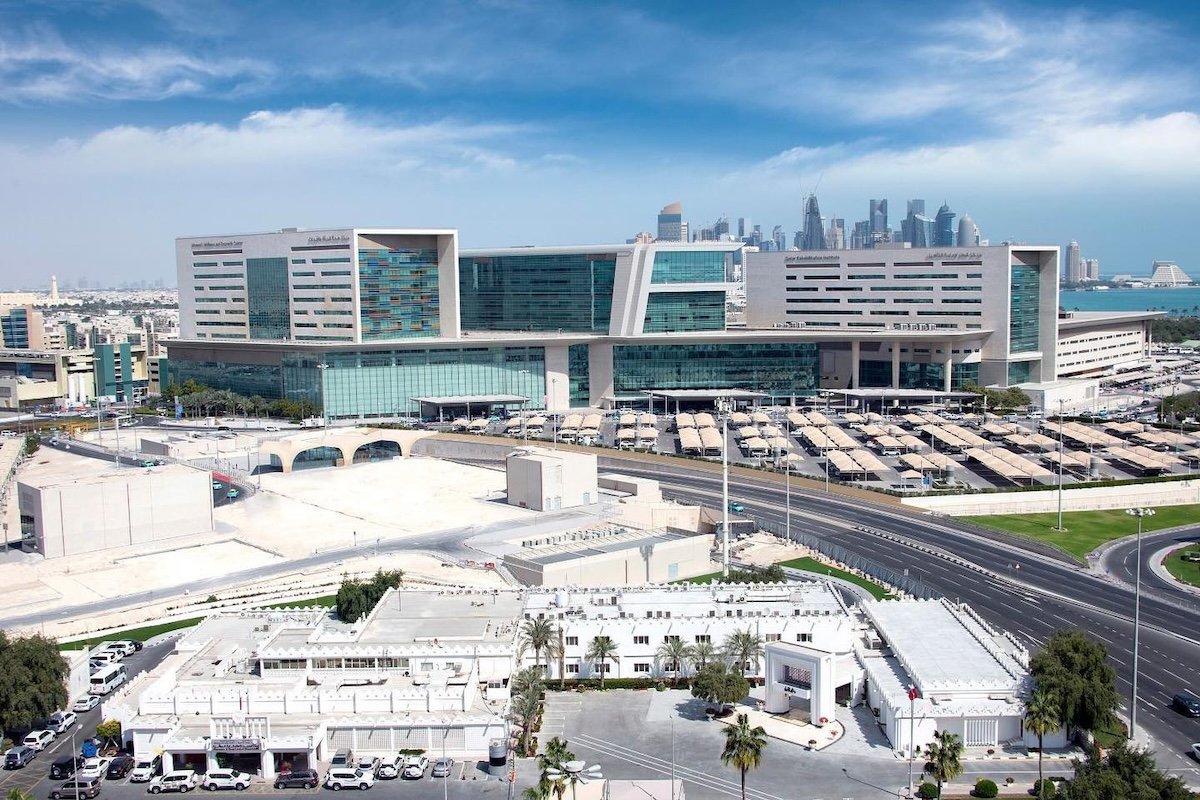
If you are a resident or newcomer wondering how to use Hamad Medical Corporation hospitals in Qatar, the main things you need are a valid Qatar ID, a current health card and, for most specialist services, a medical referral.
Hamad Medical Corporation is Qatar’s principal public hospital provider. Its hospitals deliver emergency care, surgery, maternity services, specialist consultations, rehabilitation and other advanced treatments. Routine medical needs are usually handled first by the Primary Health Care Corporation, while patients requiring hospital or specialist care may be referred to HMC.
This guide explains how to obtain a health card, access an HMC appointment, use emergency services and prepare for your visit.
What is Hamad Medical Corporation?
Hamad Medical Corporation, commonly known as HMC, operates Qatar’s main public hospital network, the national Ambulance Service and a wide range of specialist healthcare services.
Patients commonly visit HMC for:
- Hospital and inpatient treatment
- Specialist outpatient consultations
- Surgery
- Emergency and trauma care
- Maternity and newborn care
- Cancer and cardiac treatment
- Rehabilitation
- Advanced diagnostic and clinical services
For routine concerns such as mild illness, general check-ups, vaccinations and ongoing primary care, residents normally begin with their assigned PHCC health centre.
Key HMC hospitals and what they provide
HMC operates hospitals and specialist facilities across Doha and other parts of Qatar. Some of the main facilities include:
Hamad General Hospital: A major general hospital providing specialist, surgical, trauma and emergency services.
Women’s Wellness and Research Center: Provides specialised care in women’s health, obstetrics, gynaecology, maternity and newborn medicine.
Heart Hospital: HMC’s main specialist facility for cardiology, cardiac surgery and cardiovascular care.
National Center for Cancer Care and Research: Provides specialist cancer diagnosis, treatment and ongoing oncology care.
Rumailah Hospital: A multidisciplinary hospital offering services that include long-term care, elderly care and several medical, surgical and rehabilitation specialities.
Qatar Rehabilitation Institute: HMC’s main specialist rehabilitation facility for adults and children, including patients recovering from strokes, brain injuries and spinal cord injuries.
Al Wakra Hospital: A general hospital serving Al Wakra and communities in southern Qatar.
Al Khor Hospital: A general hospital serving Al Khor and northern communities.
Aisha Bint Hamad Al Attiyah Hospital: A large hospital in the north of Qatar offering emergency, surgical, medical, maternity and outpatient services.
Hazm Mebaireek General Hospital: A general hospital providing emergency, inpatient, outpatient and surgical care.
This is not the full HMC network. Your referral or appointment confirmation should state the exact hospital, building and clinic you need to visit. Several facilities are located within Hamad Medical City, but others are in different parts of the country.
Before you go: the health card you need
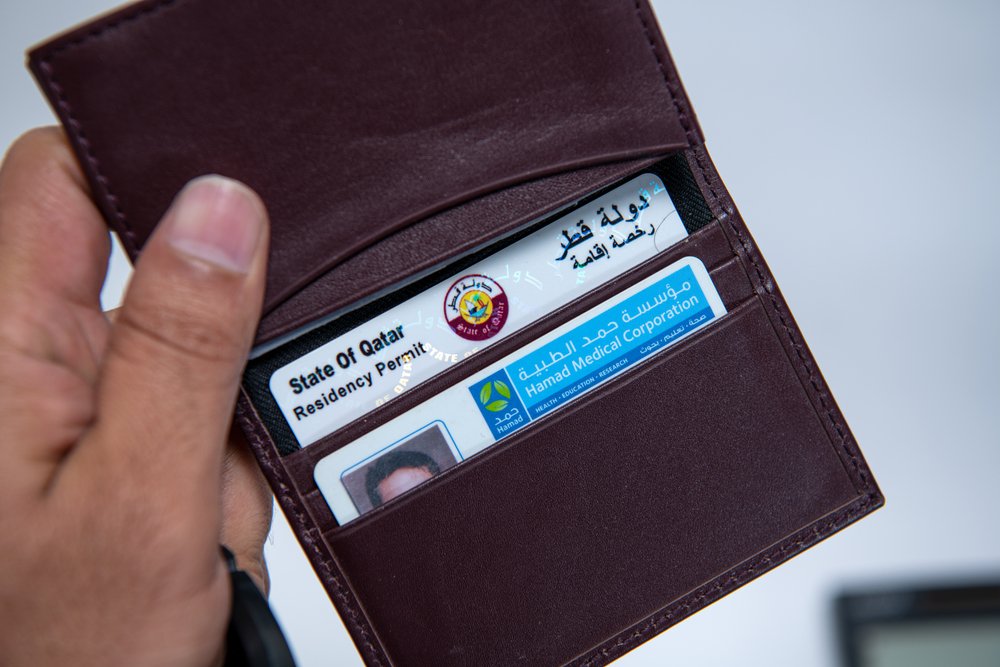
A health card allows citizens and residents to access services at PHCC health centres and HMC facilities at subsidised rates. It is separate from your Qatar ID and should be kept valid for planned appointments, treatment and government-pharmacy services.
Having a health card does not mean that every service is free. Consultations, tests, procedures, medicines and hospital services may still carry charges depending on your eligibility and the treatment provided.
For emergencies, do not delay seeking help because you do not have your card with you. Administrative and payment matters can be addressed after urgent care has been provided.
How to apply for a health card
Residents can request a new health card through the PHCC Nar’aakom app or the PHCC website.
The online process generally involves:
- Signing in through Qatar’s National Authentication System using your QID.
- Choosing the new health-card service.
- Selecting whether the application is for you or an eligible dependent.
- Entering the required personal and contact information.
- Uploading a copy of the applicant’s QID.
- Uploading proof of address, such as a rental contract or Kahramaa bill.
- Submitting the application and following the collection and payment instructions.
PHCC currently states that the applicant’s QID must be valid for at least one year to use the online service. The health centre assigned to you will be determined by your residential address and PHCC’s patient-registration policy.
Applications may also be handled at a PHCC health centre. Depending on the applicant’s category, you may be asked for:
- A valid QID
- A recent 4cm by 3cm photograph
- Proof of residential address
- A child’s vaccination card for a first application, where applicable
- The sponsor’s QID for certain dependent or domestic-worker applications
- A credit or debit card for payment
Confirm the required documents before visiting, as requirements can differ by applicant category.
How much does a health card cost?
The currently listed fees include:
- Most non-Qatari residents: QAR 100
- Qatari citizens and GCC nationals: QAR 50
- Certain domestic or manual-worker categories: QAR 50
The applicable amount depends on the applicant’s official category.
Health cards can be renewed online through the Hukoomi health-card service or in person at PHCC health centres and HMC facilities. Check the expiry date before an appointment and renew early when necessary.
How to get an HMC specialist appointment
Most HMC specialist outpatient appointments require a referral. Patients cannot normally visit a specialist clinic without both a referral and a confirmed appointment.
Referrals from PHCC
When a PHCC doctor refers you to HMC, the referral is generally transferred to HMC electronically. HMC reviews the referral and contacts you with the appointment date, time and location.
The appointment date depends on the speciality, the clinical urgency of the case and available capacity.
Referrals from private clinics
A private doctor can also refer a patient to HMC. The referral documents may need to be submitted to the appropriate HMC clinic or Referral Management Office.
Contact the Nesma’ak Patient Contact Center on 16060 if you are unsure where to submit a private referral or have not received information about an existing referral.
Using the Lbaih app
Lbaih is HMC’s patient application. Patients sign in using their National Authentication System credentials.
Depending on the services available for your account, the app may allow you to:
- View upcoming HMC appointments
- Submit a request to reschedule or cancel an appointment
- Receive appointment reminders
- Access parts of your HMC medical record through MyHealth
- View health-card information
- Communicate with Nesma’ak
- Request eligible prescription refills and delivery
Lbaih does not currently allow patients to book their first specialist appointment directly. The initial appointment is normally arranged after HMC processes a referral.
A cancellation or rescheduling request submitted through the app is also not necessarily confirmed immediately. HMC will contact you to confirm the change.
Changing or cancelling an appointment
To change or cancel an HMC outpatient appointment:
- Submit a request through Lbaih; or
- Call Nesma’ak on 16060.
Contact HMC as early as possible if you cannot attend. This allows the appointment to be rearranged and the original slot to be offered to another patient.
On the day of your appointment
HMC advises patients to arrive around 30 minutes before a specialist appointment to allow time for registration and any nursing assessment.
Check your appointment message carefully, as HMC facilities may contain several buildings, entrances and clinics.
Bring:
- Your valid Qatar ID
- Your valid health card
- Your appointment confirmation
- A copy of the referral for a first appointment, where provided
- Any required payment method
- A list of your current medicines
- Details of allergies or previous reactions
- Relevant test results, scans and medical reports
- The child’s vaccination card for paediatric appointments, where requested
You may also bring a relative or friend for support. Contact the clinic in advance if you have mobility, accessibility or communication requirements.
Using HMC emergency services
Call 999 immediately if someone is seriously ill, badly injured or experiencing a potentially life-threatening emergency.
Examples include:
- Severe chest pain
- Serious difficulty breathing
- Signs of a stroke
- Major bleeding
- Loss of consciousness
- Severe trauma or burns
- A serious allergic reaction affecting breathing
The Ambulance Service will assess the situation and transport the patient to an appropriate emergency department when necessary.
HMC emergency departments assess patients through triage. The most serious cases are treated first, so patients with less urgent conditions may wait longer.
HMC operates emergency departments at several hospitals, including Hamad General Hospital, Al Wakra Hospital, Hazm Mebaireek General Hospital and Aisha Bint Hamad Al Attiyah Hospital. The Women’s Wellness and Research Center emergency department is specifically for obstetric and gynaecological emergencies.
Dedicated paediatric emergency centres provide urgent care for children under 14. Children with major trauma or burns may be directed to a hospital emergency department instead.
For mild or routine conditions, an assigned PHCC health centre or suitable urgent-care service may be more appropriate than a hospital emergency department.
What does treatment at HMC cost?
A valid health card provides access to subsidised public healthcare, but it does not create one fixed price for all HMC services.
Charges may depend on:
- Whether the health card is valid
- The patient’s nationality and eligibility category
- Whether the visit is outpatient, inpatient or emergency care
- The clinic or speciality
- Tests, scans and laboratory services
- Procedures or surgery
- Medicines and medical supplies
- Room or admission arrangements
- Insurance or exemption status
Patients without a valid health card may face higher charges for planned and non-emergency treatment.
Ask the clinic or cashier about costs before a planned procedure whenever possible, particularly if you need surgery, admission, imaging or specialised treatment.
Tips for a smoother HMC visit
- Confirm the hospital, building, floor and clinic before travelling.
- Check that your Qatar ID and health card are valid.
- Arrive at the time stated in your appointment instructions.
- Keep your mobile number updated so HMC can contact you.
- Use Lbaih to check appointment information and medical records.
- Call 16060 if you need to change an appointment or check an existing referral.
- Bring relevant reports rather than relying on memory.
- Ask about charges before non-urgent tests or procedures.
- Call 999 instead of driving yourself if the situation is life-threatening.
FAQs
Do I need a health card to use HMC hospitals?
A valid health card is required for normal access to subsidised HMC and PHCC services. In a genuine emergency, seek care immediately even if the card is unavailable or expired.
How much does a health card cost?
The listed fee is QAR 100 for most non-Qatari residents. QAR 50 applies to Qataris, GCC nationals and certain domestic or manual-worker categories.
Is the health card issued automatically with my residency?
No. The health card is separate from your residency, Qatar ID and Medical Commission procedures. You normally need to request it through PHCC after obtaining an eligible QID.
Can I go directly to an HMC specialist?
Most specialist outpatient clinics require a referral and a confirmed appointment. The referral may come from PHCC, a private doctor, an HMC emergency department or another authorised healthcare provider.
Can I book my first appointment through Lbaih?
No. Lbaih currently allows patients to view appointments and submit requests to change or cancel them. A first specialist appointment is usually arranged by HMC after a referral has been reviewed.
What number should I call about an HMC appointment?
Call the Nesma’ak Patient Contact Center on 16060 for appointment, referral and patient-service enquiries.
What number should I call for an ambulance?
Call 999 for serious or life-threatening emergencies.
Which HMC hospital should I visit?
For a specialist appointment, attend the hospital and clinic stated in your confirmation. For a life-threatening emergency, call 999 so the Ambulance Service can direct or transport the patient to the appropriate facility. For less urgent care, contact your assigned PHCC health centre or the relevant healthcare service.
--
About Qatar Living:
Since 2005, Qatar Living has been the trusted destination for everything Qatar. As the country's largest online community and marketplace, Qatar Living connects people with opportunities through jobs, property, vehicles, services, classifieds, events, local insights, and breaking news. Trusted by residents, newcomers, visitors, and businesses alike, Qatar Living brings Qatar together in one place.
Instagram - @qatarliving
X - @qatarliving
Facebook - Qatar Living
YouTube - qatarlivingofficial
Up Next
Health Card in Qatar: Apply, Renew & Use It
Your guide to the health card in Qatar: fixed fees, documents, how to apply and renew online via Nar'aakom and Hukoomi, validity and replacement costs.
Aug 2,2026
Qatar Expat Health Insurance 2026: Costs & Rules
Qatar expat health insurance 2026: coverage types, typical costs in QAR and what your employer must pay under the mandatory scheme. A clear expat guide.
Jul 27,2026
Heat Safety and Hydration Tips for Expats in Qatar
Summer hydration and heat safety for expats in Qatar: medical tips to beat Doha's heat, spot heat exhaustion and know when to call 999.
Jul 12,2026