
A suspected hantavirus outbreak linked to the expedition cruise ship MV Hondius has drawn international attention after several passengers developed severe illness during a voyage in the Atlantic.
Health authorities, including the World Health Organization (WHO), say investigations are ongoing and that the overall risk to the wider public remains low.
Here is a look at what hantavirus is, how it spreads, its symptoms, and what officials have confirmed so far about the cases linked to the ship.
SHOULD PEOPLE BE WORRIED?
The WHO says the risk posed by hantavirus to the general public remains low.
WHO Regional Director for Europe Dr Hans Henri P Kluge said there was ‘no need for panic or travel restrictions.’
Health authorities continue to investigate the cases linked to the MV Hondius while monitoring passengers and close contacts.
WHAT HAPPENED ON THE MV HONDIUS?

The MV Hondius, a Netherlands-based expedition cruise ship, had been travelling from Ushuaia, Argentina, toward Cape Verde when several passengers became ill.
Five hantavirus infection linked to the ship have been confirmed. Of the eight affected individuals, three died and one was receiving intensive care treatment in South Africa.
The WHO said further laboratory testing, virus sequencing, and epidemiological investigations were continuing. At present, health authorities have not publicly confirmed exactly how the infections occurred.
WHAT IS HANTAVIRUS?

Hantavirus refers to a group of viruses carried mainly by rodents. It was first identified in the 1970s, near the Hantan River in South Korea, from which its name is derived.
In humans, hantaviruses can cause two major illnesses. While Hantavirus Pulmonary Syndrome (HPS) mainly affects the lungs, causing severe breathing problems, Hemorrhagic Fever with Renal Syndrome (HFRS) affects the kidneys and can range from mild to severe illness. HPS has a fatality rate of around 38 to 40%.
HOW DOES HANTAVIRUS SPREAD?
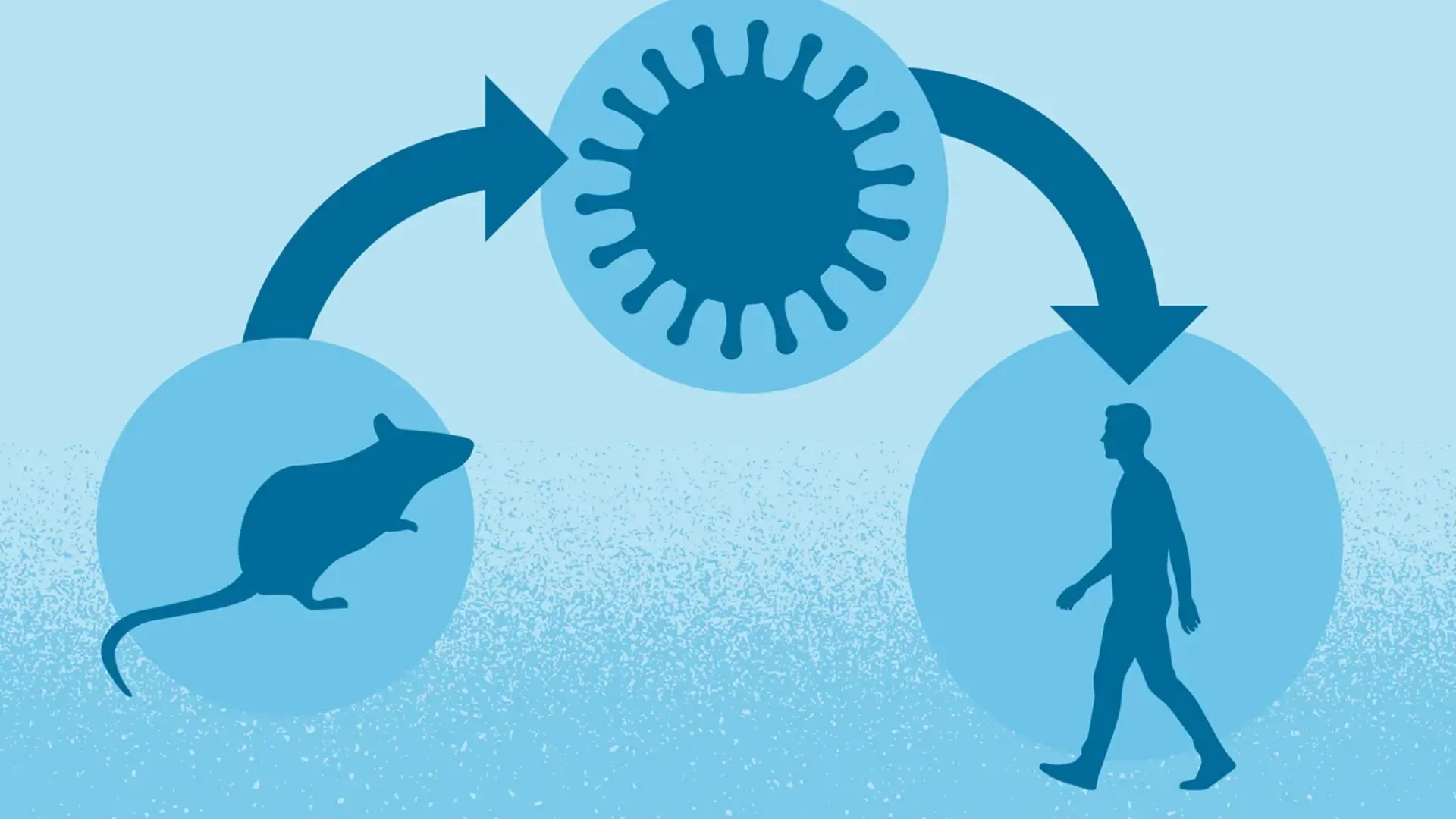
Hantavirus is most commonly spread through contact with infected rodents or their waste.
People can become infected by inhaling airborne particles contaminated with rodent urine, saliva, or droppings, touching contaminated surfaces and then touching their nose or mouth, and rarely, through rodent bites. The WHO says some hantavirus strains can spread between people, but this is rare.
WHAT ARE THE SYMPTOMS?

Symptoms usually appear between one and eight weeks after exposure. Early symptoms may include fever, fatigue, muscle aches, headache, chills and nausea. Patients with HPS can later develop coughing, shortness of breath and fluid buildup in the lungs. Early symptoms can resemble influenza, making early diagnosis difficult.
WHERE IS HANTAVIRUS COMMONLY FOUND?
Different hantavirus strains are found in different parts of the world. HPS is more commonly reported in North and South America. HFRS is more common in Europe and Asia.
IS THERE A TREATMENT OR VACCINE?

There is currently no specific cure or widely approved vaccine for hantavirus infection.
Treatment focuses on supportive medical care, including oxygen therapy, intravenous fluids, intensive care support and mechanical ventilation (in severe cases). Health experts say early medical treatment improves survival chances.
HOW CAN HANTAVIRUS BE PREVENTED?
Public health agencies recommend reducing exposure to rodents and their waste.
Recommended precautions include sealing buildings to prevent rodent entry, safely cleaning rodent droppings with disinfectants, avoiding sweeping or vacuuming dried droppings, which can release contaminated particles into the air and wearing gloves and masks while cleaning contaminated areas.
---
Stay updated with the latest news, events, sports updates, business insights, real estate and lifestyle stories on Qatar Living - the leading online platform for residents, expats, and visitors in Qatar.
Follow Qatar Living for daily updates:
Instagram - @qatarliving
X - @qatarliving
Facebook - Qatar Living
YouTube - qatarlivingofficial