GCC waste management market projected to exceed $104bn by 2031
The Statistical Center for the Gulf Cooperation Council (GCC) announced that the waste management market in the Gulf countries last year was estimated at $68.3 billion, with expectations that it will grow to more than $104.06 billion by 2031, at a compound annual rate of 7.29 percent during the period from 2025 to 2031.
In a report, the center explained that the total quantities of waste collected in the GCC countries reached 283.5 million metric tons in 2024, recording an annual increase of 20.4 percent compared to 2023, and the amount of treated waste reached 69.0 million metric tons, achieving an annual growth of 6.2 percent, reflecting the accelerated expansion of treatment, recycling and resource recovery infrastructure in the economies of the Gulf countries.
The report stressed that the waste management sector in the region is rapidly transforming from a mere municipal service to a promising and highly attractive investment market for capital and strategic partnerships with the private sector, especially in the fields of industrial and medical hazardous waste treatment, material recycling, metal and metal vehicle recovery, and refining used oils.
He reviewed the structural distribution of waste flows collected and treated in the GCC countries during 2024, pointing out that non-hazardous waste constituted the largest percentage of the total waste collected in the region, reaching 97.1 percent, compared to 2.9 percent for hazardous waste, and in terms of treatment, the percentage of hazardous waste reached 11.7 percent of the total quantities treated, an increase of 1.8 percentage points compared to 2023, when it was recorded at 9.9 percent, compared to 88.3 percent for non-hazardous waste.
He pointed out the diversity of technical methods used in the treatment of hazardous wastes, as modern methods, including physical and chemical treatment, resale and use, accounted for the largest percentage at 61.1 percent, followed by recycling by 21.6 percent, then environmental sanitary landfill by 15.5 percent, and finally incineration by 1.9 percent.
Construction and demolition waste collected recorded the highest annual growth rate among all the key indicators mentioned in the report, growing by 26.5 percent, reaching 226.6 million metric tons in 2024, compared to 179.1 million tons in 2023, 136.7 million tons in 2022, and 109.9 million tons in 2021.
This growth coincided with the urban boom and infrastructure projects in the GCC countries, as the GDP of construction activities increased from US$130.7 billion in 2021 to US$187.8 billion in 2024, achieving a growth of 43.6 percent, and in parallel, the number of workers in the sector increased from 3.3 million to 4.7 million, an increase of 42.4 percent.
The report highlighted the rapid growth in the Gulf industrial sector, as the amount of industrial hazardous waste produced increased to 6.4 million metric tons in 2024, representing 77.6 percent of the total hazardous waste produced in the region, and the production of hazardous industrial waste recorded an annual growth of 19.5 percent, while the quantities of collected waste increased by 17.6 percent compared to 2023.
This coincided with the growth of the value added of the industrial sector, as the GDP of industrial activities increased from $885.4 billion in 2021 to $1.256 trillion, and the number of workers in the industrial sector increased from 5 million to 7.5 million.
In terms of internationally approved infrastructure for the treatment of industrial hazardous wastes in accordance with the Basel Convention, the GCC includes 28 facilities specialized in the recycling of hazardous industrial wastes and the reclamation of metals and metal compounds, with an average annual growth rate of 20.1 percent during the period from 2019 to 2024, in addition to 43 facilities accredited for the recycling and reuse of used oils, with an average annual change rate of 25.2 percent during the period from 2019 to 2024.
The production of the Gulf health sector of hazardous medical waste reached 134.6 thousand metric tons in a year 2024, representing 1.6 percent of the total hazardous waste produced, and production recorded an annual increase of 14.3 percent, while the amount of collected waste increased by 14.6 percent compared to 2023, and this expansion is related to the growth of the activities of the human health sector, as the GDP of the health sector increased from $63.1 billion in 2019 to $83.9 billion in 2024, and the number of hospitals increased by 10.6 percent from 812 to 898 hospitals, and the total cadres increased Health from 755,000 to 1.054 million workers.
To ensure the safe disposal of waste, the GCC has 27 sites dedicated to the incineration of hazardous medical waste, with a total design capacity of 176.1 thousand metric tons, and the design capacity grew by 67.1 percent between 2019 and 2024. The sector is governed by the provisions of the Gulf Unified System for the Management of Hazardous Healthcare Waste and its Executive Regulations, which define the controls for the safe sorting, storage, transportation and treatment of eight main types of medical waste, through 23 regulatory articles.
The report indicated that the total municipal waste collected reached 48.8 million metric tons in 2024, achieving a cumulative growth of 5.0 percent during the period from 2017 to 2024, household waste constituted more than 45 percent of the total municipal waste collected, and the amount of municipal solid waste that was disposed of or recycled amounted to 57.8 million tons, of which 52.1 million tons were landfilled by environmental methods and 5.7 million tons were fully recycled, constituting more organic waste of 30 percent of the composition of municipal waste, ranging from 30.6 to 47.0 percent.
In terms of global environmental leadership, the report confirmed that four Gulf countries, namely Qatar, the UAE, Oman and Kuwait, achieved a full global rank (100 out of 100) in the Sustainable Solid Waste Management Index, in the Global Environmental Performance Index (EPI 2026) issued by Yale University, with Bahrain scoring 98.51 and Saudi Arabia 92.27 out of 180 countries.
About Qatar Living:
Since 2005, Qatar Living has been the trusted destination for everything Qatar. As the country's largest online community and marketplace, Qatar Living connects people with opportunities through jobs, property, vehicles, services, classifieds, events, local insights, and breaking news. Trusted by residents, newcomers, visitors, and businesses alike, Qatar Living brings Qatar together in one place.
Instagram - @qatarliving
X - @qatarliving
Facebook - Qatar Living
YouTube - qatarlivingofficial
Up Next
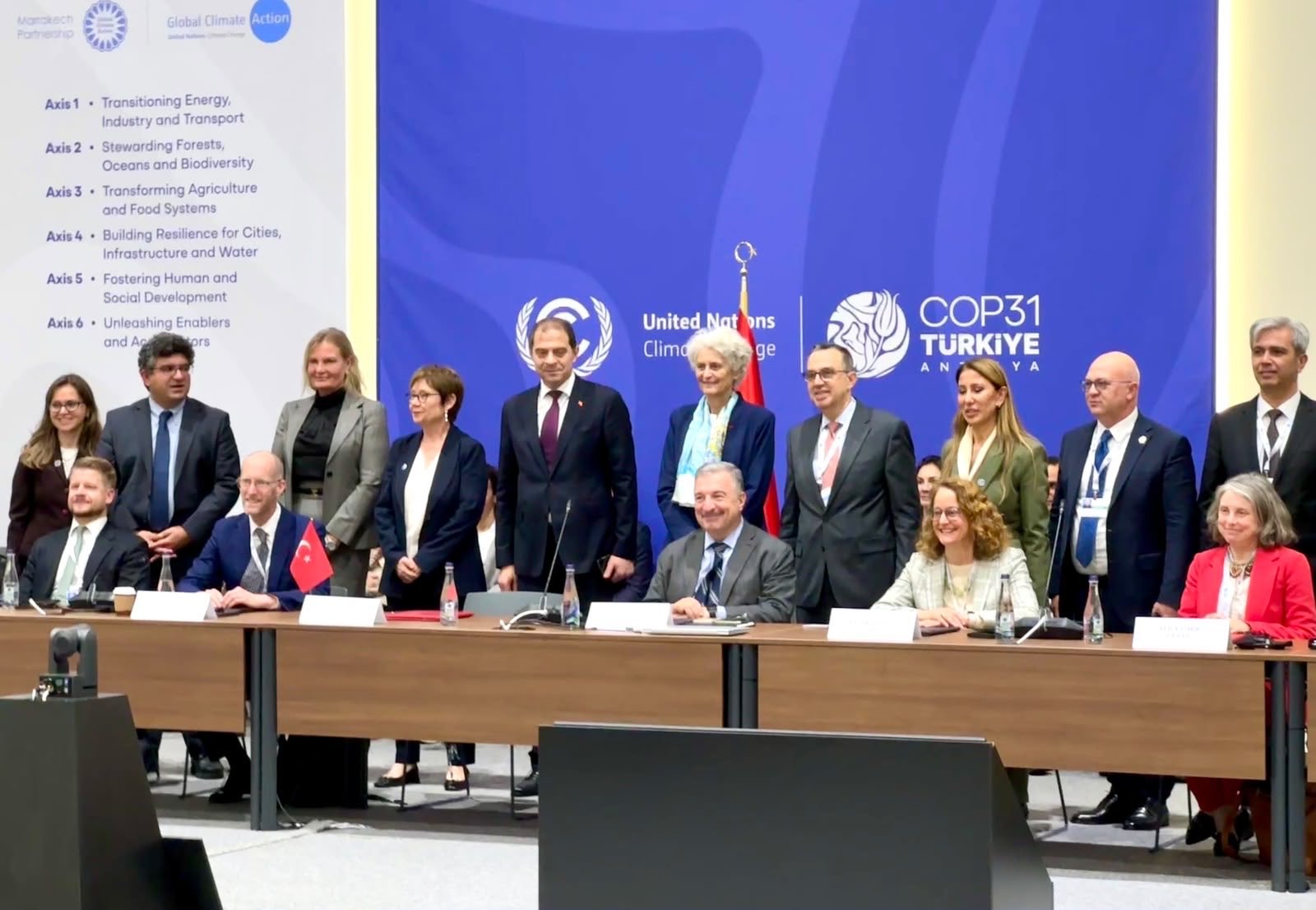
Türkiye launches $300 billion renewable energy investment platform
Turkey launches a $300 billion renewable energy platform with EBRD and global partners to boost clean energy and infrastructure by 2040.
Nov 12,2026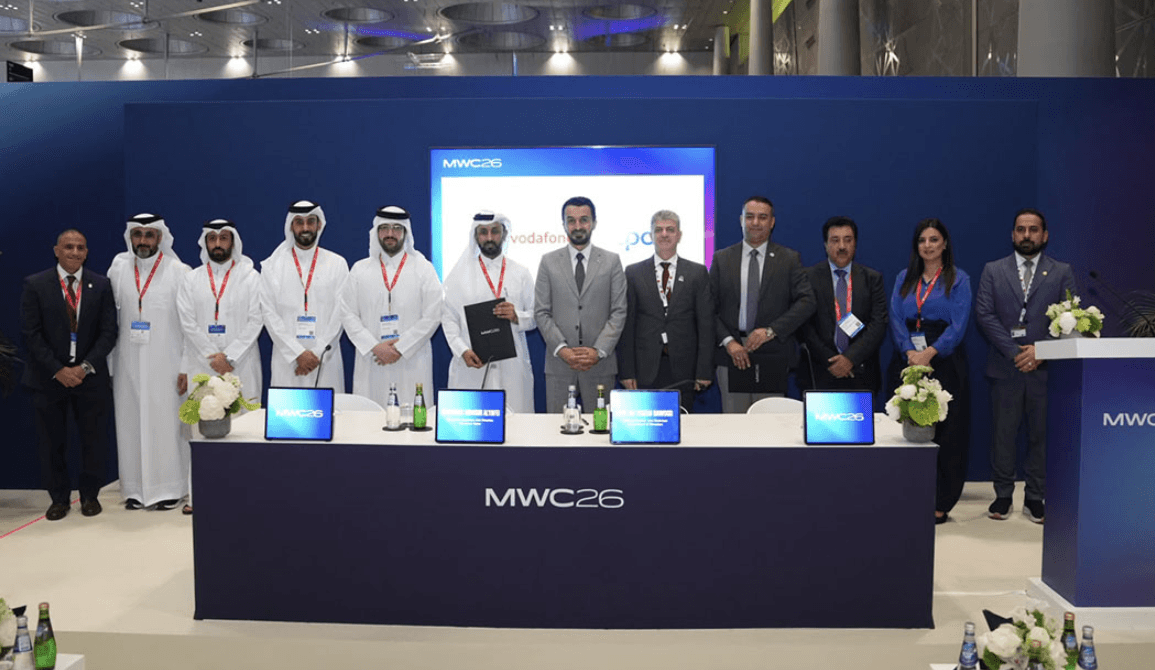
Vodafone Qatar, ITPC Sign Joint Cooperation Agreement
Vodafone Qatar and ITPC sign a cooperation agreement to enhance telecommunications, digital infrastructure, and regional connectivity solutions.
Nov 11,2026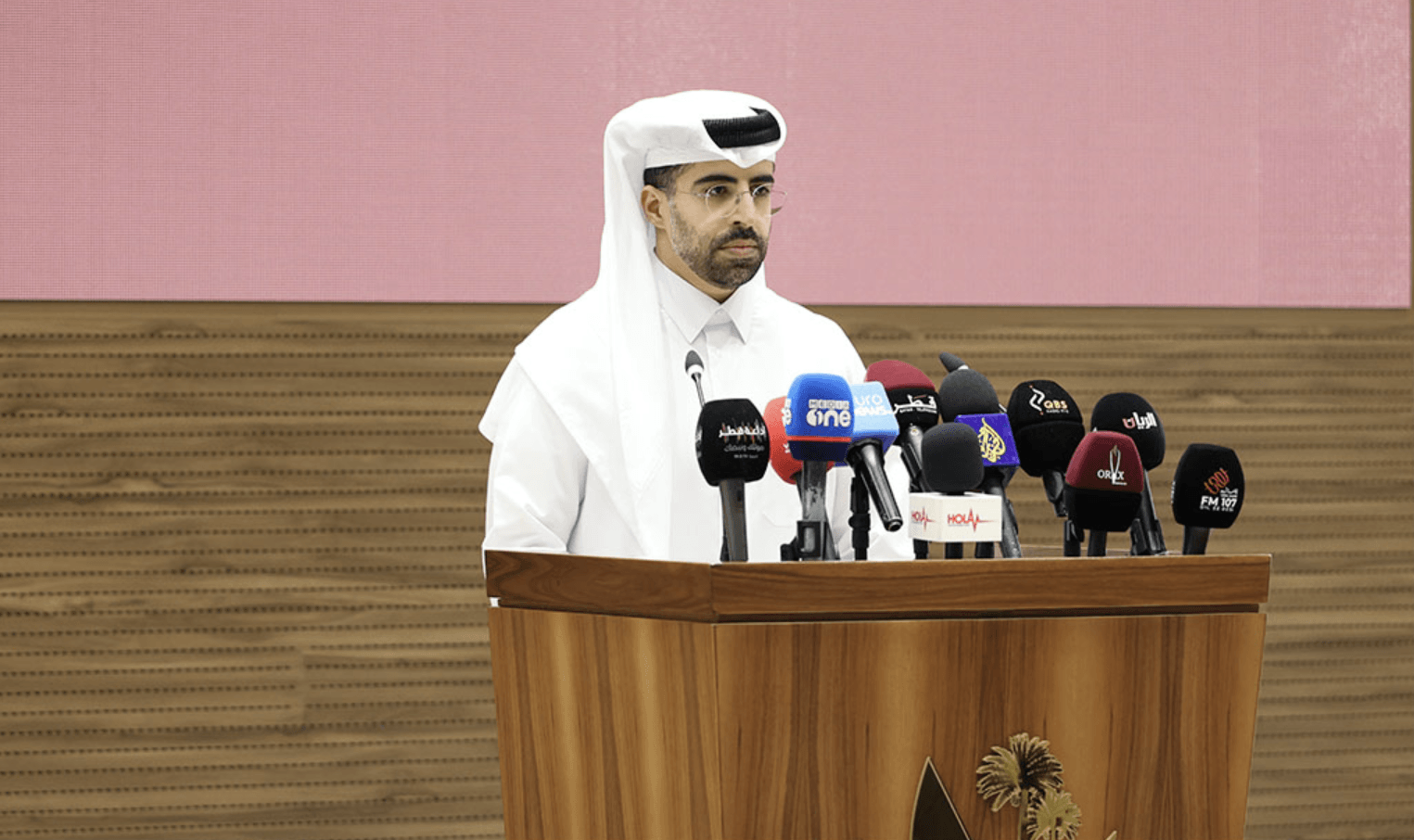
Foreign Ministry: Qatari Mediation Efforts Continue to Bridge Views Between Washington, Tehran
Qatar continues mediation to bridge US-Iran views, with recent meetings in Washington and Tehran aiming for progress in regional negotiations.
Nov 10,2026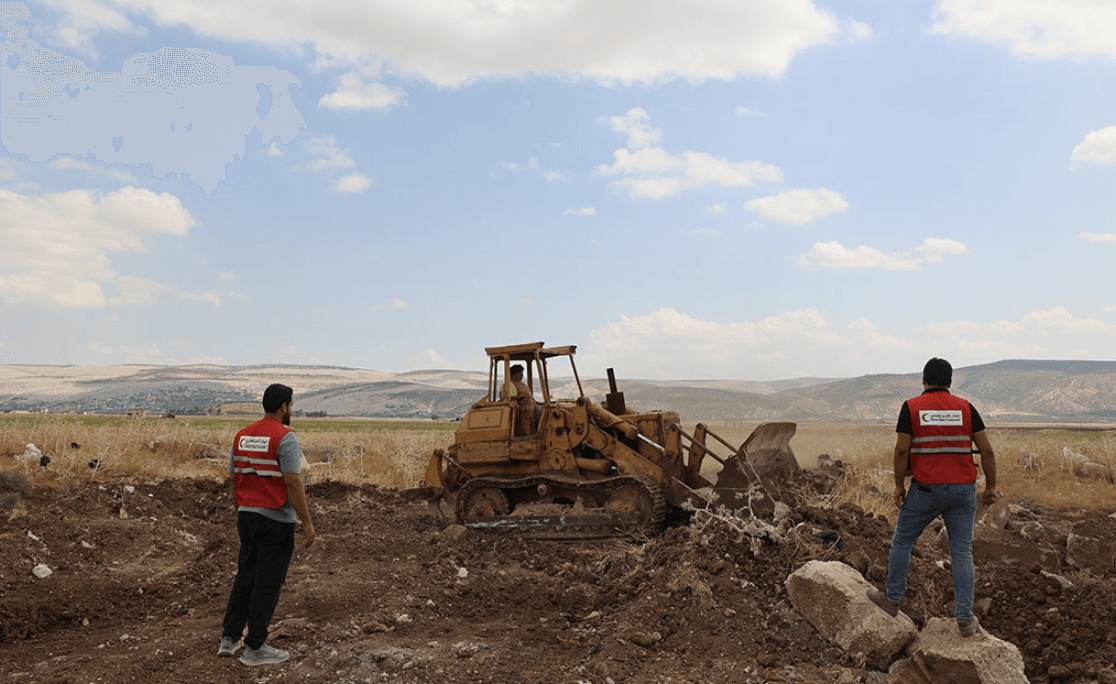
QRCS Launches 2nd Phase of Sustainable Irrigation Project in Northern Syria
QRCS launches phase two of its sustainable irrigation project in northern Syria, boosting food security and supporting local farming communities.
Nov 10,2026