Marble & Tile Floor Care in Qatar Homes: A Guide
If your Doha villa or apartment has marble floors that are becoming dull, cloudy or stained, the solution depends on what caused the problem. A pH-neutral cleaner can remove dirt and product residue, a penetrating sealer may reduce staining in absorbent stone, and professional honing or polishing may be required for scratches, acid etching or worn shine.
Marble is an acid-sensitive, calcium-carbonate-based natural stone. Its porosity and resistance to staining vary depending on the marble type, finish and condition. Qatar’s fine desert dust, repeated foot traffic and unsuitable cleaning products can gradually affect polished surfaces.
This guide to marble and tile floor care in Qatar homes explains how to clean your floors safely, what to avoid, when sealing may be useful and when it is worth calling a professional in Doha.
Why marble and tile need special care in Qatar’s climate
Marble is primarily made from calcium carbonate, which reacts with acidic substances. Lemon juice, vinegar, soft drinks, wine and acidic cleaning products can damage the surface and leave a dull mark known as an etch.
An etch is physical damage to the marble’s finish rather than an ordinary stain.
Sealing does not prevent acid etching. A penetrating sealer can make absorbent stone more resistant to staining by slowing the amount of liquid that enters its pores, giving you more time to clean a spill.
Several factors can make floor maintenance more demanding in Qatar homes:
Desert dust
Fine sand and grit can enter through doors, windows, shoes and outdoor equipment. These particles act as abrasives and can create fine scratches when people walk across polished marble.
Cleaning residue and water marks
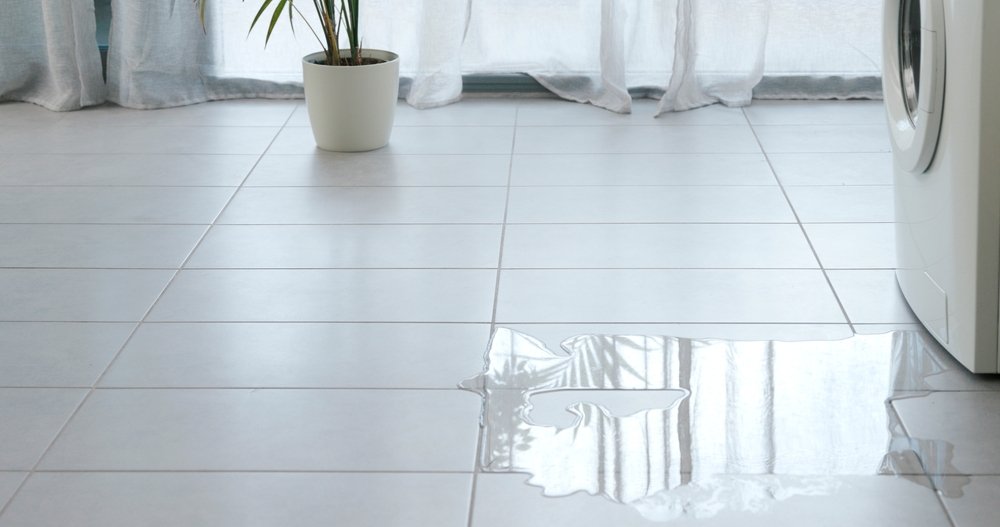
Qatar’s treated water contains controlled levels of minerals, but repeatedly wet-mopping floors and allowing them to air-dry can still leave residue.
Cloudiness may also be caused by:
- Too much cleaning product
- Soap or detergent film
- Household water tanks
- Internal plumbing
- Sealer residue
- Moisture beneath the floor
Do not assume that every cloudy mark is caused by hard water.
Traffic and shoes
Busy entrances, living rooms, kitchens and hallways experience more abrasion than guest rooms or occasionally used formal spaces.
Using entrance mats and leaving outdoor shoes near the door can significantly reduce the amount of sand and grit tracked across the floor.
Bathrooms and entrances also experience repeated moisture exposure. Sealing may reduce staining in absorbent marble and cement-based grout, but persistent dampness, efflorescence or dark patches should be investigated.
Adding more sealer will not correct a plumbing, waterproofing, substrate or installation problem.
The quickest way to check if your floor needs resealing
Before buying a sealer, test the marble’s absorption in a clean, dry and inconspicuous area.
Place a small drop of water on the surface and leave it for approximately 5–30 minutes.
- If the marble darkens as the water is absorbed, the surface may benefit from an appropriate penetrating sealer.
- If the water remains on the surface, the stone may already be sealed or may be naturally dense and less absorbent.
The water-drop test is an indicator rather than a complete diagnosis.
Some dense polished marble may not need sealing. Follow the marble supplier’s guidance and the sealer manufacturer’s instructions instead of relying on a fixed annual schedule.
Daily and weekly cleaning that won’t damage your floors
Good marble care is mostly about using suitable tools and following a consistent routine.
Remove dust and grit frequently
Dust or dry-mop regularly with a clean, untreated microfibre pad or soft dust mop.
In busy areas, this may need to be done daily. Avoid stiff brooms, abrasive pads and tools that can drag sand across the polished surface.
Wipe spills immediately
Blot spills with a soft absorbent cloth instead of rubbing them across the floor.
Citrus juice, vinegar, soft drinks and other acidic liquids can etch marble. Coffee, tea, oils, cosmetics and food may stain if they are absorbed.
Damp-mop with a neutral cleaner
Use warm water and a pH-neutral cleaner specifically approved for natural stone.
Wring the mop well and avoid soaking the floor or leaving water to pool, particularly around grout joints, cracks and damaged sealant.
Too much cleaner can leave a cloudy or sticky film, so follow the dilution instructions carefully.
Dry the floor after cleaning
Use a clean microfibre cloth or dry mop to remove remaining moisture and reduce streaks or residue.
Use entrance mats
Place non-slip mats at frequently used entrances to trap sand and dirt.
Avoid rubber-backed mats or materials that may react with, stain or trap moisture against the stone. Confirm that the mat is suitable for natural-stone flooring.
Protect the floor from furniture
Place felt or non-staining protective pads beneath furniture legs.
Lift furniture instead of dragging chairs, tables or heavy objects across the marble.
Products to use — and what to avoid
Use
Choose products and equipment designed for natural stone, including:
- A pH-neutral marble or stone cleaner
- Warm water
- Microfibre cloths
- Soft dust and damp mops
- Non-abrasive sponges
- A penetrating sealer approved for the specific marble, where sealing is required
Stone-specific cleaners and sealers are available through selected hardware retailers and specialist tile or natural-stone suppliers in Qatar.
Always check that the product is suitable for:
- Marble
- Polished or honed finishes
- Indoor floors
- The existing sealer or surface treatment
Test new products in a hidden area first.
Avoid
Do not routinely use the following on marble:
- Vinegar
- Lemon juice
- Acidic descalers
- Abrasive cleaning powders
- Generic bathroom or toilet cleaners
- Glass-cleaning sprays unless approved for stone
- Scouring pads
- Hard-bristle brushes
- Household steel wool
- Products described as heavy-duty unless specifically approved for natural stone
Bleach and ammonia should not be used as everyday marble cleaners.
Specialist diluted treatments may sometimes be used for specific biological or organic stains, but only with appropriate protective equipment, ventilation and stone-specific instructions.
Never mix bleach and ammonia. The combination produces dangerous fumes.
Sealing and maintenance: why, how often, and what it costs
A penetrating sealer can reduce the rate at which absorbent marble takes in liquids. It does not make the floor waterproof or stain-proof, and it does not restore lost shine.
Sealing will not fix:
- Acid etching
- Scratches
- Worn polish
- Cracks
- Moisture beneath the floor
- Existing stains
- Cloudy sealer residue
Not every marble floor requires regular sealing. The correct interval depends on:
- The type and absorption of the marble
- Whether the finish is polished or honed
- The sealer used
- Surface preparation
- Cleaning chemicals
- Foot traffic
- Manufacturer instructions
A practical approach is to inspect and water-test the floor periodically. Checking every one to two years may be reasonable, but reseal only when the stone begins absorbing water or when required by the sealer manufacturer.
Some heavily used or highly absorbent floors may need attention sooner, while dense polished marble may remain resistant for much longer or may not need sealing at all.
Bathrooms do not automatically require more frequent sealing. Sealing is not a replacement for waterproofing, proper ventilation or repairing leaks.
Applying a sealer
A confident DIYer may be able to seal a small, suitable area, but the process must follow the specific product instructions.
Generally, you should:
- Clean the surface thoroughly.
- Allow the stone and grout to dry completely.
- Test the sealer in an inconspicuous area.
- Wear the recommended gloves and protective equipment.
- Apply the product evenly.
- Keep the surface wet for the specified application period.
- Remove all excess sealer before it dries.
- Follow the required ventilation and curing instructions.
Application times and curing periods vary by product.
Do not assume every sealer should remain on the floor for 10–15 minutes. Leaving excess product to dry can create a sticky, streaky or cloudy surface.
Large floors, previously coated surfaces and floors with unknown treatments are safer to leave to an experienced stone-care contractor.
Stone-sealer prices vary by brand, bottle size and coverage. Check the current retail price and calculate the quantity required for your floor area rather than buying based only on the bottle price.
Removing common stains and etch marks
Different marks require different treatments. Applying the wrong product can make the damage worse.
Water spots and cloudy residue
Start with a pH-neutral stone cleaner, clean water and thorough drying with a microfibre cloth.
If the mark remains, it may be:
- Cleaner film
- Mineral residue
- Sealer haze
- Acid etching
- Efflorescence
- Moisture beneath the surface
Have persistent marks identified before applying a stronger cleaner.
Efflorescence, which can appear as a white powdery deposit, may indicate that moisture is carrying mineral salts through the stone or grout. The underlying moisture source should be investigated.
Oil-based stains
Cooking oil, cosmetics and greasy products may penetrate absorbent stone.
A stone-specific poultice may help draw the stain out. Baking soda may form part of some poultice methods, but the treatment must be suitable for the stone and stain.
A proper poultice generally uses an absorbent material applied in a thick layer and may need 24–48 hours to dry.
Organic stains
Coffee, tea and food stains may respond to a suitable poultice containing an approved oxidising agent such as hydrogen peroxide.
Strong peroxide and stain-removal chemicals require gloves, eye protection and good ventilation.
Test the treatment first and consult a specialist for large, dark, unknown or persistent stains.
Etch marks
Etching is physical surface damage caused by an acidic substance reacting with the marble.
Light etching may sometimes be improved using a marble polishing product approved for the specific finish. Deeper or larger etches generally require professional honing and repolishing.
Do not assume that stain remover will correct an etch.
Polishing, honing and crack repair
Even well-maintained marble may gradually lose its shine because of abrasion, scratches or repeated chemical exposure.
Professional restoration may include:
Honing
Honing uses progressively finer abrasive pads to remove surface damage and produce a smooth matte or satin finish.
It can help correct scratches, etches and uneven wear.
Polishing
Polishing uses finer abrasive stages and specialist compounds to restore a reflective gloss after honing.
Polishing alone may not remove deeper scratches or uneven damage.
Crystallisation
Crystallisation is a specialist chemical-mechanical maintenance process sometimes used on calcium-based stone.
It combines an acidic crystallising compound, mechanical friction and specialist pads or fine professional steel-wool grades to produce gloss.
It is not the same as diamond honing and polishing and may not be suitable for every marble or finish.
Ask the contractor:
- Whether the floor needs honing and polishing or crystallisation
- Which chemicals will be used
- Whether the method is suitable for the marble
- Whether previous sealers or coatings must be removed
- How the surrounding surfaces will be protected
Household steel wool should never be used for marble cleaning. Specialised materials used by restoration professionals require training and controlled procedures.
Crack and chip repair
Cracks and chips may be repaired using colour-matched resin or suitable stone-repair materials.
The cause should be assessed first. Recurring cracks may indicate substrate movement, poor installation or structural stress rather than a simple surface defect.
Stone restoration is specialist machine-based work that may produce slurry, dust and significant mess unless properly contained.
Ask the contractor how the area will be protected, cleaned and ventilated during the work.
Caring for ceramic and porcelain tiles
Ceramic and porcelain tiles are generally more resistant to stains and household wear than marble, but the correct cleaning method still depends on the tile finish, grout and surrounding materials.
Use a neutral cleaner
Clean ceramic and porcelain floors routinely with warm water and a pH-neutral tile-and-grout cleaner.
Do not use vinegar as a general tile-floor cleaner.
Although many glazed tiles can resist mild acids, vinegar and acidic products may affect:
- Cement grout
- Grout sealer
- Decorative finishes
- Metal trims
- Adjacent marble or natural stone
Use acidic or alkaline restoration products only when they are specifically approved for the tile and grout and after testing an inconspicuous area.
Clean grout carefully
Use a soft grout brush and a compatible tile-and-grout cleaner when grout becomes dirty.
A baking-soda paste may be suitable for some unsealed cement grout, but test first and avoid spreading it onto sensitive natural stone.
Dark grout may be caused by dirt, moisture, mould, failed sealant or a leak. Repeated staining should be investigated rather than continually scrubbed.
Seal grout only when required
Most glazed ceramic and porcelain tiles do not require sealing.
Traditional cement-based grout may benefit from a penetrating grout sealer. Epoxy and some high-performance grout systems may not need sealing.
Follow the grout and sealer manufacturer’s recommendations. Test absorbent grout periodically and reapply sealer when water begins to soak in.
Grout sealer may reduce liquid absorption and staining, but it does not guarantee that mould will not develop. Ventilation, drying, regular cleaning and leak repair remain essential.
Repair loose or hollow tiles
Have loose, cracked or extensively hollow-sounding tiles assessed early.
A hollow sound may indicate:
- Voids beneath the tile
- Poor adhesive coverage
- Debonding
- Substrate movement
The tile may need to be lifted and reinstalled. Sealing the grout will not correct a bonding or substrate problem.
DIY vs hiring a professional in Doha
Routine dust removal, neutral cleaning, spill management and light grout maintenance are realistic DIY tasks.
Small-scale sealing may also be suitable for experienced homeowners when:
- The stone has been correctly identified
- The floor is clean and fully dry
- The existing surface treatment is known
- The sealer is approved for the stone
- Manufacturer instructions are followed exactly
Call a professional when you need:
- Full marble restoration
- Deep etch removal
- Scratch removal
- Honing or polishing
- Crystallisation
- Crack and chip repair
- Sealer or coating removal
- Treatment of large or unknown stains
- Investigation of efflorescence or moisture
- Restoration before a property handover
Ask the provider to inspect the floor and explain whether the problem is staining, etching, abrasion, moisture or product residue.
Typical costs in QAR
Floor-care prices vary depending on the total area, stone type, condition, required finish and level of repair.
DIY stone sealer
Stone-sealer prices vary by brand, bottle size and coverage.
Calculate the total amount needed for the floor and check whether the price includes the applicator, cleaner or other preparation products.
Professional deep cleaning
Deep-cleaning prices are usually provided after the company confirms:
- The total floor area
- The stone or tile type
- The floor’s condition
- The amount of furniture to move
- Whether stain treatment is required
- Whether sealing is included
Ask whether the quote includes drying, furniture movement, stain treatment and final protection.
Marble polishing and crystallisation
Basic marble polishing may be advertised from approximately QAR 18–60 per square metre.
Grinding, deep scratch removal, honing, crack filling, coating removal and heavier restoration may cost more, with some market estimates reaching approximately QAR 60–120 per square metre depending on the work required.
These are commercial estimates rather than regulated prices. Minimum job charges may also apply.
Do not compare quotations based only on the price per square metre. Ask each contractor to specify:
- Cleaning
- Grinding stages
- Honing stages
- Polishing method
- Crystallisation, if proposed
- Crack or chip repairs
- Sealing
- Furniture moving
- Cleanup
- Warranty or aftercare
Full villa marble restoration
A full-villa project can cost several thousand riyals depending on the floor area and level of damage.
Request a site visit and written, itemised quotation before accepting the work. Compare at least two or three providers using the same scope.
Stay on top of the simple habits: remove dust and grit frequently, clean with a suitable neutral product, test absorbency before sealing and never use acidic household cleaners on marble.
With the correct routine, marble and tile floors can retain their appearance for years. When the floor needs professional restoration, browse home maintenance and cleaning providers in the Qatar Living Services directory, compare quotations and review the proposed treatment before booking.
FAQs
Can I use vinegar to clean my marble floor in Qatar?
No. Vinegar is acidic and can etch marble, leaving dull marks that ordinary cleaning cannot remove.
Use a pH-neutral cleaner specifically approved for natural stone.
Vinegar should also not be used as a general ceramic or porcelain floor cleaner. Although many glazed tiles tolerate mild acids, vinegar may affect grout, sealers, decorative finishes and nearby natural stone.
How often should I seal marble floors in a Doha home?
There is no universal resealing schedule.
Test the marble’s absorption periodically and follow the product manufacturer’s instructions. Checking every one to two years may be reasonable, but reseal only when the stone begins absorbing water.
Some dense polished marble may not require sealing.
Why do my marble floors look cloudy after mopping?
Cloudiness may be caused by excess cleaner, soap film, water residue, sealer haze, etching or moisture beneath the floor.
Clean a small area with a properly diluted pH-neutral stone cleaner, rinse with clean water and dry it thoroughly.
If the cloudiness remains, have the mark identified before using a stronger product.
Can etch marks on marble be removed?
Light etching may sometimes be improved using a polishing product suitable for the marble and finish.
Deeper etching is physical surface damage and may require professional honing and repolishing.
Is porcelain tile better than marble for Qatar homes?
Porcelain is generally more durable, less absorbent and easier to maintain in high-traffic areas.
Marble offers a natural, premium appearance but requires gentler cleaning and may need professional restoration when it becomes scratched or etched.
The better choice depends on the room, expected traffic, budget and preferred appearance.
Does all grout need sealing every year?
No.
Traditional cement-based grout may benefit from a penetrating sealer, while epoxy and some high-performance grout systems may not need sealing.
Follow the manufacturer’s instructions and reseal absorbent grout when testing shows that it is taking in water.
Where can I find floor cleaning and restoration professionals in Doha?
Browse home maintenance and cleaning providers on Qatar Living Services.
Request an inspection, compare itemised quotations and check whether the proposed service includes cleaning, honing, polishing, crack repair, crystallisation or sealing before booking.
---
About Qatar Living :
Since 2005, Qatar Living has been the trusted destination for everything Qatar. As the country's largest online community and marketplace, Qatar Living connects people with opportunities through jobs, property, vehicles, services, classifieds, events, local insights, and breaking news. Trusted by residents, newcomers, visitors, and businesses alike, Qatar Living brings Qatar together in one place.
Follow Qatar Living for daily updates:
Instagram - @qatarliving
X - @qatarliving
Facebook - Qatar Living
YouTube - qatarlivingofficial
Up Next

Summer Expat Exodus: Buy Used Items in Qatar
Summer expat exodus in Qatar: how to buy used furniture, appliances, TVs and cars from departing residents in July–August, with real QAR prices.
Jul 21,2026
Buying Used Furniture in Qatar: Shop, Check, Haggle
Buying used furniture in Qatar? Where to shop, what to check before you pay, delivery costs and negotiation tips for quality second-hand pieces.
Jul 21,2026
How to Deep Clean a Villa Before Moving Out in Qatar
How to deep clean a villa before moving out in Qatar heat — room-by-room steps, real QAR costs, AC and outdoor tips to protect your deposit.
Jul 21,2026
Furniture Assembly Services Qatar: DIY vs Hire a Pro
Furniture Assembly Services Qatar: when to DIY vs hire a pro. Real QAR costs, time estimates and how to book a trusted handyman in Doha.
Jul 21,2026