Mould & Moisture Prevention in Qatar Homes
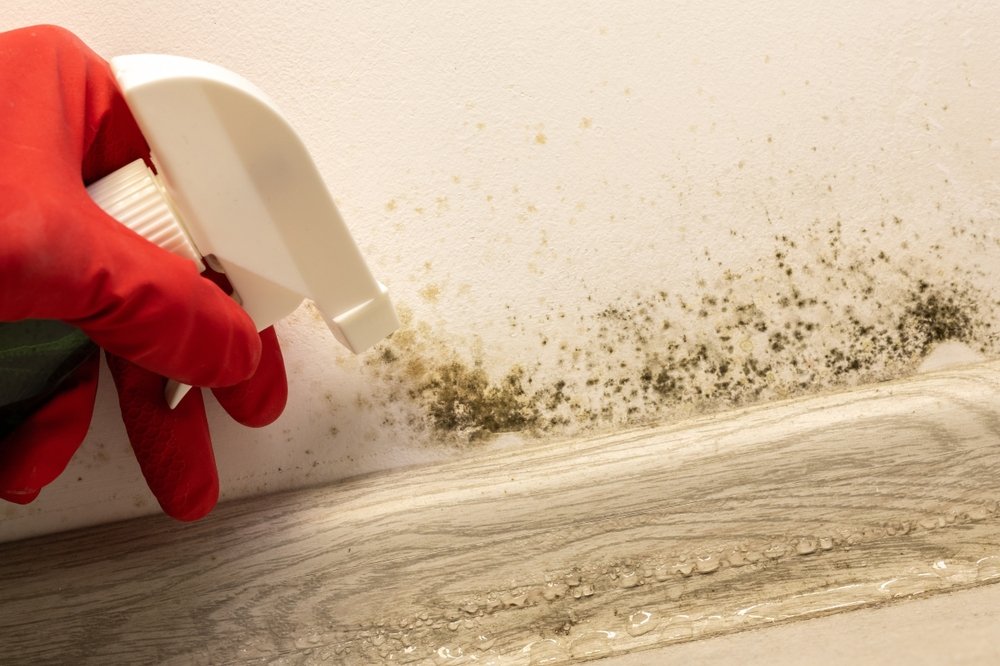
If you've spotted black spots creeping across your bathroom ceiling, a musty smell in the wardrobe, or condensation dripping from your AC vents, you're dealing with one of Qatar's most common household problems: mould and moisture. Most cases are preventable with a few simple habits, and the stubborn ones can be fixed by professionals for a reasonable fee. This guide to mould and moisture prevention in Qatar homes walks you through the DIY tips, warning signs and professional services that keep your Doha home dry, healthy and mould-free.
Why Qatar homes are a mould magnet
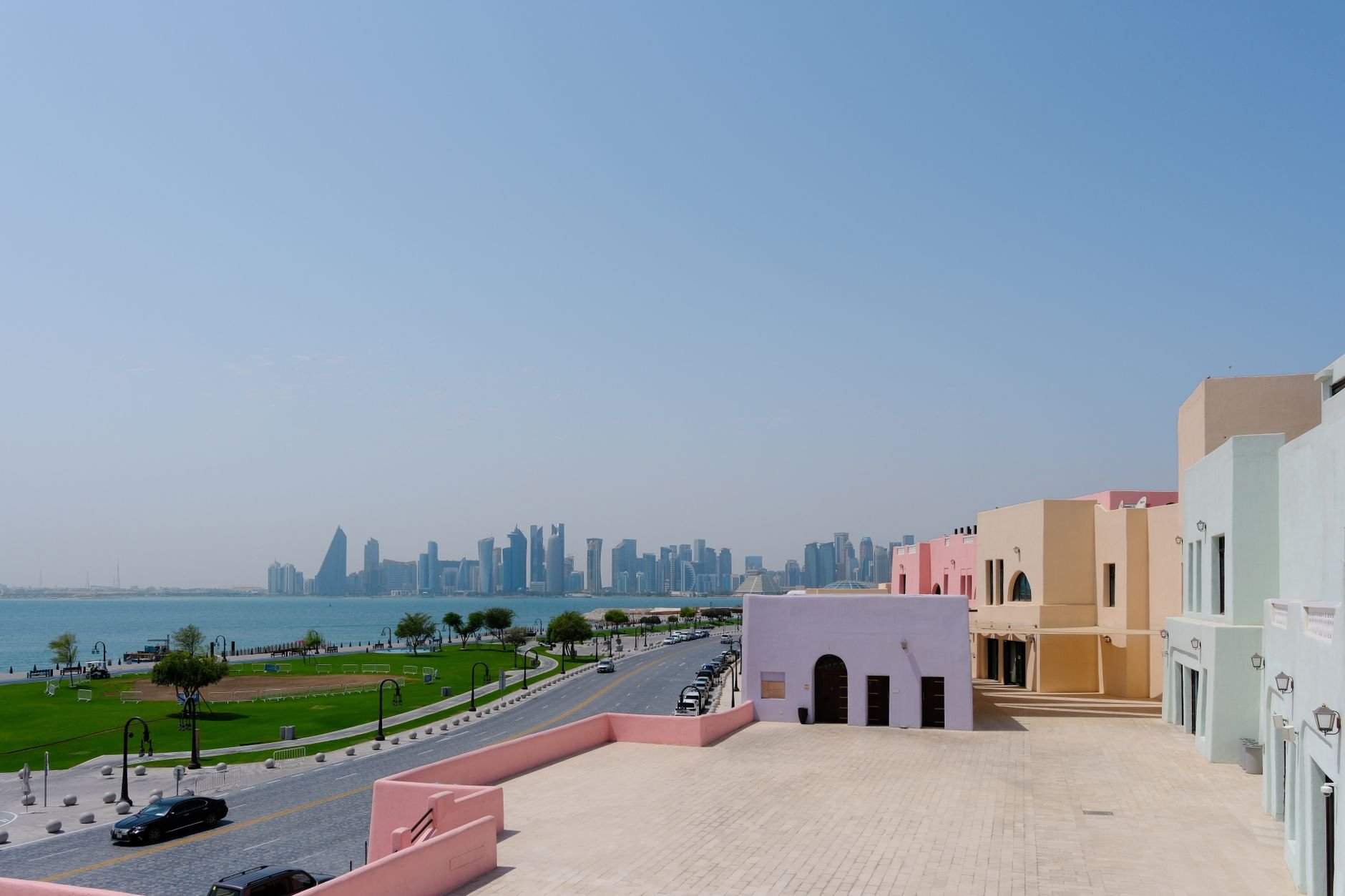
Qatar's climate is close to perfect for mould. Humidity runs high through the long summer, and coastal areas like The Pearl, Lusail Marina and West Bay tend to feel it even more. Mould only needs three things to thrive: moisture, warmth and something to feed on such as dust, drywall, fabric or wood. Homes here supply all three, especially when air conditioning runs non-stop.
Common trouble spots include AC units and ducts, bathrooms with poor ventilation, kitchen cabinets under the sink, wardrobes against external walls, and rooms that stay shut while residents travel over summer. Villas in older neighbourhoods and ground-floor flats are particularly prone to rising damp and condensation.
Early warning signs of mould and moisture
Catch it early and you'll save yourself a costly remediation job. Watch for:
- A musty, earthy smell — often the first clue, even before you see anything.
- Black, green or grey spots on ceilings, grout, silicone sealant or wall corners.
- Peeling paint or bubbling wallpaper, which signals moisture behind the surface.
- Condensation on windows, mirrors or AC vents.
- Persistent allergy symptoms — sneezing, itchy eyes or a scratchy throat that eases when you leave home.
- Damp, cold patches on walls, especially external-facing ones.
DIY mould and moisture prevention tips
Most households can prevent mould entirely with the routines below. None of these need special skills or expensive kit.
Control indoor humidity
- Aim for 40–55% indoor humidity — a small digital hygrometer (typically around QAR 40–80 from electronics shops or online, though prices vary by retailer) makes it easy to monitor.
- Run a dehumidifier in high-risk rooms; a decent home unit typically costs around QAR 300–800 and pays for itself in avoided damage.
- Don't over-cool then switch off — leaving your AC off for hours in summer lets humidity flood back in. Keep it running at a steady temperature.
- Use exhaust fans in bathrooms and kitchens during and after use.
Keep your AC mould-free
Your air conditioner is the number-one mould source in most Doha homes, because it collects moisture and dust in dark, cool spaces.
- Clean or replace filters every 2–4 weeks during summer.
- Wipe the vents and grilles with a mild vinegar solution to kill spores.
- Check the drain line isn't blocked — a clogged condensate drain leaves standing water that breeds mould.
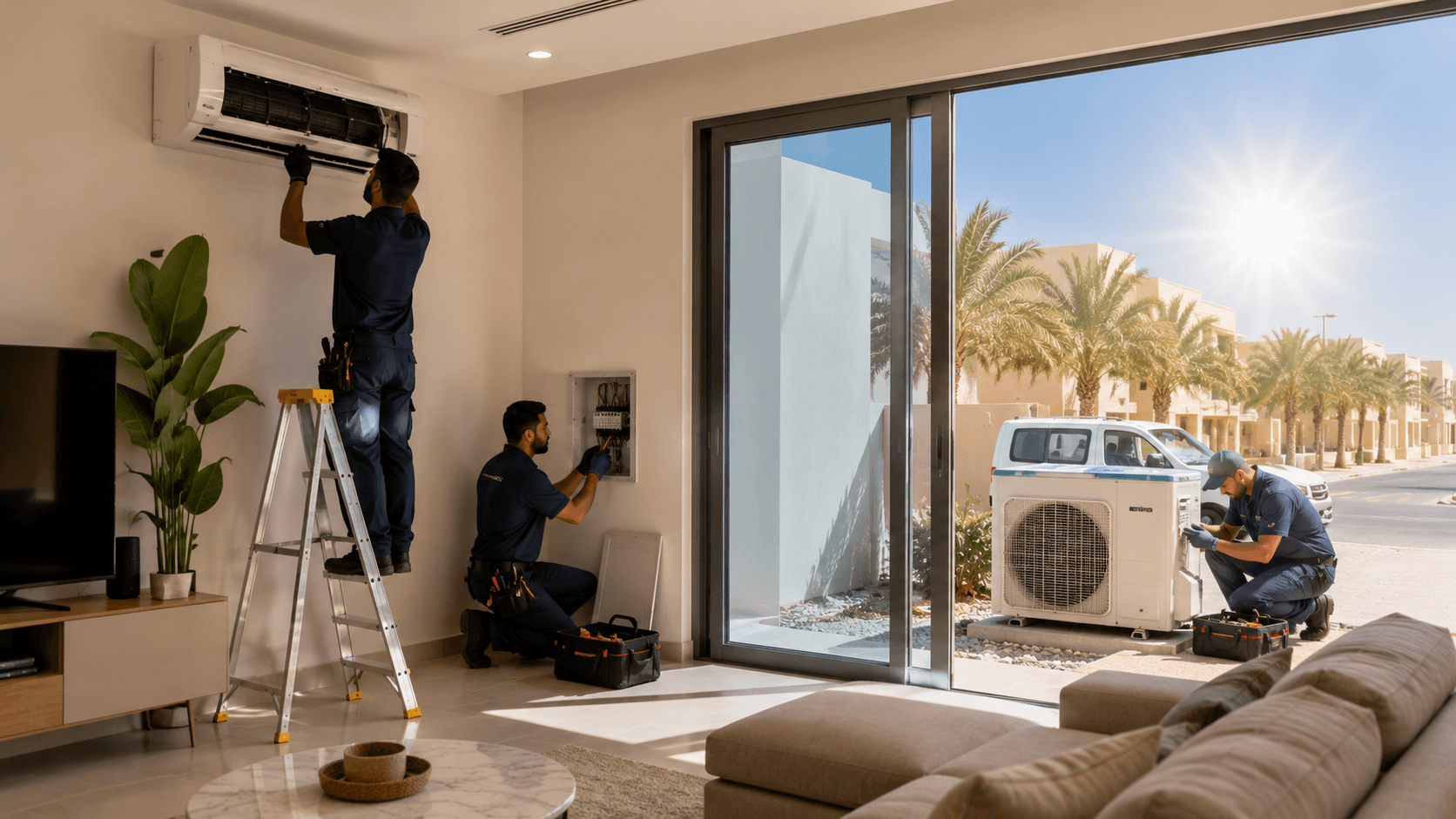
- Book a professional AC deep-clean before and after summer; coil and duct cleaning removes hidden colonies.
Bathroom, kitchen and wardrobe fixes
- Squeegee shower walls and leave the bathroom door open after showering.
- Reseal cracked grout and silicone — gaps trap water and grow black mould fast.
- Leave a gap between furniture and external walls so air can circulate.
- Use moisture absorbers (silica or calcium chloride tubs, typically around QAR 10–25) in wardrobes and cabinets.
- Fix leaks quickly — a slow drip under the kitchen sink is a classic hidden mould cause.
Cleaning existing surface mould safely
For small patches (under about one square metre) on hard surfaces, you can tackle it yourself:
- Open windows and wear gloves and a mask.
- Spray the area with white vinegar or a diluted household mould cleaner and leave for 10–15 minutes.
- Scrub with a stiff brush, then wipe clean and dry thoroughly.
- Never mix bleach with other chemicals, and don't just paint over mould — it will return.
When to call professional mould remediation services
DIY has its limits. Call a professional if:
- The affected area is larger than about one square metre.
- Mould keeps returning after you clean it.
- It has spread into drywall, ceilings, AC ducts or behind tiles.
- Anyone in the home has asthma, allergies or a weakened immune system.
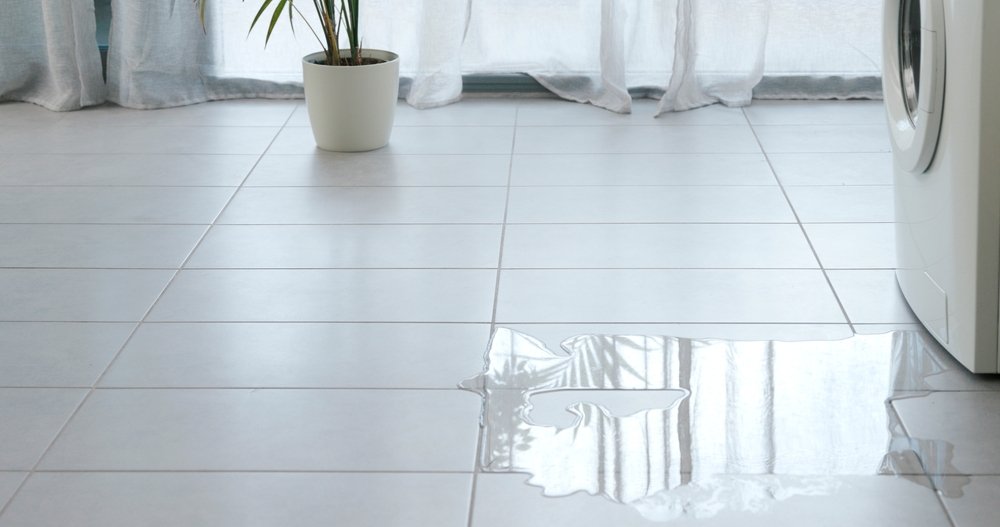
- There's water damage from a leak, flood or burst pipe.
Professional teams use HEPA vacuums, antimicrobial treatments and moisture meters to find and kill the source, not just the surface stain. Many pest-control and cleaning companies in Qatar offer dedicated mould remediation, and it often pairs well with a general home maintenance service.
What professional services cost in Qatar
Prices vary by retailer, supplier and the size of the problem, but as a rough guide:
- Inspection and assessment — often free or typically around QAR 100–200, sometimes waived if you book the treatment.
- Small-area mould treatment — typically around QAR 300–600 for a single room or bathroom.
- Full villa or multi-room remediation — typically around QAR 1,000–3,000+, depending on severity.
- AC coil and duct deep-clean — typically around QAR 150–400
- Dehumidifier hire — typically around QAR 100–200
Always ask for a written quote and confirm whether it covers fixing the underlying moisture source — treating the stain without stopping the leak is money wasted.
How to choose a reliable provider
- Check they're licensed and use certified antimicrobial products safe for homes.
- Ask about a guarantee — reputable firms offer a warranty against regrowth.
- Read reviews and compare at least two or three quotes before committing.
- Confirm they identify the root cause, not just clean the visible mould.
You can compare trusted maintenance and cleaning providers in the Qatar Living services listings, where residents leave reviews of local pros.
FAQs
Is mould common in Qatar homes?
Yes. High summer humidity, constant AC use and coastal moisture make mould one of the most frequent household issues in Doha, especially in bathrooms, wardrobes and around air conditioning units.
Can I remove mould myself?
For small patches on hard surfaces under about one square metre, yes — use vinegar or a household mould cleaner, gloves and a mask. Larger areas, recurring mould or mould in ducts and drywall need professional remediation.
What indoor humidity level prevents mould?
Keep indoor humidity between 40% and 55%. A cheap hygrometer (typically around QAR 40–80) helps you monitor it, and a dehumidifier keeps damp rooms in check.
How much does professional mould removal cost in Qatar?
A single room typically costs around QAR 300–600, while full villa remediation can run from around QAR 1,000 to QAR 3,000 or more depending on how far the mould has spread. Prices vary by provider.
Does my AC cause mould?
It can. Blocked drain lines, dirty filters and moist ducts let mould grow inside the unit and spread spores through your home. Regular filter cleaning and a seasonal deep-clean prevent it.
Will painting over mould get rid of it?
No. Paint only hides mould temporarily; it will bleed back through and keep spreading. You have to kill the mould and fix the moisture source first.
Ready to sort it out? Browse trusted cleaning, AC and maintenance professionals in the Qatar Living services section to book a mould inspection today.
---
About Qatar Living :
Since 2005, Qatar Living has been the trusted destination for everything Qatar. As the country's largest online community and marketplace, Qatar Living connects people with opportunities through jobs, property, vehicles, services, classifieds, events, local insights, and breaking news. Trusted by residents, newcomers, visitors, and businesses alike, Qatar Living brings Qatar together in one place.
Follow Qatar Living for daily updates:
Instagram - @qatarliving
X - @qatarliving
Facebook - Qatar Living
- YouTube - qatarlivingofficial
Up Next
Used Kids' Furniture & Toys Qatar: Safety & Best Buys
Your guide to Qatar's used kids' furniture and toys market — safety standards, recall checks, best places to buy second-hand, and smart haggling tips.
Jul 5,2026
Qatar enters third phase of summer as Al-Haq'ah star rises
Qatar enters the third phase of summer as Al-Haq'ah star rises, bringing intense heat, dry weather, and dust storms across the region.
Jul 3,2026
Gaming Consoles & Tech Resale Value in Qatar 2026
Gaming consoles & tech resale value in Qatar for 2026: real QAR ranges for PS5, Xbox and MacBooks, plus tips to sell fast and avoid scams.
Jul 2,2026
Cleaning Companies in Doha: Costs, Services & Booking
Hiring a cleaning company in Doha? Compare costs in QAR, deep cleaning, maid service & sofa cleaning, plus how to book the right team.
Jul 2,2026