Moving House in Qatar Summer Heat: Protect Your Stuff

Moving house in Qatar during summer means dealing with temperatures that can climb above 45°C, high coastal humidity, fine desert dust and salty air. Get the planning right and your sofa, fridge and TV should arrive in the same condition they left. Get it wrong and prolonged heat, moisture, dust or poor handling can increase the risk of damage to furniture, electronics and appliances.
This guide to moving house in Qatar’s summer heat covers the practical steps you need to protect furniture and appliances when Doha is at its hottest.
Why summer moves in Qatar need a different plan
Between June and September, vehicles, loading areas, garages and storage spaces can become extremely hot, particularly when exposed to direct sunlight. Furniture and appliances are more vulnerable to prolonged heat and sudden temperature changes than many people realise.
Adhesives can soften, timber and veneers can react to changes in temperature and humidity, leather can dry or discolour, and screens and electronics can be damaged if they are left in direct sunlight or an uncooled vehicle for too long.
Refrigerators and other appliances also require careful handling, particularly if they are tilted or laid on their side during transport. A move that would be relatively routine in winter therefore needs additional planning during July and August.
The good news is that a summer move is completely manageable with forward planning, careful packing and a moving company that understands Qatar’s heat-stress requirements.
Time your move to beat the heat
Timing is one of your strongest tools against the summer heat.
Under Qatar’s summer heat-stress rules, covered outdoor work is prohibited between 10am and 3.30pm from June 1 to September 15. Outdoor work must also stop when the Wet-Bulb Globe Temperature exceeds the permitted level, regardless of the time.
Movers may still carry out indoor packing and preparation during restricted hours, but outdoor loading and unloading should be planned around the rules.
Best hours to load and unload
- Start early — aim to begin loading between 5am and 7am when temperatures are generally lower.
- Avoid outdoor loading and unloading between 10am and 3.30pm during the restricted summer period.
- Consider an evening finish — if the move cannot be completed in the morning, pause outdoor work during peak heat and resume later when conditions improve.
- Check traffic and access in advance — use live navigation and confirm loading-bay, parking and service-lift availability at both properties.
- Keep both homes cool — pre-cool the old and new property, minimise the amount of time exterior doors remain open, and move sensitive belongings into the air-conditioned space first.
Protecting wooden furniture from heat and humidity
Qatar’s combination of high temperatures, dry inland conditions and coastal humidity can be difficult for solid wood, veneers and polished finishes. Rapid changes between a heavily air-conditioned apartment and an outdoor loading area can increase the risk of movement in timber, loosened joints, lifted veneers or surface damage.
- Wrap furniture properly — place clean moving blankets or cotton sheets directly around wooden items. Plastic stretch film can be used as a temporary outer layer to hold the blankets in place and keep out dust, but avoid trapping moisture underneath it.
- Disassemble what you can — beds, dining tables and wardrobes are often safer and easier to transport when properly dismantled. Keep screws, brackets and fittings in labelled bags.
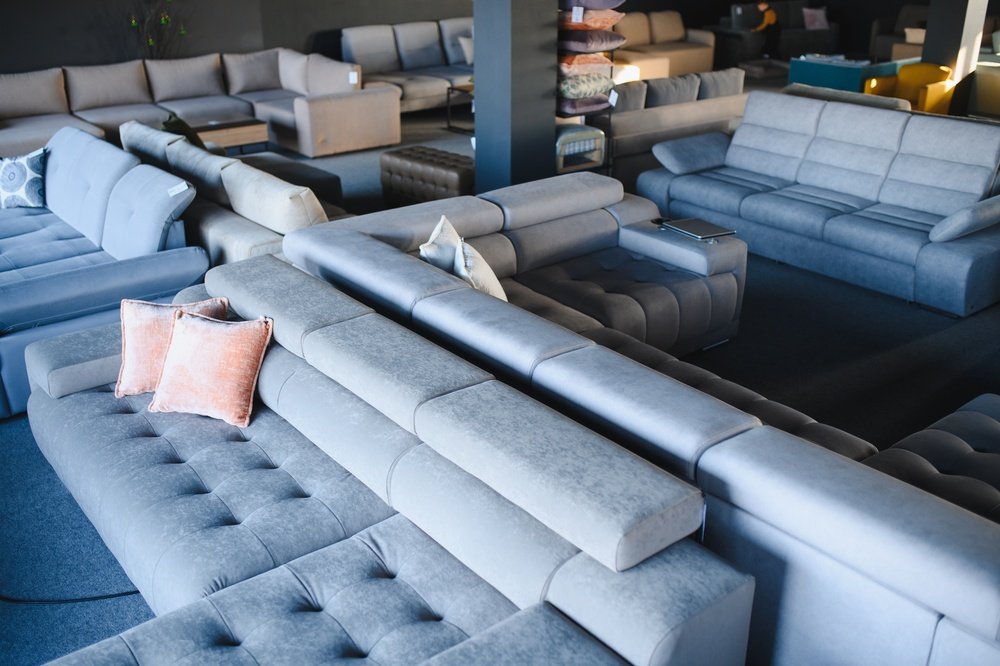
- Protect leather and upholstery — cover sofas and leather furniture with clean, breathable blankets and minimise exposure to direct sunlight and prolonged heat.
- Keep polished wood out of direct sun — extended exposure to strong sunlight and heat can damage lacquer, veneer and other delicate finishes.
- Avoid dragging furniture — use padded trolleys, lifting straps and corner protectors to reduce scratches and impact damage.
Moving appliances safely in extreme heat
Appliances are where summer moves can become expensive if preparation or handling is poor. Heat, prolonged exposure, rough handling and incorrect positioning can all increase the risk of damage.
Fridges and freezers
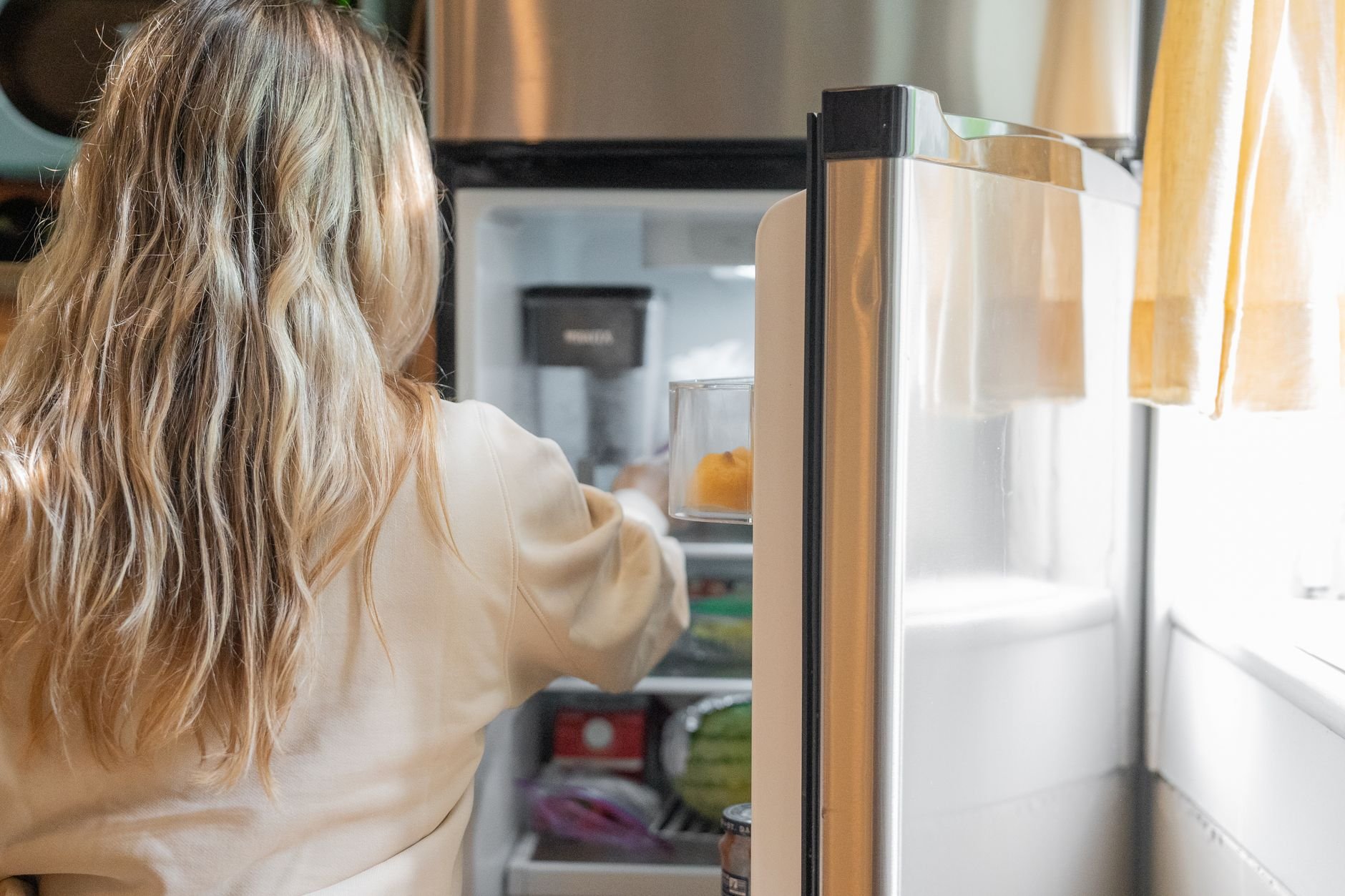
- Empty, clean and defrost your fridge or freezer according to the manufacturer’s instructions, usually beginning the process the day before the move.
- Secure shelves and drawers, keep doors closed or safely fastened during transport, and move the appliance upright whenever possible.
- The main concern when a refrigerator is tilted or laid down is that compressor oil may move through the cooling system. After arrival, allow the appliance to stand upright for the period stated in its manual before reconnecting it.
- If it was transported on its side or heavily tilted, it may need a longer settling period. Do not rely on one universal waiting time, as manufacturer instructions vary by model.
Washing machines and AC units
- Drain all remaining water from washing machines and dishwashers. Disconnect and secure hoses, and clean filters where appropriate.
- Fit the washing machine’s transit bolts if you still have them. These stabilise the drum during transportation and must be removed again before the machine is operated.
- Check the appliance manual because drainage, transit-bolt and transportation instructions can differ between models.
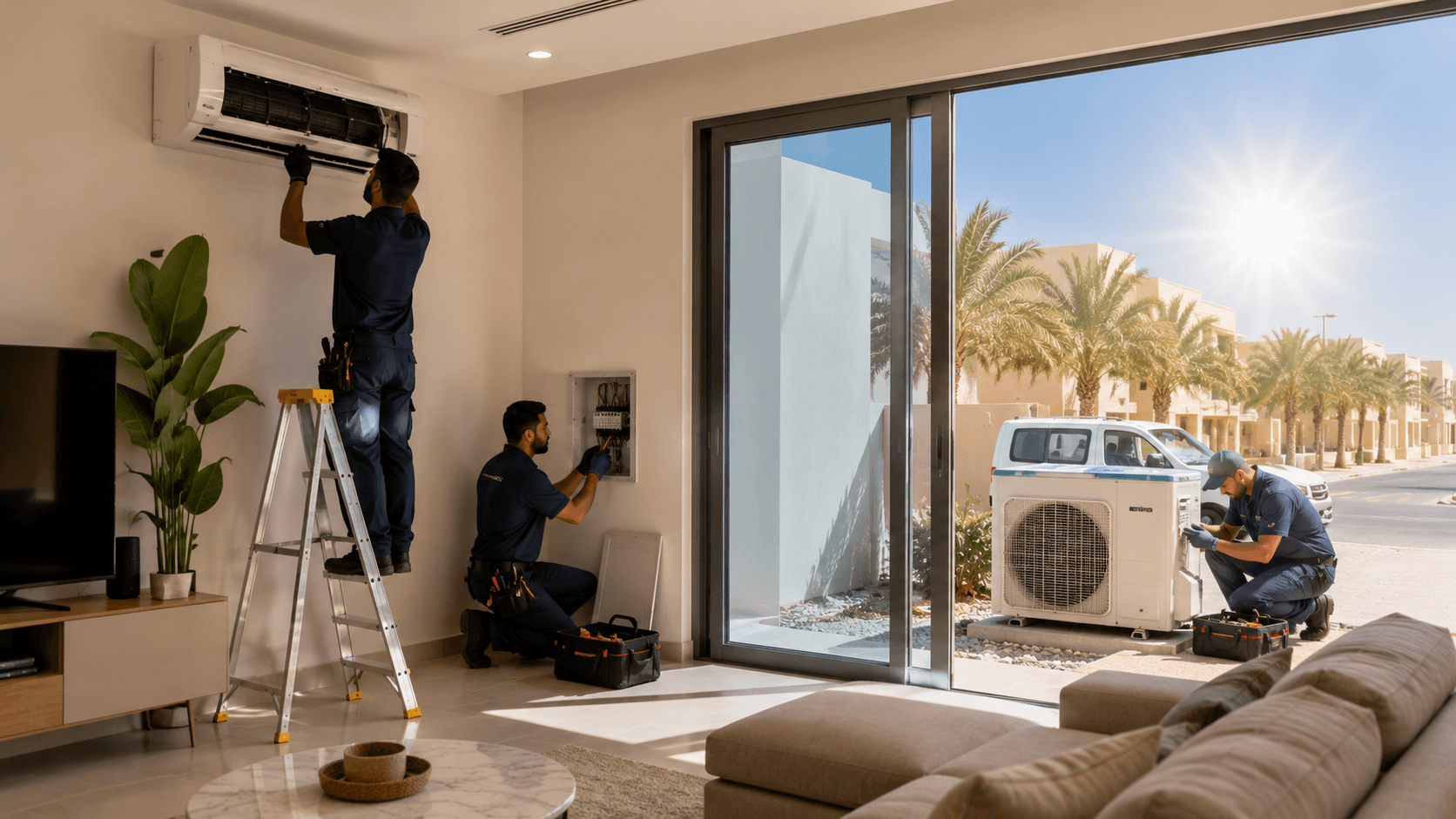
- For split AC systems, use a qualified HVAC technician to disconnect, transport and reinstall the unit. Incorrect handling can lead to refrigerant leaks, system damage, poor performance and environmental harm.
TVs and electronics
- Flat-screen TVs, laptops, desktop computers and gaming consoles should not be left in direct sunlight or inside a stationary, uncooled vehicle for an extended period. Move smaller electronics in an air-conditioned car where practical. Large TVs should remain upright and ideally be transported in their original packaging or a purpose-made TV carton.
- Do not lay a flat-screen television down unless the manufacturer specifically permits it, and do not allow other objects to press against the screen. After arrival, allow electronics to reach room temperature before switching them on, particularly when a cold device has been moved into humid air. Wait until there is no visible sign of condensation and follow the manufacturer’s guidance where available.
Beating the dust and salt air
- Even a short move can expose belongings to fine dust that settles in upholstery, electronics vents, mattress seams and furniture joints.
- If you are moving near coastal areas such as The Pearl, Lusail Marina or Al Wakra, repeated exposure to humid, salt-laden air may also contribute to corrosion on metal fittings and appliance surfaces.
- Seal mattresses and soft furnishings in dedicated mattress bags to keep out dust and dirt.
- Place electronics in their original packaging or suitable boxes. Use anti-static bags where appropriate and avoid attaching adhesive tape directly to screens, vents or finished surfaces.
- Cover upholstered furniture before it is carried through dusty corridors, loading areas or car parks.
- On arrival, remove loose dust carefully before wiping surfaces. For suitable non-electrical surfaces, use a clean, slightly damp microfibre cloth followed by thorough drying.
- Do not apply moisture directly to electrical openings, connectors or ventilation slots.
- Vacuum mattresses and upholstered furniture once everything is inside and the property has cooled.
Storage during a Qatar summer
If there is a gap between homes, carefully consider where your belongings will be stored.
Uncooled garages, storage units and shipping containers can become extremely hot during Qatar’s summer. Prolonged exposure may damage electronics, leather, artwork, solid wood, veneers and items containing adhesives.
Climate-controlled storage is strongly recommended for sensitive belongings. However, ask the storage company exactly what “climate-controlled” means. Some facilities are only ventilated, while others actively manage temperature and humidity.
Confirm the following before booking:
- Whether the unit is air-conditioned
- Whether humidity is controlled
- Pest-control arrangements
- CCTV and access security
- Insurance or damage-liability terms
- Access hours
- Minimum rental period
- Additional handling or transport charges
Storage rates vary widely according to unit size, location, duration and the level of temperature control, so request several itemised quotes before committing.
Hiring the right movers in Qatar
- A reliable moving company can make a major difference during summer. When comparing quotations, look beyond the headline price.
- Ask about their summer schedule — reputable movers should plan outdoor loading and unloading around Qatar’s heat-stress rules.
- Confirm the vehicle — the company should use a clean, enclosed truck that protects belongings from direct sunlight, dust and road debris. For particularly sensitive or valuable belongings, ask whether insulated or temperature-controlled transport is available.
- Check appliance handling — confirm that refrigerators will be secured upright and that the team uses suitable trolleys, straps, blankets and protective equipment.
- Ask what is included — dismantling, reassembly, packing, unpacking and disposal of packing material may be charged separately.
- Check building requirements — some towers and residential compounds require move-in permits, service-lift reservations, security approval or specific loading times.
- Ask about liability — confirm what happens if an item is lost or damaged and whether additional insurance is available.
- Create an inventory — photograph valuable furniture, electronics and appliances before they are loaded.
- Get everything in writing — request an itemised quotation covering labour, packing materials, transport, dismantling, reassembly, storage and any additional charges.
- Moving costs in Qatar vary considerably according to property size, the amount of furniture, access conditions, distance, packing requirements and whether storage or specialist handling is required.
- Request at least three written quotations before booking. Browse movers and moving services on Qatar Living Services to compare available providers.
A quick summer moving-day checklist
- Defrost, clean and drain your fridge, freezer, washing machine and dishwasher according to their manufacturer instructions.
- Book outdoor loading and unloading for early morning or evening, avoiding the restricted period between 10am and 3.30pm.
- Pre-cool both homes and minimise the time doors remain open.
- Wrap wood in clean moving blankets, using stretch film only as an outer securing layer where needed.
- Move sensitive electronics in an air-conditioned vehicle where practical.
- Keep televisions upright and use the original box or a dedicated TV carton.
- Seal mattresses and soft furnishings in protective bags.
- Use proper boxes or anti-static packaging for electronics rather than taping directly over vents.
- Let appliances and electronics stand upright and acclimatise before switching them on.
- Confirm service-lift, loading-bay and parking access before the movers arrive.
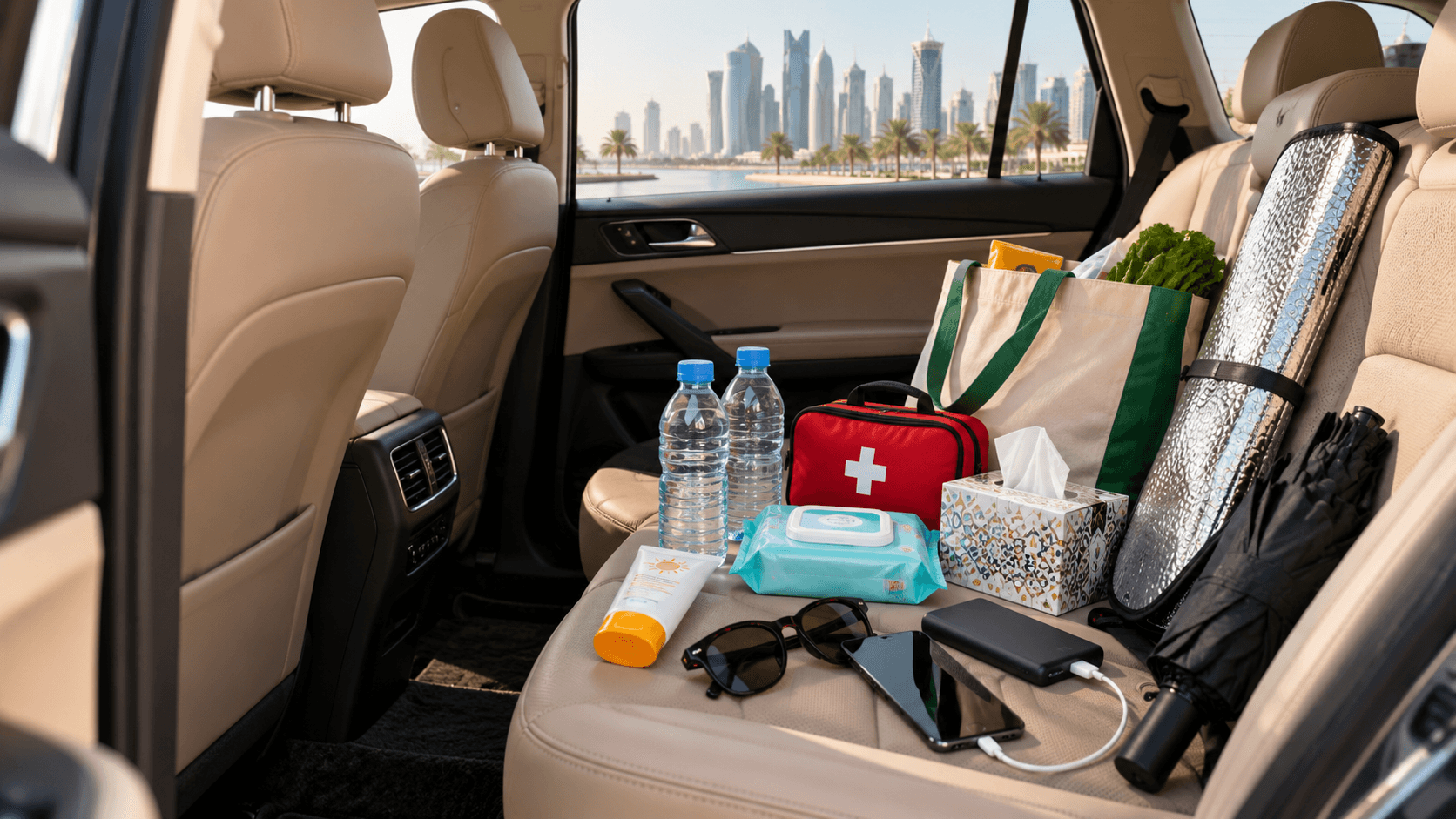
- Keep cold drinking water available for everyone helping, and watch for signs of heat exhaustion.
FAQs
Is it a bad idea to move house in Qatar during summer?
No. Many residents move successfully during the summer, but the process requires more planning.
Schedule outdoor work for early morning or evening, follow Qatar’s heat-stress restrictions, keep both properties cool and take extra care with appliances, electronics, wood and leather.
How long should a fridge stand before switching it on after moving?
Follow the manufacturer’s instructions for your specific refrigerator.
If it remained upright throughout the move, it may require only the manufacturer’s normal settling period. If it was heavily tilted or transported on its side, it may need to remain upright for several hours or longer before being switched on.
Check the manual or contact the manufacturer rather than relying on one universal waiting time.
Should I wrap furniture in plastic for a summer move?
Plastic stretch film can be useful, but it should generally be used as an outer securing layer rather than being wrapped tightly and directly against delicate wood or leather for an extended period.
Place clean moving blankets or soft sheets around the furniture first. Make sure the materials are dry before applying any plastic film.
Do I need a technician to move my AC unit?
Yes. Split AC units should be disconnected, transported and reinstalled by a qualified HVAC technician.
Incorrectly handling the refrigerant lines or electrical components can damage the system, cause leaks and create safety or environmental risks.
How much does hiring movers in Qatar cost in summer?
Costs vary according to the size of the home, number of belongings, moving distance, access conditions, packing requirements and whether dismantling, reassembly or storage is included.
Ask at least three moving companies for itemised written quotations so you can compare the same services.
Is storage safe during the summer?
Climate-controlled storage is strongly recommended for electronics, leather, artwork, solid wood and other belongings that are sensitive to temperature or humidity.
Less-sensitive items may be suitable for standard storage if they are packed correctly and the facility is clean, shaded, secure and adequately protected. Always inspect the facility and confirm its temperature-control arrangements before booking.
---
About Qatar Living :
Since 2005, Qatar Living has been the trusted destination for everything Qatar. As the country's largest online community and marketplace, Qatar Living connects people with opportunities through jobs, property, vehicles, services, classifieds, events, local insights, and breaking news. Trusted by residents, newcomers, visitors, and businesses alike, Qatar Living brings Qatar together in one place.
Follow Qatar Living for daily updates:
Instagram - @qatarliving
X - @qatarliving
Facebook - Qatar Living
- YouTube - qatarlivingofficial
Up Next
Summer Furniture Clearance Sales in Qatar Guide
Summer furniture clearance sales in Qatar: July–August deals, outlet stores, mall offers and used-furniture bargains across Doha. Save big before you buy.
Jul 20,2026
Laundry & Dry Cleaning Delivery in Doha 2026
Your 2026 guide to laundry and dry cleaning delivery in Doha — real QAR prices, pickup times, coverage areas and how to book from home.
Jul 20,2026
Pool Maintenance Services Qatar: Summer Cleaning Guide
Pool maintenance services in Qatar: summer cleaning, chemical balance, costs in QAR and how to keep your pool safe in Doha's heat.
Jul 19,2026
Radisson Hotel Group launches hospitality industry-leading AI-powered real-time price matching technology
Radisson Hotel Group launches AI-powered real-time price matching, ensuring guests always get the best direct rate when booking on RadissonHotels.com.
Jul 9,2026