Qatar Expands Smart Transport Plans with Autonomous Taxis and AI Systems

Qatar is accelerating the development of an advanced and integrated transport system built around smart technology, sustainability and long-term resilience.
The Transportation Master Plan for Qatar 2050 will guide future investment in road infrastructure and public transport networks, taking into account urban expansion, population growth and future passenger and freight requirements.
The plan prioritises environmentally friendly transport, lower carbon emissions, reduced fuel and energy consumption, and greater private-sector participation in the construction and operation of transport projects.
The Ministry of Transport expects the plan to generate economic benefits by reducing journey times, vehicle operating costs, traffic accidents and emissions, while increasing sector revenue.
Autonomous Electric Taxi Trials
The Ministry of Transport, in cooperation with Mowasalat "Karwa", has conducted the first phase of operational testing for autonomous electric taxis.
The trials assessed operational and technical performance, road safety, regulatory requirements, infrastructure readiness and the potential integration of autonomous vehicles into Qatar’s existing transport network.
More than 2,500 test journeys were completed before the first phase began in August 2025. The vehicles achieved an operational success rate exceeding 94% without human intervention, although a safety officer was present inside the vehicle.
Eng. Nayla Khaled Al Nuaimi of the Ministry of Transport said the trial reflected Qatar’s commitment to adopting smart transport technologies and delivering safer, more efficient and sustainable services.
She said the results demonstrated the readiness of the required operational and technical systems and could support a second phase involving fully autonomous vehicles operating without a driver, subject to coordination with the relevant authorities.
Integrated and Data-Driven Transport
The Ministry has also developed a Transportation Data Management System supported by spatial and geographic databases.
The digital platform enables government bodies and consultants to analyse traffic movement, conduct transport studies and support planning and decision-making.
Qatar is continuing to develop smart traffic management systems that use data analysis and artificial intelligence to improve road safety and propose solutions to transport challenges.
Other initiatives include monitoring networks equipped with cameras and sensors, improved real-time passenger information and stronger integration between the Doha Metro, buses, taxis and limousine services through digital platforms.
The Ministry is also working to expand the use of electric and autonomous buses and vehicles, develop infrastructure connecting vehicles with roads, and update legislation governing land transport activities.
Public Transport and Active Mobility
A comprehensive public transport plan has been introduced to improve network efficiency, reduce congestion, support urban growth and strengthen connections between different forms of transport.
The Ministry has also launched a comprehensive bicycle plan to integrate cycling and micro-mobility into Qatar’s urban transport system.
These initiatives aim to provide safe and accessible mobility options, improve quality of life, reduce fuel consumption and limit emissions from the transport sector.
The Ministry said the successful development of smart mobility will depend not only on technology, but also on effective legislation, cybersecurity, high-quality data and greater public transport use.
--
About Qatar Living:
Since 2005, Qatar Living has been the trusted destination for everything Qatar. As the country's largest online community and marketplace, Qatar Living connects people with opportunities through jobs, property, vehicles, services, classifieds, events, local insights, and breaking news. Trusted by residents, newcomers, visitors, and businesses alike, Qatar Living brings Qatar together in one place.
Instagram - @qatarliving
X - @qatarliving
Facebook - Qatar Living
YouTube - qatarlivingofficial
Up Next
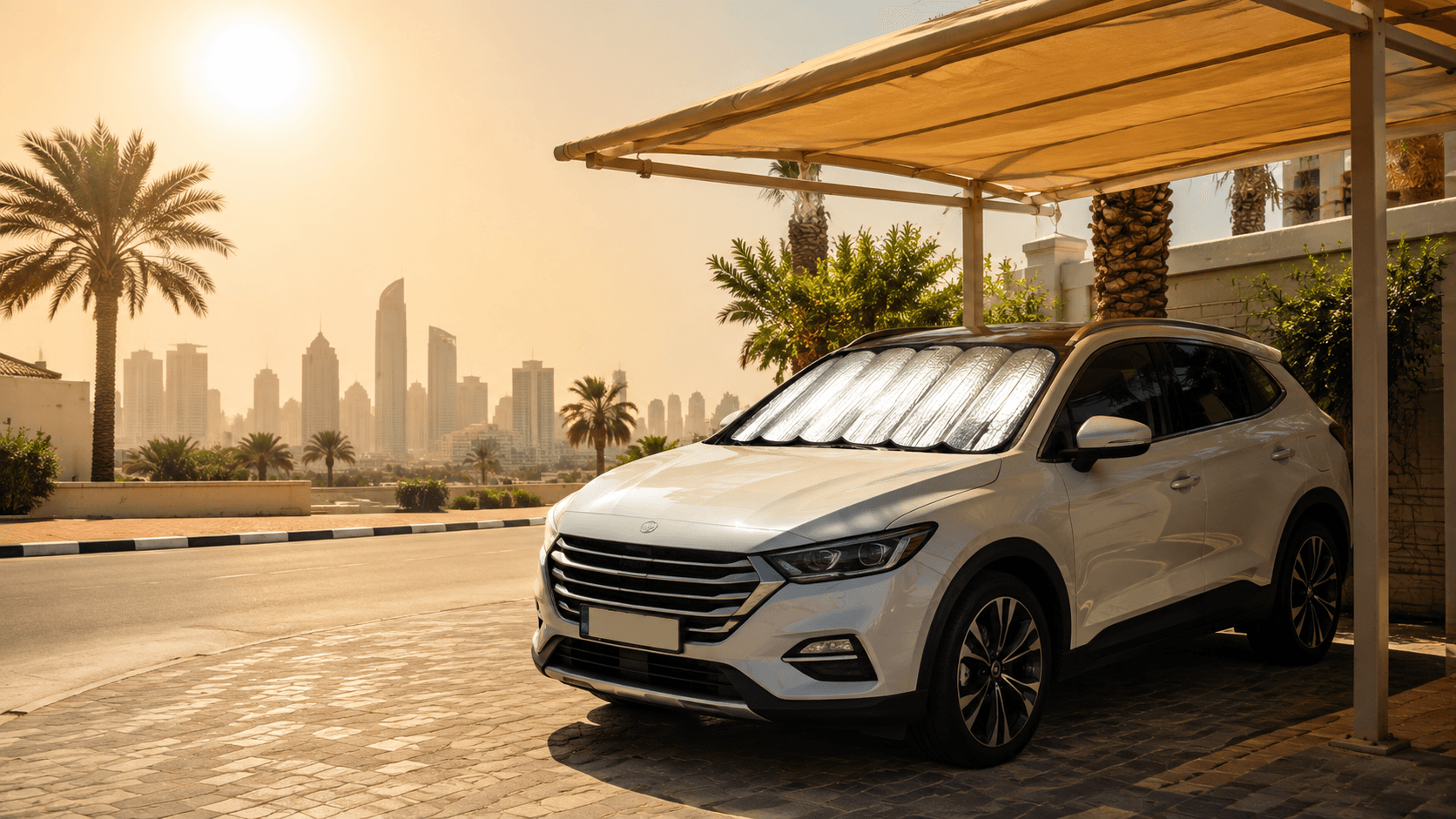
How to Protect Your Car During Qatar’s Summer Heat
Learn essential tips to protect your car from Qatar’s summer heat, including AC checks, tyre care, battery tests, and interior protection.
Aug 2,2026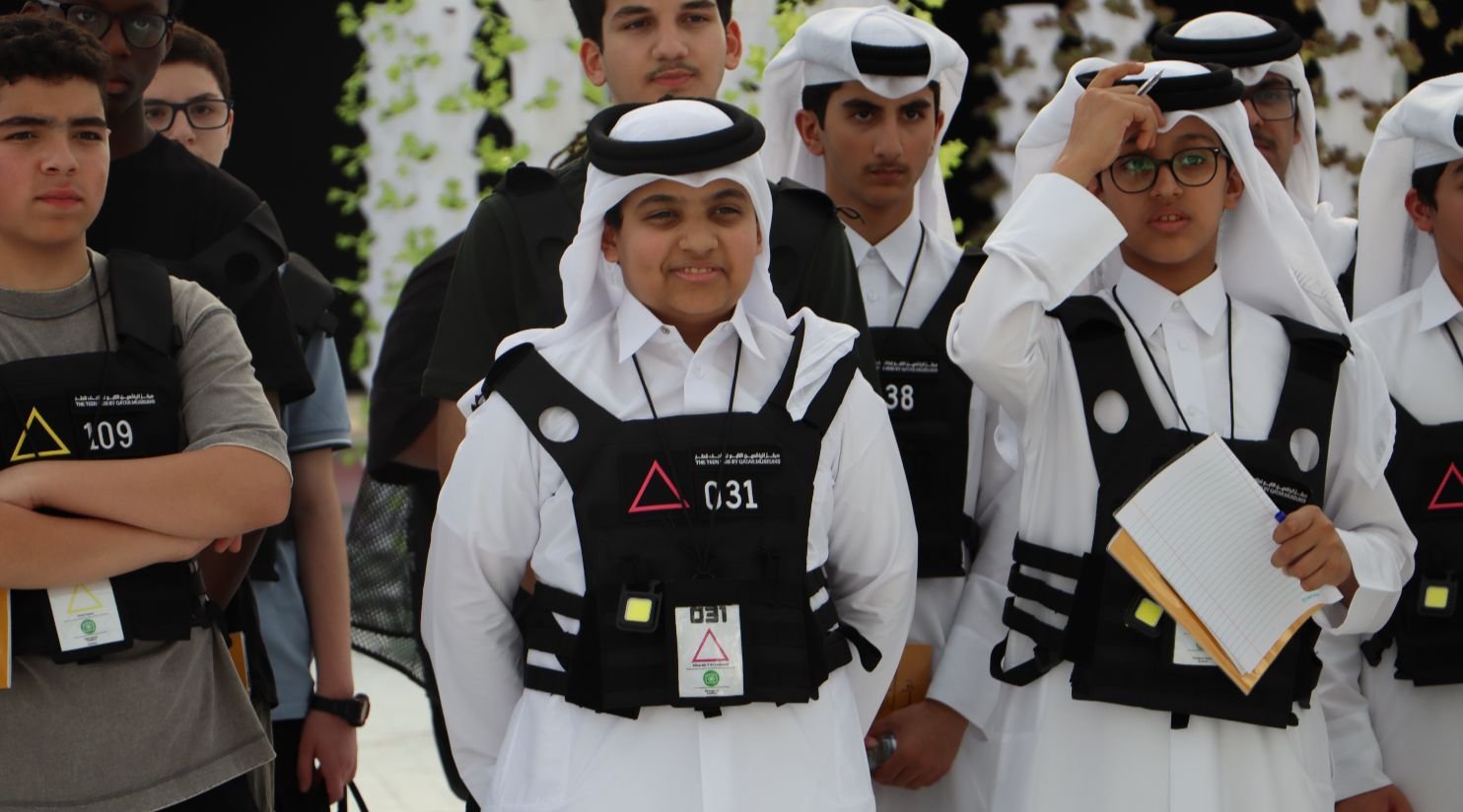
Qatar Museums’ August programme offers plenty of indoor culture, creativity and family activities this summer
Discover Qatar Museums’ August 2026 programme with indoor workshops, family activities, cultural events, and creative fun for all ages this summer.
Jul 31,2026
Qatar Foundation and University of Granada announce 2026 Radwa Ashour Award winners
Qatar Foundation and University of Granada reveal the 2026 Radwa Ashour Award winners, honoring outstanding achievements in Arabic literature.
Jul 30,2026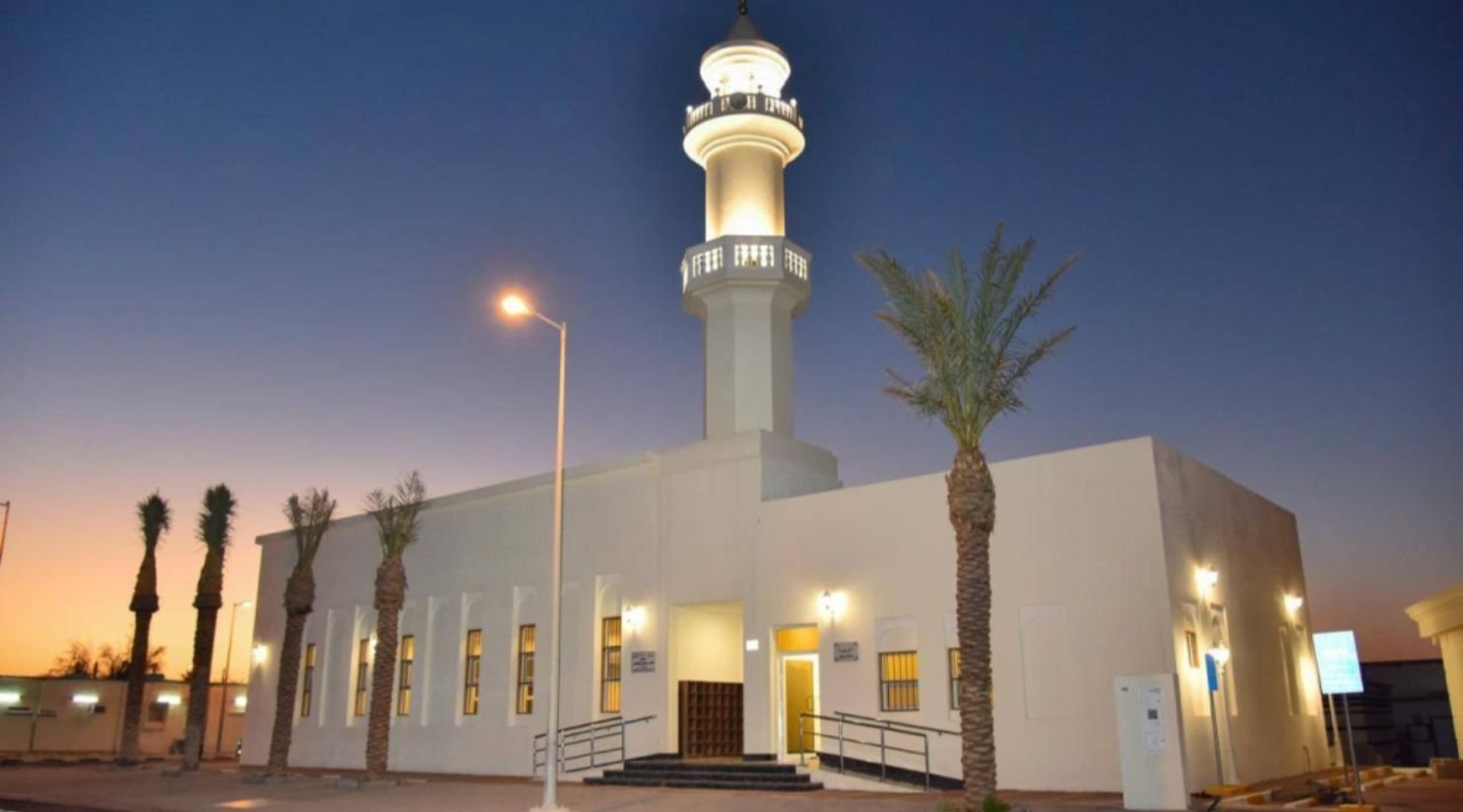
Endowments ministry inaugurates Fahd bin Falih Al Shahwani Mosque in Al Jamiliya
The Ministry of Endowments opens the newly rebuilt Fahd bin Falih Al Shahwani Mosque in Al Jamiliya, enhancing worship and community services.
Jul 30,2026