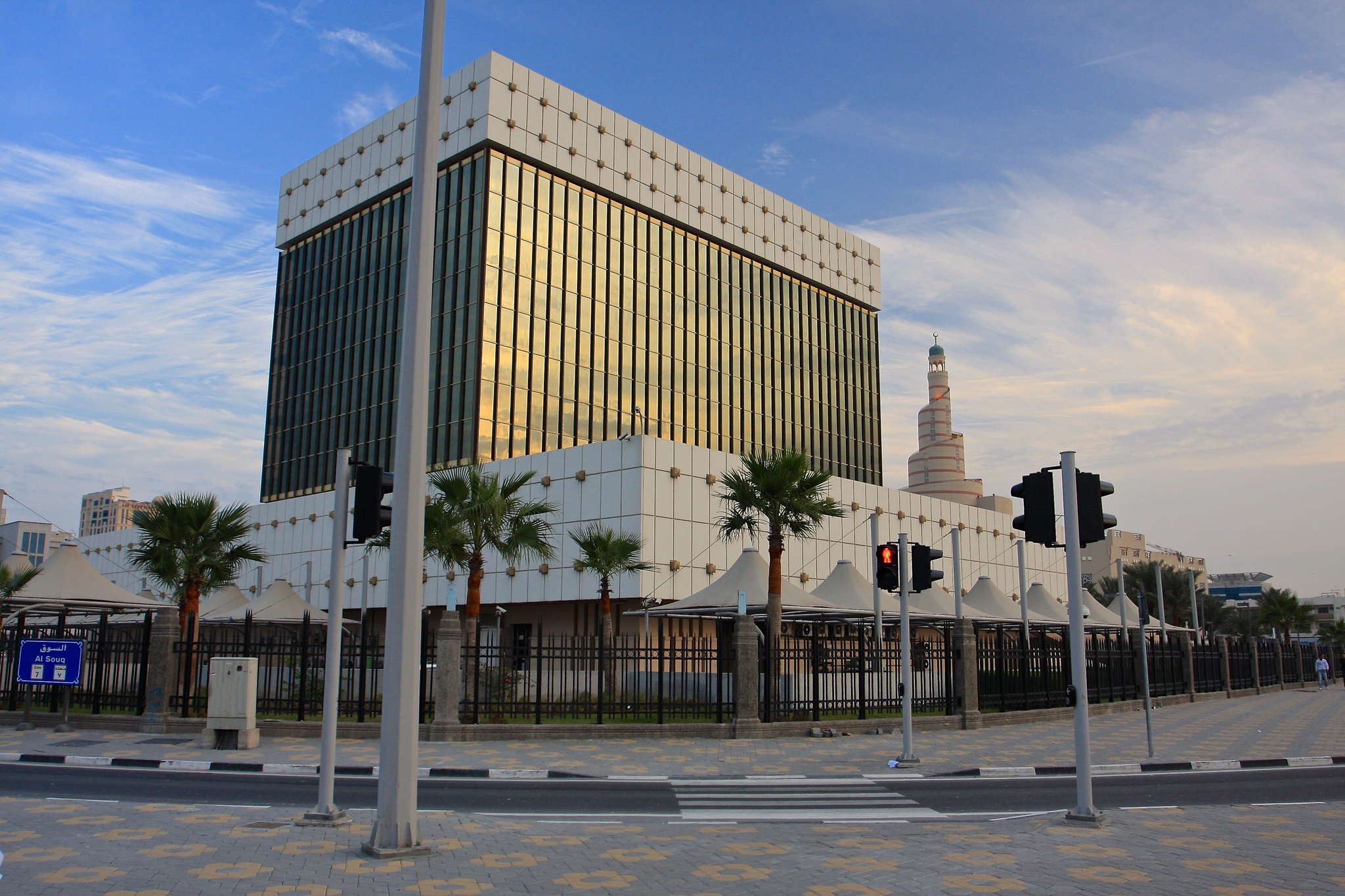
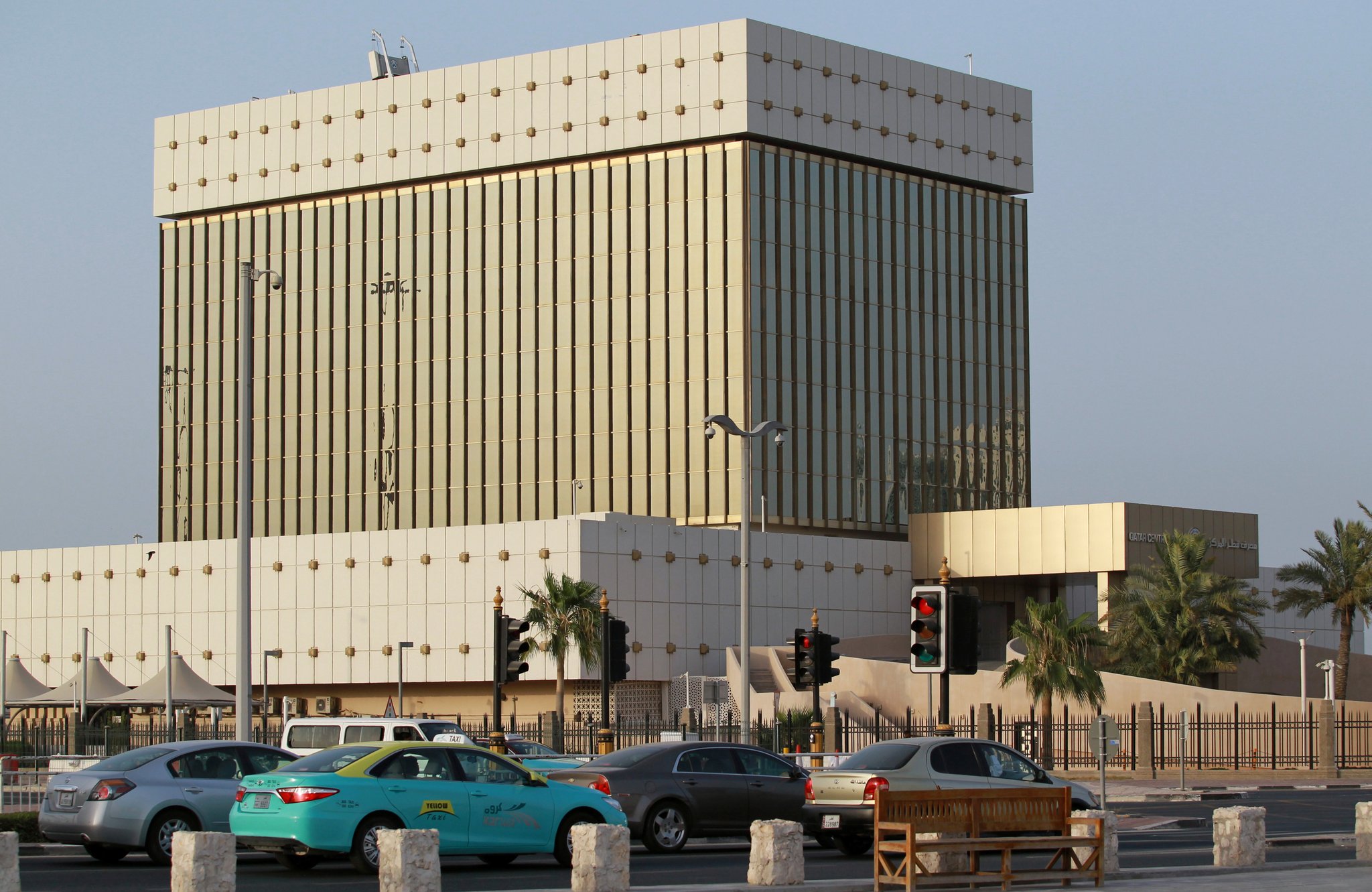
Qatar National Bank rules out entering a full cycle of monetary tightening

Qatar National Bank (QNB) ruled out the Bank of England entering a full cycle of monetary policy tightening during the current phase or adopting the monetary approach of the US Federal Reserve, noting that inflationary pressures in the United Kingdom are due to an external shock in energy prices linked to supply-related factors.
The bank explained in its weekly report that the state of laxity in the labor market limits the transfer of the indirect effects of rising energy prices, while financial conditions are already characterized by a high degree of tightening, weakening the justification for entering a full cycle of monetary tightening.
In this context, the Bank warned that the prolonged escalation between the United States and Iran could lead to the impact of rising energy costs spreading to a wider range of prices and wages.
The report pointed out that inflation has remained the main determining factor for the trajectory of monetary policy in the United Kingdom in recent years, as the coincidence of post-pandemic supply disruptions with the energy shock caused by the Russia-Ukraine war led consumer price inflation to peak at 11.1 percent in October 2022, its highest level in four decades.
He pointed out that the Bank of England raised interest rates 14 consecutive times during the period from December 2021 to August 2023, in response to these inflationary pressures, rising from 0.1 percent to 5.25 percent.
He explained that the Bank of England began gradually easing its monetary policy in August 2024, after the success of monetary tightening in bringing inflation back to its target level of 2 percent by mid-year, and to continue lowering the key interest rate to 3.75 percent by December 2025.
The report said: At the beginning of 2026, amid expectations that inflation would approach its target level, markets were expecting two additional interest rate cuts. However, the escalation between the United States and Iran led to a sudden shift in these expectations, as a new shock in energy prices pushed inflation back up to 3.6 percent in October, while the Bank of England now expects inflation to reach about 5 percent by mid-2027.
He believed that the Bank of England is facing the same energy shock as the US Federal Reserve, but the differing economic conditions in the UK make the justification for tighter monetary policy there much weaker compared to the United States, which reduces the likelihood of the Bank of England entering a full cycle of interest rate hikes, despite the increase it approved in November.
The report reviewed three main factors supporting this view: the link between inflation in the United Kingdom and energy prices, the state of relaxation in the labor market, as well as the already tightening of financial conditions.
Regarding the first factor, the report clarified that inflationary pressures in the United Kingdom are largely linked to rising energy prices and supply-side factors, factors that monetary policy does not fully equip to address.
It pointed out that the general inflation rate reached 3.6 percent in October 2026, exceeding the Bank of England's target level of 2 percent by 1.6 percentage points, while the transport sector alone contributed about 1.1 percentage points of this surpass, driven by a 33 percent year-on-year increase in car fuel prices.
Qatar National Bank (QNB) noted that latent price pressures have only slightly increased, with core inflation, excluding volatile energy and food prices, reaching 2.8 percent, while service price inflation recorded 3.7 percent, considering that the indirect effects of price increases have remained limited so far, as reflected in the decline in food price inflation to 0.9 percent.
The report indicated that these indicators reflect a supply-side shock linked to global energy markets, not a surplus in domestic demand, clarifying that raising interest rates will not lead to a reduction in oil and gas prices, but will mainly affect economic activity, without significantly contributing to containing the immediate impact on prices.
The report added that as long as the shock's effects are limited to energy prices and do not extend to other price categories such as food, manufactured goods, and services, the Bank of England can "overlook" its effects, as central banks usually do when dealing with temporary supply disruptions.
Regarding the second factor, the report noted that the lax labor market conditions limit the likelihood of rising energy costs turning into sustained inflation.
He mentioned that wages represent the main channel for transmitting the indirect effects of rising prices, as workers seek to compensate for the decline in their purchasing power, while companies pass on the rising labor costs to consumers.
He pointed out that this channel is still limited in the United Kingdom at present, relying on labor market indicators, as the unemployment rate reached 5.2 percent at the beginning of the year, its highest level since early 2021, before declining to 4.6 percent, a level still higher than its lowest recorded in 2022 of 3.6 percent, while wage growth remains limited.
The report continued that basic wage growth in the private sector reached 3.1 percent in the third quarter, compared to 3.3 percent at the beginning of 2026, a situation that clearly differs from 2022, when labor market pressures amplified the effects of the energy shock. It also contrasts with the current situation in the United States, where the Federal Reserve justified raising interest rates by citing strong growth and a strong labor market.
The third factor is related to the noticeable tightening of financial conditions already witnessed, which contributed to fulfilling part of the role that the Bank of England would have played. By keeping interest rates at 3.75 percent instead of making the two expected cuts before rising tensions, and then raising them to 4 percent, the bank effectively tightened its monetary policy.
The bank indicated that markets have amplified this impact, as the yield on 10-year British Treasury bonds reached its highest level in 19 years, at about 5.5 percent in October, and remains above 5.2 percent, noting that these high levels are reflected in mortgage and corporate loan costs, which contribute to curbing demand.
In this context, the report quoted Andrew Bailey, Governor of the Bank of England, saying that market expectations include a "risk allowance" reflecting investors' concerns about energy prices and do not represent a predetermined path for monetary policy.
Qatar National Bank (QNB) concluded its analysis by warning that launching a full cycle of interest rate hikes under these conditions could lead to excessive monetary tightening.
About Qatar Living:
Since 2005, Qatar Living has been the trusted destination for everything Qatar. As the country's largest online community and marketplace, Qatar Living connects people with opportunities through jobs, property, vehicles, services, classifieds, events, local insights, and breaking news. Trusted by residents, newcomers, visitors, and businesses alike, Qatar Living brings Qatar together in one place.
Instagram - @qatarliving
X - @qatarliving
Facebook - Qatar Living
YouTube - qatarlivingofficial
Up Next
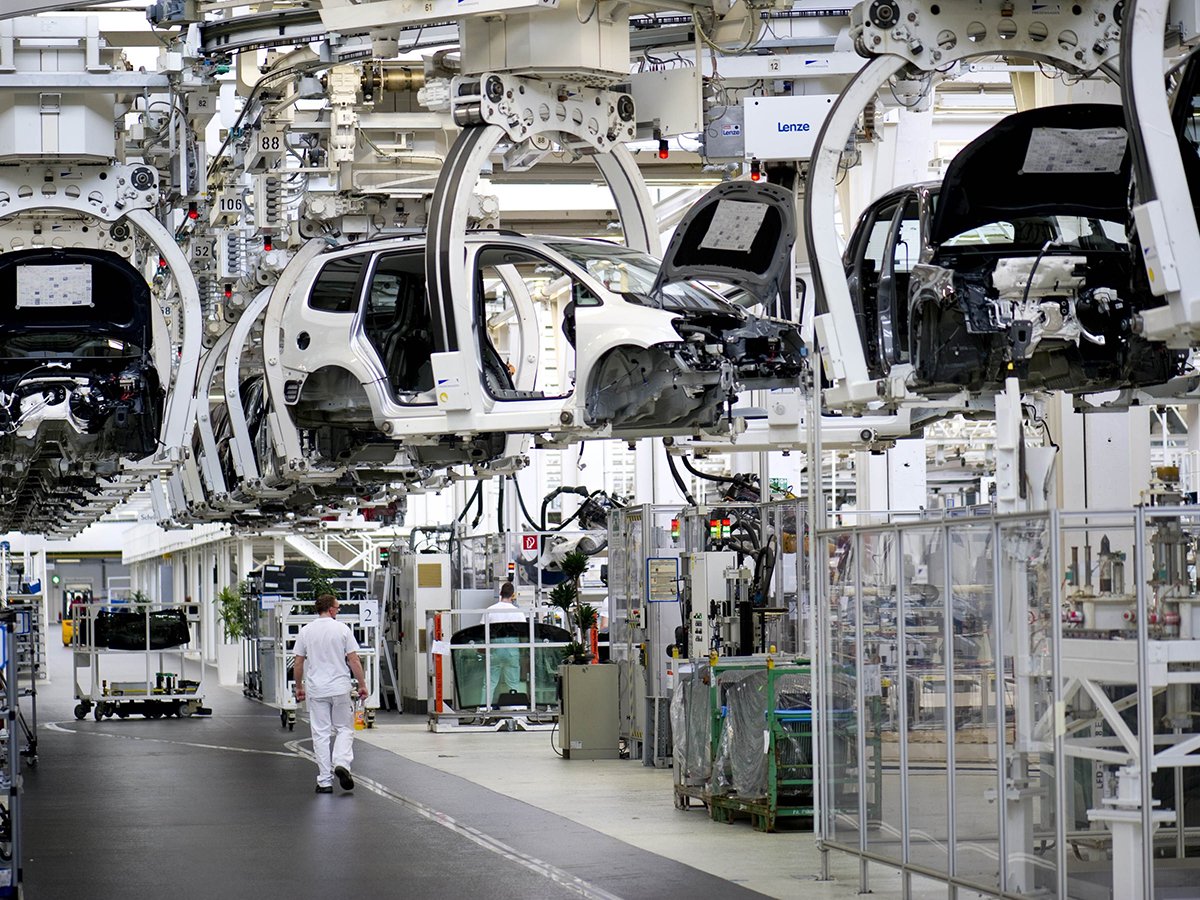
Germany: Electric car sales are set to surpass one million in 2027
Electric car sales in Germany are projected to exceed one million in 2027, marking a major milestone for the country's growing EV market.
Nov 28,2026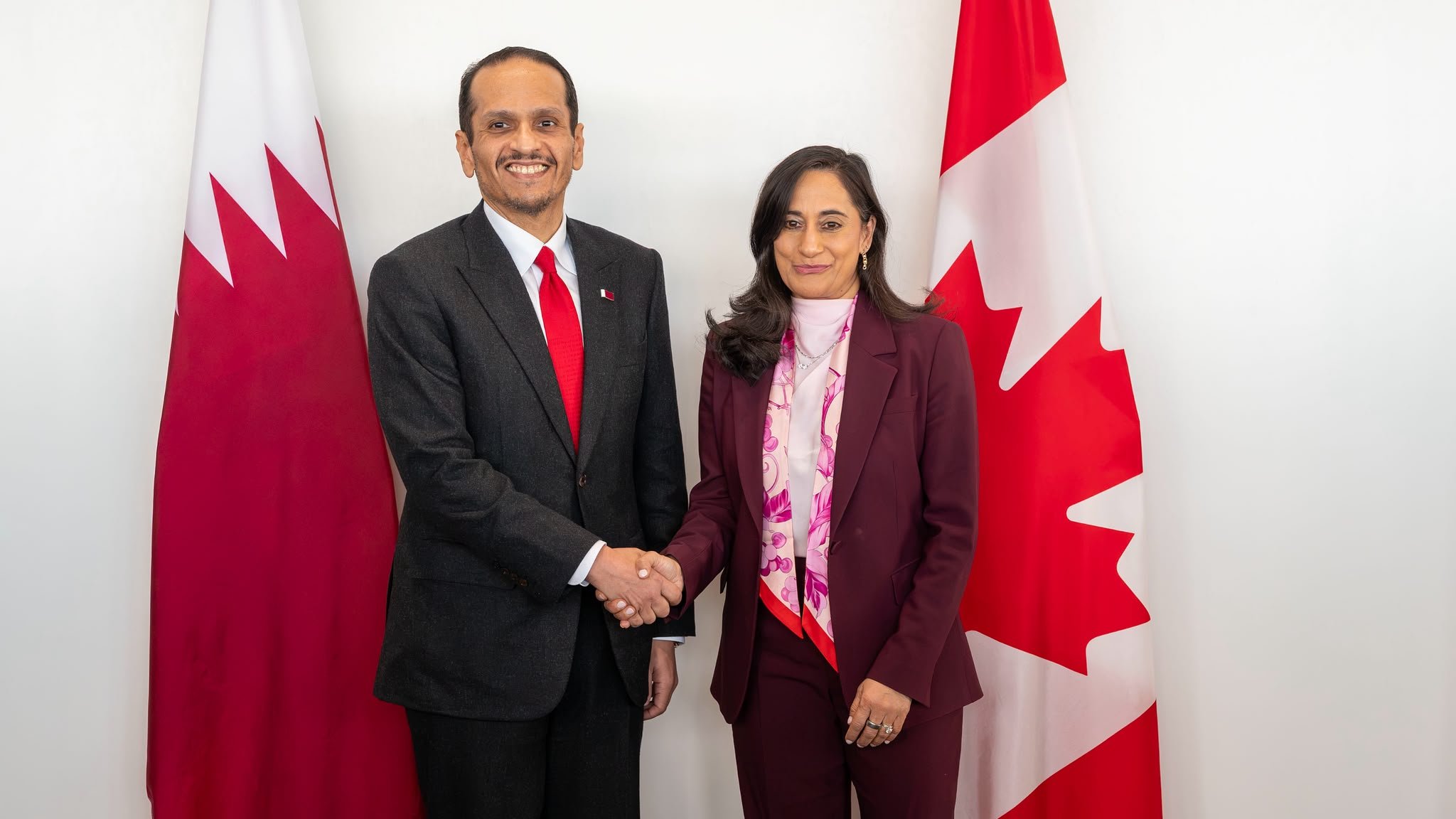
Qatar and Canada strengthen ties through first-ever Strategic Dialogue
Qatar and Canada launch their first Strategic Dialogue in Ottawa, strengthening bilateral ties and cooperation in trade, security, and investment.
Nov 27,2026
The 2026 Plenipotentiary Conference adopts a historic decision to use the radio frequency spectrum to support lunar exploration
The ITU Plenipotentiary Conference 2026 adopts a landmark resolution to allocate radio spectrum for lunar exploration and future Moon missions.
Nov 27,2026
The State of Qatar and Canada hold a session on political cooperation as part of the first strategic dialogue between the two countries
Qatar and Canada strengthen political cooperation at their first strategic dialogue in Ottawa, focusing on regional security and diplomatic efforts.
Nov 25,2026