QF Art Expert Highlights How the Healing Power of Art Can Support our Mental Health
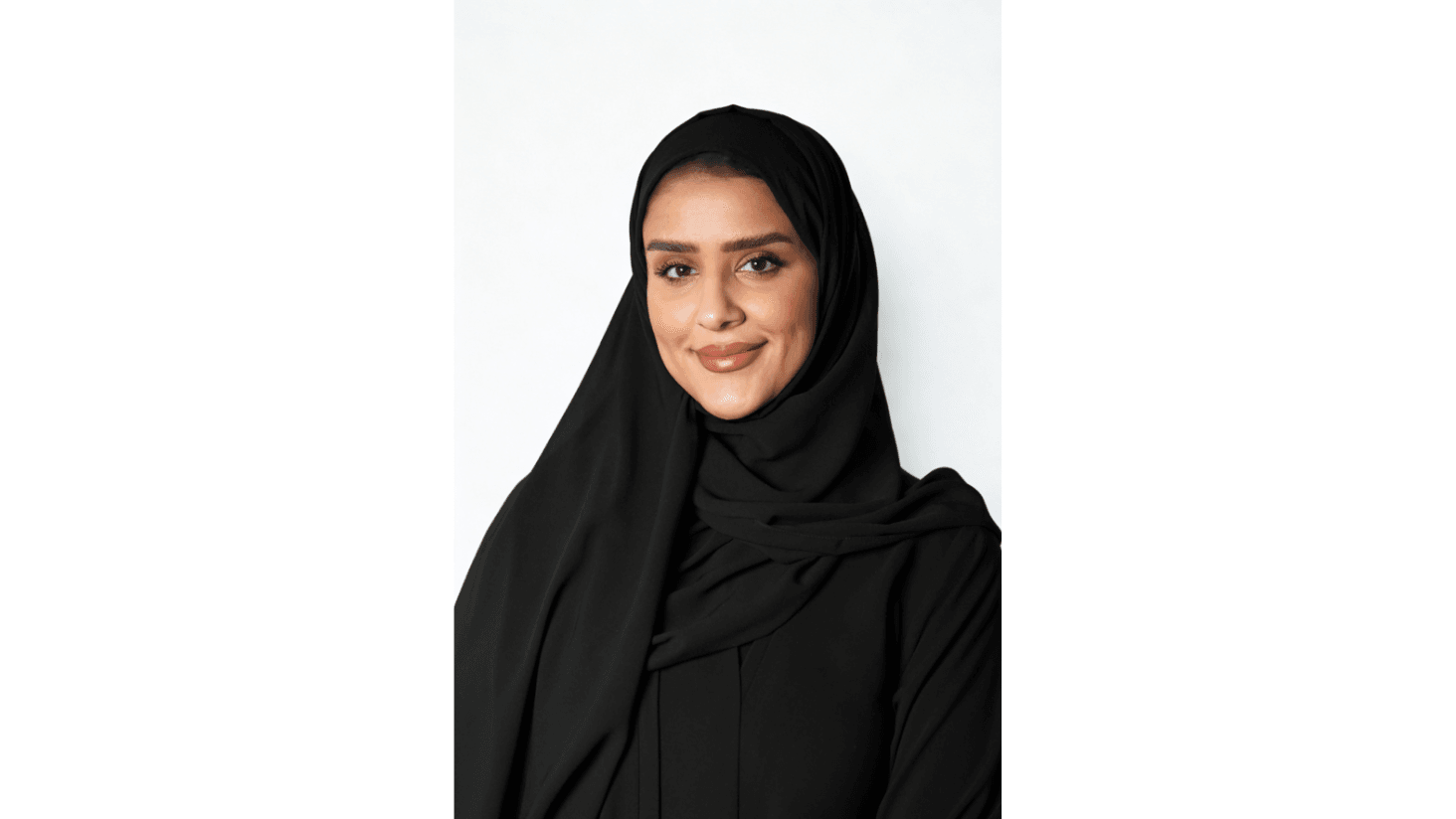
Art has always been a language beyond words, but in times of emotional strain that we all experience in our lives, it can become a lifeline for children and communities.
Ameera Al Aji, Community Arts Lead at Qatar Foundation and a specialist in fine arts and art therapy, emphasizes that art offers children a developmentally appropriate, emotionally safe, and non-threatening way to express feelings when verbal language is insufficient, unsafe, or unavailable.
In moments of fear, grief, anger, or confusion, art-making bypasses linguistic limitations and allows children to communicate through symbol, image, color, texture, and movement. “The canvas or paper becomes a psychological boundary where emotions can be externalized safely, making fear drawable, anger shapeable, and confusion visible, thereby reducing emotional intensity and restoring regulation,” Al Aji says.
Drawing and painting give children a simple, safe way to work through overwhelming feelings. These activities engage the senses and use symbols to help them process emotions in a calm and manageable way. According to Al Aji, children can use simple artistic actions, like drawing lines, dots, textures, patterns, choosing colors, or creating rhythms, to turn vague, overwhelming feelings into clear, visible forms. This process helps ease anxiety and brings their focus back to the present moment.
Over time, the steady practice of making art again and again helps children bring order to confusing or fragmented experiences. As Al Aji explains: “Drawing and painting do not aim to eliminate difficult emotions, but to give children a safe, embodied, and dignified way to hold and transform them.”
Teachers and caregivers can harness art as a gentle tool for resilience and hope. By inviting children to “draw how today feels” or “create a place where you feel safe”, Al-Aji says, they validate emotions without pressure.
Focusing on the act of creating rather than the final result helps children build confidence and a sense of control. At the same time, storytelling and group murals allow them to turn challenges into shared narratives of strength.
Storytelling through art helps children regain a sense of normalcy by turning difficult experiences into manageable narratives. Instead of relying on words, they use images and symbols to take ownership of their stories, restoring coherence and stability. Imagination allows them to rehearse solutions and embody strength, while attentive listening from adults reassures them that their inner world is valued and connected to the wider community.
“Consistent creative rituals, such as weekly reflection journals or shared art circles, provide predictability and emotional safety,” Al Aji says. “Normalcy is not about returning to what it was, but about discovering that you can still play, imagine, create, and be understood despite what has happened.”
Al Aji says that collaborative art projects extend healing to the community level. They create shared spaces of belonging where differences are held with care rather than tension. Working side by side on murals, sculptures, or performances restores trust and fosters cooperation.
Importantly, collaborative art disrupts rigid hierarchies: children are not defined by language ability, background, or trauma history, but by creative contribution. Displaying shared artworks in schools or public spaces affirms collective pride and visibility, strengthening bonds between children, caregivers, educators, and the wider community.
“In my practice, I have seen how collaborative art does more than bring children together for an activity – it helps them feel what community is again,” says Al-Aji. “Not as an abstract idea, but as a shared rhythm, a shared creation, and a shared sense of ‘we’.”
Integrating healing art practices into daily routines does not require special materials or artistic skill, but rather intention and consistency. Parents and educators can embed small creative practices into existing routines, such as beginning the day with a color check-in or ending with a reflective drawing. Accessible art spaces—a basket of crayons, clay, or recycled materials—communicate permission for expression.
Adults support healing best when they act as attentive witnesses rather than judges, simply noticing and affirming children’s creative choices. Art can be woven into calming routines, from drawing to music or making big gestures on large paper, and group practices such as collaborative journals help normalize expression. What matters most is consistency: even a few minutes of regular artmaking can build resilience and emotional safety.
As Al Aji says: “Integrating healing art is not about teaching children how to make art – it is about using art to build trust, resilience, and relationship within the rhythm of everyday life.”
Art, whether through personal expression, storytelling, or collective creation, becomes more than creativity – it becomes a source of healing and belonging. In times of emotional pressure, it restores a sense of control, nurtures hope, and shows children and communities that they can imagine, rebuild, and thrive together.
“Hope grows when people see themselves not only as survivors of hardship, but as active meaning makers,” Al Aji says.
---
Stay updated with the latest news, events, sports updates, business insights, real estate and lifestyle stories on Qatar Living - the leading online platform for residents, expats, and visitors in Qatar.
Follow Qatar Living for daily updates:
Instagram - @qatarliving
X - @qatarliving
Facebook - Qatar Living
YouTube - qatarlivingofficial
Up Next
Eid Al-Adha Preparations
Discover the joy of Eid Al-Adha in Qatar, from family gatherings to the meaningful traditions of sacrifice and community giving.
May 17,2026
Qatar National Library showcases interactive experiences at 35th Doha International Book Fair
Discover interactive experiences at Qatar National Library's booth during the 35th Doha International Book Fair, from AI storytelling to personalized activities
May 12,2026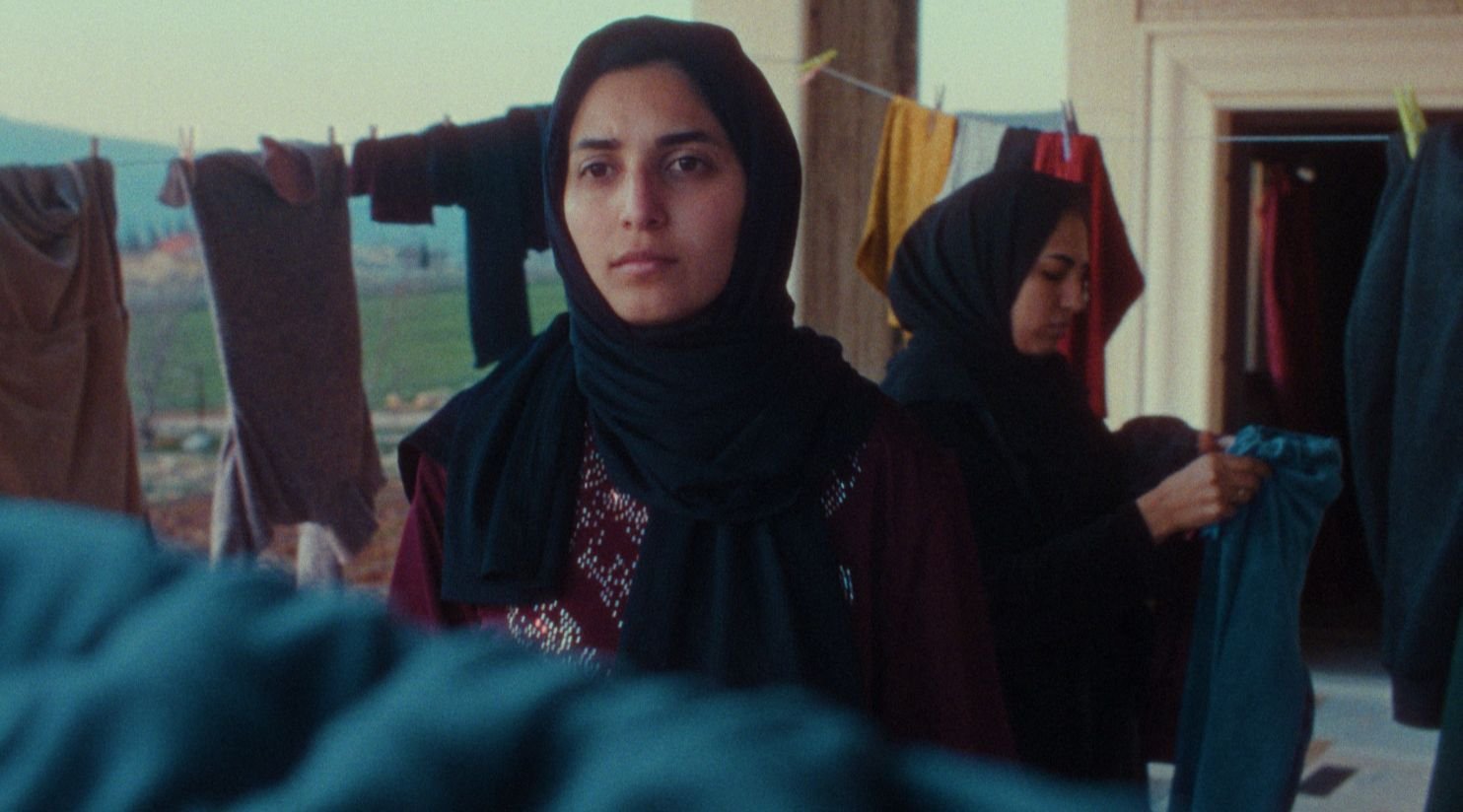
Seven global films supported by Doha Film Institute selected for the 2026 Cannes Film Festival
Seven films backed by the Doha Film Institute will showcase at the 2026 Cannes Film Festival, highlighting bold global storytelling and cultural connection.
May 6,2026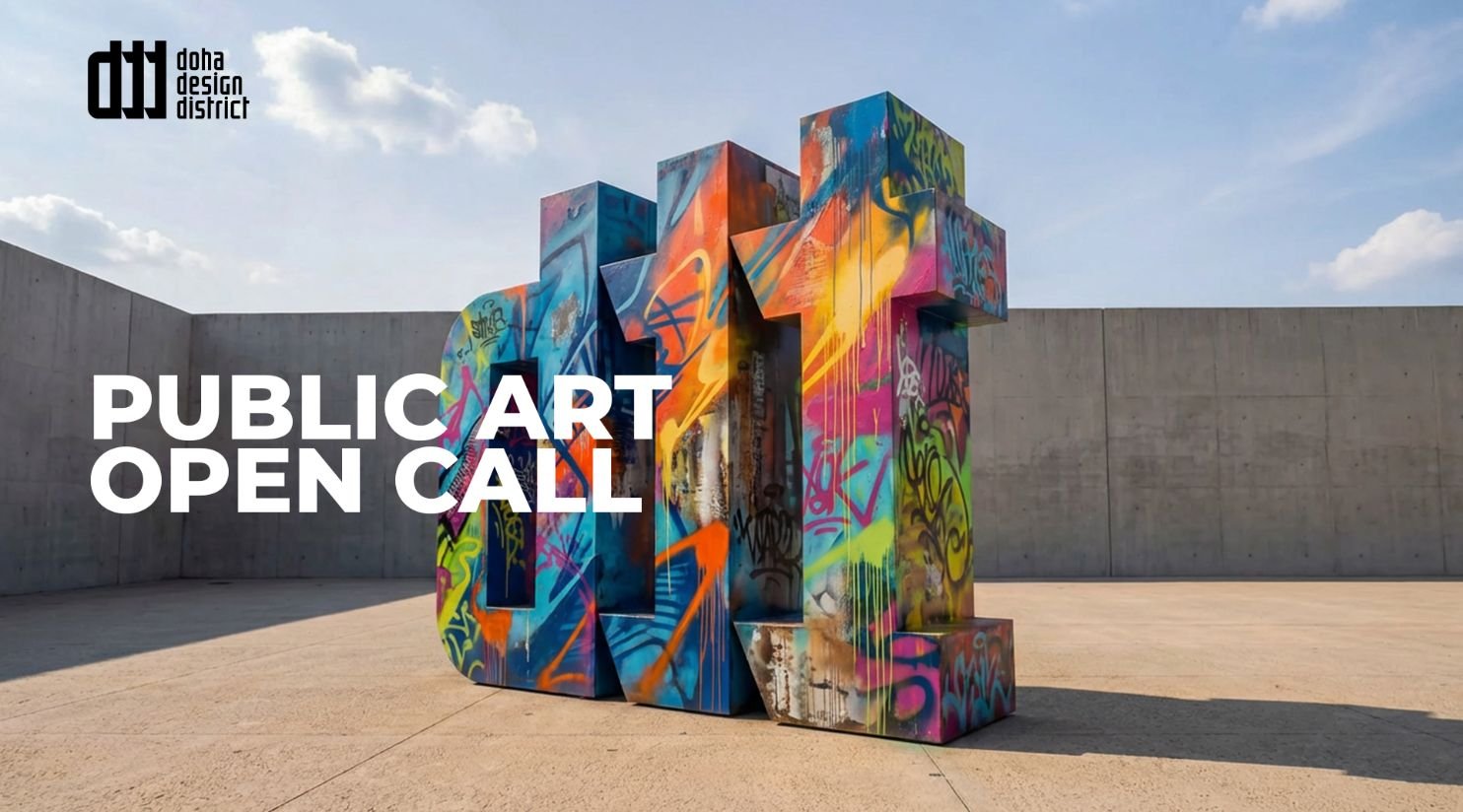
Doha Design District issues final call for public art open call submissions ahead of May 14 deadline
Final call for Doha Design District's Public Art Open Call submissions before May 14. Showcase your creativity and engage with the community.
May 5,2026