If you are an expatriate parent settling into Doha, one of the biggest school-related questions is often the hardest to answer: British, American, IB or Indian?
Qatar is home to numerous international and private schools offering these four major educational pathways. Each system shapes how your child learns, the examinations they take and how they prepare for higher education.
This practical curriculum comparison in Qatar – British vs American vs IB vs Indian covers educational structures, qualifications and published school fees for the 2026–2027 academic year, helping you match a curriculum to your family's plans.
There is no single 'best' system. The right choice depends on your child's educational background, learning style, future university plans, how long you intend to stay in Qatar and your budget.
The quick answer: Which curriculum suits your family?
- British: Suitable for families familiar with the UK education system or seeking a recognised pathway through IGCSEs and A Levels.
- American: Suitable for families considering US universities or looking for a flexible, credit-based high-school education with Advanced Placement (AP) options.
- IB: An internationally recognised, inquiry-led educational framework that appeals to families who may relocate between countries.
- Indian (CBSE): Often a more affordable option, particularly suitable for families planning to return to India or pursue Indian university entrance examinations.
Some schools in Qatar combine different curricula and qualifications, offering students more than one pathway to graduation.
British curriculum in Qatar
Structure and qualifications
British schools in Qatar typically follow the English National Curriculum or an adapted international version, progressing through early years, primary and secondary education.
The typical educational structure includes:
- Early Years Foundation Stage (EYFS): Ages 3–5.
- Primary education: Years 1–6.
- Secondary education: Years 7–11.
- Sixth Form: Years 12–13.
Students generally take GCSE or IGCSE examinations in Years 10 and 11, followed by AS and A Levels during Sixth Form, depending on the school.
The approach becomes increasingly subject-focused as students progress, allowing them to specialise in subjects aligned with their university and career interests.
According to Cambridge International, A Level qualifications are widely recognised by universities internationally. Individual institutions may also require specific IGCSE grades, subjects or additional assessments.
The familiarity of the system can make transferring easier for children arriving from the UK or another British-curriculum school.
2026–2027 school fees
British school fees in Qatar vary considerably depending on the institution and year group.
Examples of published annual tuition fees include:
Queen's Qatar : QAR 35,000–61,000
Doha College : QAR 39,192–74,841
Doha College also charges an annual capital fee of QAR 8,000 for Early Years and Primary pupils and QAR 5,000 for Secondary and Sixth Form pupils.
This brings its annual tuition and capital charges for Years 12–13 to QAR 79,841, excluding other applicable costs.
American curriculum in Qatar
Structure and qualifications
American-curriculum schools generally follow a grade-based educational structure, with high-school students accumulating academic credits towards a US high-school diploma.
The typical structure includes:
- Elementary school: Kindergarten to Grade 5.
- Middle school: Grades 6–8.
- High school: Grades 9–12.
Grade divisions may vary between schools.
Some American schools offer Advanced Placement (AP) courses, allowing students to study subjects at university-entry level. Depending on their examination results and the university's policies, students may qualify for university credit or advanced placement.
The American School of Doha, for example, offers both AP courses and the International Baccalaureate Diploma Programme.
The American system generally allows students to maintain a broad range of subjects throughout high school, making it appealing to families who prefer flexibility over early academic specialisation.
2026–2027 school fees
Published examples of annual school fees include:
Middle East International School : QAR 20,781–46,759
American School of Doha : QAR 36,570–79,305
ACS Doha International School : QAR 51,309–80,465
ACS Doha combines IB programmes with a US high-school diploma pathway rather than operating exclusively as an American-curriculum school.
The American School of Doha charges annual capital fees of QAR 10,950 for Pre-Kindergarten and QAR 14,600 for Kindergarten to Grade 12.
ACS Doha charges an annual capital fee of QAR 5,352.
For upper-grade students, annual tuition and capital charges at these schools can therefore reach:
- American School of Doha: QAR 93,905.
- ACS Doha International School: QAR 85,817.
Other applicable charges may apply.
IB curriculum in Qatar
Structure and qualifications
The International Baccalaureate (IB) offers four educational programmes for students aged 3–19.
These include:
- Primary Years Programme (PYP): Ages 3–12.
- Middle Years Programme (MYP): Ages 11–16.
- Diploma Programme (DP): Ages 16–19.
- Career-related Programme (CP): Ages 16–19.
Not every IB school offers all four programmes.
The IB framework emphasises inquiry-based learning, independent research, critical thinking and connections between academic subjects.
The IB Diploma Programme typically requires students to study six subjects alongside core components, including Theory of Knowledge (TOK), the Extended Essay and Creativity, Activity, Service (CAS).
The IB Diploma is widely recognised internationally. Parents and students can check specific university admission requirements through the IB university recognition database.
IB can be particularly suitable for internationally mobile families, although transferring between schools still depends on programme availability, subject choices and admission requirements.
2026–2027 school fees
Examples of published annual fees at IB schools in Qatar include:
Qatar Academy Doha : QAR 46,033–74,556
International School of London Qatar : QAR 54,436–77,766
ACS Doha International School : QAR 51,309–80,465
Additional charges may include registration, educational resources, technology, language programmes and examination fees.
Parents should check which IB programmes their shortlisted schools are authorised to offer before applying.
Indian curriculum in Qatar
Structure and qualifications
Many Indian-curriculum schools in Qatar follow the framework established by India's Central Board of Secondary Education (CBSE).
Students progress through primary, secondary and senior-secondary education, with board examinations typically conducted at the end of Class 10 and Class 12.
The educational structure includes:
- Primary education: Classes 1–5.
- Middle school: Classes 6–8.
- Secondary education: Classes 9–10.
- Senior-secondary education: Classes 11–12.
At the senior-secondary level, schools may offer Science, Commerce, Humanities and other subject combinations, depending on availability.
Parents can review the official CBSE curriculum for the 2026–2027 academic year for further information on subjects and academic requirements.
For Indian families, the CBSE system offers educational continuity, particularly when preparing for a return to India or pursuing competitive entrance examinations such as JEE and NEET.
Many Indian schools in Qatar also follow an April-to-March academic calendar, unlike the August or September start common among other international schools.
2026–2027 school fees
Indian-curriculum schools generally offer some of the more affordable private education options in Qatar.
Examples of published annual tuition fees include:
M.E.S. Indian School : QAR 4,252–8,295
DPS Modern Indian School : QAR 6,000–12,762
Remember that tuition is only one part of the overall cost. Depending on the school, additional expenses may include:
- Application and registration fees.
- Annual capital charges.
- School transportation.
- Uniforms and textbooks.
- Technology and educational resources.
- External examination fees.
- Meals and extracurricular activities.
For a closer look at premium international education costs, read Qatar Living's guide to the most expensive schools in Qatar.
Are private school fees regulated in Qatar?
Yes. Private-school fees are subject to approval by Qatar's Ministry of Education and Higher Education (MoEHE), although there is no single tuition price applicable to every school.
In June 2026, the Ministry announced a new Private Schools and Kindergartens Fees Policy, designed to improve transparency and regulate tuition, operational, service and optional charges.
Following a pilot phase for the 2026–2027 academic year, the policy will formally take effect from the 2027–2028 academic year.
The framework regulates fee increases, requires transparency regarding approved charges and reinforces that parents are not obliged to pay for optional services.
Parents should request a complete Ministry-approved fee schedule from their chosen school before accepting an admission offer.
How to choose the right curriculum in Doha
Start by considering where your child may pursue higher education, then work backwards to identify the most appropriate educational pathway.
However, university destination should not be the only deciding factor. All four systems can provide pathways to universities in different countries, subject to individual admission requirements.
Consider the following:
- Budget: Calculate the full annual cost, including compulsory additional charges and transportation.
- Educational continuity: If your child is already studying within a particular system, switching curricula may require adjustments to subjects, examinations and teaching methods.
- Learning style: Consider whether your child responds better to structured learning, independent research, practical assignments or flexible subject choices.
- University plans: Check the entry requirements for potential universities and degree programmes.
- Location and commute: Choose a school that offers a manageable daily journey or suitable transportation arrangements.
- Academic support: Ask about language assistance, additional learning support and university counselling.
- Availability: Check admission deadlines, year-group vacancies and waiting lists.
Visit shortlisted campuses, speak to admissions teams and other parents, and confirm all current fees before committing.
How to register your child at a private school in Qatar
Parents should contact their chosen school's admissions department and confirm seat availability, age requirements and application procedures.
Commonly requested documents include:
- Child's passport and Qatar ID or applicable residency documents.
- Parent or guardian's Qatar ID and passport.
- Child's birth certificate.
- Recent passport-size photographs.
- Previous school reports or academic certificates.
- Transfer or school-leaving certificate, where applicable.
- Vaccination records and health documents.
- Parent's employment certificate, where required.
Schools may also conduct entrance assessments or interviews to determine suitability and appropriate year-group placement.
Families arriving in Qatar on eligible family visas can access the Ministry's Compulsory Education Visa Services for information on registration and academic documentation requirements.
If you are relocating during the academic year, read Qatar Living's guide to enrolling your child mid-year after moving to Qatar.
FAQs
Which curriculum is cheapest in Qatar?
Indian-curriculum (CBSE) schools generally offer some of the most affordable private education options. Published annual tuition fees at M.E.S. Indian School and DPS Modern Indian School range from QAR 4,252 to QAR 12,762, depending on the school and grade.
Which curriculum is best for studying at a university abroad?
All four systems can provide pathways to international universities.
British A Levels are widely recognised internationally, American high-school diplomas and AP courses provide established pathways to US universities, and the IB Diploma is recognised across numerous countries. CBSE Class 12 qualifications are also accepted by many international institutions, subject to their admission and equivalency requirements.
Can my child switch between curricula in Qatar?
Yes, subject to Ministry regulations, school availability, academic equivalency and admission requirements.
Switching may be easier during primary education. Moving between systems during secondary school can be more challenging due to differences in examination structures, subject combinations and graduation requirements.
Can expatriates enrol their children in private schools in Qatar?
Yes. Qatar's private and international schools cater to families from a wide range of nationalities. Admission depends on the school's eligibility criteria, available places, academic assessments and applicable residency requirements.
Are school fees fixed by the government?
Private-school fees require Ministry approval but vary by institution, curriculum and year group. Parents should request the school's approved fee schedule and confirm which additional charges are compulsory or optional.
Is IB worth the higher cost?
IB may be a suitable investment for families who value inquiry-based education, independent research and an internationally recognised qualification.
However, educational quality, academic support and the suitability of the programme for your child are more important considerations than the curriculum's price alone.
Do all four systems lead to internationally recognised qualifications?
Yes. A Levels, accredited US high-school diplomas, the IB Diploma and CBSE Class 12 certificates can all provide pathways to international higher education.
Acceptance remains subject to the university's specific requirements, academic grades, subject prerequisites and applicable qualification equivalency regulations.
Can my child join a school in Qatar halfway through the academic year?
Yes, subject to available places, Ministry regulations and individual school admission requirements. Parents relocating to Qatar should contact schools as early as possible to understand their options and prepare the necessary documentation.
About Qatar Living:
Since 2005, Qatar Living has been the trusted destination for everything Qatar. As the country's largest online community and marketplace, Qatar Living connects people with opportunities through jobs, property, vehicles, services, classifieds, events, local insights, and breaking news. Trusted by residents, newcomers, visitors, and businesses alike, Qatar Living brings Qatar together in one place.
Instagram - @qatarliving
X - @qatarliving
Facebook - Qatar Living
YouTube - qatarlivingofficial
Up Next
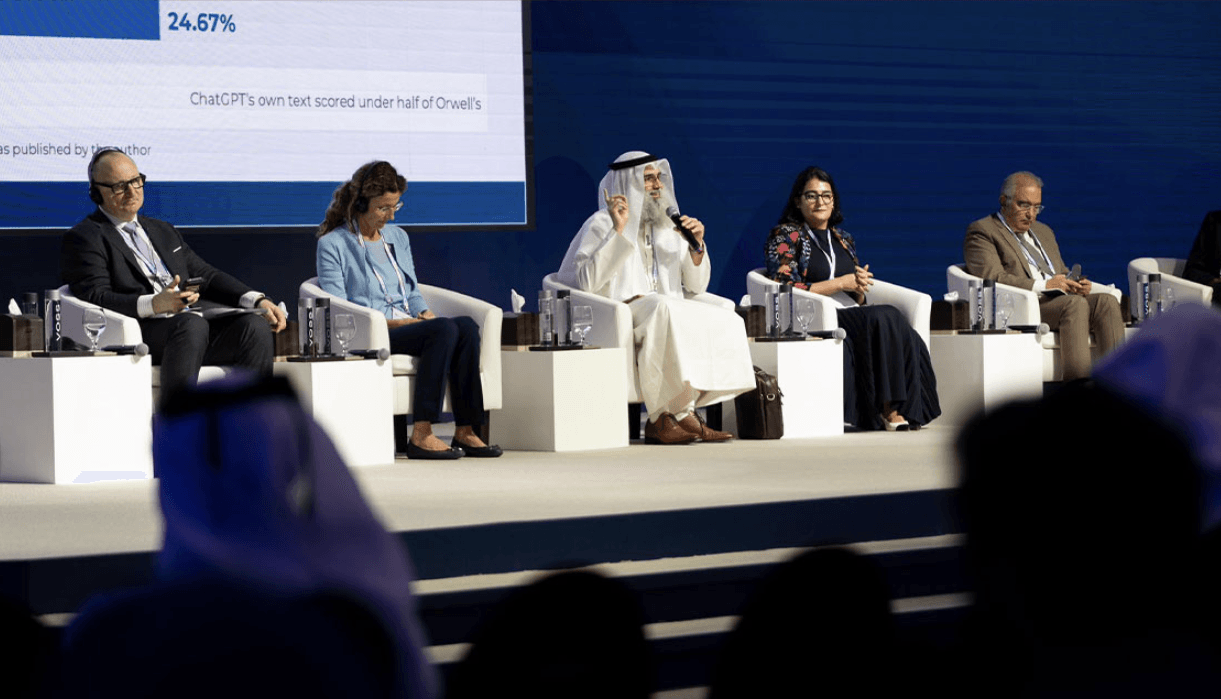
Fifth UNESCO Conference Concludes with Call to Strengthen Arab Higher Education
The Fifth UNESCO Conference on Higher Education in the Arab States concluded with recommendations on cooperation, recognition, AI and resilience.
Nov 4,2026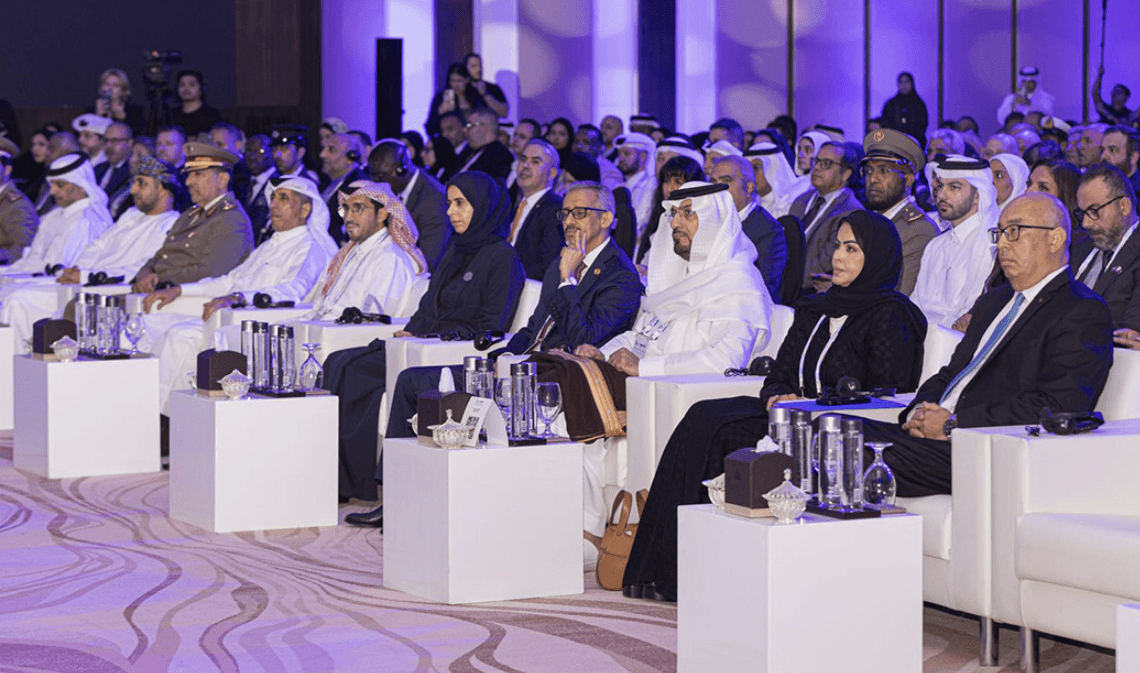
Fifth UNESCO Higher Education Conference Opens in Doha
The Fifth UNESCO Higher Education Conference in Doha gathers leaders to address innovation, challenges, and progress in Arab higher education.
Nov 3,2026