Fifth UNESCO Conference Concludes with Call to Strengthen Arab Higher Education
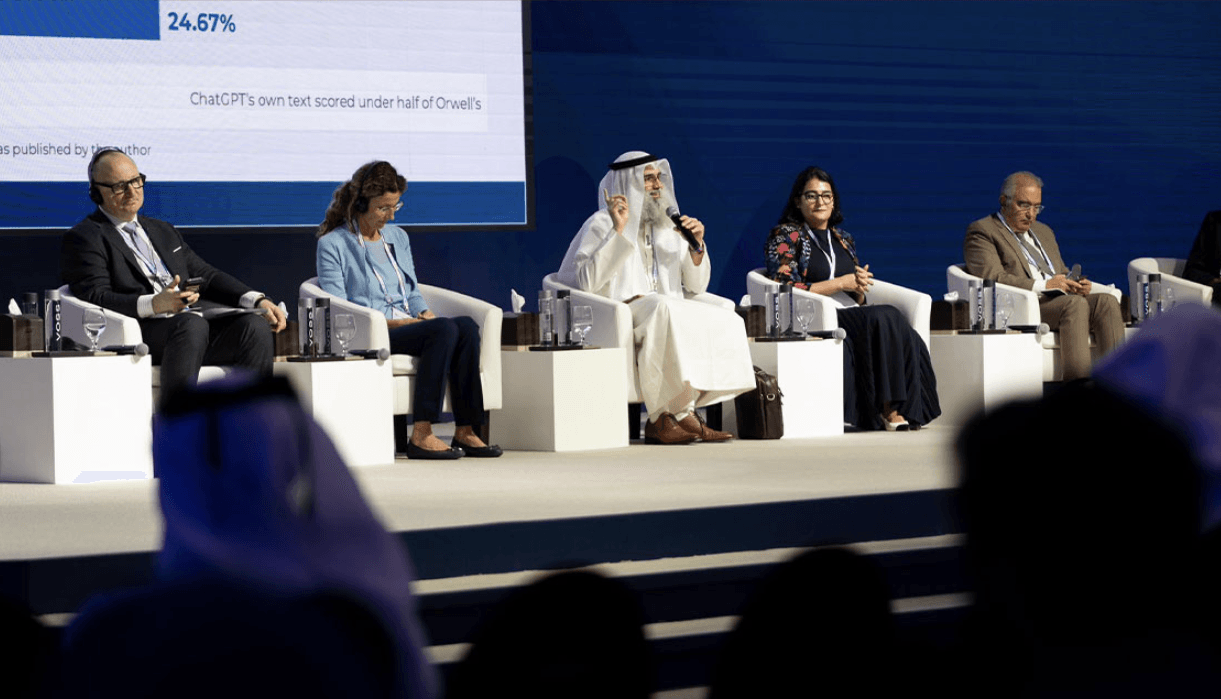
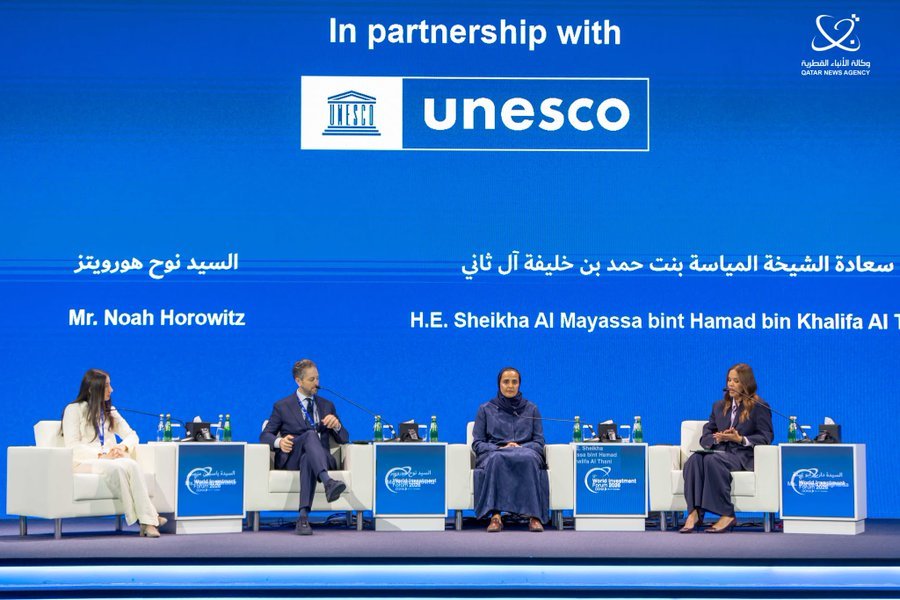
The Fifth UNESCO Conference on Higher Education in the Arab States concluded today by emphasising the importance of continued dialogue and cooperation among partners and stakeholders to develop higher education systems across the Arab region and keep pace with the sector's rapid regional and international transformations.
Organised by the Ministry of Education and Higher Education in cooperation with the United Nations Educational, Scientific and Cultural Organization (UNESCO) and the Qatar National Commission for Education, Culture and Science, the conference issued several recommendations.
These included strengthening regional and international cooperation to create a shared higher education space in the Arab region; establishing an integrated and reliable system for recognising academic qualifications; keeping pace with digital transformation and promoting the responsible use of artificial intelligence; strengthening the resilience of learners and support systems during crises; supporting scientific research; and empowering faculty members and researchers.
Held over two days under the theme "The New Learning Landscape in Higher Education in the Arab Region," the conference discussed key issues affecting the future of higher education. It also reviewed major transformations in the sector and the principal trends shaping its future across the Arab region.
The first session, titled "Joint Arab Regional Institutional Commitment: A Collective Foundation for Advancing Higher Education," was moderated by Dr Hareb Mohamed Said Aljabri, Assistant Undersecretary for Higher Education Affairs. Dr Borhene Chakroun, Director of the Division for Policies and Lifelong Learning Systems in UNESCO's Education Sector, reviewed major global higher education trends and regional development priorities, including quality assurance, governance, digital transformation, and student and researcher mobility.
HE Dr Mohamed Ould Amar, Director-General of the Arab League Educational, Cultural and Scientific Organization (ALECSO), addressed challenges arising from differences among academic systems, weak research coordination and limited academic exchange. He stressed the importance of building a shared Arab vision to strengthen the quality and competitiveness of higher education.
Dr Kuanysh Yergaliyev participated as a representative of the Islamic World Educational, Scientific and Cultural Organization (ICESCO), stressing the importance of cooperation among universities and the exchange of expertise and knowledge. Participants also discussed sustainable financing and resource mobilisation mechanisms to ensure the continuity of higher education, particularly in countries affected by conflict and crises.
The second session, titled "Shaping the Future of Higher Education in the Arab Region: From Recognition to Transformation," was moderated by Dr Tariq Al-Sindi, Secretary-General of the Arab Network for Quality Assurance in Higher Education (ANQAHE). It featured the launch of the Arabic edition of UNESCO's roadmap, "Transforming Higher Education: Global Collaboration on Visioning and Action."
Dr Borhene Chakroun reviewed the Revised Convention on the Recognition of Studies, Diplomas and Degrees in Higher Education in the Arab States and its objectives of strengthening mutual trust among higher education systems and facilitating academic mobility.
Sheikha Dr Naila Ahmad Al Thani, Senior Academic Expert at the National Committee for Qualifications and Academic Accreditation, presented Qatar's experience in developing its National Qualifications Framework and its role in strengthening the quality of academic qualifications and aligning them with national and international standards.
Dr Layal Rabih of the Lebanese Republic reviewed Lebanon's experience in recognising academic qualifications and proposed establishing an Arab regional platform for exchanging information and strengthening trust and integration among higher education institutions.
Dr Noah W. Sobe, Chief of Section for Higher Education at UNESCO headquarters in Paris, reviewed the roadmap's main foundations. These emphasise equity, equal opportunity, academic freedom, critical thinking, the responsible use of technology and artificial intelligence, international cooperation and sustainability.
During the third session, titled "Higher Education and Scientific Research: Linking Sustainable Development Goal Targets 4.3 and 9.5," and moderated by Salah Khaled, Director of the UNESCO Regional Office for the Gulf States and Yemen in Doha, participants discussed the role of data and evidence-based policies. They also examined the importance of national research systems and research partnerships in expanding access to higher education, promoting innovation and achieving sustainable development.
The fourth session, titled "Digital Transformation and Artificial Intelligence in Higher Education," was moderated by Dr Shaker Ahmed Al Ashwal, Director of Qatar Leadership Academy at Qatar Foundation. It addressed the responsible use of artificial intelligence in teaching, learning, scientific research and institutional governance, focusing on ethical considerations, digital competencies, quality assurance and inclusion.
The session opened with remarks by Dr Borhene Chakroun, who reviewed UNESCO's guidance on artificial intelligence for policymakers and its competency framework in the field.
The fifth session, titled "Promoting University Students' Health, Wellbeing and Resilience," examined the role of higher education institutions in providing environments that support mental and social wellbeing and help students manage pressure and crises while achieving balance and academic success.
Dr Ghalia Abdulrahman Al Thani, Executive Director of iMtiaz, the Performance and Digital Excellence Program at Qatar Foundation, shared her experience as a doctoral student in managing academic pressures and maintaining mental health while continuing to learn. Dr Rayya bint Salim Al-Mandhari, Dean of Student Affairs at Sultan Qaboos University, discussed the university's experience in promoting balance between personal life and academic requirements.
Eng. Rabee Abu Shamla, Director General of University Education at the Palestinian Ministry of Education and Higher Education, reviewed ways to sustain education during crises and presented the Palestinian experience in this field.
The sixth and final session, titled "Shaping the Future Labour Market," was moderated by Hamad Ali Al-Badr, Senior Career Development Specialist at Qatar Career Development Center. Participants discussed graduate employability and the future of work, the role of entrepreneurship and innovation in building entrepreneurial universities, and the importance of strengthening technical and vocational education and training to keep pace with emerging industries and digital transformation.
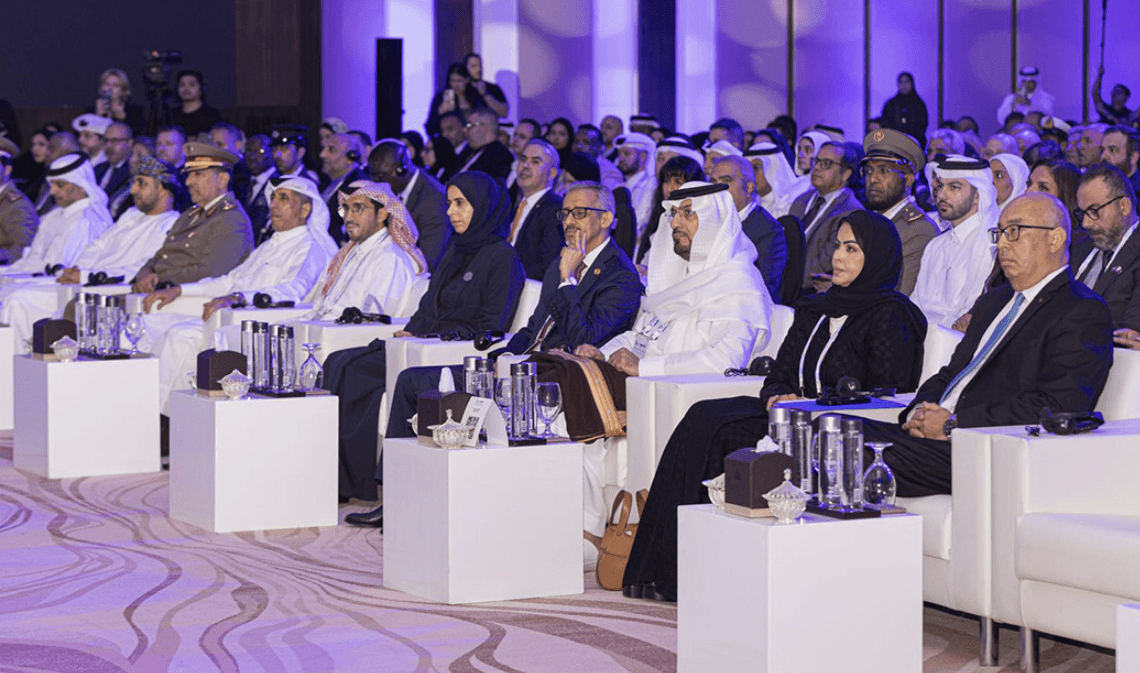
The conference provided a high-level platform for dialogue and the exchange of expertise, bringing together more than 400 participants from across the region and the world. They included delegations from 19 countries, university presidents, academics, researchers, practitioners, experts, and representatives of regional and international organisations.
Source: QNA
--
About Qatar Living:
Since 2005, Qatar Living has been the trusted destination for everything Qatar. As the country's largest online community and marketplace, Qatar Living connects people with opportunities through jobs, property, vehicles, services, classifieds, events, local insights, and breaking news. Trusted by residents, newcomers, visitors, and businesses alike, Qatar Living brings Qatar together in one place.
Instagram - @qatarliving
X - @qatarliving
Facebook - Qatar Living
YouTube - qatarlivingofficial