Experts and Senior Officials Meet at Second Doha Dialogue on Labour Mobility Between Africa and the GCC+
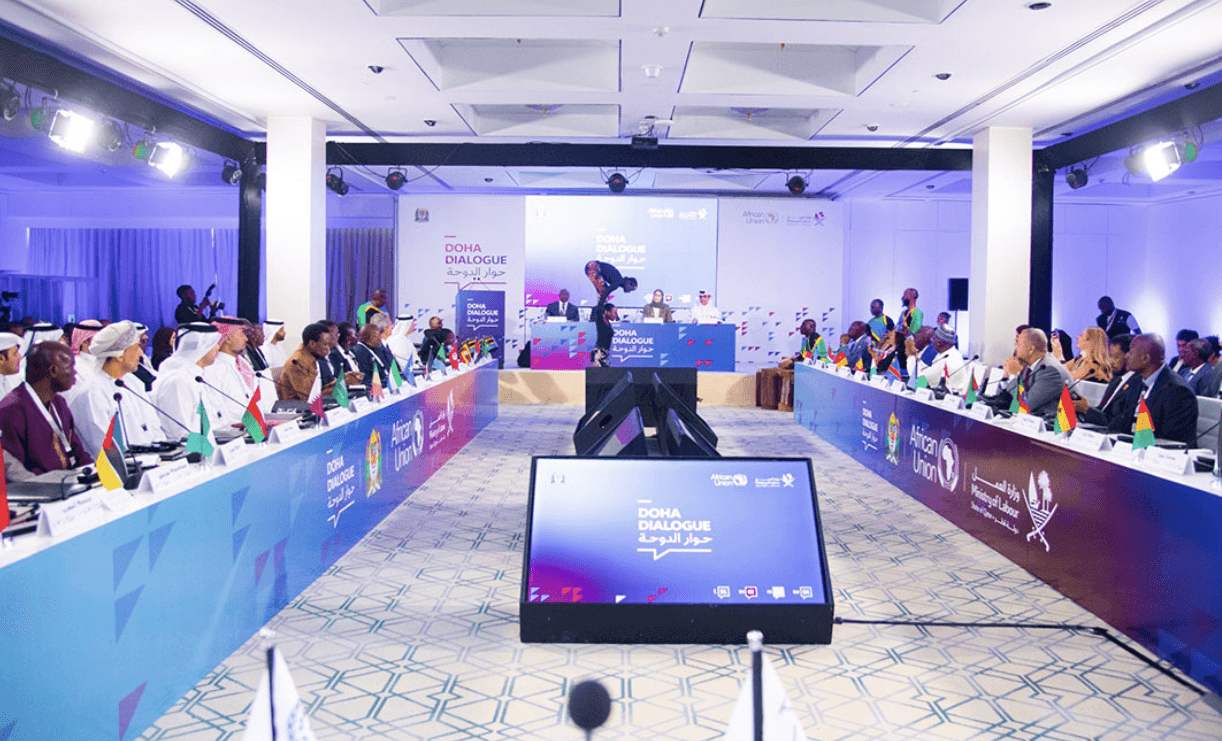
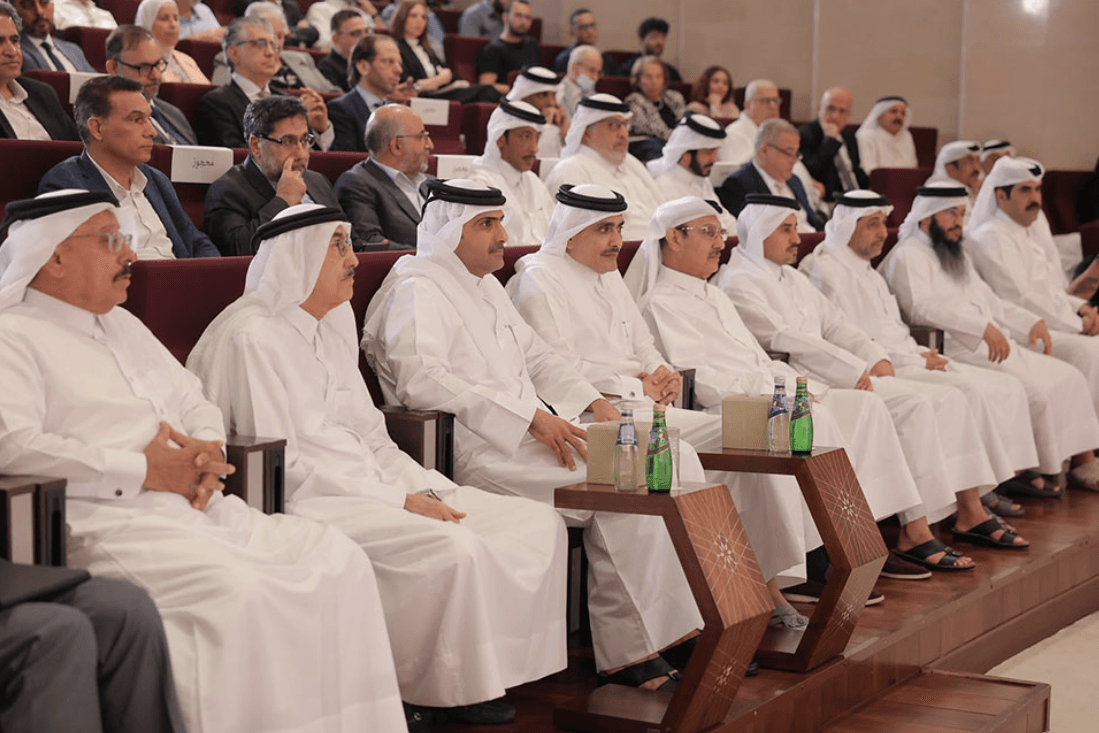
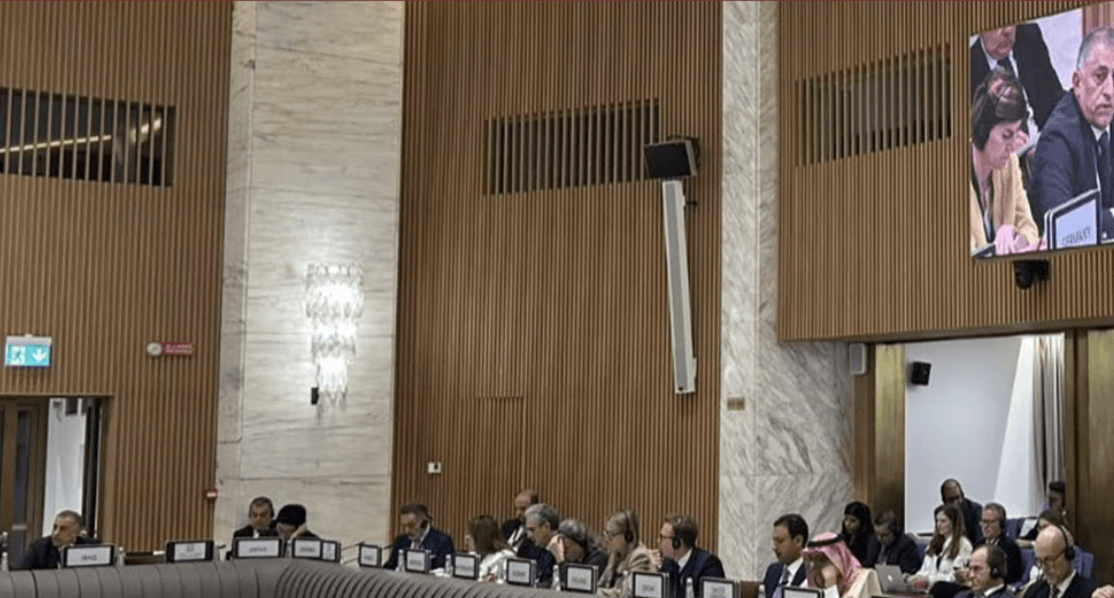
Senior officials and experts from more than 33 GCC, African and Arab countries convened today in Dar es Salaam, United Republic of Tanzania, for the Second Doha Dialogue on Labour Mobility between Africa and the GCC+.
Co-chaired by the United Republic of Tanzania, the State of Qatar and the African Union, the meeting brought together national delegations, the African Union Commission and leading international and regional organisations. Participants included the Executive Bureau of the GCC Council of Ministers of Labour and Council of Ministers of Social Affairs, the International Labour Organization, the Arab Labour Organization and the International Organization for Migration, alongside senior officials, specialists and civil society representatives.
Opening the proceedings, HE Sheikha Najwa bint Abdulrahman Al-Thani, Undersecretary of the Ministry of Labour, welcomed delegates and thanked the United Republic of Tanzania for hosting the Second Doha Dialogue. She also recognised the African Union Commission and all partner organisations for their contribution to its preparation and success.
She said Tanzania's hosting of the second edition gave practical expression to the partnership between countries of origin and destination. Bringing the Dialogue to Africa demonstrated that it was not a one-sided exchange, but a collective undertaking in which participating states shared responsibility for shaping a more orderly, equitable and productive future for labour mobility. Commending Tanzania's leadership, she expressed hope that delegates would build on the foundations laid in Doha.
The Doha Declaration on Labour Mobility, adopted in May 2024, had established an important foundation for co-operation between countries of origin and destination, she noted. The Dialogue's value should be measured not by the number of meetings convened or issues debated, but by the delivery of tangible, measurable and enduring results. The immediate priority was to define areas for joint implementation, assign clear responsibilities and establish mechanisms for measuring progress.
The Undersecretary identified three interconnected priorities spanning the full labour-mobility cycle: skills and labour-market pathways; fair recruitment, decent work and access to justice; and social protection. Effective action, she said, depended on closer co-ordination between countries of origin and destination and on solutions that were both integrated and practicable.
She set out a series of measures through which Qatar had translated these priorities into practical action. They included workforce planning; development of the National Occupational Classification; closer alignment between skills and employment opportunities; regulation of recruitment agencies; greater transparency in contracts before workers arrive; and the operation of Qatar Visa Centres in countries of origin. She also highlighted the Wage Protection System, complaints and dispute-resolution mechanisms, bilateral agreements and joint committees as institutional channels for addressing and following up on matters of shared concern.
These initiatives were presented as adaptable experience rather than a universal model. Drawing on the knowledge of all participating countries, she said, would support more effective responses tailored to the circumstances and needs of each country.
Although GCC and African countries faced common challenges in managing labour flows of considerable scale and diversity, their strategic interests were closely aligned: more orderly and productive labour markets; fairer and more efficient recruitment; stronger workforce capabilities; reliable access to the skills employers require; and effective safeguards against rights violations and irregular practices.
She called on delegates to move beyond general agreement on established principles by identifying deliverable areas of collective action and agreeing how success would be assessed. This would give ministerial deliberations a firm technical basis and establish the Doha Dialogue as an enduring framework for co-operation, rather than solely a forum for exchanging views.
Concluding her address, the Undersecretary said Qatar was engaging in the discussions in a spirit of partnership, ready to listen, share experience and pursue practical outcomes that advanced the participants' common interests and values. She urged delegates to use the Dialogue to move from words to action and produce tangible results reflecting the areas of consensus.
Zuhura Yunus Abdallah, Deputy Permanent Secretary, Prime Minister's Office, Labour, Employment and Relations, United Republic of Tanzania, said the meeting offered an important opportunity for experts and senior officials to examine the principal labour-mobility issues and develop practical recommendations and measures for ministerial consideration and adoption.
Labour mobility engaged the responsibilities of institutions across employment, foreign affairs, migration, skills development, education, social protection, health and justice, she said. It therefore required a coherent whole-of-government response supported by robust institutional arrangements. More systematic exchange of labour-market intelligence between countries of origin and destination would enable them to anticipate emerging challenges and co-ordinate responses to issues affecting migrant workers.
Abdallah called for closer collaboration among labour administrations in inspection, wage protection and occupational safety and health. Effective complaints and dispute-resolution mechanisms should offer migrant workers accessible avenues of redress throughout the employment relationship, while clearly defined responsibilities and referral pathways should ensure that workers receive the necessary assistance when disputes arise.
Bilateral labour agreements should serve as comprehensive implementation frameworks, she said, defining responsibilities and labour standards while governing recruitment, wage protection, access to justice and social protection. Stronger labour-migration data systems and cross-border information exchange were equally essential. Reliable evidence on labour flows, skills profiles, employment sectors, recruitment costs, wages, protection concerns, return and reintegration would enable governments to identify challenges early and assess the effectiveness of policies and interventions.
She also proposed a rigorous monitoring and accountability framework, supported by an implementation matrix specifying agreed actions, responsible authorities, timelines, required resources and performance indicators. Progress should be reviewed and reported regularly through the relevant bilateral, regional and Doha Dialogue mechanisms.
Ultimately, she said, the second edition would be judged by the progress it generated after its conclusion: stronger bilateral agreements, more efficient recruitment systems, effective skills-development pathways, better wage protection, improved access to justice, more comprehensive social protection and more reliable labour-migration data.
She urged participating countries to use the Doha Dialogue as a catalyst for co-ordinated action and an enduring partnership between Africa, the GCC states and partner countries. Such a partnership would uphold workers' rights, serve the interests of countries of origin and destination, strengthen co-operation and deliver measurable progress.
HE Mohammed Hassan Al Obaidli, Director-General of the Executive Bureau of the GCC Council of Ministers of Labour and Council of Ministers of Social Affairs, commended Qatar's initiative and its leading role in establishing and supporting the Dialogue. He also welcomed Tanzania's hosting of the second edition and acknowledged the African Union Commission and other partners for ensuring the success of the process.
He reaffirmed the Executive Bureau's full support for the Doha Dialogue as a strategic vehicle for moving from the exchange of views to an institutional and operational partnership between GCC and African countries. Grounded in shared interests and respect for workers' rights, the partnership should promote safe and orderly mobility and convert political commitments into measurable and implementable programmes and initiatives.
HE Al Obaidli highlighted the progress made by GCC states in education and vocational training, anticipating future skills needs and aligning training outcomes with labour-market demand. Digitalisation, enhanced exchange of labour-market information and skills development before departure and after arrival were also helping to raise productivity and expand opportunities for professional advancement.
GCC states had also reinforced decent-work frameworks, wage protection, contract documentation, labour inspection, dispute resolution and complaints channels. Further action included developing occupational safety and health standards, addressing heat-stress risks and strengthening co-operation with countries of origin throughout recruitment and employment.
The Executive Bureau hoped the Second Doha Dialogue would deepen co-ordination between social-protection institutions in countries of origin and destination, he said. It would also support the Dialogue's outcomes and establish clear arrangements for follow-up and implementation, together with the exchange of data, expertise and effective practices, advancing fairer, safer and more sustainable labour mobility, supporting development in countries of origin and destination, and safeguarding workers' dignity and rights.
Participants focused on three areas: workers' skills and labour-market pathways; decent work, wage protection and access to justice; and social protection and health coverage.
Discussions examined the exchange of sector-specific demand intelligence through designated contact points and the development of skills partnerships in sectors with sustained demand, including construction, hospitality, care, domestic work and transport. Delegates also considered pre-departure orientation covering contracts, rights and avenues of redress; the integration of skills transfer into return and reintegration policies; and closer alignment between pre-departure training, occupational requirements and employment contracts.
The meeting also reviewed Qatar's national policy framework, including the workforce pillar of the Third National Development Strategy 2024–2030, which promotes skills-based recruitment and higher productivity. Other measures included a non-discriminatory minimum wage covering domestic workers, a system for monitoring wage transfers, labour dispute-settlement committees established to adjudicate complaints within three weeks, and a fund safeguarding workers' entitlements if an establishment closes.
The meeting also included parallel regional consultations and discussion of the draft declaration ahead of its submission to the ministerial deliberations during the Second Doha Dialogue on Labour Mobility.
Established under an agreement between the State of Qatar and the African Union, the Doha Dialogue is a voluntary, non-binding and state-led consultative platform. It enables African and GCC countries to exchange expertise and apply best practices, strengthening regional co-operation and partnerships designed to improve labour mobility from African countries.
Source: QNA
--
About Qatar Living:
Since 2005, Qatar Living has been the trusted destination for everything Qatar. As the country's largest online community and marketplace, Qatar Living connects people with opportunities through jobs, property, vehicles, services, classifieds, events, local insights, and breaking news. Trusted by residents, newcomers, visitors, and businesses alike, Qatar Living brings Qatar together in one place.
Instagram - @qatarliving
X - @qatarliving
Facebook - Qatar Living
YouTube - qatarlivingofficial