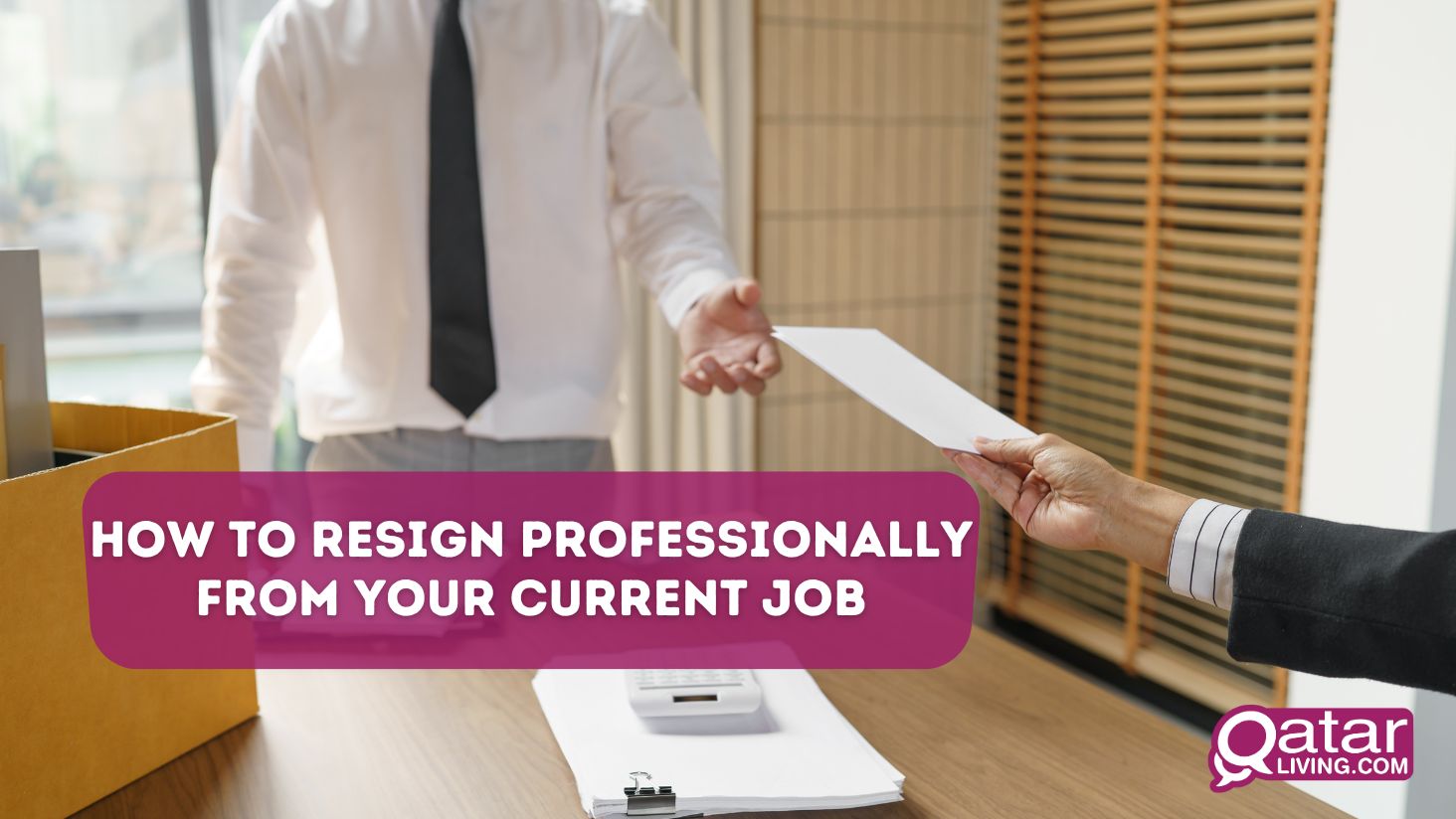
Transitioning between jobs can be tricky. You want to join your new job with renewed enthusiasm but also leave your current one with positivity and grace. Every so often a better opportunity comes along that excites you enough to change your job. While that is great, it is equally important to resign in an agreeable manner with your current employers because not doing so could decrease your chances of a good reference and leave a negative impression on your workplace.
Read more to find out how you can resign professionally from your current job and leave the current company on good terms. We share tips that will ensure you leave respectfully and with an excellent reference for your future jobs.
Submit an official resignation letter
It is absolutely necessary to submit a letter of resignation as the company would require an official announcement of your intent to leave the service. The polite way is to submit an official resignation stating your intent to leave the job, your date of resignation, and specify your notice period (if any) along with your last day of work. This proves that while you may have a better opportunity, you still care about your current employer and wish to leave with a positive relationship with the company. Refrain from quitting your job over the phone or not turning up to the office without communicating your intention to resign as it is conceived as highly unprofessional.
 Complete your notice period (if any)
Most mid-level and senior-level positions require a considerable notice period for employees who have resigned. This helps the employer find a suitable replacement, hire them and get them trained by you so work can continue without much hassle even after you leave. It is important that you complete your notice period (if any) according to company policy after you submit your resignation and help transition out of the role.

Discuss feedback and reasons with the employer
Your employer deserves to know the reason for your resignation. Once you submit your resignation letter, have a one-to-one meeting with your employer or hiring manager about your reasons to leave. Whether you are quitting under stressful circumstances or leaving the job for a better opportunity elsewhere, make sure to respectfully communicate your intent. Feel free to share constructive feedback about the company for all the time you spent working here.

Tie up the loose ends
Once you have decided to leave and are serving your notice period, it is vital to ensure you tie up all loose ends. Especially if you were in a role that required your coordination with various teams and external clients, it is necessary to finish all ongoing tasks. Whether it is finishing incomplete projects or completing financial obligations (invoices, billing, reimbursements, etc.) or lending your expertise, tying up loose ends ensures your employer has everything sorted and doesn’t have to struggle in your absence post your exit.

Hand over and train your replacement
In case your employer has successfully hired a replacement for you during your notice period, offer to train them for the role. Teach them the roles and responsibilities of your role, explain how to navigate through their tasks, and help transition them into your role. This ensures operations continue to go on with minimal hassle even after you leave the company.

Leave on a positive note
With the end of every job comes an opportunity to leave a lasting positive impression at your workplace. Once you follow all the steps to a professional resignation, it creates a pleasant impact of your work tenure on your colleagues and employer. Remember to email your gratitude and appreciation for the work you have done with them and a wish to stay connected. Request your hiring manager or employer to provide you with a good reference for your future roles. Wish the company good luck in their future endeavors and leave on a positive note.

Leaving your current job for a better opportunity needn’t always be a stressful experience. Irrespective of your reason for leaving, these tips will help you resign in a professional manner and ensure you create positive professional relationships in the long run.
--
Make sure to check out our social media to keep track of the latest content.
Instagram - @qatarlivingjobs
Twitter - @qljobs
Facebook - Qatar Living Jobs
LinkedIn - Qatar Living Jobs