Qatar Lease Law: Key Terms for Tenants & Landlords
Last reviewed: 16 November 2026
Last verified: June 2026. This guide reflects Law No. 4 of 2008 and the status of the 2026 draft amendment as reported at the time of writing. Always confirm the latest position with the authorities before you rely on any figure.
Whether you are renting a flat on The Pearl, a villa in Al Wakra, or a shop in a West Bay tower, the same core rules apply: Qatar's lease relationship is governed by Law No. 4 of 2008 Regarding Property Leasing. Get your head around a handful of key terms — the written lease, registration, the annual fee, the deadlines and where to go when things go wrong — and you will sidestep most of the trouble that catches tenants and landlords off guard. Here are the Qatar lease law key terms every tenant and landlord should know, in plain English.
Qatar Lease Law in a nutshell
Law No. 4 of 2008 sets out the rights and obligations of landlords (the law calls them lessors) and tenants (lessees). In short, it requires leases to be written, requires the landlord to register them, sets a registration fee, and creates a dedicated body — the Rental Dispute Settlement Committee — to resolve tenancy disputes instead of the ordinary courts. It is written for every resident in Qatar, not any one group.
You can read the full text of Law No. (4) of 2008 Regarding Property Leasing on Al Meezan, Qatar's official legal portal.
Which leases the law covers
The law applies broadly. It covers premises used for residential, commercial, industrial or other purposes, and it even extends to furnished units leased for more than one month. So the expat renting an apartment, the family renting a compound villa, and a business renting office or retail space are all within its scope.
Key terms every tenant and landlord should know
The written lease
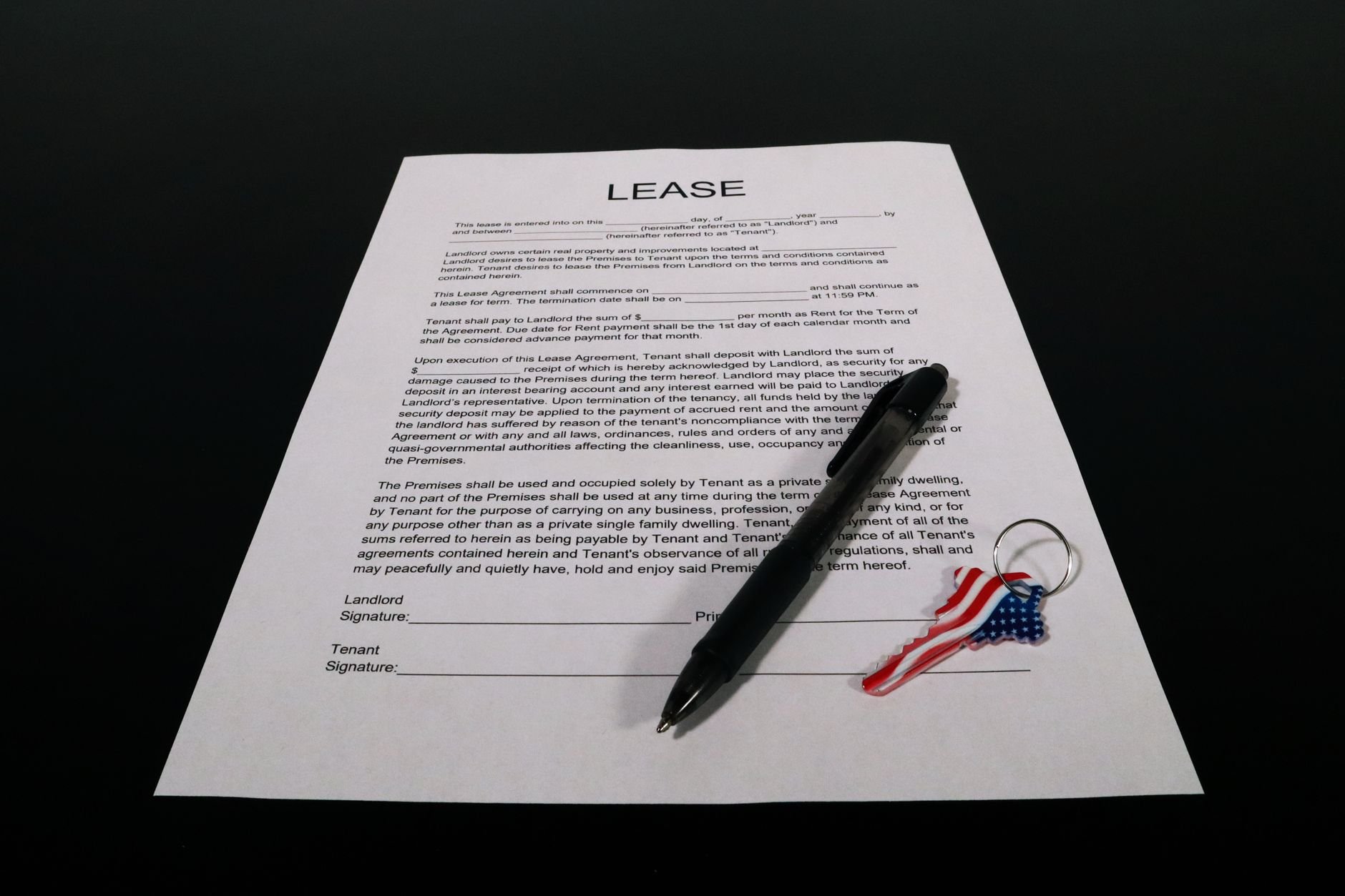
A lease covered by the law must be in writing. The contract has to state:
- the names, nationalities and addresses of both parties;
- the lease term;
- the rent and the payment method;
- a description of the premises;
- the purpose of the lease; and
- any other terms the parties agree.
Before you sign, check that every one of these details is accurate — a vague or incomplete contract is the first thing that trips tenants up later.
Lease registration
This is the term most newcomers miss. The landlord — not the tenant — must register the lease at the Real Estate Lease Registration Office set up by the Ministry, and must do so within 30 days from the lease's effective date.
Registration matters enormously to tenants, for a reason explained below: it affects your ability to go to the dispute committee. The requirement under the law is the written lease containing the statutory particulars. For the current list of identity documents or attachments to bring — and for office hours and contact details — confirm with the registration office directly or check the Ministry of Municipality website, as the law text itself does not publish a separate document checklist.
The registration fee
The law sets an annual registration fee of 1% of the premises' annual rental value, payable by the landlord. As an example, on a flat renting for QAR 6,000 a month — around QAR 72,000 a year — that works out at typically around QAR 720 for the year. The rate can be amended by ministerial decree, so always treat the figure quoted at the office as the authoritative one.
Late-registration increases
Miss the 30-day window and the fee climbs steeply. Under the law the registration fee increases by:
- 25% for the first month of delay;
- 50% for the second month;
- 75% for the third month; and
- 100% for any delay exceeding three months.
Any fraction of a later month counts as a full month, so even a few days into a new month triggers the next tier. Landlords, diarise that 30-day deadline the moment the lease starts.
You can review these obligations in the registration and fee articles of Law No. 4 of 2008 on Al Meezan.
Why registration protects both sides
Here is the single most important consequence of registration. A tenant's application to the Rental Dispute Settlement Committee or the judicial authorities will generally not be considered unless the lease is registered. The only carve-out is for tenancies entered into before 15 December 2008.
In practice, a tenant on an unregistered lease can find the door to formal remedies closed. If your landlord has not registered, it is in your interest to raise it — a registered lease is your ticket to protection. You can read the scope and this registration condition in the general provisions of the Property Leasing Law.
Rental disputes: the Rental Dispute Settlement Committee
Disputes over rent, eviction, maintenance obligations or contract terms covered by the law are handled by the Rental Dispute Settlement Committee, not the general courts. This specialised route is designed to be faster and more focused on tenancy issues.
How to file a dispute
To bring a case, the applicant submits a written application to the Committee's secretariat after paying the prescribed fee. The application must:
- identify the applicant and the opposing party;
- state the addresses of both parties;
- summarise the claim;
- include a supporting memorandum with documents; and
- include copies for the other parties and for the secretariat.
A couple of practical points. First, the filing fee stated for a dispute submitted to the Committee is QAR 100. Second, any document that is not in Arabic must be accompanied by a reliable Arabic translation — so budget time to get your English contract or correspondence translated. Finally, the Committee chair may require a party to provide further clarifications or documents, and failure to comply can lead to a fine of up to QAR 500.
The procedural details are set out in the rules governing the Rental Dispute Settlement Committee on Al Meezan.
Appeals
A Committee decision is not necessarily the end. It may be challenged before the competent Court of Appeal within 15 days. The clock runs from the announcement of the decision if the parties attended, or from the day after issuance for a decision made in absence (absentia). If you intend to appeal, act quickly — 15 days passes fast.
The 2026 amendment: what is changing
The leasing framework is being updated, but note it is not yet in force. On 21 January 2026, the Cabinet approved a draft law amending Law No. 4 of 2008 and referred it to the Shura Council. The stated aims were to tackle the illegal subdivision of real-estate units, limit the effects of unregistered leases, and reduce registration fees.
Official Cabinet information later referred to this as Law No. 8 of 2026 amending the Property Leasing Law, with objectives including addressing illegal subdivisions, expediting rental-dispute settlement, and reducing lease-registration fees. Until the law is enacted and the detail is published, treat it as a pending amendment rather than the current rules.
One important caution: the official sources do not yet state a revised registration-fee amount or a new registration procedure. So until the authorities publish the detail, the 1% fee and the process described above remain your reference point. Check the Council of Ministers news page for the latest confirmed updates before relying on any figure you hear second-hand.
Practical checklist before you sign
- Get everything in writing — names, nationalities, addresses, term, rent, payment method, premises description and purpose.
- Confirm registration — the landlord must register within 30 days; as a tenant, ask for proof.
- Know who pays the fee — the 1% annual registration fee is the landlord's responsibility.
- Keep copies — of the signed lease, receipts and any correspondence.
- Translate ahead of time — if a dispute arises, non-Arabic documents need a reliable Arabic translation.
- Watch the 15-day clock — on any Committee decision you want to appeal.
FAQs
Who is responsible for registering a lease in Qatar?
The landlord (lessor) must register the lease at the Real Estate Lease Registration Office within 30 days of the lease's effective date. The tenant should ask for proof that this has been done.
How much is the lease registration fee?
The law sets an annual registration fee of 1% of the premises' annual rental value, payable by the landlord. The rate may be changed by ministerial decree, so confirm the current figure at the registration office.
What happens if a lease is not registered?
A tenant's application to the Rental Dispute Settlement Committee or the courts generally will not be considered unless the lease is registered, except for tenancies entered into before 15 December 2008. Late registration also increases the fee by up to 100%.
How do I file a rental dispute in Qatar?
Submit a written application to the Rental Dispute Settlement Committee secretariat after paying the prescribed fee (stated as QAR 100). Identify both parties, summarise your claim, and attach a supporting memorandum and documents, with copies. Non-Arabic documents need a reliable Arabic translation.
Can I appeal a Committee decision?
Yes. A Committee decision may be challenged before the competent Court of Appeal within 15 days — from the announcement if the parties attended, or from the day after issuance for a decision made in absence.
Has the lease law changed in 2026?
The Cabinet approved a draft amendment to Law No. 4 of 2008 in January 2026 (later referred to as Law No. 8 of 2026), aiming to address illegal subdivisions, speed up dispute settlement and reduce registration fees. It is a pending amendment, not yet in force, and the revised fee and procedure had not been published at the time of writing — so check the Council of Ministers before relying on new figures.
Official sources
- Al Meezan — Law No. (4) of 2008 Regarding Property Leasing
- Al Meezan — registration and fee articles
- Al Meezan — general provisions of the Property Leasing Law
- Al Meezan — Rental Dispute Settlement Committee rules
- Council of Ministers news page
Found a place you love? Browse the latest villas and apartments to rent in our Qatar properties listings on Qatar Living and ask your landlord to confirm the lease is registered before you sign.
This guide is general information, not legal advice. Rules and fees can change — always confirm with the official sources linked above before you act.
Stay updated with the latest news, events, sports updates, business insights, real estate and lifestyle stories on Qatar Living — the leading online platform for residents, expats, and visitors in Qatar.
Follow Qatar Living for daily updates:
- Instagram - @qatarliving
- X - @qatarliving
- Facebook - Qatar Living
- YouTube - qatarlivingofficial