Qatar Vehicle Inspection (FAHES): How to Pass in 2026
Qatar Vehicle Inspection (Fahes) in 2026: the quick answer
When your vehicle registration (Istimara) is due for renewal, you first need to pass Qatar's mandatory annual technical inspection — known locally as Fahes (also referred to as Fihris). A standard private car inspection typically costs around QAR 150 in 2026, the report is valid for 30 days, and brand-new private cars are generally exempt for their first few years, with inspection kicking in as the car gets older. Here's how the whole thing works — and how to pass first time.
The figures and rules below reflect current MOI Traffic Department and FAHES practice. Fees and exemption periods can change, so always confirm the latest details on the MOI portal or with your FAHES centre before you go.
What is the Fahes / Fihris inspection?
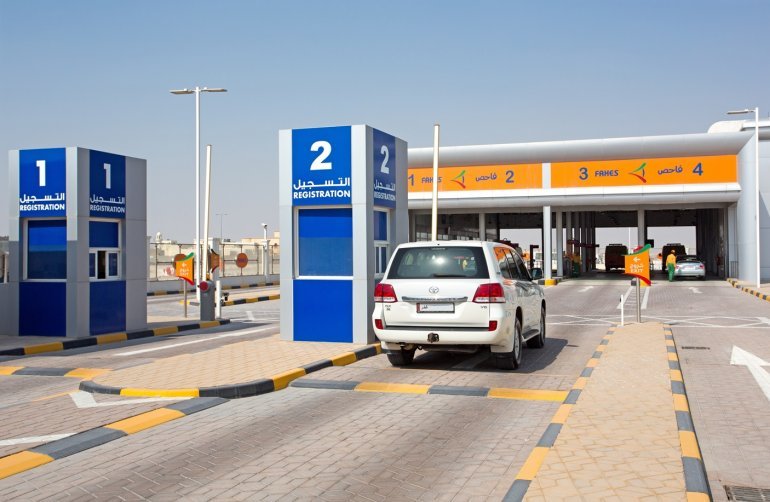
Fahes is Qatar's compulsory roadworthiness check. Before the Traffic Department will renew your registration, your car must pass a technical inspection confirming it's safe and mechanically sound. Think of it as the gatekeeper between you and a valid Istimara for another year.
The inspection itself is quick — often under 20 minutes at a service centre if there's no queue — but it's not a rubber stamp. Cars fail every day in Doha on worn tyres, blown bulbs and cracked windscreens, so a few minutes of prep at home can save you a return trip.
When does your car need an inspection?
New cars and the exemption period
If you've just bought a brand-new car in Qatar, you can relax for a while. Private passenger cars are generally exempt from inspection in their first years after initial registration, after which the annual inspection becomes mandatory and is timed to your registration renewal. Exemption periods can be adjusted, so check the current rule on the MOI portal if you're unsure where your car stands.
Commercial vehicles, trucks and motorcycles
There's no honeymoon period for the rest. The following typically need an inspection every year from first registration:
- Motorcycles
- Taxis and public/private transport vehicles
- Heavy vehicles (over 3,000 kg)
- Trailers, semi-trailers and heavy equipment
The rule of thumb: if it earns money or hauls weight, it gets inspected annually from day one.
How much does the inspection cost in 2026?
Fees at FAHES centres are set by vehicle category. For 2026, expect:
- Private passenger car — typically around QAR 150
- Light vehicle (taxi, private & public transport up to 3,000 kg) — around QAR 160
- Motorcycle — around QAR 100
- Heavy vehicle (over 3,000 kg) — around QAR 250
- Trailer / semi-trailer / heavy equipment — around QAR 300
Payment is taken at the centre. Budget a little extra time in case something needs fixing before you can pass.
What documents you need to bring
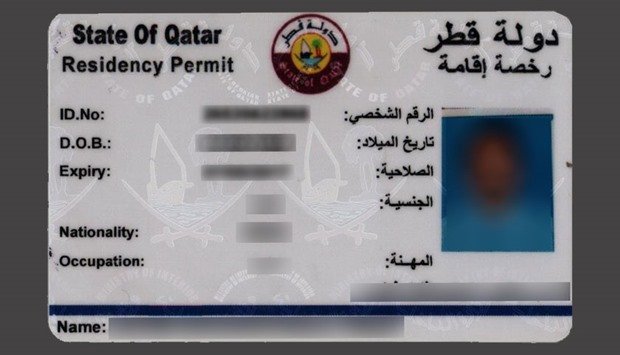
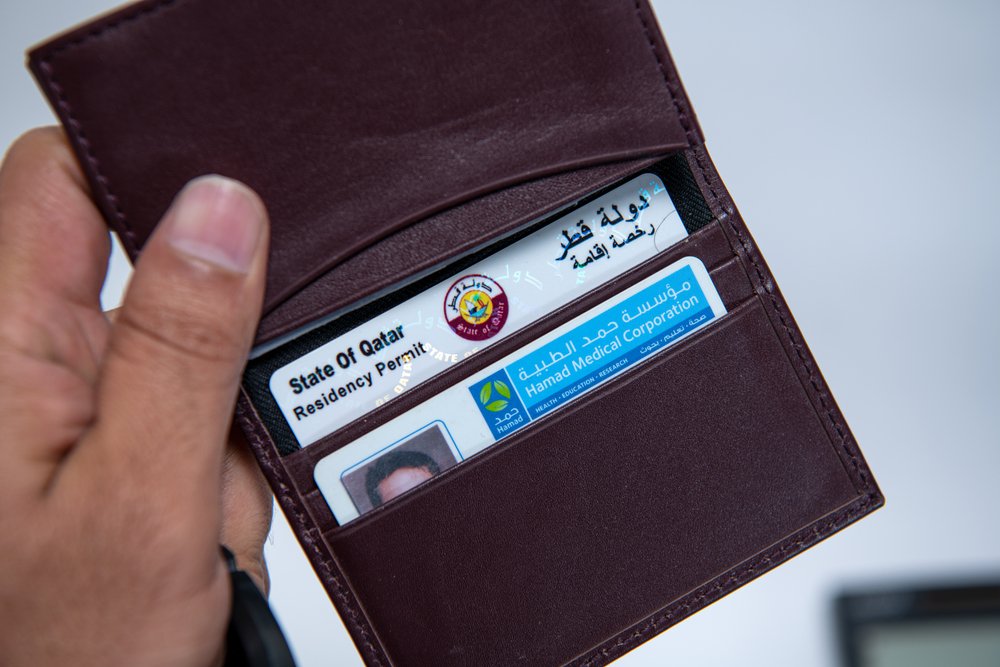
Keep it simple — the main thing the centre needs is your vehicle registration card (Istimara). Bring it along with the Qatari ID (QID) of the driver presenting the vehicle, and make sure any outstanding traffic fines are cleared, as unpaid violations can block your registration renewal even after you pass.
It's worth checking your parking and traffic fines online — via the MOI portal or the Metrash2 app — before you go, so there are no surprises at the Traffic Department stage.
What the inspection actually checks
Technicians run through the safety and emissions-critical systems of your car. Common checkpoints include:
- Tyres — tread depth and condition (bald or cracked tyres are a frequent fail)
- Lights — headlights, indicators, brake lights and number-plate lamps all working
- Brakes — brake performance on the test rollers
- Windscreen — no large cracks obstructing the driver's view
- Steering and suspension — no excessive play or leaks
- Exhaust and emissions — within permitted limits
- Horn, wipers and mirrors — all functioning
- Chassis and body — no dangerous corrosion or unsafe modifications
Qatar's summer heat is brutal on cars, so cracked wiper blades, faded bulbs and tired batteries are common — sort these before you arrive.
If you fail: re-inspection and the 30-day cycle
Failing isn't the end of the world. Your inspection report is valid for 30 days, which gives you a window to fix the fault and return for a re-test. Re-inspection rules and any free re-test allowance are set by the MOI Traffic Department and FAHES, so confirm what applies to your vehicle category at the centre before you leave.
The key point: if your car doesn't pass within the 30 days, the cycle resets, and you start a fresh main inspection with every item re-tested from scratch. That's why it pays to fix the problem quickly and come back promptly.
How to pass first time: a pre-inspection checklist
Save yourself a return trip with this quick home check the night before:
- Walk around all lights — headlights (high/low), indicators, brakes, reverse and plate lights. Replace any dead bulbs.
- Check tyres — enough tread, no bulges or cracks, correct pressure. Include the spare where relevant.
- Test the horn and wipers — top up washer fluid and replace perished blades.
- Inspect the windscreen — a large crack in the driver's line of sight will fail you.
- Listen for brake and suspension noises — get any grinding or knocks looked at first.
- Clear warning lights — May result in a failed inspection depending on the underlying fault.
- Clear outstanding fines — so your registration renewal isn't blocked.
If your battery has been struggling in the heat, replace it before test day — a weak battery causes electrical faults that show up during inspection.
After you pass: renewing your Istimara
Once you pass, you have 30 days to complete Traffic Department approval and renew your registration. Many drivers now renew the Istimara online via the MOI portal or the Metrash2 app once fines are cleared, which saves a trip to the traffic office. Keep your renewed registration card in the car — you'll need it if you're stopped, or if you plan to sell.
A freshly passed Fahes and a valid Istimara make your car far easier to sell, and buyers will ask for both. Ready to move it on or upgrade? Browse the latest cars for sale on Qatar Living.
FAQs
How much is the Fahes inspection for a private car in 2026?
A standard private passenger car inspection is typically around QAR 150 at FAHES centres. Fees differ for motorcycles (around QAR 100), heavy vehicles (around QAR 250) and trailers (around QAR 300).
How long is the inspection report valid?
The Fahes technical inspection report is valid for 30 days, giving you time to complete Traffic Department approval and renew your Istimara.
Do brand-new cars need a Fahes inspection?
Private passenger cars are generally exempt for their first years after initial registration, after which an annual inspection is required. Motorcycles, taxis, heavy vehicles and trailers are typically inspected every year from first registration. Exemption periods can change, so confirm the current rule on the MOI portal.
What happens if I fail the inspection?
Your report stays valid for 30 days, giving you time to fix the fault and return for a re-test. If you don't pass within that window, a new inspection cycle begins. Ask your FAHES centre about re-inspection fees and any free re-test that applies to your vehicle category.
What documents do I need for the inspection?
Bring your vehicle registration card (Istimara) and your QID, and make sure any outstanding traffic fines are cleared before renewal.
What are the most common reasons cars fail?
Worn or cracked tyres, blown bulbs, a cracked windscreen in the driver's view, brake issues and emissions problems are the usual culprits — most are cheap and quick to fix beforehand.
--
Stay updated with the latest news, events, sports updates, business insights, real estate and lifestyle stories on Qatar Living — the leading online platform for residents, expats, and visitors in Qatar.
Follow Qatar Living for daily updates:
- Instagram - @qatarliving
- X - @qatarliving
- Facebook - Qatar Living
- YouTube - qatarlivingofficial