QNB Expects US-Iran Escalation to Weigh on Asian Economies for Longer
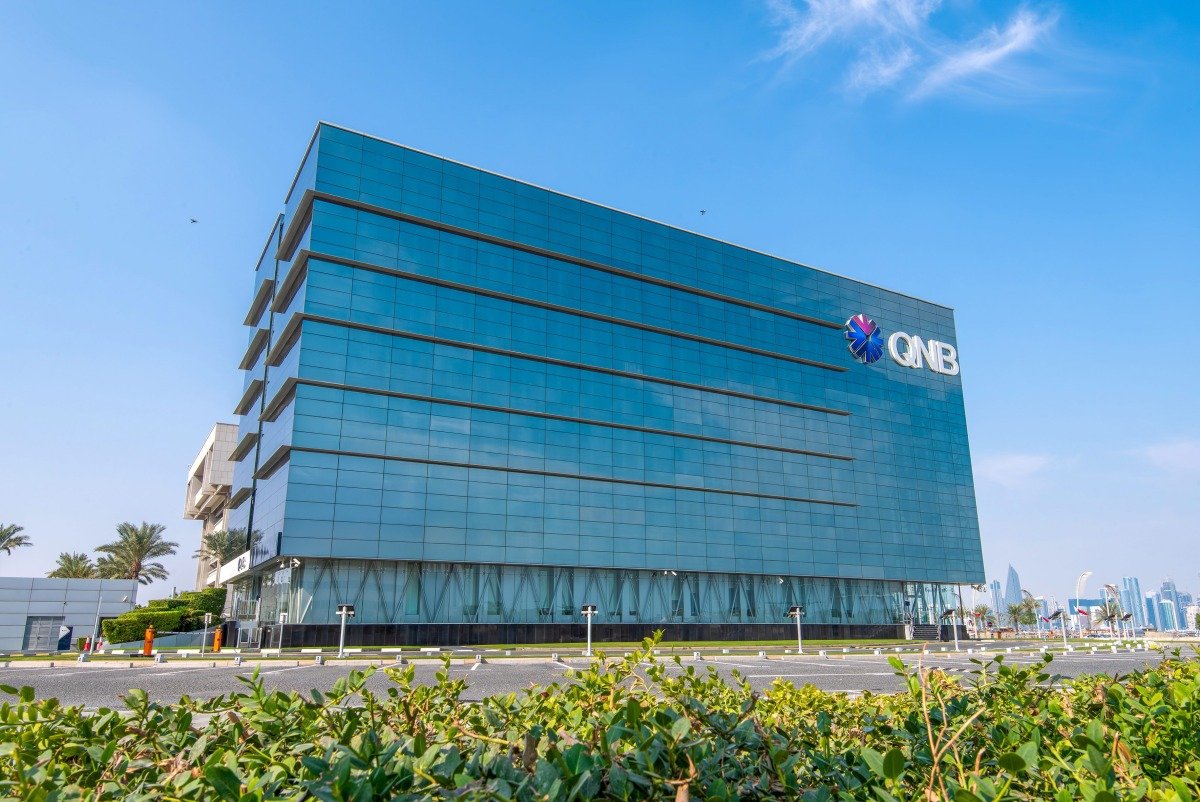
QNB expects the impact of the military escalation between the United States and Iran to continue affecting financial conditions, foreign exchange reserves and food security for a longer period, even after the crisis ends, across most frontier and emerging economies in Asia.
In its weekly report, the bank said Asian central banks are facing a complex challenge as they seek to balance support for weakening economic growth with efforts to limit inflationary pressures.
QNB said Asia’s energy crisis will not end simply with the signing of an agreement between the United States and Iran. Instead, it will end only when supply chains, reserves and price levels across the region fully return to normal.
The report said the military escalation between the United States and Iran caused one of the largest energy supply shocks in history, following the closure of the Strait of Hormuz and the disruption of around one-fifth of global oil and liquefied natural gas trade flows.
As a result, Brent crude prices reached a peak of $118 per barrel before falling below $80 per barrel in mid-June as signs of a ceasefire emerged. However, global oil inventories continued to decline rapidly.
Asia is among the regions most affected by the major disruption in energy supplies, as around 80 percent of its crude oil imports and 90 percent of its liquefied natural gas imports usually pass through this vital maritime route.
The report said governments across Asia responded with emergency measures not seen since the COVID-19 pandemic. These included fuel rationing, four-day work weeks, restarting coal plants and drawing record volumes from strategic oil reserves.
QNB said this raises questions about the persistence of inflationary pressures across the continent.
The report also reviewed the impact of the escalation on advanced and emerging Asian economies, particularly its effect on inflation. It said withdrawals from strategic oil reserves across Asia formed the first line of defence against the supply shock.
Japan and South Korea, which usually source 95 percent and 70 percent of their oil needs from the Middle East respectively, have strategic reserves equivalent to around 30 weeks of supply.
China, despite being the world’s largest crude oil importer, remains able to access Iranian and Russian energy supplies through routes that do not pass through the Strait of Hormuz. It can also shift to domestic coal for electricity generation.
QNB said the options available to most other Asian economies appear more limited compared with China.
The report noted that India, Vietnam, Singapore, Bangladesh, Pakistan and Sri Lanka hold limited strategic reserves lasting between 30 and 90 days.
It added that the latter countries in this group face greater risks due to limited foreign exchange reserves and restricted fiscal space, which reduces their ability to absorb the supply shock.
QNB said the impact of the energy shock on inflation is transmitted through three main channels at the same time.
The first and fastest channel is the direct impact of higher oil and gas prices on fuel, electricity and transport costs. This is reflected in higher container shipping costs, petrol queues, increased electricity tariffs and aviation fuel charges across the region.
The second channel is food and fertiliser prices. Disruptions to petrochemical supply chains have reduced the availability of raw materials for fertilisers derived from liquefied natural gas, raising agricultural input costs and threatening food security in South and Southeast Asia.
The third channel is currency depreciation. Higher energy import bills have weakened trade balances and increased capital outflows across Asian economies, pushing currencies lower against the US dollar and increasing imported inflation beyond the direct impact of higher energy costs.
QNB said the simultaneous effect of these three channels is worsening inflationary pressure in the region, with inflation expected to reach 5.2 percent this year, compared with 3.0 percent last year.
The bank concluded that the announcement of an agreement between the United States and Iran offers cautious optimism, but stressed that a quick resolution would not immediately stabilise prices and supplies.
QNB expects production and trade patterns across Asia to return to pre-escalation levels only by early next year.
The report added that mine clearance, the resumption of logistics services through the strait and the restart of halted production fields could require months of sustained efforts.
--
About Qatar Living:
Since 2005, Qatar Living has been the trusted destination for everything Qatar. As the country's largest online community and marketplace, Qatar Living connects people with opportunities through jobs, property, vehicles, services, classifieds, events, local insights, and breaking news. Trusted by residents, newcomers, visitors, and businesses alike, Qatar Living brings Qatar together in one place.
Instagram - @qatarliving
X - @qatarliving
Facebook - Qatar Living
YouTube - qatarlivingofficial
Up Next

Deutsche Bank Expands Qatar Operations with New Research Centre of Excellence
Deutsche Bank expands in Qatar with a new Research Centre of Excellence in Doha, enhancing market insights and strengthening its Middle East presence.
Jul 10,2026
OVERSEAS NETWORK OPENS MENA REGION HEADQUARTERS IN QATAR, APPOINTING ALI SAAD AS MANAGING DIRECTOR
Overseas Network opens its MENA headquarters in Qatar, appoints Ali Saad as Managing Director, expanding luxury travel and sports hospitality services.
Jul 9,2026
Minister of State for Foreign Trade Meets Heads of International Organisations in Geneva
Minister of State for Foreign Trade meets international organization leaders in Geneva to boost cooperation in trade, investment, and innovation.
Jul 8,2026
QCB Foreign Exchange Reserves Rise 1.24% Year-On-Year
Qatar Central Bank's foreign exchange reserves rose 1.24% year-on-year in June 2026, driven by increased gold and bank balances.
Jul 8,2026