What to do if your Employer delays your salary

Qatar has around two million expatriate workers, and the law is very clear that salaries must be paid within 7 days of the due date under Labour Law No. 14 of 2004 and its implementing regulations. When employers delay wages, withhold passports, or ignore basic rights, workers can use official channels to complain and trigger investigations.
To support workers, the Ministry of Labour (MoL) operates a wage protection system and multiple complaint channels (online, SMS, hotline, offices, and kiosks), while the National Human Rights Committee (NHRC) offers an additional route when rights are violated.
Workers can complain if:
- Salary is delayed beyond 7 days from the due date.
- Overtime, end‑of‑service gratuity, or other financial dues are not paid.
- Employer keeps the worker’s passport without a valid official reason.
- Accommodation or working conditions violate safety or health standards.
- Employer blocks transfer of sponsorship despite legal eligibility.
In most cases, workers do not need a lawyer to submit a complaint; they can approach MoL directly through the available channels.
How to file a labour complaint with the Ministry of Labour
Unified Online Platform for Complaints & Whistleblowers
- Access the service via the MoL “Complaints and Whistleblowers” portal.
- Log in using Qatar ID or visa number plus mobile number, or via the National Authentication System (NAS).
- Request and enter the OTP, then complete the complaint form with employer details, type of violation, and any supporting documents.
- The ministry reviews the complaint, and updates are sent via SMS and email.
SMS to MoL Hotline 92727
- Open the SMS app, type “5” followed by your Qatar ID or visa number, and send to 92727.
- This is useful for workers who cannot visit the ministry and supports several languages while keeping complaints confidential.
Phone Call to MoL Hotline
- Call 16008 to raise labour complaints or general issues.
- For violations related to workers’ accommodation, workers can also call dedicated numbers such as 40280660, which are publicised on official channels.
Email to the Ministry
- Workers can send detailed complaints, including personal data and employer details, to the ministry’s public email address (for example, info@mol.gov.qa), attaching any supporting documents.
Self‑service Kiosks
- MoL self‑service kiosks are placed in various locations and support multiple languages like Arabic, English, Hindi, Bengali, Urdu, Tamil, and others.
- Workers fill in a simple, three‑step complaint form, print it, and submit it to the labour affairs department for follow‑up.
Visiting the Ministry of Labour Offices
- Workers can visit labour offices in the Industrial Area and Al‑Shahaniya during official hours (typically Sunday–Thursday, mornings).
- They should bring a copy of their passport and Qatar ID, note the company’s full name and location, and provide contact details of the manager or Mandoob.
- A complaint form is filled and handed to a labour inspector, who may ask for documents such as payslips, contracts, or bank statements before contacting the employer.
Complaints via MoL Website Form
- Through the ministry’s general complaints and suggestions page, workers can submit issues by entering their personal details, Qatar ID, and a description of the complaint.
- This channel can be used for both suggestions and labour‑related queries, but specific wage or contract disputes are usually directed to the unified complaints platform.
Complaining through the National Human Rights Committee (NHRC)
If a worker believes their basic human rights are violated (e.g., severe mistreatment, non‑payment for long periods, or confiscation of documents), they can also complain to the NHRC.
Options include:
- Online complaint form on the NHRC website after registering with personal details and ID/passport number.
- Downloading and filling a complaint form, then sending it by email or fax with copies of ID/passport and supporting documents.
- Submitting the printed complaint directly at the NHRC office in Doha (Fereej Abdulaziz area).
NHRC maintains hotlines and email contacts, and can intervene with authorities to ensure that cases are investigated.
What happens after you complain?
When a dispute reaches the Ministry of Labour, the ministry first tries to solve it amicably, typically examining the case within 7 days.
If there is no resolution, the complaint can be referred to a Labour Dispute Settlement Committee, which acts like a specialised court and must issue a decision with immediate enforceability, usually within three weeks.
If the employer is insolvent and cannot pay, a Workers’ Support and Insurance Fund exists to secure workers’ financial entitlements awarded by these committees.
Changing employer after a labour complaint
If the labour authorities or court confirm that an employer has failed to pay wages or violated labour law, the employer is ordered to pay outstanding dues within a set period.
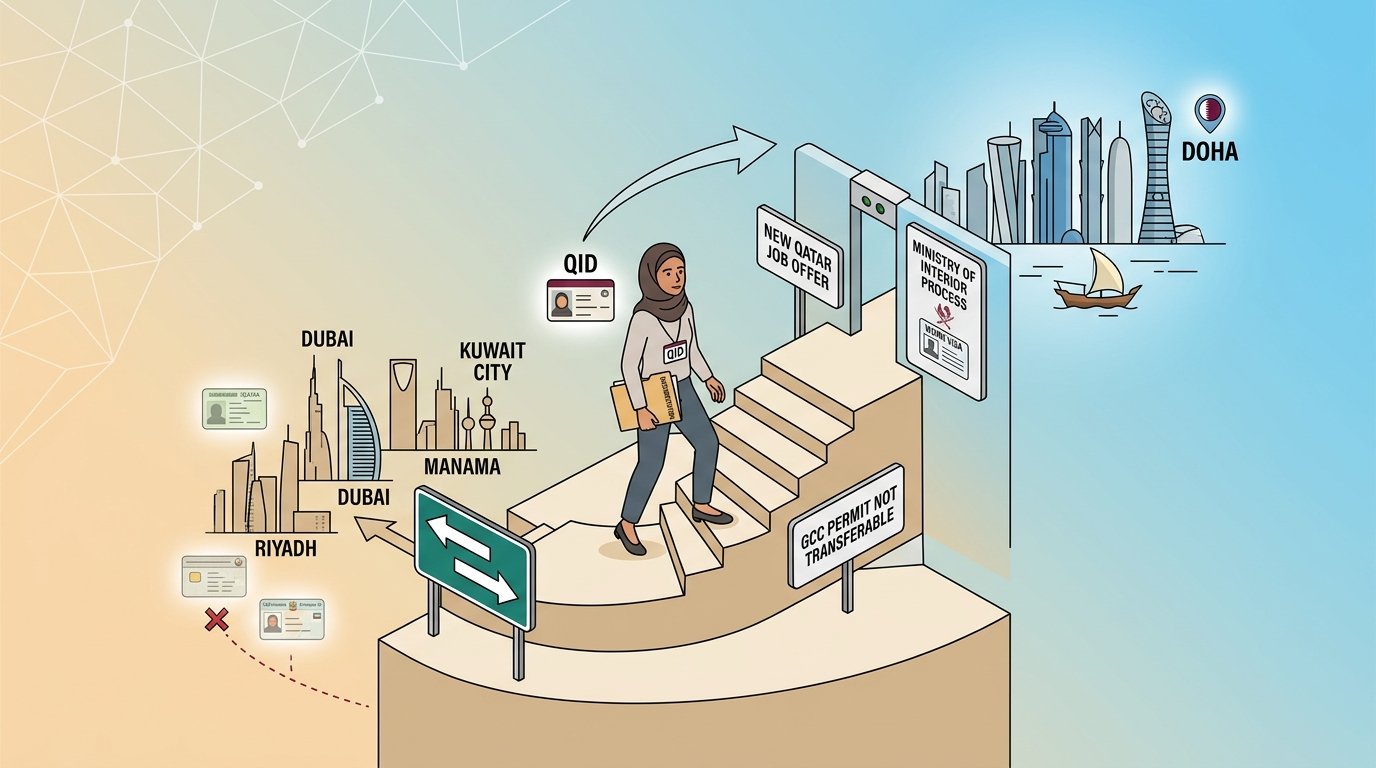
In such situations, if the worker wants to resign and transfer to another company, the Ministry can facilitate changing the employer without the previous sponsor’s approval, provided there is a valid job offer and no legal ban on the worker.
How to check the status of a complaint
Once a complaint is filed, the worker receives a reference or complaint number.
- On the ministry’s complaint status page, workers enter the establishment registration number, complaint number, and year to see updates.
- If integrated, status can also be checked through the Amerni mobile app by signing in with NAS, selecting “Individual,” and using the “Labour Complaint Follow‑up” option.
If a case is transferred to the dispute committee or court, workers can use these channels or the MoL helplines to obtain details about hearings and decisions.
---
Stay updated with the latest news, events, sports updates, business insights, real estate and lifestyle stories on Qatar Living - the leading online platform for residents, expats, and visitors in Qatar.
Follow Qatar Living for daily updates:
Instagram - @qatarliving
X - @qatarliving
Facebook - Qatar Living
YouTube - qatarlivingofficial
Up Next

Six Key Things to Know Before Switching Jobs
Discover six essential tips for a smooth job transition, from understanding your offer letter to managing your resignation professionally.
May 7,2026