100% Foreign-Owned Company in Qatar: 2026 Guide
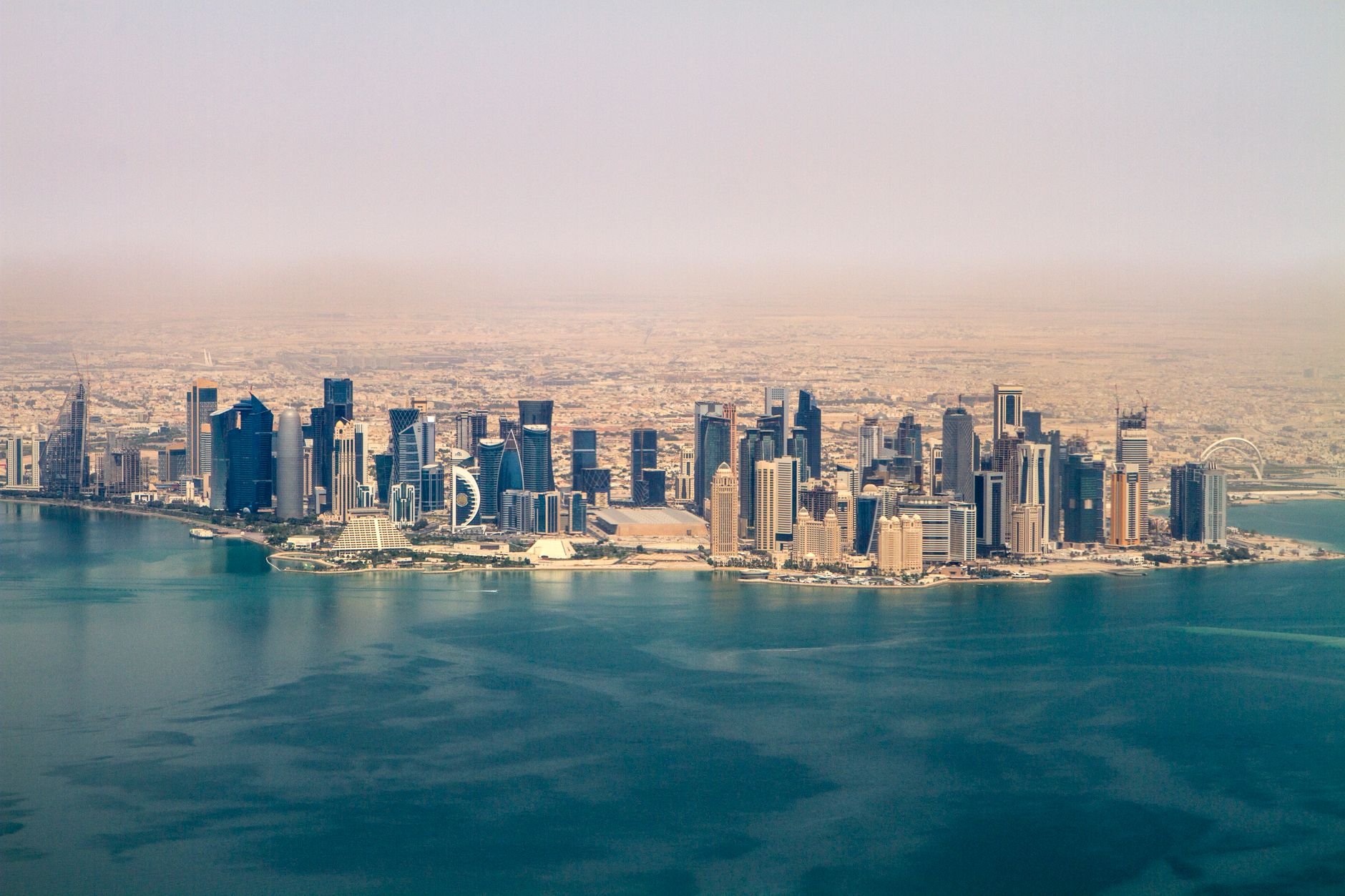
Yes — as a foreign investor in 2026 you can own 100% of a company in Qatar across most business sectors, without needing a Qatari partner. Qatar's Foreign Investment Law opened the door to full foreign ownership in nearly all activities, subject to approval from the Ministry of Commerce and Industry (MoCI). A short list of strategic sectors still carries restrictions or needs special sign-off — and that's exactly where new founders get tripped up.
If you're weighing 100% foreign ownership in Qatar and wondering which business sectors qualify in 2026, this guide breaks down the eligible activities, how approval works, the costs to expect, and how the mainland route compares to Qatar's free zones — so you can plan with realistic numbers before you commit.
The short answer: what 100% foreign ownership means in Qatar
Historically, a foreign investor could hold up to 49% of a Qatari company, with a local partner holding the remaining 51%. That default has changed. Under the current foreign investment framework, non-Qatari investors may own up to 100% of the capital in most sectors, provided the activity is permitted and the application is approved.
The key word is approved. Full ownership is the norm for eligible activities, but it isn't automatic across the board — certain sectors are reserved or need extra clearance from the relevant ministry. Getting your activity classification right at the start saves you weeks of back-and-forth later.
Which business sectors qualify for 100% foreign ownership in 2026
The broad rule is simple: if your activity isn't on a restricted list, you can generally apply for full ownership. Here's how the landscape looks.
Sectors that are generally open
- Consulting and professional services — management, engineering, IT, marketing and design consultancies.
- Technology and software — SaaS, fintech, app development and digital services.
- Trading and general commerce — import, export and wholesale of most goods.
- Manufacturing and industry — light and heavy industrial activities, often encouraged as part of economic diversification.
- Tourism, hospitality and F&B — restaurants, cafés, event management and tourism services.
- Healthcare and education — clinics, training centres and specialised services, subject to sector-specific licensing.
- Logistics, contracting and real estate services — many activities within these fields are eligible.
Sectors that need special approval or stay restricted
Some activities are considered strategic and either remain off-limits to full foreign ownership or require specific cabinet-level or ministerial approval. These typically include:
- Banking and insurance — unless approved under a special exemption.
- Commercial agencies — the classic agency and distribution model tied to Qatari nationals.
- Certain security, defence-adjacent and public-utility activities.
If your business touches any of these, treat 100% ownership as possible-but-conditional and budget extra time for approvals. When in doubt, confirm your specific activity code with the Ministry of Commerce and Industry before you sign any lease.
How the approval process works
The process is far more streamlined than it used to be, and much of it now runs through the government's single-window services. Expect the following stages.
Step-by-step company setup
- Choose and reserve your trade name — done through the MoCI portal; usually quick.
- Confirm your activity and ownership eligibility — this is where you verify your sector qualifies for 100% foreign ownership.
- Draft the Articles of Association — for an LLC, this defines capital, shareholders and management.
- Secure a physical address — you'll need a tenancy contract for commercial office space. Popular choices include West Bay, Lusail and D-Ring Road.
- Obtain the commercial registration (CR) — the core document that legally establishes your company.
- Get the trade licence and municipal (Baladiya) approvals — required before you operate from your premises.
- Open a corporate bank account and register with the tax and labour authorities — including establishment cards so you can hire staff and sponsor visas.
On location: West Bay and Lusail are popular with tech, consulting and professional-services firms who want a prestige address, while D-Ring Road tends to suit light manufacturing, workshops and trading businesses that need more practical space.
Timing-wise, a straightforward mainland setup typically takes around 2–8 weeks for standard activities, assuming your documents are ready. Restricted or strategic sectors that need ministerial review can take 2–3 months or longer.
Costs to budget for (typical ranges as of 2026)
Costs vary widely by activity, office size and whether you use a formation consultant. The figures below are typical ranges to plan around — always confirm the current tariffs with MoCI or your PRO for your specific activity:
- Commercial registration and trade licence — typically around QAR 1,000 to QAR 5,000+ combined, depending on activity.
- Chamber of Commerce membership — typically around QAR 3,000 to QAR 10,000+ tiered by capital.
- Office rent — small fitted offices in Doha often start around QAR 3,000–6,000/month, rising sharply for prime West Bay or Lusail addresses.
- Formation/PRO service fees — typically around QAR 5,000 to QAR 20,000+ if you use a consultant to handle the paperwork.
- Establishment card and visa costs — added
On minimum capital: rather than assuming a fixed figure, check the requirement for your exact activity code with MoCI. Some activities carry no fixed statutory minimum, while banks and certain licences may still expect you to show reasonable working capital before they proceed.
Free zones vs mainland: which route suits you
Qatar offers free zones that already provide 100% foreign ownership with their own incentives, alongside the mainland route governed by the foreign investment law.
- Mainland (onshore) — best if you want to trade freely across the local Qatari market, bid for government contracts and serve local clients directly.
- Free zones — attractive for logistics, tech, manufacturing and export-focused firms, offering tax incentives and streamlined setup, though selling directly into the local market can carry conditions.
Pick based on who your customers are. If your revenue comes mostly from within Qatar, mainland usually wins; if you're export- or hub-focused, a free zone may be more efficient.
Common mistakes expat founders make
- Signing an office lease before confirming activity eligibility — verify your sector first, then commit to a tenancy.
- Underestimating annual renewals — CR, licence and chamber fees recur every year.
- Choosing the wrong legal structure — LLC, branch and free-zone entities have different rules on ownership, liability and market access.
- Ignoring tax and labour obligations — corporate tax and worker sponsorship rules apply from day one.
Do your homework on the full picture — ownership, tax, visas and premises — before you commit capital.
FAQs
Can a foreigner own 100% of a company in Qatar in 2026?
Yes. In most sectors, non-Qatari investors can own up to 100% of the company capital without a local partner, subject to approval from the Ministry of Commerce and Industry.
Which sectors do not allow full foreign ownership?
Strategic areas such as banking, insurance and commercial agencies typically remain restricted or require special approval. Always confirm your exact activity classification with MoCI before proceeding.
Is there a minimum capital requirement?
It depends on your activity. Some LLC activities have no fixed statutory minimum, but banks and certain licences may expect reasonable working capital. Check the requirement for your specific activity code with MoCI.
How long does it take to set up a company?
A straightforward mainland company typically takes around 2–8 weeks, depending on your activity and how ready your documents are. Restricted sectors needing ministerial review may take 2–3 months or longer.
Do I need a physical office in Qatar?
Yes, mainland companies generally require a registered commercial address with a valid tenancy contract before the trade licence is issued.
Should I choose mainland or a free zone?
Choose mainland if you serve the local Qatari market directly; consider a free zone if you're export-, logistics- or tech-hub-focused and want tax incentives.
Last verified: June 2026. Written by the Qatar Living business desk and reviewed against MoCI guidelines. Fees and timeframes are indicative — always confirm the current position with the Ministry of Commerce and Industry or your PRO.
Ready to set up? Find office space in our Qatar properties listings, hire your team through jobs in Qatar on Qatar Living, and connect with formation and PRO specialists in our Qatar Living Services listings.
Stay updated with the latest news, events, sports updates, business insights, real estate and lifestyle stories on Qatar Living — the leading online platform for residents, expats, and visitors in Qatar.
Follow Qatar Living for daily updates:
- Instagram - @qatarliving
- X - @qatarliving
- Facebook - Qatar Living
- YouTube - qatarlivingofficial
Up Next
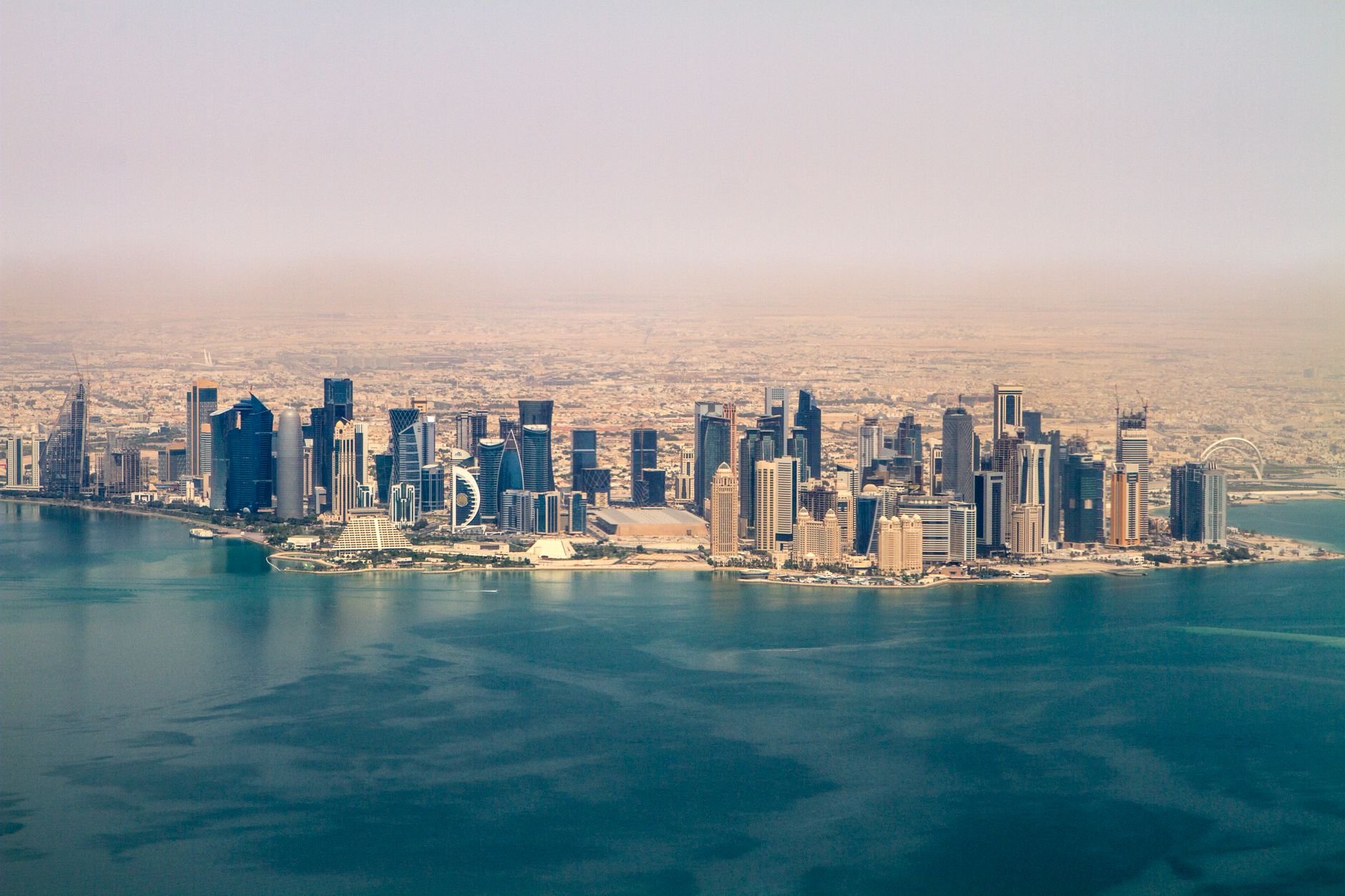
QFC vs Mainland Business Registration in Qatar
QFC vs Mainland business registration in Qatar: compare ownership, real QAR costs, tax and legal setup to pick the right structure for your startup.
Jul 25,2026
Sponsoring Your Spouse as a Business Partner in Qatar
Sponsoring your spouse as a business partner in Qatar: rules, licence steps, visa options, costs and timelines explained for residents and investors.
Jul 23,2026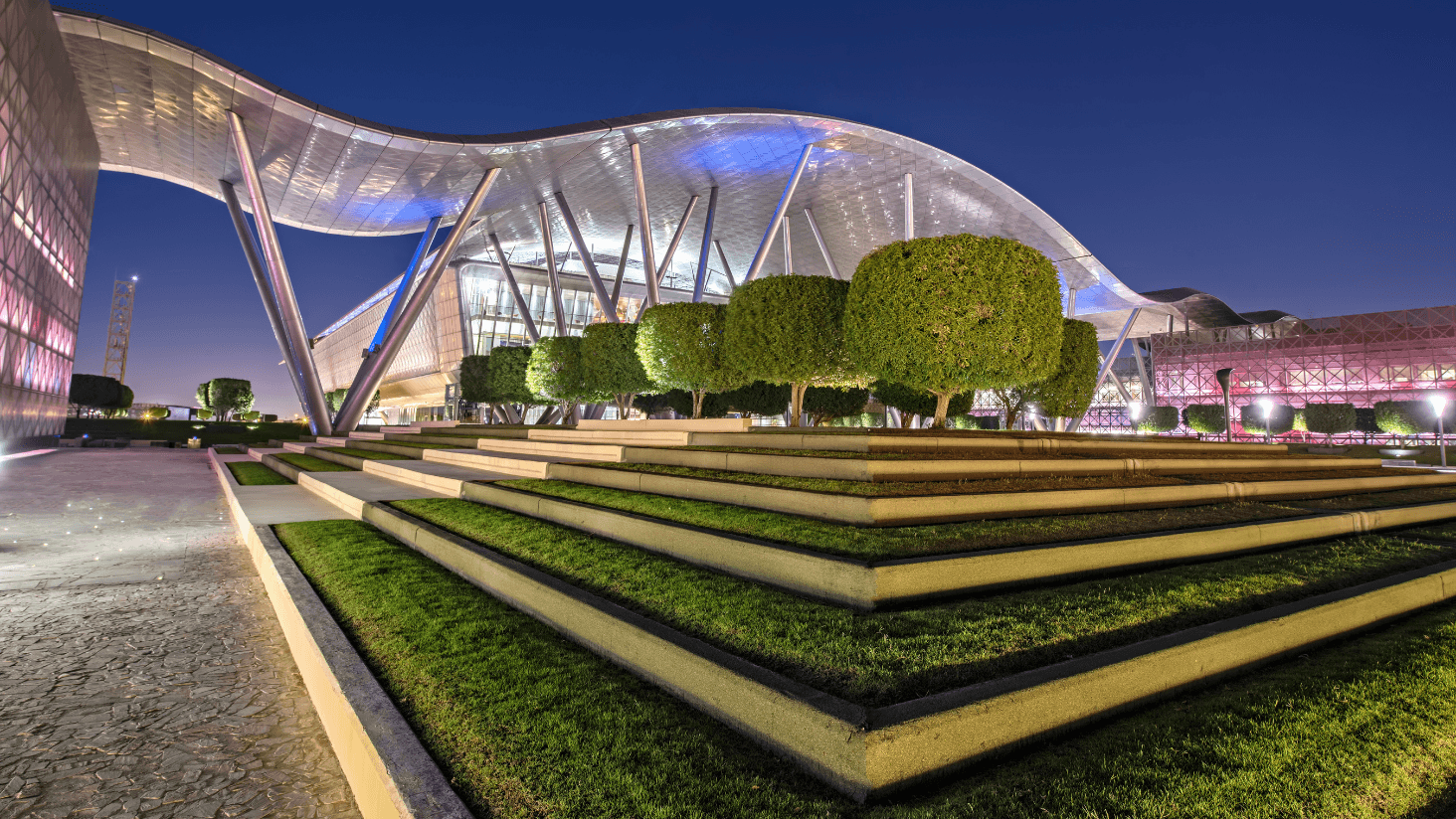
Qatar Science & Technology Park Setup Guide for Tech Startups in Qatar
How to set up your tech startup at Qatar Science & Technology Park (QSTP): benefits, licensing, costs and the full application process, explained.
Jul 23,2026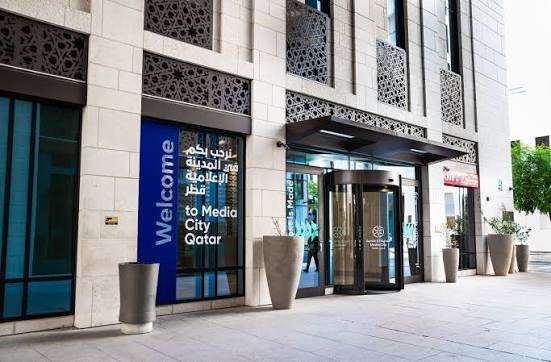
Media City Qatar: Media & Creative Licensing Guide
Media City Qatar licensing for media and creative businesses: activities covered, the QFC dual-licence process, 0% tax, fees and how to apply.
Jul 23,2026