Camel Racing in Qatar: When & Where to Watch
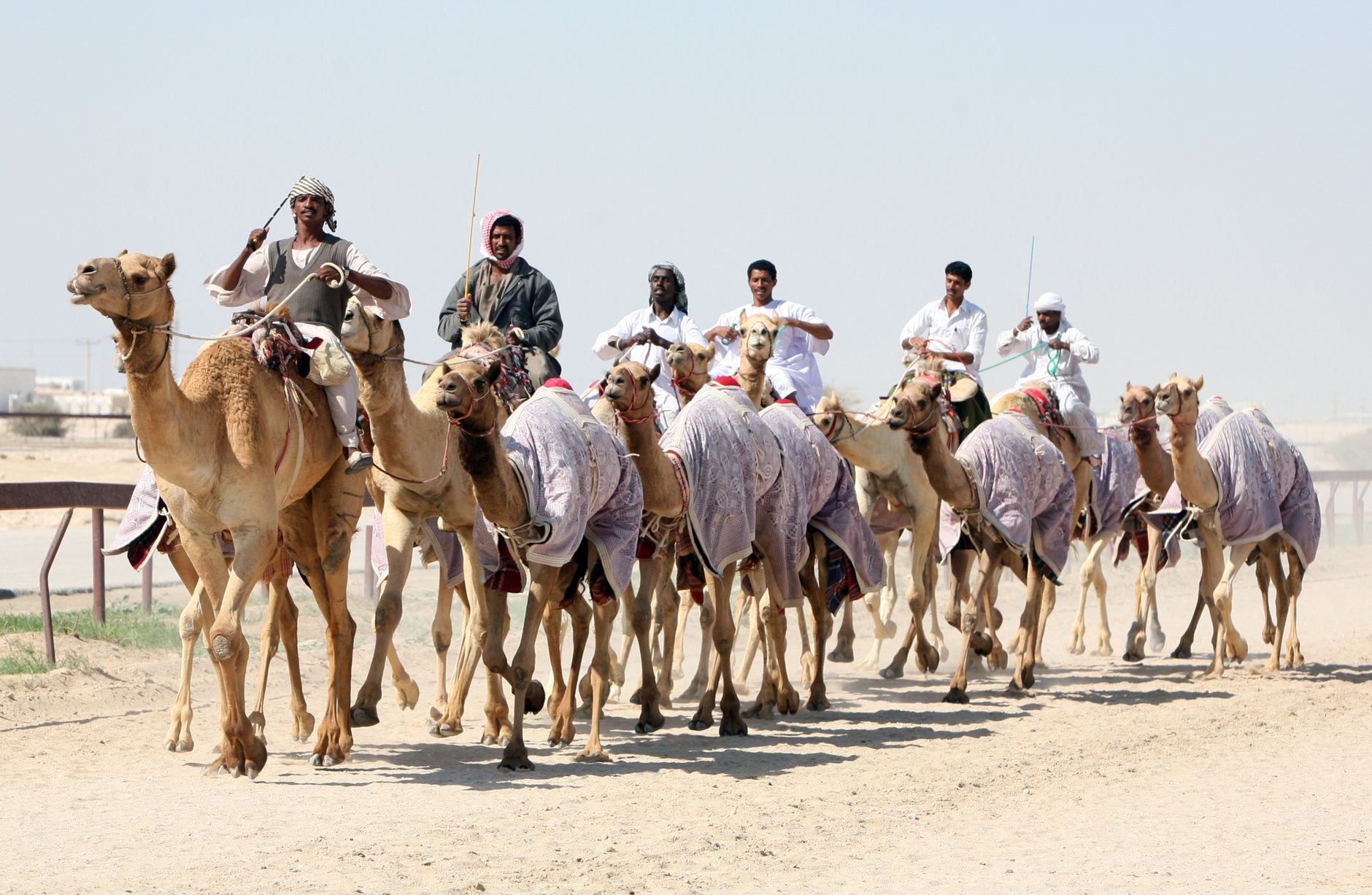
Here is your Camel Racing Season Preview: when and where to watch in Qatar as the autumn build-up gets under way. Al Shahaniya is the country’s main camel-racing venue, while Fridays are traditionally popular spectator days during the cooler months. However, races are not limited to Fridays, with local meetings and major festivals taking place across multiple days according to the official calendar.
Qatar’s competitive camel-racing season generally begins in early autumn and can continue into spring. October to February is usually the most comfortable period for spectators, while major championship festivals may continue through March and April. General spectator access to regular meetings is usually free, making it one of Qatar’s most accessible traditional sporting experiences.
The complete 2026–2027 camel-racing calendar had not been officially published at the time of writing. The dates below are based on the previous season and established racing patterns, so always confirm the venue, race day and session time through the Camel Racing Organizing Committee before travelling.
After a long, hot summer indoors, autumn is when Qatar’s racetracks begin returning to life. Expect local meetings from early in the season, followed by major competitions across winter and spring. Now is the time to add it to your cooler-month plans.
When does camel racing season start in Qatar?
Qatar’s main competitive camel-racing calendar generally begins in early autumn and continues into spring, following the cooler weather that makes outdoor racing more suitable for the camels, owners and spectators.
The 2025–2026 official programme began in September 2025, while the season-ending HH the Amir’s Sword Festival continued until the end of April 2026.
October to February remains the most visitor-friendly period, with cooler temperatures and regular local and international meetings. However, the season is not restricted to this window, and major competitions may continue into March and April.
Friday is traditionally one of the best days for casual spectators, but races are not held exclusively on Fridays. Major competitions can run across several consecutive days, with morning, afternoon or evening sessions depending on the event.
Always check the official daily programme before travelling rather than assuming that a race will be held every Friday.
Where to watch: Al Shahaniya Camel Racetrack
The main venue is Al Shahaniya Camel Racetrack, located in Ash-Shahaniyah to the west of Doha. It is Qatar’s principal and most visitor-friendly camel-racing venue, hosting domestic competitions and major regional tournaments throughout the season.
Some official competitions are also held at the Lbuseir racetrack, which may appear under different English spellings, including Lbuseir, Lobsair and Lebseer. Check the stated venue carefully when reviewing the official schedule.
The purpose-built Al Shahaniya racing complex includes sandy racing tracks, spectator areas and a parallel road used by owners and officials as they follow the camels.
During races, vehicles move alongside the competitors while owners remotely control the robot jockeys. This fast-moving convoy is part of what makes camel racing in Qatar unlike most other spectator sports.
The atmosphere is usually relaxed, community-driven and family-friendly, but visitors should remember that it is an active professional sporting venue rather than a staged tourist attraction.
How to get there from Doha
Al Shahaniya sits approximately 40–50 minutes from central Doha along the Dukhan Highway, depending on your starting point and traffic conditions.
By car
Driving is the simplest and most practical option. Set your maps application to “Al Shahaniya Camel Racetrack” and follow the Dukhan Highway west.
Parking is generally available around the racing complex, but access and parking arrangements may change during major festivals. Follow event signs and instructions from organisers, security staff or marshals when you arrive.
By taxi or ride-hailing
A Karwa taxi or licensed ride-hailing service can take you to the racetrack. However, arrange your return journey in advance, as the venue is outside central Doha and finding an available vehicle immediately after a race may be difficult.
Check the live fare estimate through the taxi or ride-hailing application before travelling. A return journey from central Doha is likely to cost considerably more than QAR 40–80.
By Doha Metro
There is no direct Doha Metro connection to Al Shahaniya Camel Racetrack.
Public bus routes and stops can change, so check the Karwa Journey Planner to see whether a bus-and-taxi combination is practical on the day. For most visitors, travelling by private car or pre-arranged taxi remains the easiest option.
Because race programmes may start early and the venue is outside the city, going with friends or as a group is often the most enjoyable and practical way to visit.
Race days and what to expect
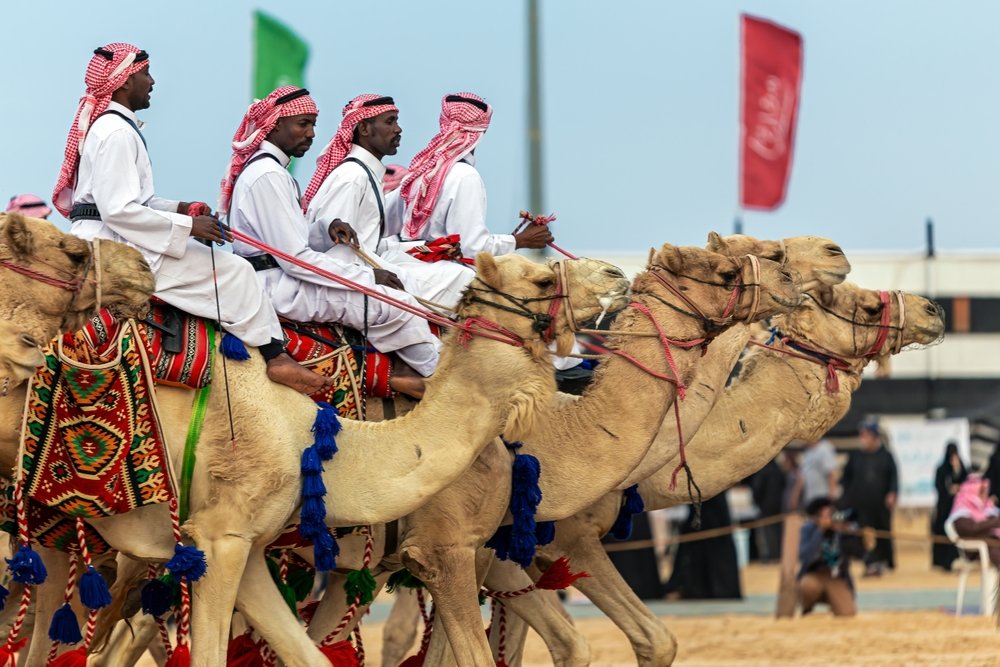
Expect a programme of several heats rather than one individual race. Camels compete in categories based on factors such as age, sex and racing class, with different fields appearing throughout the session.
Race times vary by meeting. Local programmes are often held in the morning, particularly when temperatures are warmer, while major festivals may include both morning and afternoon or evening sessions.
Check the exact starting time before travelling. Arriving without reviewing the daily schedule could mean missing the races or reaching the venue between sessions.
Once racing begins, camels move quickly along the sandy course while vehicles follow from the parallel road. The combination of robot jockeys, speeding camels and the convoy of owners and officials creates a noisy and energetic atmosphere.
A few things that make the Qatar experience distinctive:
- Robot jockeys
Lightweight, remote-controlled robot jockeys ride the camels instead of human jockeys. Owners operate the devices while following the race from vehicles on the parallel road.
- Categories by age and type
Camels compete in different classes according to age, sex and other recognised racing categories. This means visitors will usually see several different groups during one programme.
- The chase along the track
Owners, trainers and officials follow the camels in vehicles on the parallel service road. The moving convoy is one of the most recognisable features of Gulf camel racing.
Dress for outdoor desert conditions. Winter mornings can feel cooler than expected, but temperatures rise quickly once the sun is higher. Bring a light layer, hat, sunglasses and sunscreen.
The big festivals in the calendar
Alongside regular local meetings, Qatar’s camel-racing season includes major festivals that attract leading owners and competitors from Qatar and across the Gulf.
Festival dates, race numbers and prize details change each year, so treat the following as a guide based on the most recent editions. Confirm the 2026–2027 dates once the official calendar is released.
Founder Sheikh Jassim Camel Festival
The Founder Sheikh Jassim bin Mohammed bin Thani Camel Festival is one of the major events on Qatar’s camel-racing calendar. Its 2025 edition ran from December 13 to 27 across the Al Shahaniya and Lbuseir racetracks. The programme featured 337 races and 28 major awards.
Approximately QAR 25 million was allocated to the six concluding races alone, alongside additional cash and in-kind prizes distributed throughout the wider festival. If you want to experience camel racing at its most competitive, this is one of the key winter events to watch for during the coming season.
HH the Father Amir Camel Festival
The HH the Father Amir Camel Festival is another major racing fixture and is usually held later in winter. The 2026 edition ran from February 2 to 12 and included morning and afternoon racing sessions. The festival attracts strong participation from Qatar and other Gulf countries, with major trophies and prizes awarded across several categories.
HH the Amir’s Sword Festival
The HH the Amir’s Sword Festival is traditionally one of the most important events of the season and often serves as its concluding championship. The 2026 edition ran from April 18 to 30 and featured hundreds of races alongside dozens of major trophies.
This means visitors should not assume that Qatar’s camel-racing season ends in February. Some of its most important competitions take place later in spring.
Qatar Camel Festival “Jazilat Al-Atta”
The Qatar Camel Festival “Jazilat Al-Atta” is a major camel beauty and heritage festival rather than a standard speed-racing event. Its fifth edition was advertised from January 11 to February 10, 2026, in the Al Mazayen area of Lbuseir. It featured 119 titles across the Al Magateer, Asayel and Mujahim categories, with final competitions and closing activities continuing immediately after the advertised dates.
Unlike the speed races at Al Shahaniya, Jazilat Al-Atta focuses on mazayen competitions. Camels are judged according to recognised physical characteristics, breed standards and appearance. For first-time visitors, the festival offers a different perspective on Qatar’s camel heritage, bringing together traditional breeding, cultural displays and high-profile beauty competitions.
What it costs and what to bring
General spectator access to regular camel races at Al Shahaniya is usually free. However, visitors should check event-specific announcements before travelling.
Major festivals may introduce reserved seating, hospitality areas, exhibitions or other activities with separate access arrangements.
Budget instead for the practical parts of the trip.
- Fuel or transport
Fuel costs for a private vehicle will depend on your starting point, vehicle and current petrol prices. A return taxi or ride-hailing journey from central Doha is likely to cost considerably more than QAR 40–80. Check the live application estimate and arrange your return journey before leaving Doha.
- Water and snacks
Bring drinking water and light snacks, particularly when attending a regular race meeting. Food outlets, toilets and visitor facilities may be more extensive during major festivals, but their availability should not be assumed for every race day.
- Sun protection
Bring a hat, sunglasses and sunscreen even during the cooler months. Al Shahaniya is an exposed outdoor venue, and the sun can become strong later in the morning.
- A camera or phone
Camel racing is fast, colourful and highly visual. Early morning light across the desert track can be particularly striking, but remain within spectator areas and avoid interfering with owners, officials or racing operations.
Tips for first-time spectators
Check the official schedule
Do not assume that every race takes place on a Friday morning. Confirm the date, venue and session time through the Camel Racing Organizing Committee before leaving Doha.
Arrive before the session starts
Race programmes can include several back-to-back heats. Arriving early gives you time to park, find the spectator areas and understand the layout before the action begins.
Drive or arrange transport both ways
There is no direct Metro connection to the racetrack. Driving is the simplest option, while taxi users should organise their return journey in advance.
Respect the working areas
This is a genuine professional sporting and farming community. Stay clear of the racing track, camel-handling areas, vehicle routes and other restricted zones.
Follow all directions from organisers, marshals and security staff.
Pair it with a wider day out
The west of Qatar offers several places to explore after the racing programme ends. However, check travel times and opening hours before planning additional stops.
For more autumn and winter ideas across the country, browse the latest listings on the Qatar Living events hub and check our seasonal guides to things to do in Qatar as the cooler months fill up.
FAQs
When is camel racing season in Qatar?
Qatar’s competitive camel-racing season generally begins in early autumn and can continue into April.
October to February is the most comfortable and visitor-friendly period, but major festivals can also take place in February, March and April. Exact dates vary each year.
Where can I watch camel racing in Qatar?
Al Shahaniya Camel Racetrack in Ash-Shahaniyah, west of Doha, is Qatar’s main and most visitor-friendly camel-racing venue.
Some official competitions are also held at the Lbuseir racetrack, so check the venue listed on the official schedule.
Is it free to watch camel racing at Al Shahaniya?
General spectator access to regular races is usually free.
However, reserved seating, hospitality areas, exhibitions or special festival activities may have separate access arrangements. Check the announcement for the specific event before travelling.
How do I get to Al Shahaniya from Doha?
It is approximately a 40–50-minute drive west from central Doha along the Dukhan Highway, depending on traffic and your starting point.
There is no direct Metro connection, so driving or arranging a taxi for both directions is the most practical option.
What time do the races start?
Starting times vary.
Local race programmes are often held in the morning, while major festivals may include morning, afternoon or evening sessions. Confirm the official daily programme before travelling.
Are races held every Friday?
Fridays are traditionally popular race days during the cooler months, but competitions are not limited to Fridays.
Local meetings and major festivals may run across several consecutive days.
Are there any big camel festivals to plan around?
Yes. Major events include the Founder Sheikh Jassim Camel Festival, the HH the Father Amir Camel Festival and the season-ending HH the Amir’s Sword Festival.
The Qatar Camel Festival “Jazilat Al-Atta” is also a major winter event, although it focuses on camel beauty and heritage competitions rather than standard speed racing.
Confirm the next edition’s dates once the official 2026–2027 calendar is announced.
---
About Qatar Living :
Since 2005, Qatar Living has been the trusted destination for everything Qatar. As the country's largest online community and marketplace, Qatar Living connects people with opportunities through jobs, property, vehicles, services, classifieds, events, local insights, and breaking news. Trusted by residents, newcomers, visitors, and businesses alike, Qatar Living brings Qatar together in one place.
Follow Qatar Living for daily updates:
Instagram - @qatarliving
X - @qatarliving
Facebook - Qatar Living
YouTube - qatarlivingofficial
Up Next
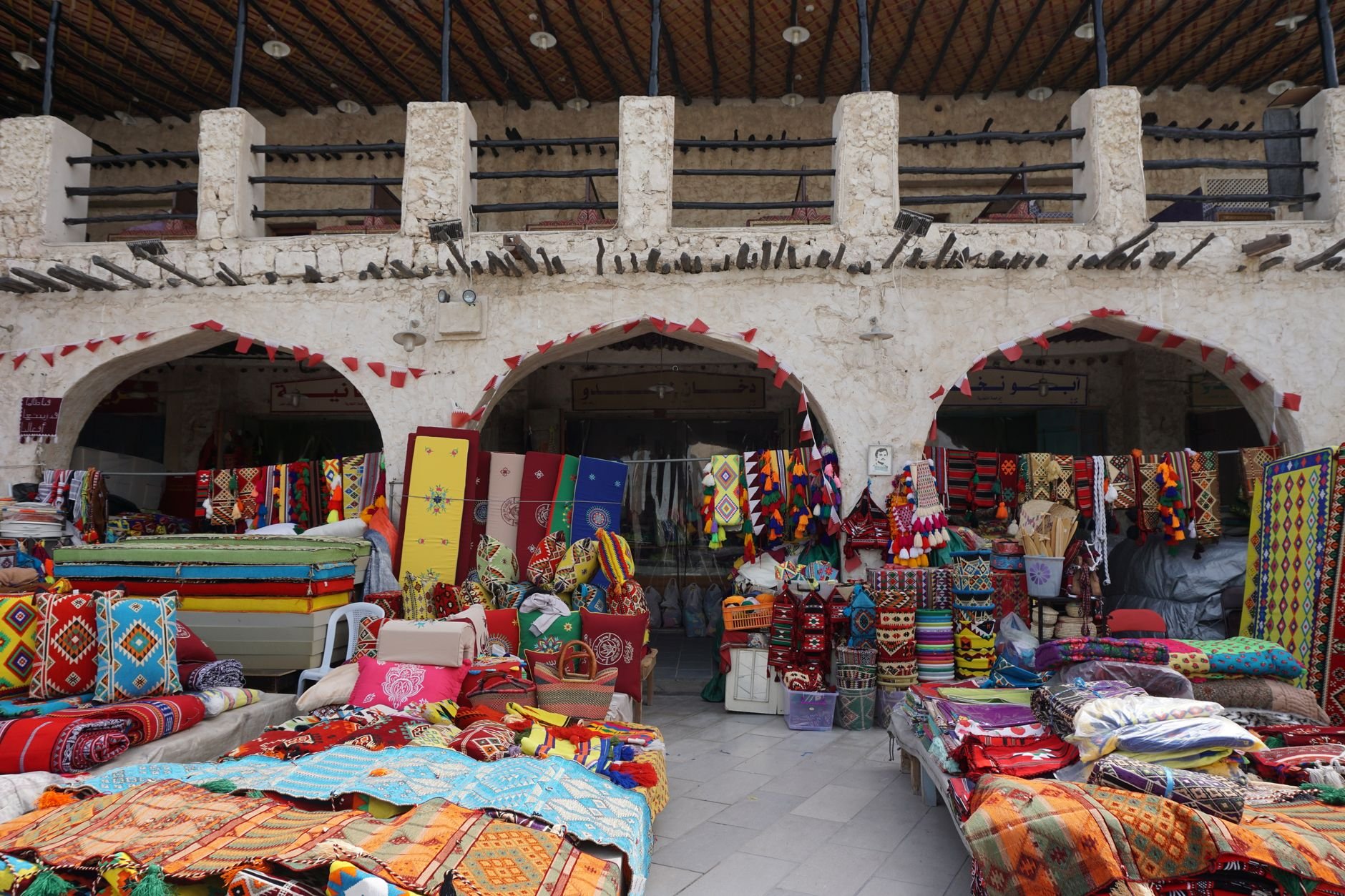
Souq Waqif in the Evening: Shopping, Falcons & Food
Your guide to Souq Waqif in the evening: shopping, falcons and food, with real hours, QAR prices, parking tips and the best time to visit in Doha.
Jul 21,2026
Qatar Kids' Theatre & Puppet Shows: Summer Guide
Where to find children's theatre and puppet shows in Qatar this July–August: venues, likely ticket prices and how to book family fun in Doha.
Jul 20,2026
Events to Check Out This Week (July 19 to 26, 2026)
Discover top events in Qatar this week, including family festivals, workshops, exhibitions, and indoor entertainment from July 19 to 26, 2026.
Jul 20,2026
Max Amini announces upcoming live show in Doha
Max Amini announces a live comedy show in Doha. Register early on Platinumlist for ticket updates and priority access before general sales begin.
Jul 19,2026