Car Rental vs Buying in Qatar: Expat Cost Guide
Updated June 2026. Cost ranges below are indicative of the current Doha market; always confirm exact figures with rental firms, sellers and the Ministry of Interior before you commit.
Short answer: if you're staying in Qatar for less than a year or you're still finding your feet, renting usually wins. If you plan to stay two years or more and can pay upfront or finance comfortably, buying often becomes more economical, particularly if the vehicle retains its resale value.
For many common vehicles, the break-even point is often around 18 months, although it varies considerably.
The honest answer depends on your salary, your visa length, how much you drive, and whether you want zero hassle. This car rental vs buying in Qatar cost analysis for expats breaks it all down in real QAR, so you can decide with confidence.
The quick answer: rent or buy in Qatar?
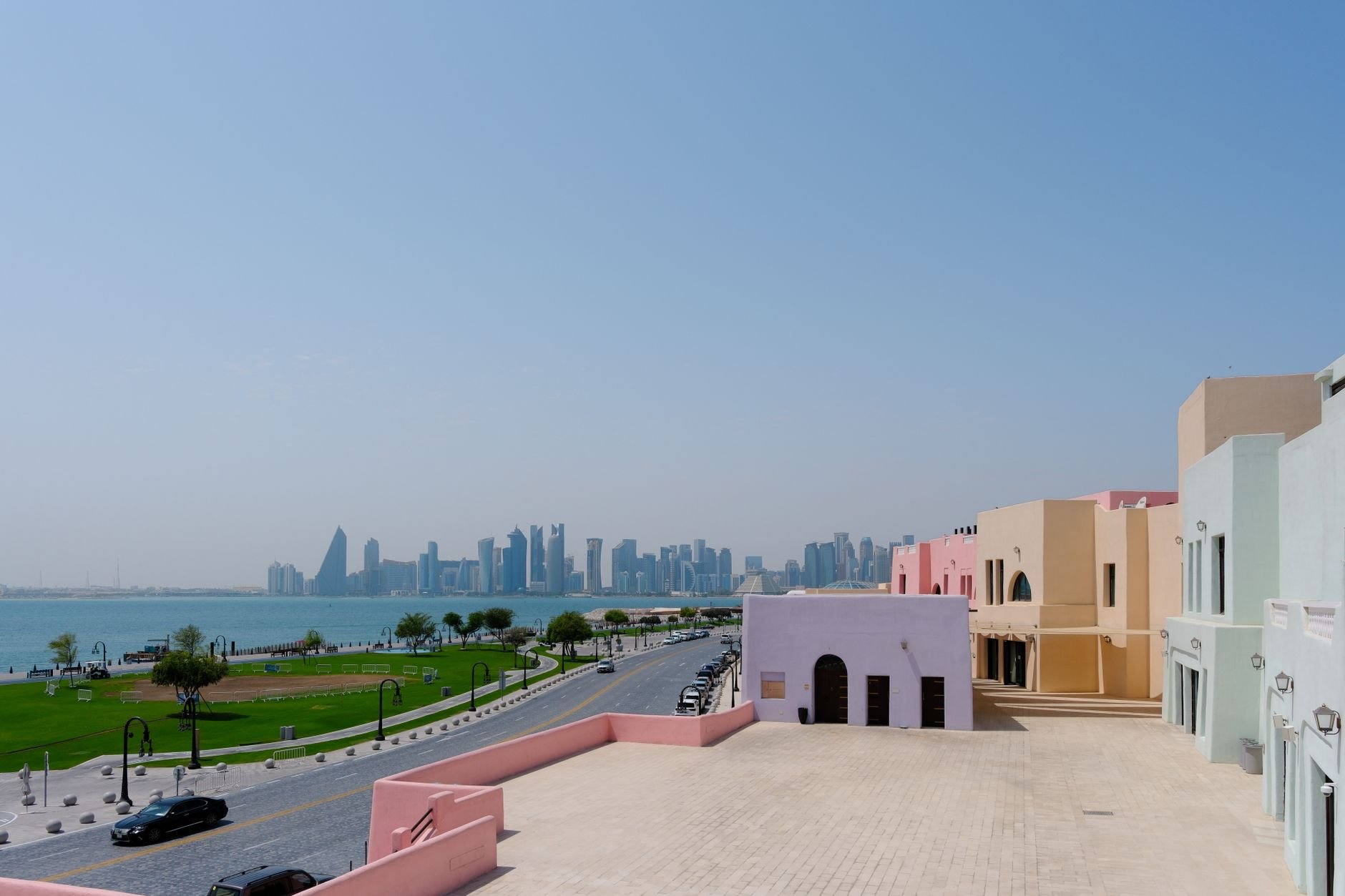
Most residents in Doha rely on private transport. Public transport has come a long way — the Doha Metro and Karwa buses cover West Bay, Msheireb, Lusail, Education City and Hamad International Airport — but if you live in Al Wakra, Al Khor, or a compound off the Metro line, you'll want your own wheels. That leaves two routes: rent one every month, or own one outright.
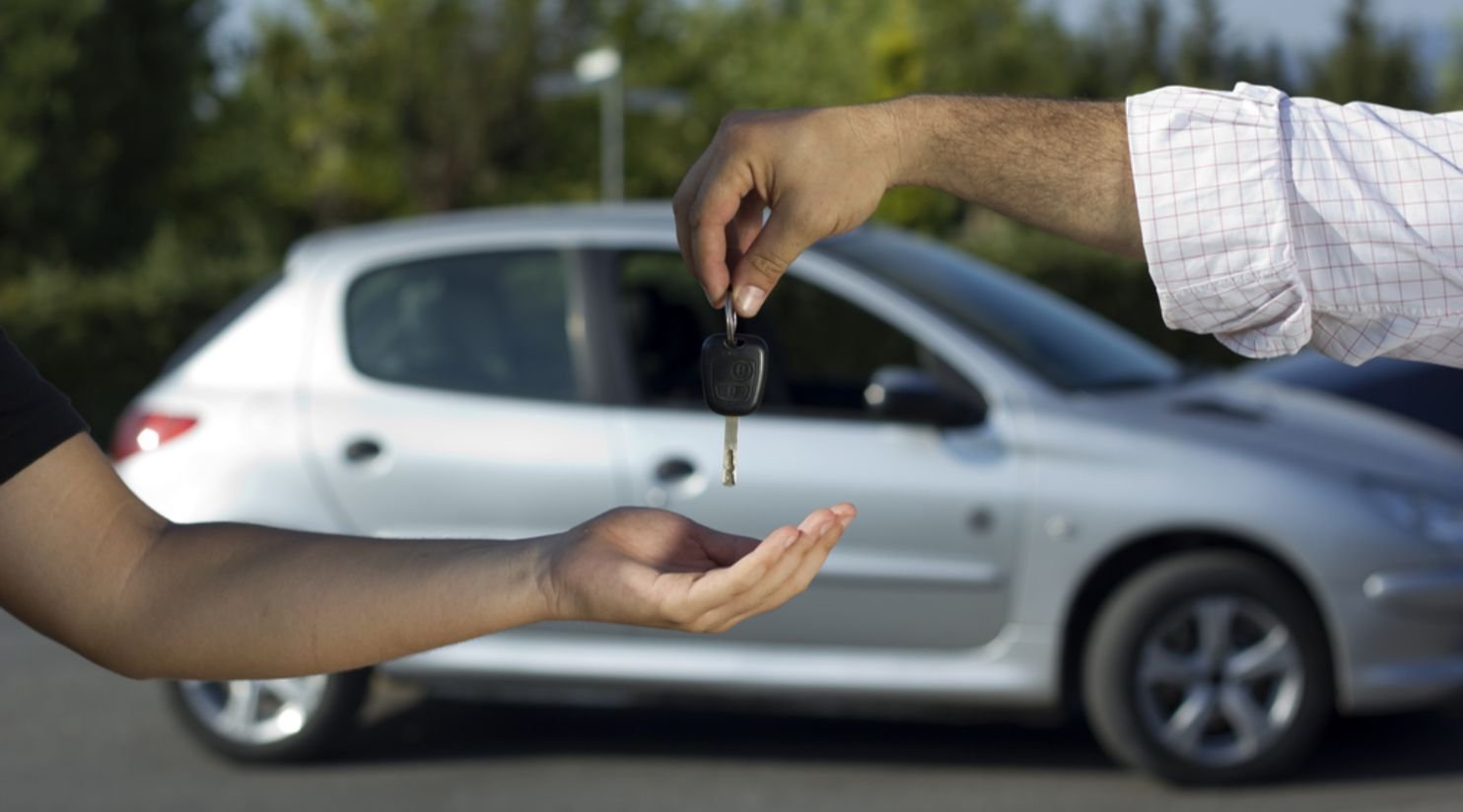
Renting means predictable monthly costs with insurance and servicing bundled in, and you can walk away any time. Buying means a bigger upfront hit but a much lower long-term cost, plus an asset you can resell before you leave the country.
Renting a car in Qatar: what it really costs
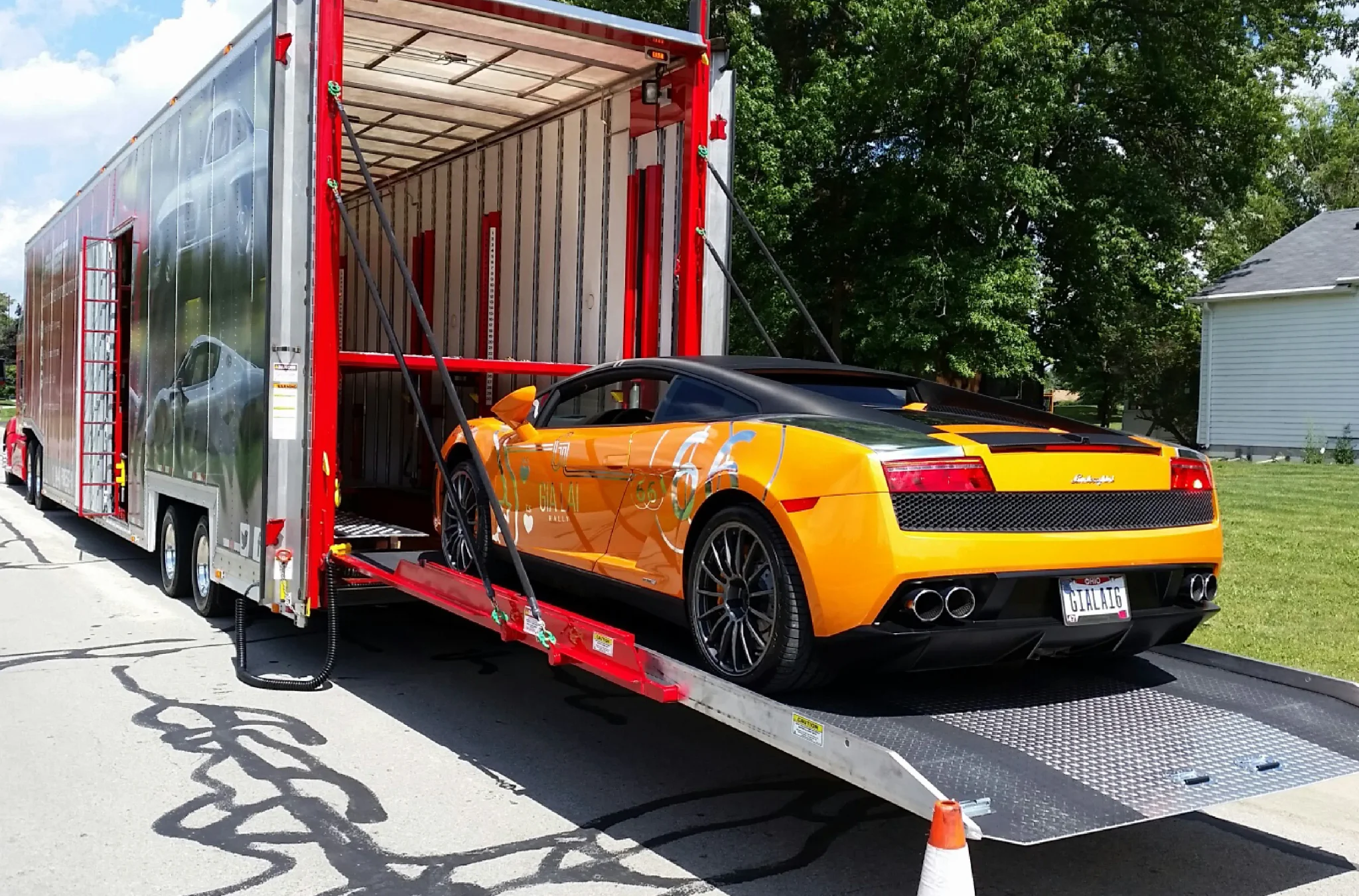
Rental is the flexible option, and Qatar has a deep market — from budget compacts to SUVs.
Daily and weekly rentals
- Economy car (e.g. a small sedan) — typically around QAR 100 to QAR 150 dropping when you book a full week.
- Mid-size sedan — typically around QAR 130 to QAR 200
- SUV — typically around QAR 250 to QAR 450
Daily rates suit visitors and short assignments but get expensive fast for daily commuting.
Monthly car rental in Doha
This is where most expats land while they settle in. Monthly rates are far kinder than daily ones:
- Economy/compact — typically around QAR 1,500 to QAR 2,200
- Mid-size sedan — typically around QAR 2,200 to QAR 3,000
- SUV or premium — typically around QAR 3,500 to QAR 6,000+
Longer commitments (six months or a year) usually unlock better rates, so always ask.
What's included in a rental
A big part of the appeal is what you don't pay for separately:
- Comprehensive insurance — usually included, though check the excess/deductible.
- Registration (Istimara) and inspection — the company's problem, not yours.
- Servicing and maintenance — routine servicing is covered.
- Replacement vehicle — Many rental companies offer a replacement vehicle during repairs, subject to the rental agreement.
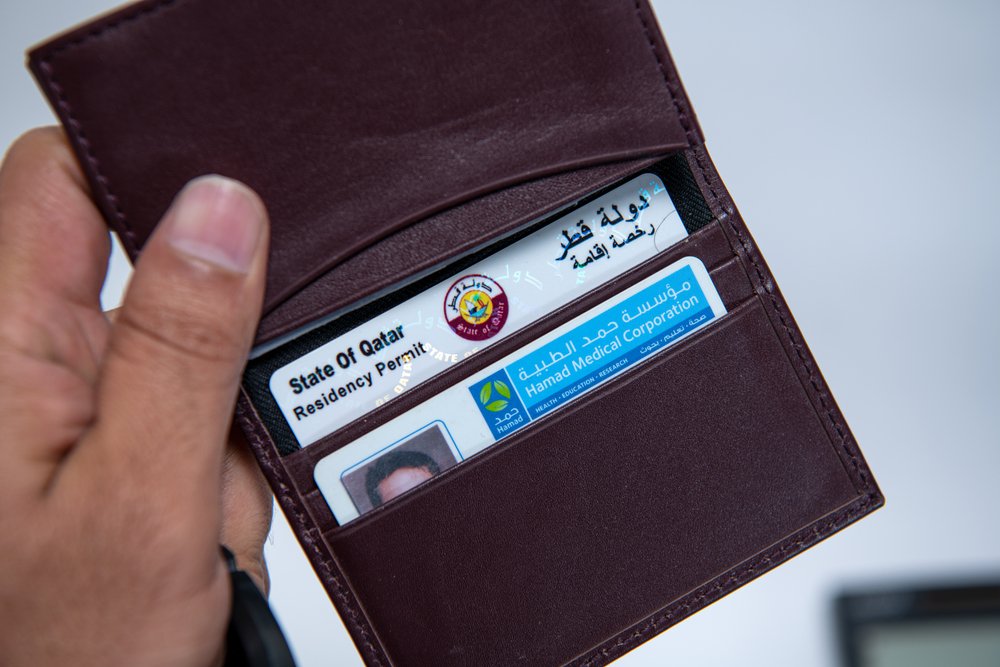
You'll still pay for fuel (cheap in Qatar), any paid parking, and any traffic fines. A valid Qatar driving licence or a recognised international/GCC licence is required, plus your QID.
Buying a car in Qatar: the full cost picture
Owning looks pricey on day one, but the maths shifts fast when you spread it over the years you'll actually drive.
Upfront costs
- The car itself — a reliable used sedan can be found from around QAR 25,000 to QAR 45,000; a new economy car starts around QAR 60,000 to QAR 80,000. Browse real listings and prices in the Qatar Living vehicles section to gauge the market.
- Insurance — annual comprehensive cover typically runs around QAR 900 to QAR 4,000 depending on the car's value and your history.
- Registration (Istimara) and inspection (Fahes) — Registration is renewed annually through the Ministry of Interior's traffic department, while technical inspection requirements depend on the vehicle’s age. The fees are modest compared with insurance and servicing; confirm the current tariffs with the MOI before you budget.
Running and ownership costs
- Fuel — Fuel remains among the cheapest in the region compared with many countries.
- Servicing and tyres — budget for periodic servicing; agencies cost more than independent garages in areas like the Industrial Area.
- Finance (if applicable) — if you take a car loan, factor in the interest on your monthly repayments and check the bank's approval requirements before you commit.
Selling and depreciation
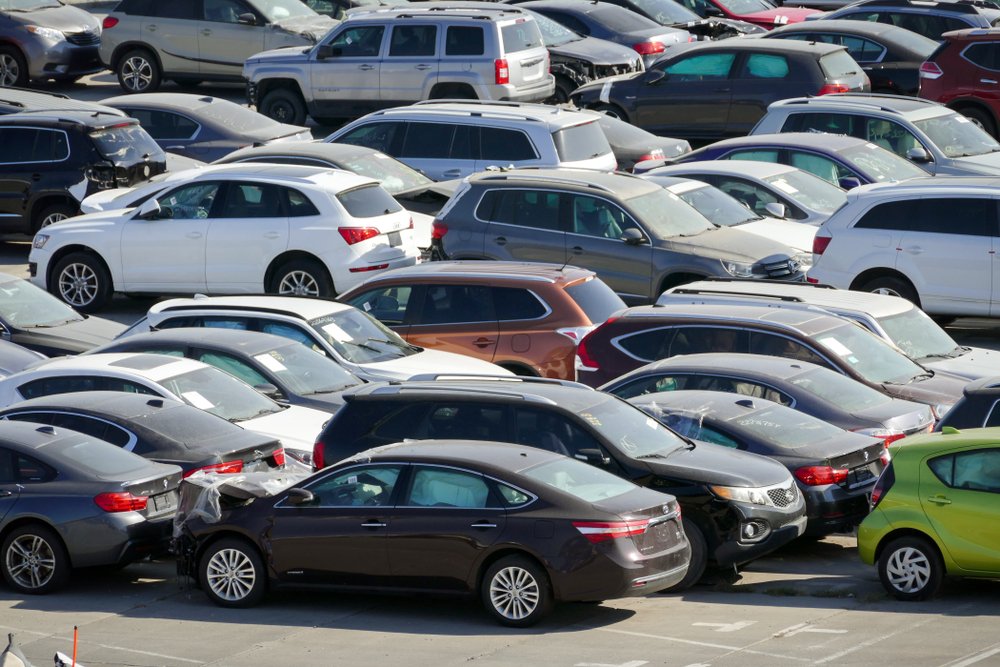
Here's the ownership advantage renters never get: resale value. When you leave Qatar or upgrade, you sell the car and recover a meaningful chunk of your outlay. Many popular Japanese and Korean models retain their value relatively well, although resale values vary depending on age, mileage, condition, and market demand. A rental payment, by contrast, is gone forever.
Finding your break-even point
Let's make it concrete with a mid-size sedan example.
- Renting: at around QAR 2,600/month, one year costs about QAR 31,200 — with insurance, servicing and registration all included, and nothing recoverable at the end.
- Buying: a solid used sedan at QAR 35,000, plus roughly QAR 2,500/year for insurance and registration and modest servicing, might cost around QAR 40,000 over two years — but if you can resell for 50 to 70 percent of what you paid, your net two-year cost drops well below the equivalent rental bill.
Run that comparison and buying overtakes renting somewhere around the 12-to-18-month mark for most mid-range cars. Stay longer and the gap widens dramatically in ownership's favour.
Who should rent vs who should buy
Rent if you:
- Are on a short contract (under 12 months) or a probation period.
- Don't have the cash upfront and don't want a car loan.
- Want zero hassle — no inspections, no resale headaches.
- Aren't sure how long you'll stay in Qatar.
Buy if you:
- Plan to stay two years or more.
- Can pay cash or finance comfortably within your salary.
- Drive a lot and want the lowest cost
- Are happy to handle servicing, insurance renewal and eventual resale.
Practical tips before you decide
- Match the commitment to your visa. Don't buy a car six months before a possible transfer home.
- Check the total, not the sticker. For buying, add insurance, registration and expected servicing. For renting, confirm the mileage cap and insurance excess.
- Inspect a used car properly — get a pre-purchase check at a garage, and verify the Istimara and service history.
- Negotiate. Both rental firms and private sellers expect it; longer rental terms and cash buyers get the best deals.
FAQs
Is it cheaper to rent or buy a car in Qatar?
For stays under a year, renting is usually cheaper and far simpler. Beyond roughly 12 to 18 months, buying becomes cheaper especially once you factor in resale value when you leave.
How much is monthly car rental in Doha?
A compact car is typically around QAR 1,500 to QAR 2,200 a mid-size sedan around QAR 2,200 to QAR 3,000, and SUVs from around QAR 3,500 upwards. Insurance and servicing are usually included.
Can expats buy a car in Qatar?
Yes. Any resident with a valid QID and a Qatar driving licence can buy and register a car. You'll need valid insurance before completing the registration (Istimara).
Do I need a Qatar driving licence to rent a car?
Short-term visitors can often drive on a recognised international or GCC licence. Residents generally need a Qatar driving licence in accordance with Ministry of Interior regulations. Rental firms will always ask for your QID.
What extra costs come with owning a car in Qatar?
Beyond the purchase price: annual comprehensive insurance, registration and technical inspection (Fahes), servicing, tyres, fuel, and any traffic fines. Finance adds interest if you take a car loan.
Is it easy to sell a car before leaving Qatar?
Yes — the used car market is active, especially for popular Japanese and Korean models in good condition. Browse the latest cars for sale on Qatar Living to see what's selling and list your own when you're ready to move on.
--
Stay updated with the latest news, events, sports updates, business insights, real estate and lifestyle stories on Qatar Living — the leading online platform for residents, expats, and visitors in Qatar.
Follow Qatar Living for daily updates:
- Instagram - @qatarliving
- X - @qatarliving
- Facebook - Qatar Living
- YouTube - qatarlivingofficial
Up Next
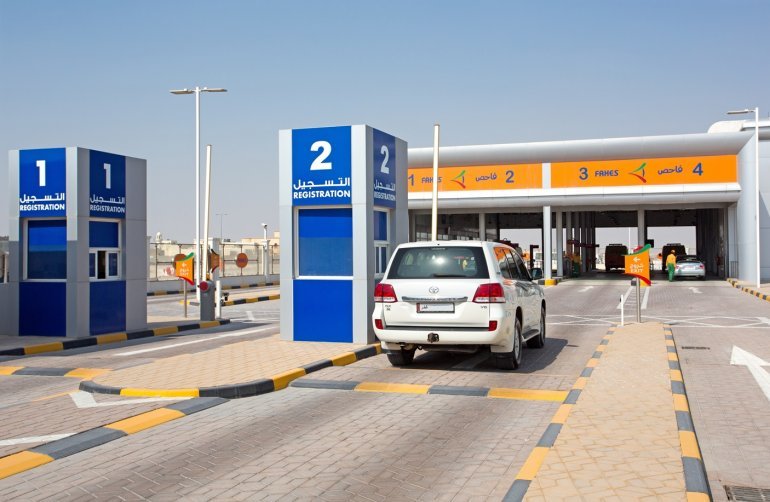
Qatar Vehicle Inspection (FAHES): How to Pass in 2026
Qatar vehicle inspection (Fahes/Fihris) 2026: fees from about QAR 150, documents needed, 30-day validity and how to pass first time.
Jul 12,2026