Neighbourhood Cooling Systems: Best Doha District AC
Last updated: June 2026
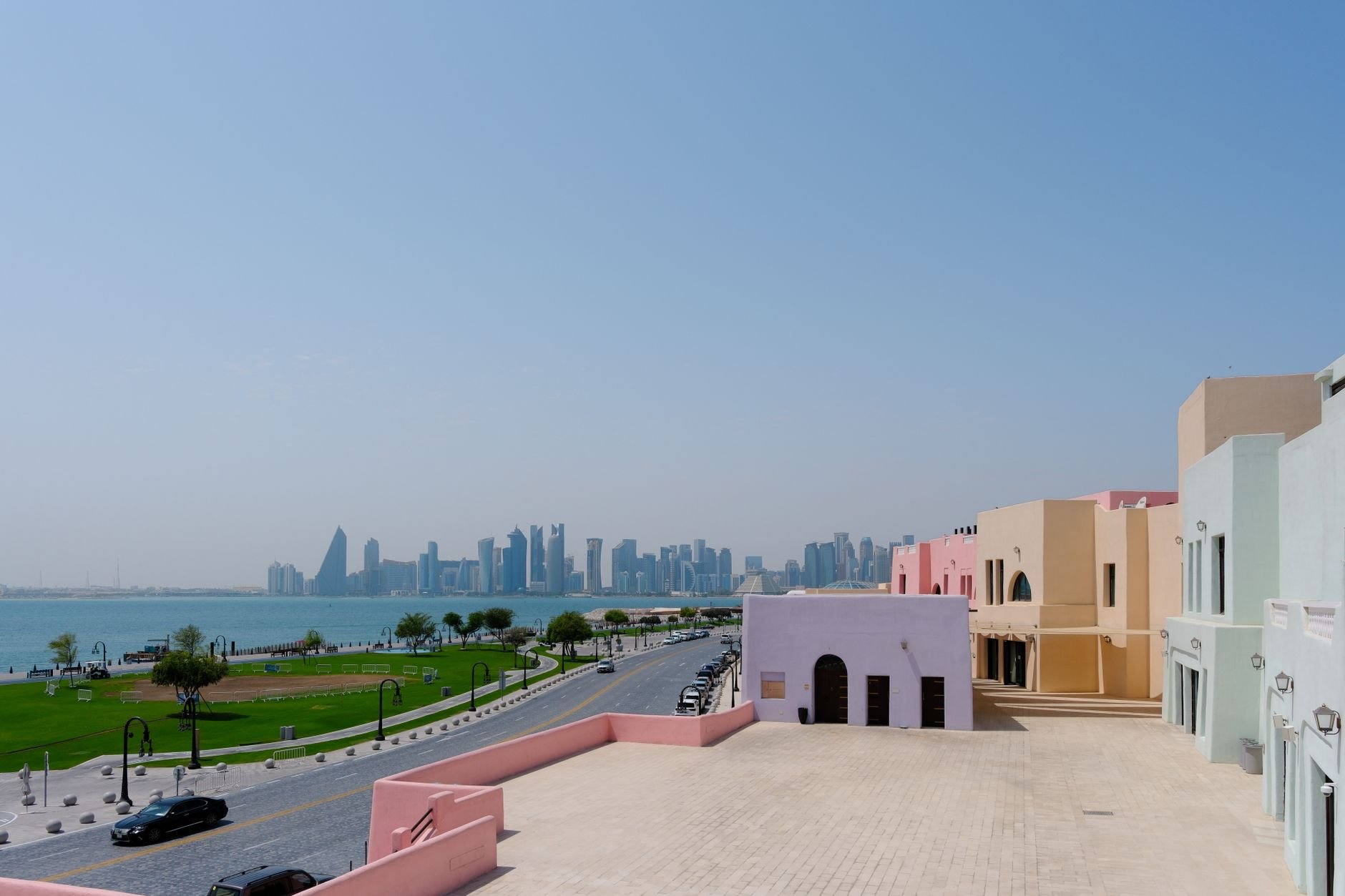
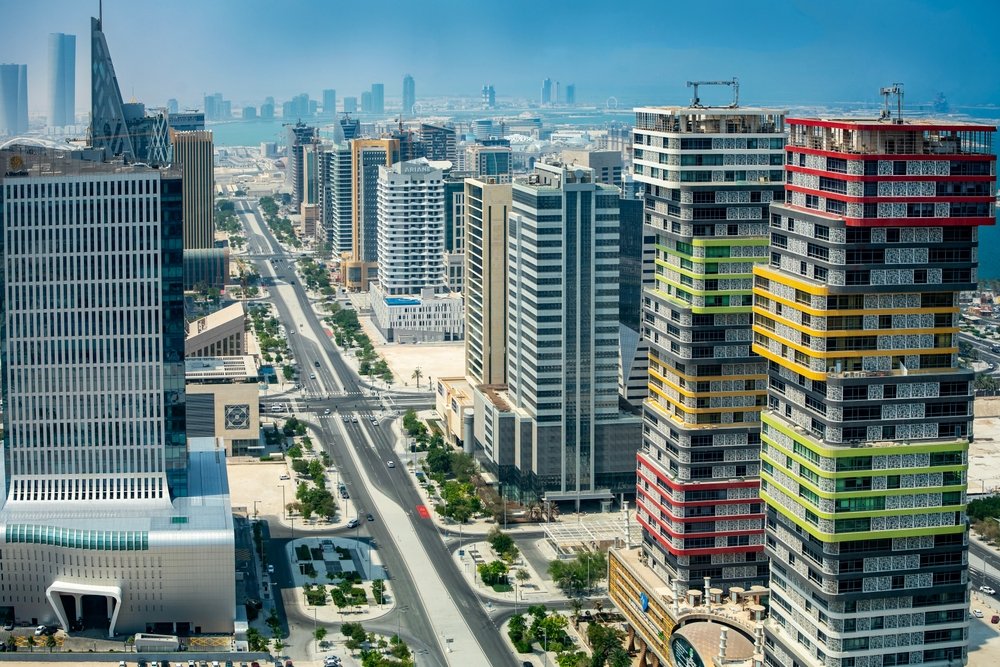
If you are flat-hunting in Doha or nearby Lusail and comparing cooling systems, district cooling is widely available in large master-planned developments such as The Pearl, Gewan Island, Lusail and Msheireb Downtown Doha, as well as many connected towers in West Bay.
District cooling can provide centrally managed cooling, reduce the need for individual building chiller plants and support large residential developments during peak summer demand. However, there is no official ranking showing that one neighbourhood has the “best” cooling.
Your actual comfort and monthly cost depend on the individual building’s internal equipment, maintenance standards, cooling provider and billing arrangement. That last point is where many tenants get caught out.
Here is what district cooling is, how the charges can affect your monthly budget in QAR and what to check before choosing a home in Doha or Lusail.
What is district cooling and why it matters in Doha?
District cooling is a centralised system that produces chilled water at a large cooling plant and distributes it through an underground network to connected buildings.
Instead of each building operating its own large chiller plant, chilled water is produced centrally and delivered to the development. Inside each connected building, an energy-transfer system supplies the building’s internal cooling circuit, fan-coil units or air-handling equipment.
Qatar’s summer daytime temperatures commonly rise into the low-to-mid 40s, with more extreme temperatures possible. Reliable air conditioning is therefore an essential housing consideration rather than an optional feature.
Potential benefits of district cooling include:
- Centralised cooling production and monitoring
- Reduced need for large building-owned chillers
- Less outdoor compressor equipment
- Potentially lower noise
- Capacity designed for dense residential and commercial developments
- Standby systems at some cooling plants
However, district cooling is not a guarantee that every apartment will cool evenly or remain free from breakdowns.
Cooling inside the apartment still depends on the condition of the building’s:
- Energy-transfer station
- Pumps
- Heat exchangers
- Pipes and valves
- Thermostats
- Fan-coil units
- Air filters
- Internal controls
A building-side fault can affect cooling even when the district plant and wider network are operating normally.
How district cooling is billed in Qatar
This is one of the most important things to understand before renting.
District cooling is not part of Kahramaa’s standard electricity-and-water tariff. However, that does not always mean the tenant receives a separate bill directly from the cooling provider.
Depending on the property, cooling may be:
- Billed directly by the district-cooling provider
- Collected by the landlord
- Charged through building management
- Included in the rent
- Included up to a monthly usage limit
- Passed to the tenant as a separate utility charge
Always ask who issues the bill and who is legally responsible for the cooling account.
Consumption versus capacity charges
Qatar Cool uses a two-part billing structure that can include:
Consumption charge
This is the variable amount based on the cooling energy used by the property.
Cooling consumption is normally measured in refrigeration-ton hours through the relevant meter.
Your usage can be affected by:
- Thermostat settings
- Apartment size
- Number of occupants
- Sun exposure
- Insulation and glazing
- Building efficiency
- Condition of the fan-coil units
- How frequently doors and windows are opened
Capacity charge
This is a fixed charge based on the cooling capacity allocated to the property rather than only the amount consumed during the billing period.
The capacity charge may continue even if the apartment is empty or the cooling is switched off because the provider maintains sufficient capacity for the property.
Additional meter, administration, activation or account charges may also apply.
Billing structures can differ between Qatar Cool, Marafeq, landlords and individual building-management companies. Do not assume that every district-cooling provider or building uses exactly the same charging system.
Ask the landlord or agent:
- Who is the cooling provider?
- Is the account in the landlord’s or tenant’s name?
- Is there a fixed capacity charge?
- Are administration or meter fees added?
- Is cooling included in the rent?
- Is there a usage limit or excess charge?
- Is the unit individually metered?
Get the answers written into the tenancy agreement where relevant.
What a typical monthly cooling bill looks like
There is no dependable Doha-wide monthly cooling range based only on apartment size.
Two one-bedroom apartments in different buildings can have very different cooling costs because of differences in:
- Allocated capacity
- Provider tariffs
- Fixed charges
- Apartment layout
- Window size and direction
- Insulation
- Metering
- Thermostat use
- Building maintenance
- Whether part of the cost is absorbed by the landlord
Before renting, ask for actual bills for the exact apartment.
Ideally, request:
- One peak-summer bill
- One cooler-month bill
- A breakdown of fixed and variable charges
- Confirmation of any account activation or security deposit
- Written confirmation of what the landlord includes in the rent
For properties on The Pearl, tenants can also check Qatar Cool’s official calculator for an estimate based on the precinct, property type, bedroom count and season.
For West Bay, Lusail and other developments, confirm the current tariff directly with the provider or building management.
During cooler months, the variable consumption portion may decrease. However, fixed capacity, administration and meter charges can continue where they apply.
Best areas for district cooling in Doha and Lusail
There is no official performance ranking showing which area has the best district cooling.
The following destinations have established or extensive district-cooling infrastructure, but the individual building remains just as important as the wider development.
The Pearl and Gewan Island
The Pearl and Gewan Island are served by Qatar Cool’s centralised district-cooling network.
The system is supported by large dedicated cooling plants designed to serve the residential, hospitality, retail and commercial properties across the islands.
This removes the need for every connected building to operate its own large chiller plant. However, tenants should still inspect the individual building’s internal cooling system.
Check:
- Whether the apartment has an individual meter
- Whether the cooling account is direct or landlord-managed
- Whether capacity and administration charges apply
- The condition of the fan-coil units
- Thermostat response in every room
- Recent summer bills for the exact unit
Do not assume that every apartment at The Pearl or Gewan follows the same billing arrangement.
Some landlords include Qatar Cool charges in the rent, while others require tenants to pay the cooling bill separately.
Lusail
Lusail is a separate planned city north of Doha and has one of Qatar’s most extensive district-cooling networks.
Its cooling infrastructure was incorporated into the city’s master plan, with multiple plants and a large distribution network serving residential, commercial, hospitality and entertainment developments.
District cooling is available across major parts of Lusail, including districts such as:
- Marina District
- Fox Hills
- Energy City
- Entertainment City
- Waterfront developments
- Other connected neighbourhoods
However, tenants should not assume that every occupied building is connected, individually metered or operating under the same tariff.
Before renting, confirm:
- Whether the specific building is fully connected
- Which provider serves it
- Whether the apartment has an individual meter
- Whether bills are issued directly or through management
- What fixed charges apply
- Who maintains the internal fan-coil units
Lusail’s modern infrastructure can be attractive, but the actual cooling experience still varies by building.
Msheireb Downtown Doha
Msheireb Downtown Doha uses central district cooling as part of its sustainable smart-city infrastructure.
The district was designed with integrated energy, transport and building-management systems, making cooling part of the wider master-planned development rather than a separate feature added later.
Current Msheireb residential listings indicate that district cooling and Kahramaa are included in the rent for listed apartments, excluding services such as internet.
Tenants should still confirm that the same arrangement applies to the exact apartment and tenancy contract offered.
Ask whether:
- Cooling is fully included
- A fair-use or monthly cap applies
- Any excess consumption is charged separately
- Internal AC maintenance is covered by the property manager
- Utility inclusion continues throughout the full lease term
Msheireb offers modern central infrastructure and a highly connected city-centre location, but it should not be labelled the most efficient option without comparable building-level performance data.
West Bay
Qatar Cool serves a substantial number of residential, commercial and hotel towers in West Bay.
However, coverage is not universal. Some buildings may use Qatar Cool, while others operate their own building-level central chillers or a different cooling arrangement.
The quality of cooling can therefore vary considerably from one tower to another.
Before committing to a West Bay apartment, confirm:
- The cooling provider
- Whether the building uses district cooling or its own chiller plant
- Whether the apartment is individually metered
- Recent cooling interruptions
- The age and condition of internal equipment
- Whether cooling charges are direct, landlord-managed or included
- The responsibility for fan-coil and thermostat repairs
In West Bay, the building’s maintenance history matters as much as the neighbourhood.
Older and mixed-development areas
Cooling systems vary widely across areas such as:
- Al Sadd
- Mansoura
- Najma
- Bin Mahmoud
- Old Airport
- Doha Jadeed
Buildings in these neighbourhoods may use:
- Wall-mounted split units
- Concealed or ducted split systems
- Packaged units
- Building-owned central chillers
- Other shared central AC systems
Do not assume that every older area uses individual split units or that an older building automatically has worse cooling.
A well-maintained and energy-efficient split or ducted system may perform better and cost less than a poorly maintained central system.
With split or ducted systems, the electricity used for cooling is normally reflected in the Kahramaa bill or the landlord’s utility arrangement rather than a separate district-cooling account.
Maintenance responsibility depends on the lease.
The landlord may cover major repairs and replacement, while the tenant may be responsible for:
- Routine filter cleaning
- Damage caused by misuse
- Minor servicing under the contract
- Reporting faults promptly
Make sure those responsibilities are clearly stated before signing.
What to check before you sign a lease
Ask how cooling is billed
Confirm whether cooling is:
- Consumption-only
- Subject to fixed capacity charges
- Included in rent
- Managed by the landlord
- Collected by building management
- Billed directly by the provider
Get the arrangement written into the tenancy agreement.
Request actual cooling bills
Ask for one recent peak-summer bill and one cooler-month bill for the exact unit.
A neighbourhood estimate is much less useful than the property’s real billing history.
Check every charge
Ask about:
- Consumption charges
- Capacity charges
- Meter fees
- Administration fees
- Activation charges
- Security deposits
- Late-payment fees
- Account-closing fees
Confirm the provider and meter
Ask which company provides the cooling and whether the apartment has a dedicated meter.
In some buildings, cooling may be measured at building level and divided or passed through to tenants by management.
Ask about outstanding cooling bills
Request confirmation from the landlord or management that previous cooling dues have been settled and that the account can be activated or transferred without delay.
Do not assume an unpaid balance can never affect a new occupant’s account setup.
Test the cooling during the viewing
Run the cooling system and test every room.
Check:
- How quickly the rooms cool
- Airflow from each unit
- Thermostat response
- Unusual noise
- Water leakage
- Condensation
- Humidity
- Musty smells
- Temperature differences between rooms
Even during cooler months, leave the system running long enough to assess its performance.
Clarify maintenance responsibility
With district cooling, the utility provider normally supplies chilled water to the building interface.
Maintenance inside the building or apartment may be handled by:
- Building management
- The landlord
- A facilities-management company
- The tenant under limited contractual conditions
Ask who is responsible for:
- Fan-coil units
- Thermostats
- Filters
- Internal pipes
- Condensate drainage
- Valves
- Emergency callouts
For split or ducted units, confirm who pays for servicing, compressor replacement and major repairs.
For more guidance on protecting yourself as a tenant, read Qatar Living’s guides to rental deposits, tenancy contracts and lease terms while browsing properties for rent in Qatar.
District cooling versus split-unit AC — which is cheaper?
There is no universal winner.
Compare the total annual cost, building condition and lease terms rather than focusing only on one summer bill.
District cooling
Potential advantages include:
- Centralised cooling production
- Less building-owned outdoor chiller equipment
- Potentially lower noise
- Capacity designed for large developments
- Central monitoring
- Standby plant capacity in some systems
Possible disadvantages include:
- A separate cooling bill or landlord pass-through
- Fixed capacity charges
- Administration and meter fees
- Limited provider choice in concession areas
- Dependence on both the utility network and building-side equipment
Split or building-owned AC
Potential advantages include:
- No separate district-cooling capacity charge
- Direct control of the unit
- Cooling energy usually included in the electricity bill or landlord arrangement
- Simpler billing in some properties
- No district-cooling account activation
Possible disadvantages include:
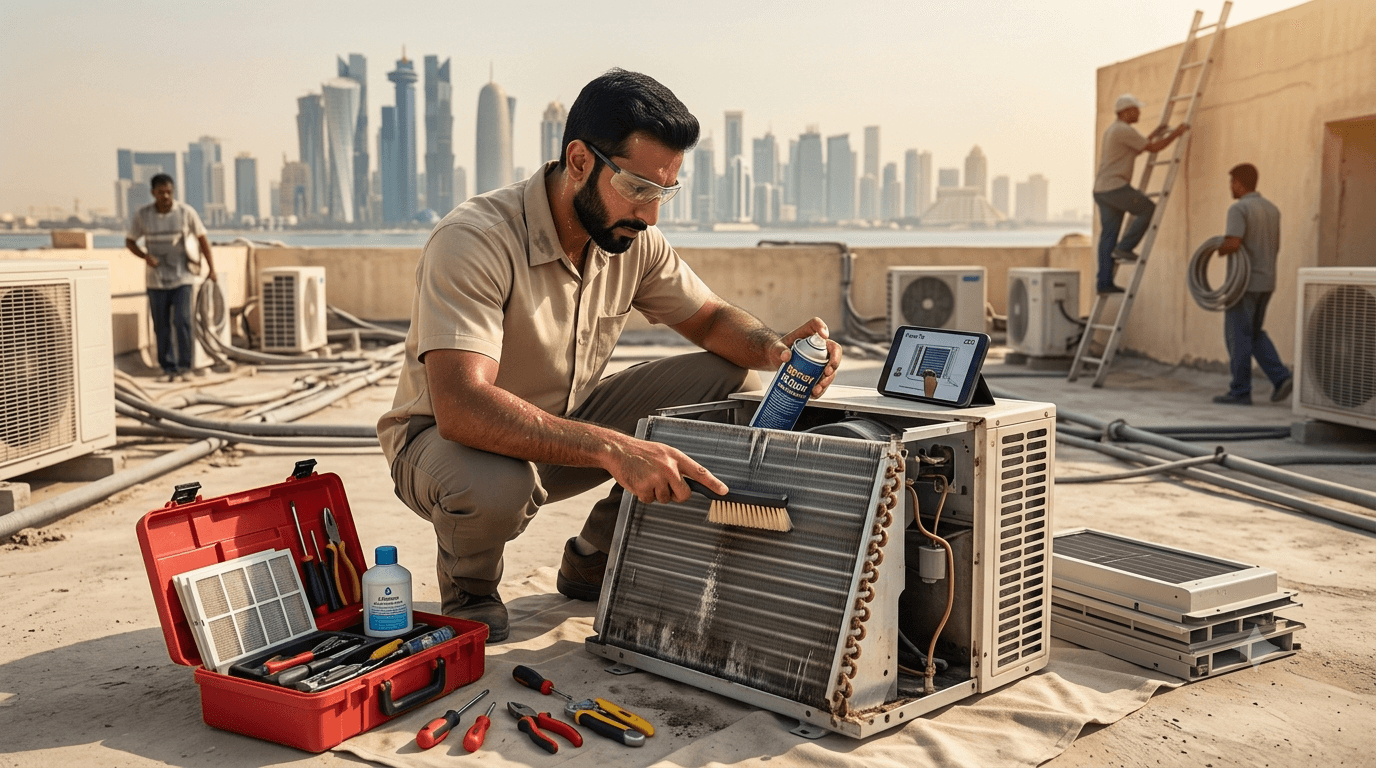
- Compressor and outdoor-unit maintenance
- More equipment attached to the building
- Higher noise in some properties
- Reduced efficiency when equipment is old or poorly maintained
- Different cooling performance from room to room
- Higher electricity consumption from inefficient units
If you travel for a large part of the summer, a property without a fixed cooling-capacity charge may cost less while it is empty.
However, a modern district-cooled property with cooling included in the rent may offer better value than an inefficient split-unit apartment.
The better option depends on the exact unit, not simply the cooling-system label.
FAQs
Which area has the best district cooling?
There is no official performance ranking.
Lusail has extensive citywide district-cooling infrastructure, while The Pearl, Gewan Island and Msheireb Downtown Doha have dedicated central systems. Qatar Cool also serves many West Bay towers.
The better choice depends on the individual building’s internal equipment, maintenance, metering and billing arrangement.
Why do I still get a cooling bill when my apartment is empty?
You may still be charged fixed capacity, meter or administration fees even when cooling consumption is low or zero.
A capacity charge is based on the cooling load reserved for the property rather than only the amount used.
Confirm the charging structure before signing the lease.
Is district cooling included in Kahramaa bills?
District cooling is not part of Kahramaa’s standard electricity-and-water tariff.
However, you may receive:
- A direct cooling-provider bill
- A charge from building management
- A landlord pass-through
- Rent that already includes cooling
Current Msheireb residential listings, for example, state that district cooling and Kahramaa are included in the rent. Confirm the exact arrangement for your apartment.
How much does district cooling cost per month?
There is no reliable Qatar-wide monthly figure.
Costs depend on:
- Allocated cooling capacity
- Consumption
- Apartment size
- Provider
- Tariff
- Building efficiency
- Fixed fees
- Whether the landlord includes part or all of the charge
Ask for the exact unit’s previous summer and winter bills before renting.
Can cooling charges be included in my rent?
Yes.
Some landlords include cooling in the rent, while others include it up to a monthly limit.
Check whether:
- The inclusion is unlimited
- A fair-use cap applies
- Excess consumption is charged
- Fixed capacity fees are included
- The arrangement is written into the lease
Are older Doha areas worse for cooling?
Not necessarily.
Older and mixed-development areas contain split, ducted and building-central cooling systems.
A well-maintained, efficient split or ducted system may outperform a poorly maintained central system. Inspect the actual apartment, ask about maintenance and review recent utility costs.
Who repairs the AC in a district-cooled apartment?
The district-cooling provider normally manages the central plant and distribution network up to the agreed building interface.
The landlord, building management or facilities-management company may be responsible for the internal building system, fan-coil units and apartment controls.
Confirm the maintenance division in writing before signing the lease.
Ready to find a cool flat for summer? Browse district-cooled apartments in The Pearl, Lusail and West Bay in our Qatar Living properties listings.
---
About Qatar Living :
Since 2005, Qatar Living has been the trusted destination for everything Qatar. As the country's largest online community and marketplace, Qatar Living connects people with opportunities through jobs, property, vehicles, services, classifieds, events, local insights, and breaking news. Trusted by residents, newcomers, visitors, and businesses alike, Qatar Living brings Qatar together in one place.
Follow Qatar Living for daily updates:
Instagram - @qatarliving
X - @qatarliving
Facebook - Qatar Living
YouTube - qatarlivingofficial
Up Next
UDC Reports QR115 Million Net Profit in Q2 2026
United Development Company reports QR115 million net profit in Q2 2026, driven by strong revenues and strategic progress at The Pearl and Gewan Islands.
Jul 22,2026
Furnished Rental Scams Qatar: Red Flags & Verifying
Spot furnished rental scams in Qatar fast. Learn the red flags, how to verify a landlord and lease, and rent safely in Doha. A Qatar Living guide.
Jul 21,2026
Al Waab vs Al Hilal vs Lusail: Best for Families?
Neighbourhood comparison of Al Waab, Al Hilal and Lusail for families in Qatar — rents, schools, commutes and amenities to help you choose.
Jul 21,2026
Brand-new furnished 2BHK apartments in Al Mansoura available for QAR 5,500
Discover brand-new fully furnished 2BHK apartments for rent in Al Mansoura, Doha. Modern amenities, central location, only QAR 5,500 per month.
Jul 21,2026