Free Zones in Qatar: Tax Benefits & Registration
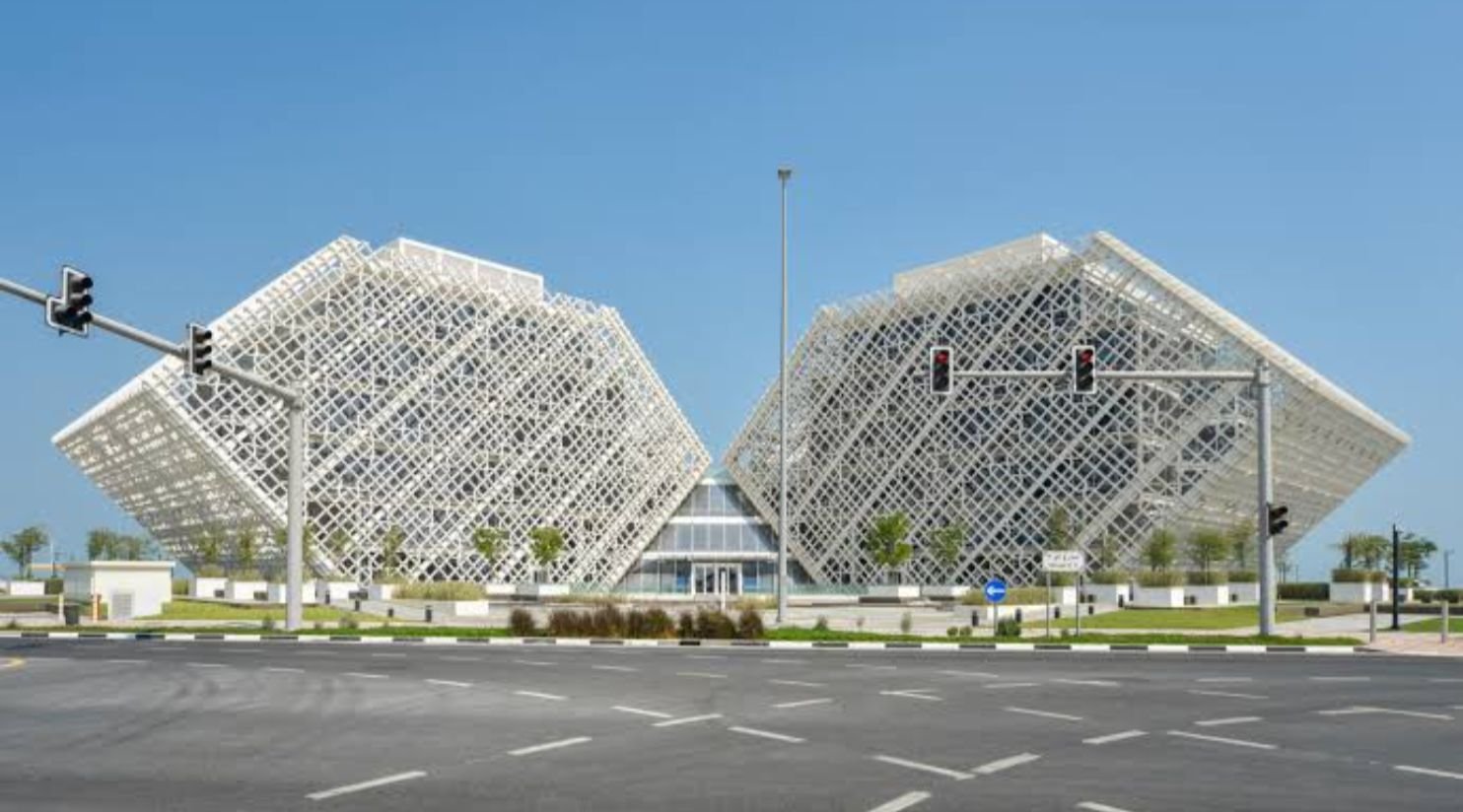
Thinking of launching a business in Qatar with 0% corporate tax and 100% foreign ownership? That is exactly what the country’s free zones offer to approved projects under the Qatar Free Zones Authority (QFZA) regime.
The short answer: Qatar has two operational free zones — Ras Bufontas, next to Hamad International Airport, and Umm Alhoul, beside Hamad Port — both run by the Qatar Free Zones Authority (QFZA), and both let you own your company outright with no local partner.
This guide covers Free Zones in Qatar: tax benefits and the registration process explained, step by step, using current QFZA practice for 2026.
What are free zones in Qatar?
A free zone is a designated business area treated as being outside the state's normal customs territory. That legal status is what unlocks the headline perks: goods can move in and out without the usual customs duties, and companies inside enjoy a special tax regime designed to attract international investors.
Qatar's free zones target logistics, manufacturing, technology, aviation, maritime and emerging sectors. Both are managed by QFZA, which acts as the single regulator for setting up and operating inside them.
Ras Bufontas Free Zone
Located minutes from Hamad International Airport, Ras Bufontas is the natural home for businesses that depend on fast air connectivity — light manufacturing, tech, pharmaceuticals, aerospace, and consumer goods that need to reach global markets quickly.
Umm Alhoul Free Zone
Sitting right beside Hamad Port, Umm Alhoul is built for heavier industry, maritime services, logistics, petrochemicals and manufacturing that depends on sea freight. Its deep-water access makes it ideal for import-export operations at scale.
The tax benefits of setting up in a Qatar free zone
This is the reason most investors look at free zones in the first place. The QFZA regime is genuinely competitive by regional standards:
- 0% corporate tax — through renewable 20-year tax holiday periods, so approved projects can operate tax-free for two decades and beyond.
- 0% customs duties on goods brought into and used within the free zones, with regular customs procedures applying only if those goods are sold on to Qatar’s local market.
- 0% personal income tax for individuals working in free-zone entities — a benefit shared across Qatar, but worth stating clearly.
- 100% foreign ownership — no Qatari partner or sponsor required to hold your company.
- Full profit and capital repatriation — you can move capital freely and send profits home without restriction.
- Access to Qatar's double taxation treaty network, plus the possibility of additional incentives for strategic sectors.
Free zone vs mainland vs QFC — a quick tax snapshot
To put the numbers in context, here is how the main options compare on corporate tax as of 2026:
- QFZA free zones (Ras Bufontas / Umm Alhoul) — typically 0% corporate tax for up to 20 years via tax holidays.
- Mainland Qatar — standard corporate tax rate of 10%, with certain incentives available.
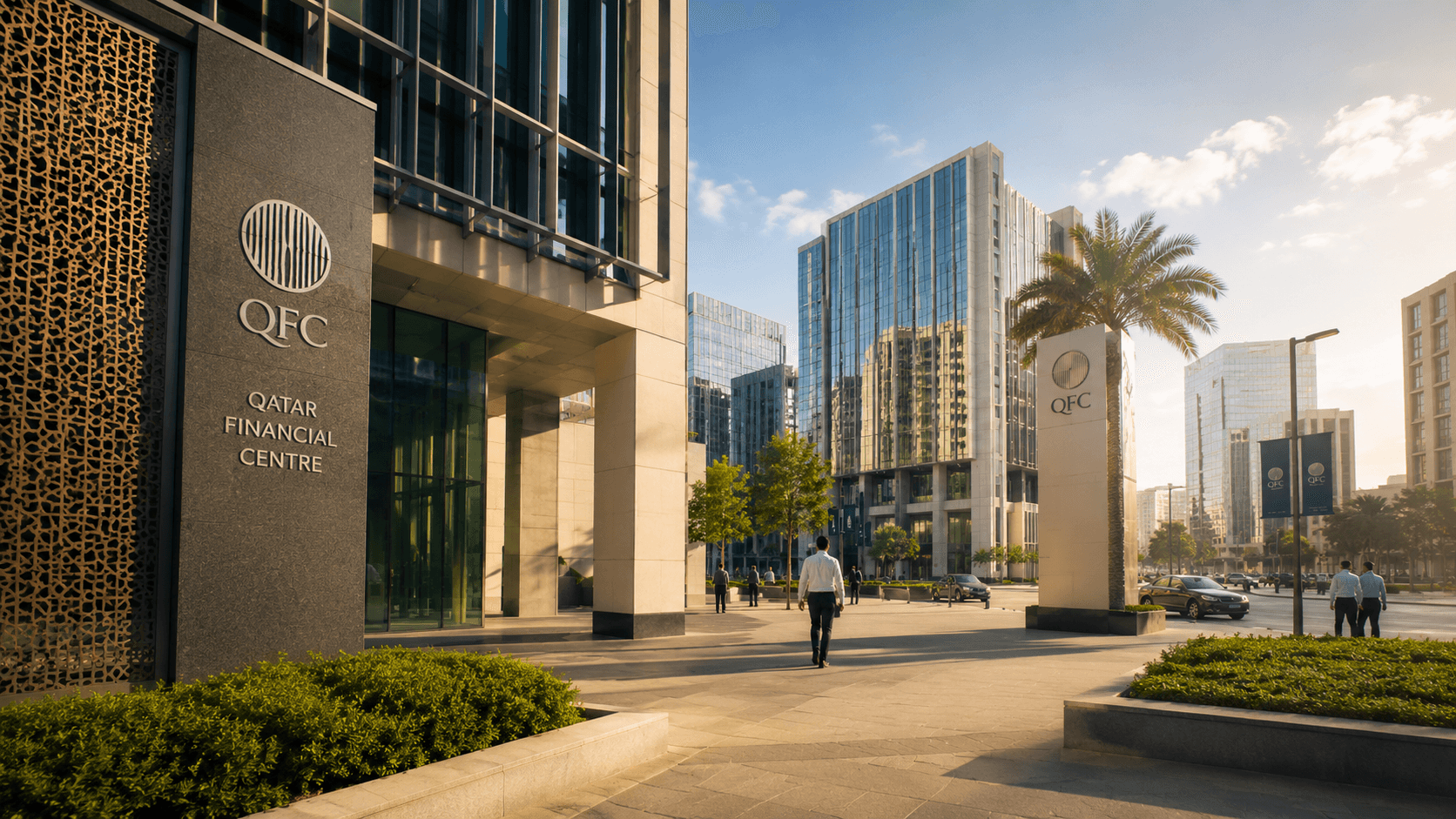
- Qatar Financial Centre (QFC) — standard corporate tax rate of 10% applied within its own incentive framework.
For a foreign-owned exporter or manufacturer, the 20-year tax holiday and duty-free customs status make the free-zone route hard to beat.
Other regulatory advantages
The benefits go beyond tax. Because free zones are treated as outside the state's customs territory, they come with a streamlined regulatory environment built around international business:
- Flexible company structures — you can set up as a branch of an existing foreign company or as a standalone LLC.
- Purpose-built infrastructure right next to the airport or port, with ready warehousing, office and industrial space.
- Access to investment funding routes and a modern data protection and intellectual property regime.
- A single point of contact — QFZA — for licensing, registration and ongoing compliance, rather than juggling multiple authorities.
How to register a company in a Qatar free zone
QFZA runs the entire licensing journey through its own Single Window‑style electronic process, handling free‑zone licensing, commercial registration and related technical licences in one place.
Free-zone licensing is not done through Metrash2 or the Ministry of Interior — those channels come later, only for the immigration and labour steps once your entity exists.
Step-by-step through QFZA's Single Window
- Choose your activity and location. Decide what your business will do and whether Ras Bufontas (airport) or Umm Alhoul (port) suits it better. Your activity must sit within QFZA's permitted activities schedule.
- Prepare your business plan and space needs. Put together a business plan, background information on the company and shareholders, and your land or space requirements — the type of property, area and lease term you need, aligned to your permitted activity.
- Reserve your trade name. Reserve a unique company name through the commercial registry / QFZA process. It must be distinctive and consistent with your business activity.
- Submit your business concept and initial application. Share your proposed activity, business plan and land requirements with QFZA via its online process, then complete the formal registration and licence application and pay the applicable government fees.
- Complete registration and licensing. QFZA reviews the application, and on approval you finalise your commercial registration, lease agreement and operating licence, ready to trade.
For the latest permitted activities schedule and to start your application, check the QFZA Investor Portal or contact QFZA directly for the most up-to-date requirements.
What does it cost?
Free-zone setup costs vary widely depending on your activity, the physical space you lease and the structure you choose (branch vs LLC). QFZA does not publish a single flat price, because a small office-based tech firm and a large industrial plot are very different propositions.
As a planning rule of thumb, budget for a few clear buckets: government application and licensing fees, the lease cost of your land, warehouse or office, and ongoing renewal and compliance fees. Because figures depend heavily on your footprint, it is best to request a tailored quotation from QFZA during the initial application rather than rely on a headline number. Treat any single "setup from QAR X" figure you see elsewhere with caution — the real cost is driven by your space.
Visas, staff and immigration after licensing
Once your free-zone entity is licensed, the standard Qatar state services kick in for the human side of the business. Work visas, QIDs, and labour and immigration formalities for your staff are handled through the usual national channels — the Ministry of Interior, Hukoomi and Metrash2 — just as they are for any employer in Qatar.
Planning to weigh up hiring locally versus bringing in expat talent? It is worth understanding the labour-law and cost implications before you commit to headcount. Browse the latest jobs and business listings on Qatar Living to get a feel for the market.
FAQs
How many free zones does Qatar have?
Qatar has two operational free zones — Ras Bufontas, near Hamad International Airport, and Umm Alhoul, beside Hamad Port. Both are managed by the Qatar Free Zones Authority (QFZA).
Do free-zone companies really pay 0% corporate tax?
Yes. Approved QFZA free-zone projects benefit from renewable 20-year corporate tax holidays, effectively 0% corporate tax for the period, alongside 0% customs duties on imports into the zone.
Can a foreigner own 100% of a free-zone company in Qatar?
Yes. Free-zone entities allow 100% foreign ownership with no requirement for a Qatari partner or local sponsor, plus full repatriation of profits and capital.
How do I apply to set up in a Qatar free zone?
Applications go through QFZA's electronic "Single Window", which covers licensing, commercial registration and technical licences. You choose your activity and location, prepare a business plan and space requirements, reserve a trade name, and submit the initial application with fees.
Is free-zone registration done through Metrash2 or the MOI?
No. Company licensing inside the free zones is handled by QFZA, not Metrash2 or the Ministry of Interior. Those channels are used later, only for visas, QIDs and labour and immigration steps once your entity is set up.
Which free zone should I choose — Ras Bufontas or Umm Alhoul?
Ras Bufontas suits businesses that rely on air connectivity, such as tech, light manufacturing and pharmaceuticals. Umm Alhoul suits heavier industry, maritime, logistics and sea-freight operations thanks to its location beside Hamad Port.
Ready to explore business opportunities in Qatar? Browse the latest business listings and services on Qatar Living to take your next step.
---
About Qatar Living :
Since 2005, Qatar Living has been the trusted destination for everything Qatar. As the country's largest online community and marketplace, Qatar Living connects people with opportunities through jobs, property, vehicles, services, classifieds, events, local insights, and breaking news. Trusted by residents, newcomers, visitors, and businesses alike, Qatar Living brings Qatar together in one place.
Follow Qatar Living for daily updates:
Instagram - @qatarliving
X - @qatarliving
Facebook - Qatar Living
YouTube - qatarlivingofficial
Up Next
MOCI Launches Business Guidance and Establishment Office
The Ministry of Commerce and Industry launches a Business Guidance and Establishment Office to support investors and entrepreneurs in Qatar.
Jul 29,2026
Setting Up an LLC (WLL) in Qatar: Full Guide
Setting up a Limited Liability Company (LLC) in Qatar: MOCI registration, Qatari partner rules, share capital, trade licence, costs and timelines.
Jul 28,2026
Business Visa vs Investor Visa in Qatar Explained
Business Visa vs Investor Visa in Qatar: compare differences, requirements, costs and processing time to pick the right route for your Doha venture.
Jul 28,2026
Representative Trade Office in Qatar: Setup Guide
How to set up a representative trade office in Qatar: MOCI rules, documents, licensing steps, costs and timeline for foreign companies.
Jul 28,2026