Health Insurance in Qatar 2026: Visitor Requirements, Expat Coverage and Costs Explained

If you're moving to or visiting Qatar, understanding the country's health insurance requirements can help you avoid unexpected medical bills and travel complications.
Visitors and expatriate residents follow different healthcare arrangements. Visitors who require an approved health insurance policy can generally purchase basic emergency cover for QAR 50 per 30 days, while residents may have employer-provided private insurance and access to subsidised public healthcare through Qatar's Health Card system.
Qatar has also introduced a mandatory health insurance framework under Law No. 22 of 2021, with implementation taking place in phases.
This guide to health insurance for expats and visitors in Qatar explains who needs insurance, what the basic policy covers, how much it costs, employer responsibilities and how residents can access public healthcare.
Health insurance for expats in Qatar at a glance
Qatar's health insurance framework is overseen by the Ministry of Public Health (MoPH), including its Health Financing and Insurance Department.
There are three important types of healthcare coverage to understand:
- Mandatory visitor health insurance — A standardised policy for eligible visitors, primarily covering medical emergencies and accidents.
- Private health insurance for residents — Employer-provided or individually purchased insurance, with benefits and costs depending on the policy.
- Qatar's public Health Card — Allows eligible residents to access subsidised healthcare services at Primary Health Care Corporation (PHCC) health centres and Hamad Medical Corporation (HMC) facilities.
These arrangements serve different purposes.
A visitor insurance policy is not designed to provide comprehensive long-term healthcare, while a public Health Card is not the same as private medical insurance.
Knowing which category applies to you is the first step towards arranging appropriate coverage.
Who needs insurance — visitors vs residents
Qatar introduced the first operational phase of its mandatory visitor health insurance scheme on 1 February 2023.
The rules depend on the traveller's nationality, visa category, length of stay and whether they already hold an accepted international insurance policy.
Visitors needing a prior entry visa
If your nationality or travel circumstances require a visa to be issued before travelling to Qatar, an accepted health insurance policy is generally required as part of the visa-issuance process.
Visitors can obtain coverage through:
- An insurer registered with Qatar's Ministry of Public Health
- An international insurer accepted by MoPH, provided the policy meets Qatar's requirements
The insurance must cover the applicable period of stay.
The minimum duration for Qatar's basic visitor insurance policy is 30 days.
For a single-entry visitor policy, coverage normally ends when the insured traveller leaves Qatar, even if the original policy period has not expired.
For multiple-entry visits, a corresponding multiple-entry policy may remain valid until its stated expiry date, subject to its terms.
Check the correct policy type before purchasing.
Visa-on-arrival visitors
Requirements for travellers eligible for visa-free entry, previously known as visa on arrival, need particular care.
Visit Qatar's current health insurance guidance states that travellers staying more than 30 days are required to obtain appropriate health insurance.
However, the Ministry of Interior's general visa guidance also lists valid health insurance among Qatar's entry requirements.
This means travellers should not automatically assume that every short visa-free visit is exempt from insurance checks.
For visitors eligible for a 30-day stay, insurance may become necessary when extending the visit beyond the initial permitted period.
Before travelling, verify the requirement for your nationality and visa category through Visit Qatar, the Ministry of Interior or the relevant airline.
Even if your entry category permits a short visit without purchasing Qatar's basic policy, travel medical insurance is strongly recommended.
Without suitable insurance, visitors may be personally responsible for medical expenses.
Hayya Card holders
Hayya is also used for Qatar's electronic visitor-visa services, including tourist and other eligible entry categories.
Insurance requirements depend on the specific Hayya visa or entry authorisation issued.
Older MoPH guidance required holders of the original FIFA World Cup-related Hayya Card and their companions to maintain coverage for the remaining validity of that particular entry permit.
However, that guidance related to an earlier Hayya arrangement, including an extension ending in January 2024.
It should not automatically be applied to every Hayya e-visa issued in 2026.
If you're travelling through Hayya, check the insurance requirements attached to your actual visa approval and travel dates.
Visit Hayya's official website for current visa information.
What the mandatory visitor policy covers
Qatar's basic mandatory visitor health insurance policy provides standardised coverage for emergencies and accidents, rather than routine healthcare.
According to the Ministry of Public Health's published scheme and Hamad Medical Corporation's visitor insurance guidance, the principal coverage limits are:
- Emergency medical treatment: Up to QAR 150,000
- Emergency medical assistance: Up to QAR 35,000, including eligible ambulance transportation and medically necessary evacuation
- COVID-19 treatment and eligible quarantine costs: Up to QAR 50,000
- Repatriation of mortal remains: Up to QAR 10,000
The policy applies within Qatar and is subject to the relevant benefit limits, exclusions and eligibility rules.
Are there deductibles or co-payments?
The standard visitor insurance policy does not require a deductible or co-payment for eligible covered services within the applicable limits.
However, this does not mean that every medical treatment is free.
The basic policy does not generally cover routine consultations, elective procedures or ordinary treatment of chronic medical conditions.
Emergency complications relating to chronic conditions may be covered under the policy's specific terms.
Visitors may also need to pay if:
- Their medical condition does not qualify as a covered emergency
- The required treatment falls outside the policy's benefits
- The applicable coverage limit is exceeded
- An exclusion applies
Hamad Medical Corporation advises visitors that non-emergency treatment may be chargeable even when they hold the basic visitor insurance policy.
Can visitors purchase additional coverage?
Yes.
Registered insurers may offer optional additional benefits or higher coverage limits.
These are often referred to as top-ups.
Depending on the product, additional insurance may offer broader treatment benefits or different limits.
The price is set by the insurer and is separate from the standard QAR 50 visitor policy.
Travellers should compare the full policy wording rather than assuming a top-up automatically includes every type of treatment.
How much does it cost and how to buy it
The standard mandatory visitor health insurance policy costs QAR 50 for a 30-day coverage period.
This is the published basic premium for a single 30-day visitor policy.
The amount payable for longer stays or different visa categories depends on the applicable period and policy type.
For example:
Insurance periodIndicative basic premium30 daysQAR 50Two 30-day periodsQAR 100Three 30-day periodsQAR 150
These examples illustrate the QAR 50 rate for successive 30-day periods. The actual amount for longer-duration or multiple-entry visas must be confirmed with the insurer.
Optional benefits and top-ups cost extra.
How to buy visitor health insurance
The process generally involves the following steps:
- Check your visa requirements. Confirm whether your nationality, entry category and intended stay require an insurance policy.
- Choose an approved insurer. Select a company registered with MoPH or check whether your existing international insurer is accepted.
- Select the appropriate period. Ensure the policy covers the dates required by your entry or visa-extension process.
- Provide your details. Insurers generally require passport information and contact details.
- Complete payment. Purchase the policy through the insurer's official website or authorised channel.
- Keep your insurance certificate. Save the electronic policy and have a copy available when travelling.
Visit Qatar publishes a list of registered insurance providers on its official health insurance page.
Can I use international travel insurance instead?
Potentially, yes.
Qatar accepts qualifying policies issued by international insurance companies approved by MoPH.
The policy generally must:
- Include Qatar within its geographical coverage
- Remain valid for the required stay
- Cover emergencies and accidents to the required limit
- Meet the applicable deductible, co-payment and other benefit conditions
Not every international travel insurance policy automatically satisfies Qatar's entry requirements.
Confirm the insurer's recognition and the policy's eligibility before travelling.
What happens if I extend my visa?
When extending a visit visa, the relevant insurance requirement must continue to be satisfied.
Published visitor-insurance guidance states that a new policy must be purchased for a visa extension under the applicable basic visitor-insurance process.
Do not assume an expired policy will automatically renew.
Arrange the required coverage before completing your visa extension.
Health insurance for expatriate residents
Health insurance for people living and working in Qatar is different from the visitor scheme.
The mandatory visitor insurance policy is not intended for people who hold a Qatar residence permit.
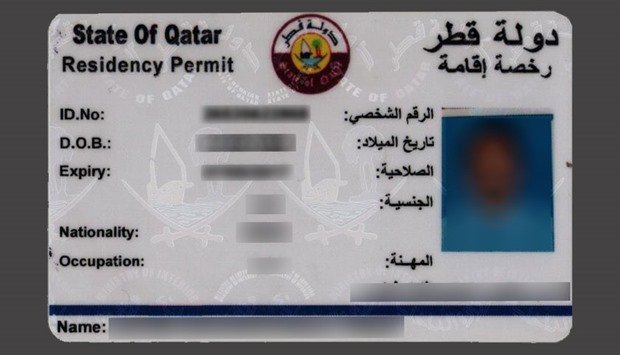
For expatriate residents, healthcare arrangements can involve employer-provided private insurance, individually purchased coverage and Qatar's subsidised public healthcare system.
Is health insurance mandatory for expatriate residents?
Qatar's Law No. 22 of 2021 establishes a mandatory health insurance framework for expatriate workers, residents and visitors.
Under that framework, employers are responsible for arranging and paying for the required basic health insurance coverage for their non-Qatari employees.
The Executive Regulations, issued under Minister of Public Health Decision No. 8 of 2022, also establish responsibilities for eligible family members and sponsors.
However, Qatar has introduced the insurance system in phases.
The visitor scheme has been operational since February 2023, while the resident and worker arrangements have followed a separate implementation process.
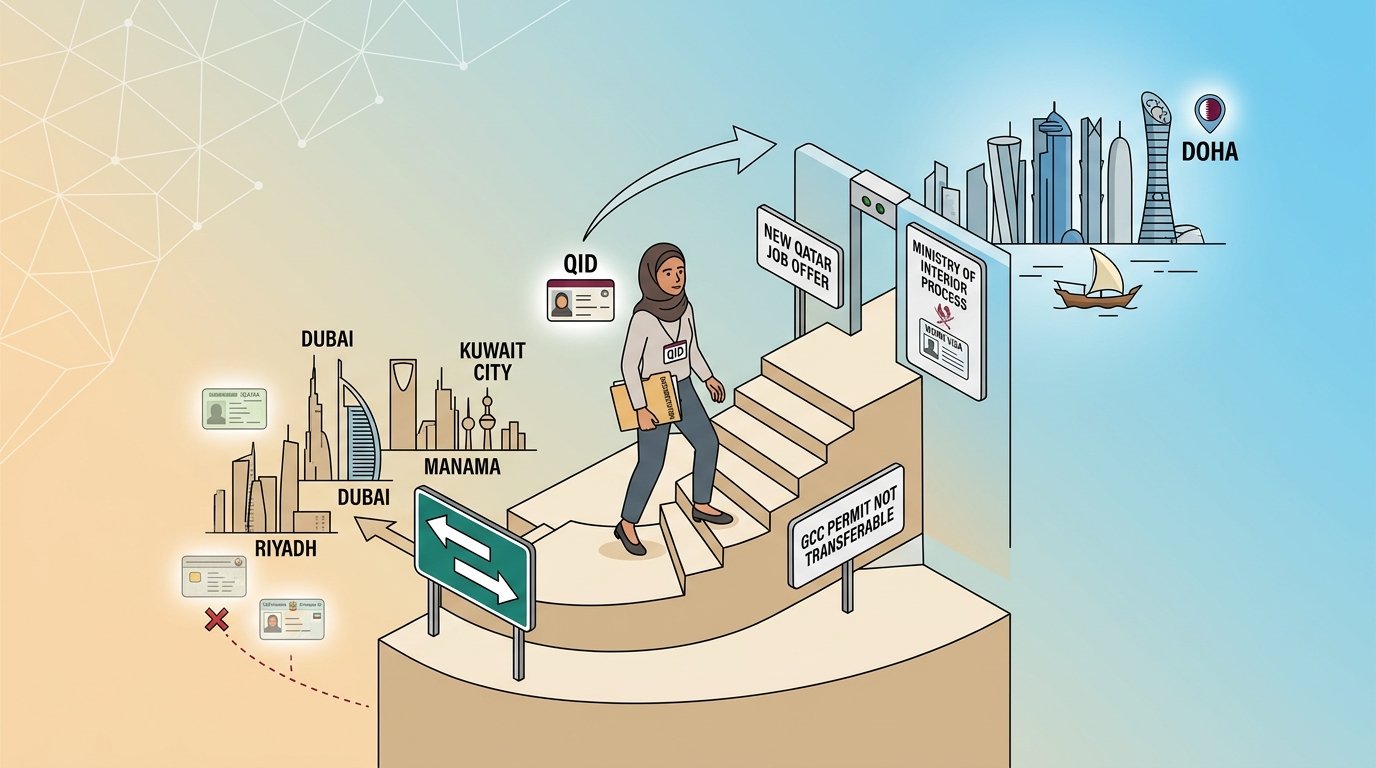
As of November 2026, publicly accessible information does not establish that a uniform private resident-insurance policy is being applied to every expatriate through all QID issuance and renewal procedures.
Residents should therefore check their employer's actual insurance arrangements and the latest MoPH requirements instead of assuming that private insurance has automatically been activated with their QID.
Does your employer have to provide insurance?
Under Qatar's mandatory health insurance legal framework, employers are responsible for paying the premiums for the required basic coverage of eligible non-Qatari workers.
The regulations also contain provisions covering qualifying family members.
Article 8 of the Executive Regulations sets out the employer's responsibility for an eligible spouse and up to three children under 18, with additional rules where both spouses are employed.
Because implementation is phased and contractual benefits can differ, employees should confirm:
- Whether their employer currently provides private health insurance
- Which insurance company administers the policy
- When coverage begins
- Whether it covers spouses and children
- Which hospitals and clinics are included
- Whether they must pay any deductibles or co-payments
- What happens to coverage when employment ends
Do not assume that every existing corporate insurance policy provides identical family benefits.
Qatar's public Health Card: an important option for residents
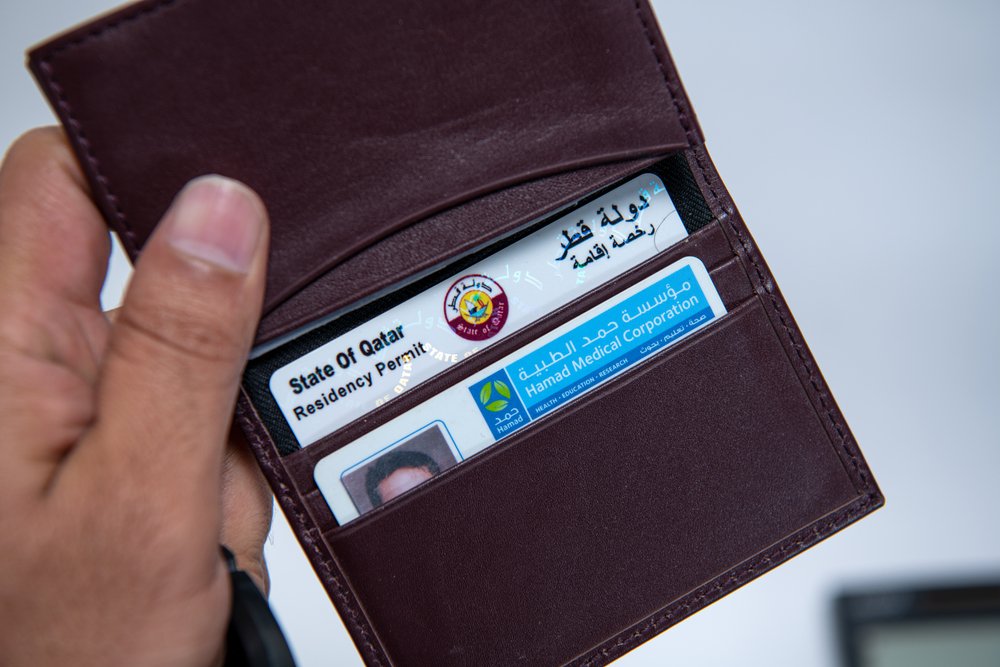
Expatriate residents can also apply for a Qatar Health Card through the Primary Health Care Corporation.
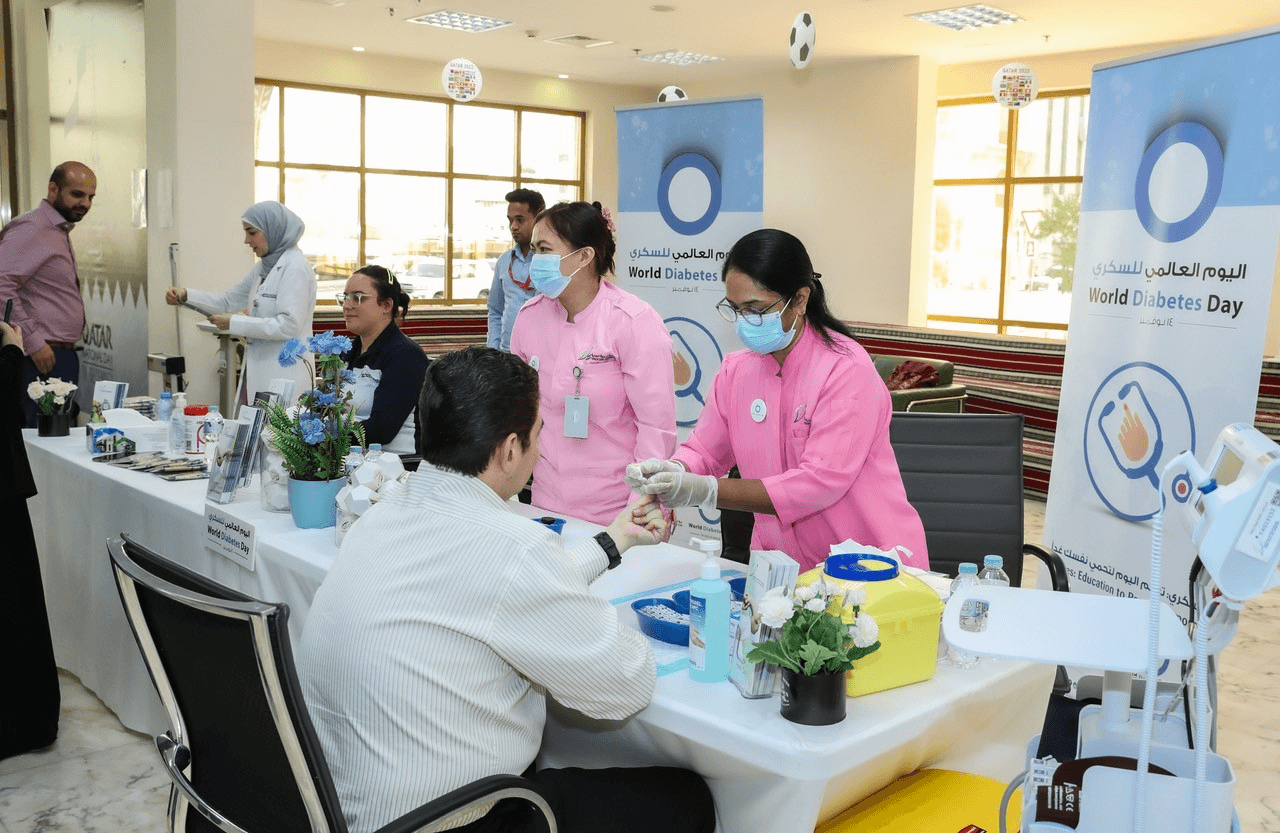
The card allows eligible residents to access subsidised medical services at PHCC health centres and Hamad Medical Corporation facilities.
According to PHCC, the published fees include:
- Expatriate adult residents: QAR 100
- Expatriate child residents: QAR 100
- Eligible domestic staff: QAR 50
- Eligible GCC national residents: QAR 50
PHCC advises residents to provide a valid QID, photograph, proof of address and payment card when applying, subject to the requirements of their category.
Applications can be initiated through the Nar'aakom app, with in-person procedures also described on the PHCC website.
Important: A public Health Card is not a private insurance policy.
It provides access to subsidised government healthcare, and consultations, medications or other services may still involve charges.
For application details, visit the official PHCC Health Card page.
Coverage types to compare
Private health insurance for residents varies significantly between plans.
When comparing policies, check:
- Inpatient cover: Hospital admission, surgery and room category
- Outpatient cover: GP visits, specialist consultations, tests and prescriptions
- Maternity cover: Applicable limits, waiting periods and eligible services
- Dental and optical benefits: Whether these are included or optional
- Provider network: Hospitals, clinics and pharmacies that accept the policy
- Pre-existing conditions: Exclusions, waiting periods and disclosure requirements
- Annual coverage limits: The maximum amount the insurer will pay
- Deductibles and co-payments: What you may need to contribute when receiving treatment
Some policies also provide international coverage, while others are limited to treatment inside Qatar.
What drives the premium
There is no single published premium for every expatriate resident's private medical insurance policy.
Pricing depends on several factors, including:
- Age: Premiums can increase for older applicants.
- Insurer and plan: Basic and comprehensive plans have different prices.
- Coverage limits: Higher annual limits may increase premiums.
- Hospital network: Broader access to private healthcare providers can affect pricing.
- Deductibles and co-payments: The policyholder's share of eligible costs can affect premiums.
- Medical history: Coverage of pre-existing conditions may involve additional conditions.
- Family size: Adding eligible dependants can change the total cost.
When buying individual insurance, request quotations from multiple registered insurers and compare the benefits as well as the final price.
Visitor vs resident cover: a quick comparison
Mandatory visitor policy
- Price: QAR 50 for a standard 30-day policy
- Purpose: Emergency and accident-related medical coverage
- Coverage: Standardised basic benefits and limits
- Duration: Linked to the applicable visitor policy and visa conditions
- Deductibles: No deductible or co-payment for eligible covered services within policy limits
- Eligibility: Visitors subject to the relevant mandatory-insurance requirements
Private resident insurance
- Price: Variable, depending on the insurer and plan
- Purpose: Healthcare coverage for eligible residents
- Coverage: Depends on the policy and may include inpatient, outpatient and additional benefits
- Duration: Based on the insurance contract and eligibility
- Deductibles: Depend on the plan
- Eligibility: Expatriate employees, individuals and eligible dependants, subject to applicable conditions
Qatar Health Card
- Published fee: QAR 100 for most expatriate adult and child residents
- Purpose: Access to subsidised public healthcare
- Facilities: PHCC health centres and HMC facilities
- Coverage: Subsidised services, not a private insurance benefits package
- Eligibility: Qualifying Qatar residents
In short, the visitor policy is primarily designed for medical emergencies during a visit, private insurance can provide broader healthcare benefits, and the public Health Card helps eligible residents access subsidised treatment.
They should not be treated as interchangeable.
Tips for choosing the right policy
- Check your visa category first. Insurance requirements differ between visitors requiring advance visas, travellers using visa-free entry and holders of other entry authorisations.
- Match your policy to your stay. Make sure the coverage meets the validity requirements for your visa or extension.
- Confirm the insurer is recognised. Check MoPH's registered insurers and approval criteria for international policies.
- Don't confuse emergency and comprehensive cover. The QAR 50 visitor policy does not normally cover routine healthcare.
- Residents should check with HR. Ask for written confirmation of your current policy, network and benefits.
- Apply for a public Health Card if eligible. It can provide access to subsidised PHCC and HMC services.
- Check family coverage carefully. Legal responsibilities and existing employment policies may not be identical while implementation continues.
- Compare exclusions and limits. Review pre-existing conditions, maternity cover, annual limits and co-payments.
- Keep documents accessible. Save insurance certificates, membership details and your Health Card information.
For official visitor insurance guidance, contact the Ministry of Public Health on 16000, extension 1.
If you're moving to Qatar, you can also browse Qatar Living Properties for accommodation and Qatar Living Jobs for employment opportunities.
FAQs
Do I need health insurance to visit Qatar?
It depends on your nationality, visa type and length of stay.
Visitors requiring a visa before arrival generally need approved insurance as part of their application.
Visit Qatar states that travellers staying more than 30 days must have qualifying insurance, while the Ministry of Interior's general entry guidance also references valid health insurance.
Check the exact requirement for your entry category before travelling.
Can I buy insurance after I arrive in Qatar?
Visit Qatar says eligible visitors can purchase insurance upon arrival, although it recommends obtaining coverage before travelling.
If your visa must be issued before departure and insurance is a condition of that visa, arrange the policy during the application process.
For visa extensions, ensure that valid coverage is in place before submitting the extension.
How much is the mandatory visitor health insurance in Qatar?
The standard mandatory visitor health insurance policy costs QAR 50 for 30 days.
Longer coverage periods and different visa types may affect the total amount.
Optional top-ups and broader insurance benefits are priced separately.
What does the basic visitor policy cover?
The standard benefits include:
- Emergency medical treatment up to QAR 150,000
- Emergency medical assistance up to QAR 35,000
- COVID-19 treatment and eligible quarantine costs up to QAR 50,000
- Repatriation of mortal remains up to QAR 10,000
There is no deductible or co-payment for eligible covered services within the applicable policy limits.
Routine treatment and other excluded services may still result in charges.
Do expatriate residents with a QID need the visitor policy?
No. The mandatory visitor policy is intended for people visiting Qatar, not residents holding a residence permit.
Expats may have private coverage through an employer or an individually purchased plan.
Eligible residents can also apply for a public Health Card to access subsidised healthcare.
Qatar's broader mandatory resident-insurance framework exists under Law No. 22 of 2021, but the implementation position should be confirmed with MoPH or the employer.
How much does Qatar's Health Card cost for expats?
PHCC lists QAR 100 for expatriate adult and child residents and QAR 50 for eligible domestic staff and GCC national residents.
The Health Card provides access to subsidised public medical services rather than private insurance coverage.
Why do private resident insurance premiums vary so much?
There is no fixed premium for every private medical insurance plan.
The price can depend on age, annual coverage limits, hospital network, plan benefits, deductibles, co-payments, medical history and family coverage.
Do I need a new policy if I extend my visa?
Under the published basic visitor-insurance process, a new policy must be purchased when extending the applicable visit visa.
Make sure the coverage meets the requirements of the renewed visa.
If you hold a different type of policy or qualifying international insurance, verify the applicable extension process with the insurer and immigration authorities.
About Qatar Living:
Since 2005, Qatar Living has been the trusted destination for everything Qatar. As the country's largest online community and marketplace, Qatar Living connects people with opportunities through jobs, property, vehicles, services, classifieds, events, local insights, and breaking news. Trusted by residents, newcomers, visitors, and businesses alike, Qatar Living brings Qatar together in one place.
Instagram - @qatarliving
X - @qatarliving
Facebook - Qatar Living
YouTube - qatarlivingofficial
Up Next

Sidra Medicine Opens MENA Microbiome Conference, Highlights Latest Research and Innovative Therapies
Sidra Medicine opens the MENA Microbiome Conference 2026 in Doha, spotlighting breakthroughs in microbiome research and innovative healthcare therapies.
Oct 18,2026