Qatar 2026: Your QID Replaces the Health Card
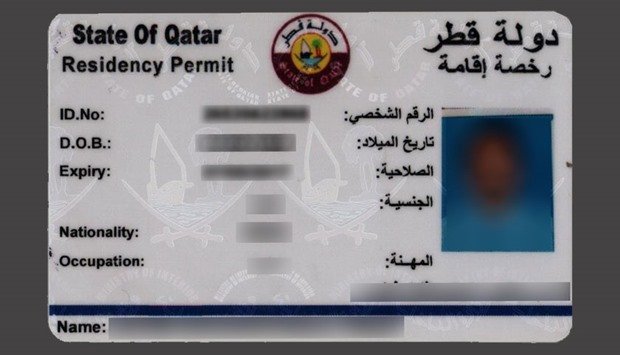
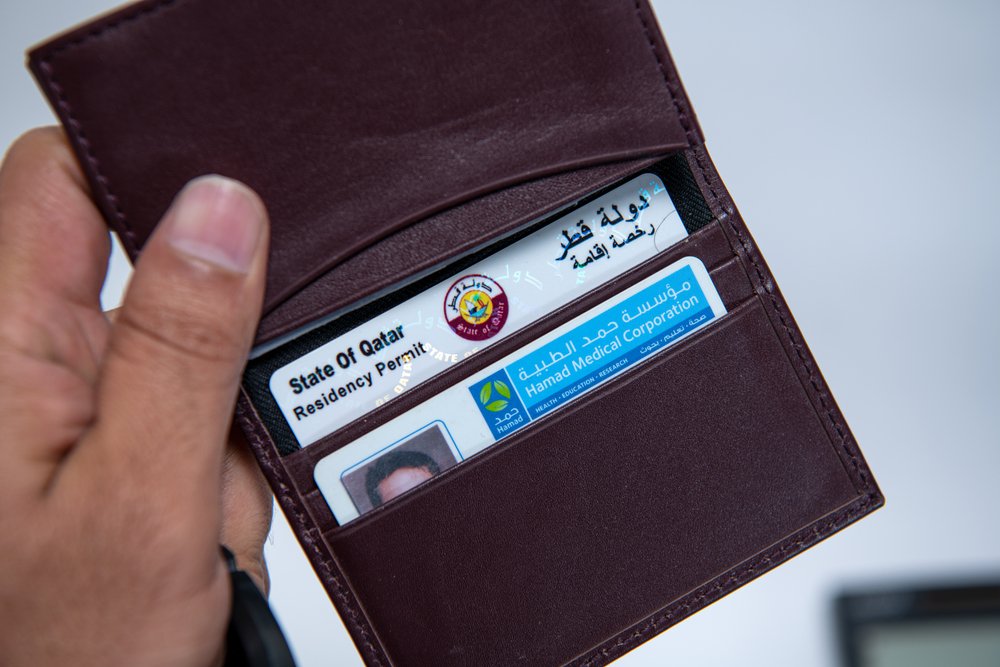
Since 17 April 2026, you can walk into a government health facility with just your valid Qatar ID (QID) — no printed health card required. When you present your QID, your health number is verified electronically, so the plastic card most of us have carried for years is no longer printed for residents.
If you've ever scrambled to find a lost health card before a clinic appointment, this is genuinely good news. But there's an important catch: this is one of the key Qatar public healthcare changes in 2026: using a valid QID instead of a health card is about identification and access, not about scrapping the annual fees. Your QID must be valid, and your health registration still needs to be renewed each year. Here's what changes and what stays the same.
The big change: your QID is now your health card
Previously, residents needed a physical health card — a separate document tied to your health number — to access services at government hospitals and clinics. Under the 2026 update, that health number is linked to your QID and checked electronically at the facility. Present your QID at reception, and staff can confirm your registration on the spot.
In practical terms: no more separate card to carry, no more replacing a damaged or lost one, and one less thing to keep in your wallet. Physical health cards are no longer printed for residents, so your QID becomes the single document you show for public healthcare.
Where does it apply?
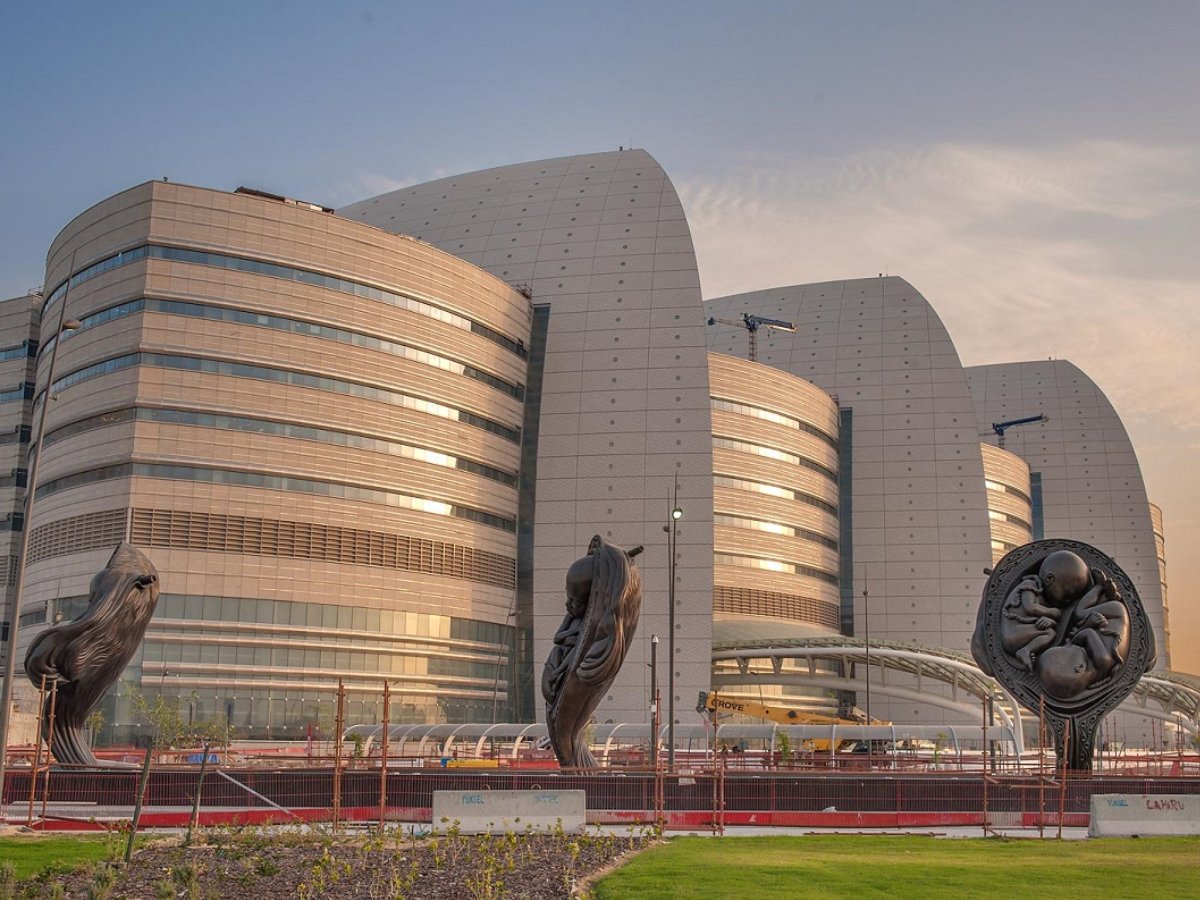
- Hamad Medical Corporation (HMC) hospitals — such as Hamad General Hospital, Al Wakra Hospital, Al Khor Hospital and the Women's Wellness and Research Center.
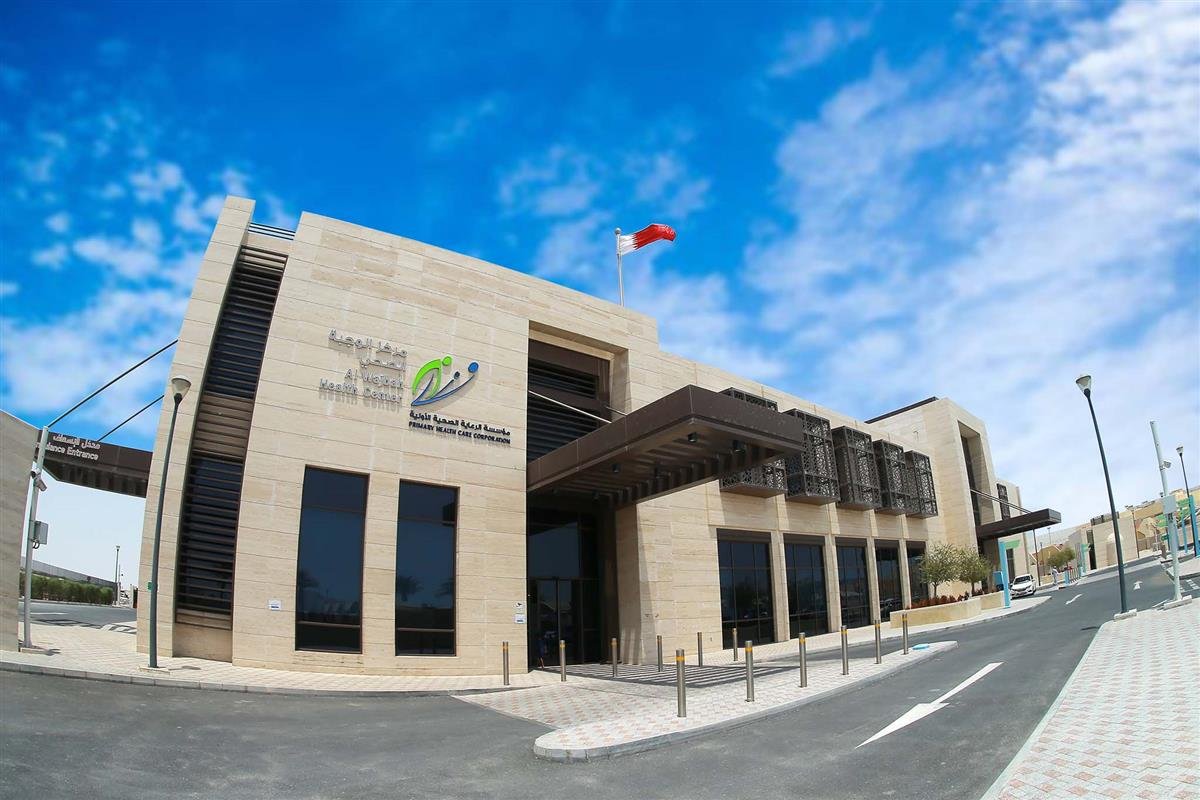
- Primary Health Care Corporation (PHCC) health centres across Doha and the wider country.
- Other government health-sector facilities that verify your health registration.
For Qatari citizens, nothing new here — they already use their QID for public healthcare at no charge. The bigger shift is for residents, GCC citizens living in Qatar, and domestic staff.
The fees haven't changed — here's what you still pay
This is the part that trips people up. Moving to QID-based access does not remove the annual health registration fee. The coverage is renewed yearly, and the amount depends on your category. These are the official rates set by the authorities:
Annual health registration fees by category
- Residents (adults and children) — QAR 100 This is the standard fee for expat residents and their dependants.
- GCC citizens residing in Qatar and domestic staff — QAR 50
- Qatari citizens — QAR 0. Citizens access public healthcare using their QID at no cost.
Two things to keep in mind. First, your QID must be valid — if your QID has expired, sort that out before you rely on it at a clinic. Second, the health registration is an annual arrangement, so you'll renew it each year just as you did with the old health card.
How to register or renew your health coverage
You have two straightforward routes: online, or in person at a PHCC health centre. Payment in both cases is by credit or debit card.
Register or renew online via PHCC / Naraakom
- Go to the PHCC website and open the health services / Naraakom section.
- Enter your details and confirm your QID information.
- Upload the required photograph if requested (see the size below).
- Pay the applicable annual fee — QAR 100 for residents, QAR 50 for GCC citizens and domestic staff — using a credit or debit card.
- Your registration is updated and linked to your QID for electronic verification.
The online route is the easiest option for most people, especially if you want to avoid a trip to a health centre.
Register or renew at a PHCC health centre
- Visit your nearest PHCC health centre.
- Bring your valid QID and a passport-style photograph.
- Complete the registration or renewal at the counter.
- Pay the applicable fee by credit or debit card.
PHCC centres are spread across Doha and beyond — from Leabaib and Al Rayyan to Umm Salal and Al Wakra — so there's usually one close to home or work.
What you need before you register
For a resident registration or renewal, have these ready:
- A valid QID (double-check the expiry date).
- A 4 cm × 3 cm photograph — the standard photo size for the application.
- The applicable annual fee, payable by credit or debit card.
That's it. No need to hunt for an old health card, and no need to print a new one — the system does the heavy lifting once your QID is scanned.
FAQs
Do I still need a physical health card in Qatar in 2026?
No. From 17 April 2026, physical health cards are no longer printed for residents. You present your valid QID, and your health number is verified electronically at HMC, PHCC and other government health facilities.
Does this mean healthcare is now free for residents?
No. The annual health registration fee still applies — QAR 100 per year for residents (adults and children) and QAR 50 for GCC citizens living in Qatar and domestic staff. Qatari citizens pay nothing.
How do I renew my health registration?
Renew online through the PHCC website / Naraakom services, or in person at a PHCC health centre. You'll need a valid QID, a 4 cm × 3 cm photograph, and the applicable fee paid by credit or debit card.
What happens if my QID has expired?
Because access is now tied to your QID, you should keep it valid. If your QID is expired, renew it first before relying on it for public healthcare, otherwise verification may fail at the clinic.
Do children need their own health registration?
Yes. Resident children are registered too, and the same annual fee of QAR 100 applies They're identified through their own QID.
Where can I use my QID instead of a health card?
Across government health-sector facilities, including HMC hospitals such as Hamad General Hospital and Al Wakra Hospital, and PHCC health centres throughout Doha and the country.
Ready to sort it out? Keep your QID valid, register or renew through the PHCC website or your nearest PHCC health centre, and set an annual reminder so your coverage never lapses — no plastic card required.
--
About Qatar Living:
Since 2005, Qatar Living has been the trusted destination for everything Qatar. As the country's largest online community and marketplace, Qatar Living connects people with opportunities through jobs, property, vehicles, services, classifieds, events, local insights, and breaking news. Trusted by residents, newcomers, visitors, and businesses alike, Qatar Living brings Qatar together in one place.
Instagram - @qatarliving
X - @qatarliving
Facebook - Qatar Living
YouTube - qatarlivingofficial
Up Next
Primary Health Care Corporation Strengthens Community Protection Through International Infection Prevention Week Campaign
PHCC marks International Infection Prevention Week with activities promoting hand hygiene, infection control, and community health awareness.
Oct 10,2026
Sidra Medicine Introduces Two New Specialized Therapies for Children with High-Risk Neuroblastoma
Sidra Medicine launches two new therapies for children with high-risk neuroblastoma, advancing pediatric cancer care in Qatar and the Gulf region.
Oct 1,2026
Public vs Private Healthcare in Qatar: Full Guide
Public vs Private Healthcare in Qatar: a complete guide to Health Card fees, HMC and PHCC costs, insurance and choosing the right care in Doha.
Aug 2,2026
How to Use HMC Hospitals in Qatar: Health Cards, Appointments, Costs and Emergencies
How to use Hamad Medical Corporation (HMC) hospitals in Qatar: health card, booking, the ER, costs and what to bring on your first visit.
Aug 2,2026