Getting Internet & Home Wi-Fi in Qatar: Providers & Plans
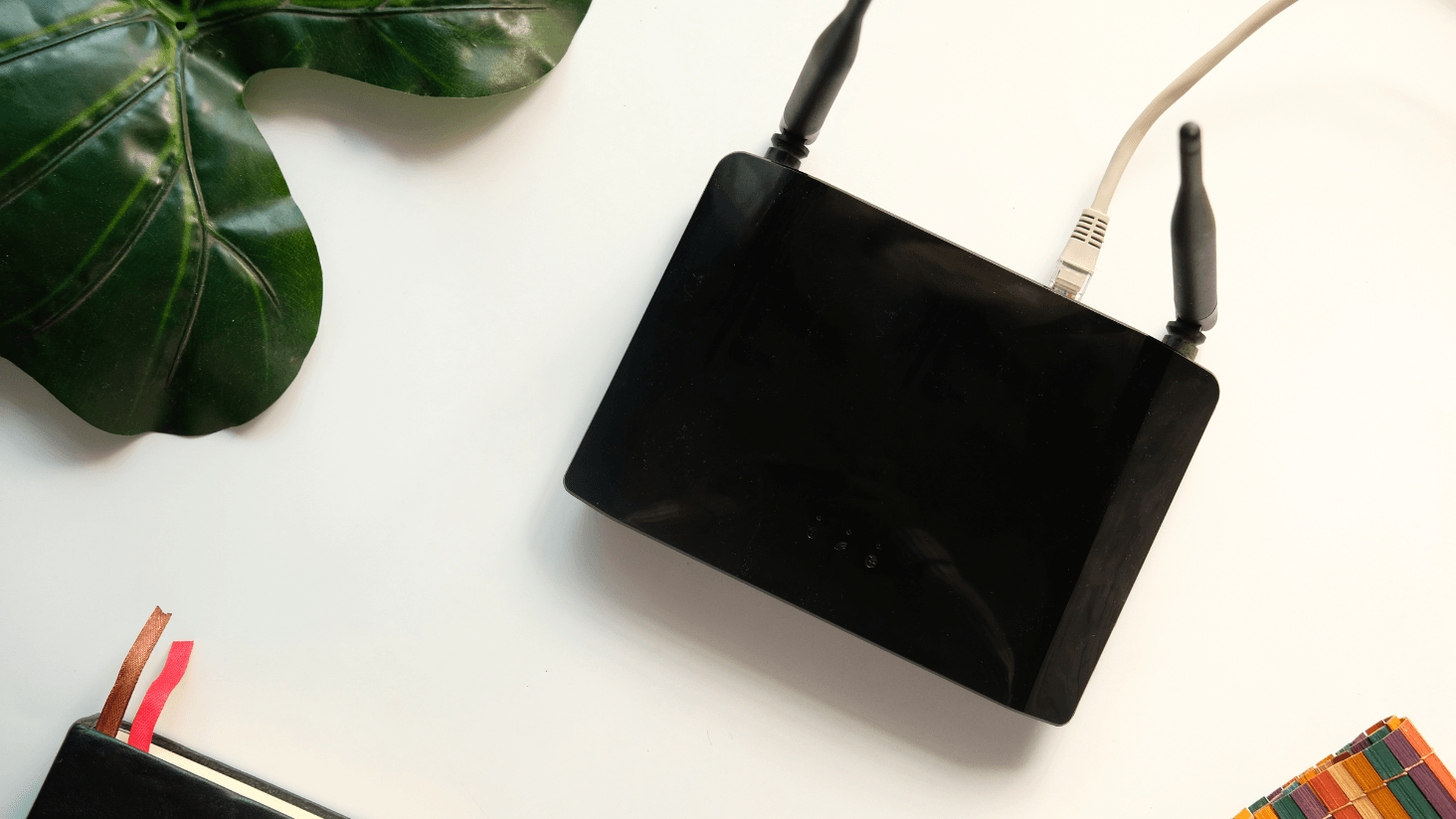
Just moved into a flat in West Bay, The Pearl or Al Sadd and wondering how to get online? Setting up home internet in Qatar is generally straightforward, but there are now more options than simply choosing between two fibre providers.
Ooredoo and Vodafone Qatar are the country’s two licensed fixed telecommunications operators, and both provide residential fibre and other home-broadband services. Qatar also has licensed satellite broadband from Starlink, which now offers residential plans directly to consumers.
Fibre is widely available across Doha and many other parts of Qatar, but it is not correct to assume that every building has fibre from both operators. Availability can differ by address, building and infrastructure. Vodafone also offers wireless 4G+/5G home internet where fibre is unavailable, while Starlink provides a satellite option for suitable properties.
This guide walks you through the main providers, current 2026 prices, the setup process and what to check before subscribing—whether you are in a studio in Lusail or a family villa in Al Wakra.
Information checked on 10 August 2026. Telecom promotions can expire quickly, so always confirm the current monthly rate and contract conditions immediately before ordering.
Home internet in Qatar at a glance
For conventional fixed home broadband, Qatar has two licensed operators:
- Ooredoo Qatar
- Vodafone Qatar
Qatar’s Communications Regulatory Authority currently lists Ooredoo and Vodafone as the country’s licensed fixed telecommunications operators.
However, that does not mean they are the only way to get home internet.
The Communications Regulatory Authority also licensed Starlink Satellite Qatar to provide satellite broadband directly to individuals and businesses. Starlink currently offers Residential Lite and Residential plans in Qatar.
For most apartments and urban homes, the practical options are:
Ooredoo Home+ fibre
Vodafone GigaHome fibre
Vodafone wireless 4G+/5G where fibre is unavailable
Starlink satellite internet where installation and line-of-sight conditions allow
There is no separate Metrash or Ministry of Interior application that an ordinary consumer must complete to subscribe to Ooredoo or Vodafone home broadband. You order the service directly from the provider.
Residential pricing varies substantially by technology and package.
Standard mainstream fibre currently begins at approximately QAR 350–365 per month, while premium multi-gigabit packages can cost several thousand riyals each month. Satellite and wireless alternatives can begin at lower monthly prices.
The main providers: Ooredoo vs Vodafone Qatar
Ooredoo and Vodafone are the two fixed-network operators most residents will compare for a standard apartment or villa.
Do not assume both offer fibre in your building.
Check the exact property, ideally using the electricity or Kahramaa number, before comparing plans. Vodafone specifically uses the Kahramaa electricity number to check whether fibre is available at the premises.
Ooredoo Home+
Ooredoo’s residential fibre brand is Home+.
Its current plans begin at 1 Gbps and extend to 10 Gbps. Ooredoo describes the service as unlimited and includes Wi-Fi 6 equipment across the current Home+ range.
Current base pricing shown by Ooredoo includes:
Home+ Go — QAR 365/month
- Up to 1 Gbps
- Unlimited internet
- One Wi-Fi device
- Ooredoo TV access and Marhaba channels
Home+ Go Entertainment — QAR 400/month
- Up to 1 Gbps
- Unlimited internet
- One Wi-Fi device
- Additional entertainment credits
Home+ Premium Entertainment — QAR 575/month
- Up to 1.5 Gbps
- Two Wi-Fi devices
- Ooredoo TV box
- Entertainment credits
Home+ Super Entertainment — QAR 1,000/month
- Up to 2 Gbps
- Fibre-to-the-room coverage
- Multiple Wi-Fi devices
- Two Ooredoo TV boxes
Home+ Elite — QAR 6,500/month
- Up to 10 Gbps
- Fibre-to-the-room coverage
- Multiple Wi-Fi devices
- Three Ooredoo TV boxes
- Expanded entertainment benefits
Ooredoo’s website currently also displays discounted figures such as QAR 330 for Home+ Go and QAR 470 for Premium Entertainment.
However, the published terms attached to those discounts state that the promotion applied to new customers subscribing up to 25 July 2026. As of 10 August 2026, those promotional figures should not be treated as guaranteed current prices unless Ooredoo confirms that the promotion has been extended or replaced.
This is exactly why you should compare the standard monthly rental with any promotional price before signing.
Ooredoo also has minimum-subscription and equipment conditions. Its current terms specify a 12-month minimum period for the main Wi-Fi or Fibre-to-the-Room equipment, while certain additional FTTR devices can carry a 24-month commitment. Early termination can trigger prorated equipment or liability charges.
Vodafone GigaHome
Vodafone’s main residential fibre service is GigaHome.
Its current fibre plans include:
GigaHome 1 Gbps — QAR 350/month standard price
Vodafone is currently advertising an online rate of QAR 299/month, together with two free months for eligible new customers. The promotional terms state that the current special rate runs until 10 August 2026.
GigaHome 2 Gbps — QAR 500/month standard price
The current promotional rate is QAR 399/month, again with two free months for eligible new subscribers and with the promotion ending 10 August 2026. The package includes two GigaHubs.
GigaHome 5 Gbps — QAR 3,500/month standard price
The current promotional price is QAR 3,150/month for the applicable promotional period. The plan includes five GigaHubs.
Vodafone includes Wi-Fi 6 equipment and currently advertises free installation on these fibre plans.
The original article’s QAR 199 “entry fibre” figure is inaccurate.
Vodafone does advertise wireless home-internet offers around that price point, but those are 5G/mobile-home products, not its 1 Gbps fibre service.
Vodafone also operates GigaHome over 4G+, 5G and fibre. If your address does not qualify for fibre, Vodafone specifically says that wireless home services may be available instead.
Like Ooredoo, Vodafone has contractual conditions. Its published GigaHome terms specify a 12-month minimum subscription period, with early termination potentially resulting in equipment-related charges depending on the service and equipment provided.
What about Starlink?
Starlink is now another residential internet option in Qatar.
The Communications Regulatory Authority licensed Starlink Satellite Qatar to provide public satellite telecommunications services directly to consumers and businesses.
Current Qatar residential plans include:
Residential Lite — QAR 220/month
- Up to approximately 200 Mbps
- Unlimited data
- Lower priority during peak periods
- Availability limited in some areas
Residential — QAR 330/month
- Up to 400+ Mbps according to Starlink’s Qatar page
- Unlimited data
- Higher-performance residential service
Starlink requires its own satellite hardware and a suitable installation point with a clear view of the sky. Its standard equipment includes the Starlink terminal, cables, power equipment and a Wi-Fi router for applicable kits.
That can make it practical for villas or locations where fixed-network options are limited, but less straightforward for some apartments where:
- The balcony does not have clear sky exposure
- Roof access is restricted
- Building-management permission is required
- Permanent mounting is not permitted
For most residents in well-connected Doha apartment buildings, Ooredoo or Vodafone fibre will remain the simpler first option.
How much does home Wi-Fi cost in Qatar?
The original QAR 200–1,500 range is no longer accurate.
A more useful August 2026 comparison is:
Satellite home internet
From QAR 220/month
Starlink Residential Lite currently costs QAR 220/month, while its standard Residential service costs QAR 330/month. Hardware costs or rental arrangements must also be checked separately for the specific address and order.
Standard fibre
Around QAR 350–400/month
Examples include:
- Vodafone 1 Gbps — QAR 350 standard
- Ooredoo Home+ Go 1 Gbps — QAR 365
- Ooredoo Home+ Go Entertainment — QAR 400
Mid-range high-speed fibre
Approximately QAR 500–1,000/month
Examples include:
- Vodafone 2 Gbps — QAR 500 standard
- Ooredoo Home+ Premium 1.5 Gbps — QAR 575
- Ooredoo Home+ Super 2 Gbps — QAR 1,000
Premium multi-gigabit fibre
QAR 3,500–6,500/month
Examples include:
- Vodafone 5 Gbps — QAR 3,500 standard
- Ooredoo Home+ Elite 10 Gbps — QAR 6,500
Most ordinary households do not need a 5 Gbps or 10 Gbps connection.
When comparing packages, check:
- Standard monthly price
- Promotional price
- Promotion expiry date
- Contract duration
- Installation charges
- Early-termination liability
- Router or mesh equipment
- TV and streaming services
- Moving-home charges
- Whether fibre actually reaches your building
A cheap first-year promotion is not necessarily the cheapest option over the full period you expect to live in the property.
How to set up home internet in Qatar
The process depends on the provider and whether the home already has fibre infrastructure.
1. Check availability
Do this before deciding which provider you prefer.
Vodafone asks customers to enter the property’s Kahramaa electricity number to confirm fibre availability. Its published coverage information specifically lists areas including The Pearl, West Bay, Lusail, Al Sadd and Barwa City, while stating that more areas continue to be added.
Ooredoo similarly provides broad Home+ coverage across Qatar, but exact service availability and the plan offered should be confirmed for the property.
For Starlink, enter the exact service address on Starlink’s Qatar availability page.
2. Choose your plan
Do not choose purely on headline speed.
Consider:
- Number of people
- Video calls
- Streaming
- Gaming
- Cloud backups
- Smart-home devices
- Number of rooms
- Concrete walls and floors
- TV requirements
- Length of your tenancy
For many homes, Wi-Fi coverage inside the property matters more than upgrading from an already-fast 1 Gbps connection to several gigabits.
3. Sign up
Current requirements differ by provider.
Vodafone’s digital GigaHome activation specifically works by:
- Entering the Kahramaa ID
- Selecting the plan
- Scanning the QID for verification
- Reading and electronically signing the terms and conditions
This means the original claim that everyone must provide a QID and tenancy contract is too rigid.
A valid QID and accurate premises information are important, but the provider may identify the address through the Kahramaa/electricity number rather than requiring a paper tenancy contract in every case.
Have available:
- QID
- Mobile number
- Kahramaa/electricity number
- Full address
- Tenancy or ownership information if requested
4. Arrange installation or activation
If fibre equipment and cabling are not already ready, a technician may need access to the home.
Ooredoo states that its installers handle the internal cabling and equipment needed for its Fibre and TV Home services.
Vodafone currently advertises free installation on its fibre plans and says customers can arrange an appointment for same-day installation where available. However, this should not be interpreted as a guaranteed Qatar-wide same-day service level. Fibre availability, building access and technician scheduling can affect timing.
Do not promise readers that every connection will be active “within a few days.”
An already fibre-ready apartment may be activated very quickly. A property requiring new cabling, building approval or technical work may take longer.
5. Set up your Wi-Fi
The internet connection entering the property and the Wi-Fi signal around the home are separate issues.
A 1 Gbps fibre connection can still feel slow in a bedroom if the router is badly positioned.
After activation:
- Change the default Wi-Fi password if appropriate.
- Put the router in an open, central position where possible.
- Test speeds in the rooms you actually use.
- Ask for mesh or additional access points if there are dead zones.
- Keep provider-owned equipment safe because return or early-termination conditions may apply.
For large homes, Ooredoo offers Fibre-to-the-Room technology, while Vodafone uses additional GigaHubs to extend Wi-Fi coverage.
There is no separate Hukoomi or Ministry of Interior application for an ordinary consumer to activate a standard Ooredoo or Vodafone home connection.
Which plan is right for you?
Small flats and singles
If you live in a studio or one-bedroom in Bin Mahmoud, Msheireb, Lusail, Al Sadd or a similar area, 1 Gbps fibre is already more than enough for most ordinary household use.
Current standard entry fibre prices are approximately:
- Vodafone 1 Gbps — QAR 350/month
- Ooredoo Home+ Go 1 Gbps — QAR 365/month
Vodafone’s QAR 299 promotion is still published on 10 August 2026, but its terms say the promotion ends on that date. Do not build a long-term guide around QAR 299 without checking whether a replacement offer has been launched.
If fibre is unavailable or you want another option, check Vodafone’s wireless home service or Starlink—but compare hardware, coverage, latency and installation requirements rather than monthly price alone.
Families and villas
A larger home does not automatically need 5 or 10 Gbps.
The more important issue is usually coverage across rooms and floors.
A family with several people simultaneously:
- Streaming 4K
- Gaming
- Working remotely
- Making video calls
- Using security cameras
- Running smart-home equipment
may benefit from a higher-speed plan, but mesh Wi-Fi or Fibre-to-the-Room coverage can make a bigger practical difference than headline speed alone.
Ooredoo’s FTTR technology extends fibre to individual rooms and is designed for larger multi-room and multi-floor properties.
Vodafone provides GigaHubs with higher tiers and allows additional hubs for a monthly charge, with the number required depending on the home layout.
For a villa, compare:
- Total speed
- Number of included Wi-Fi units
- Extra-node cost
- Contract length
- Installation
- Room coverage
- Early cancellation charges
before deciding that the most expensive plan is automatically the best.
Tips for a strong, stable connection
- Place the router centrally — avoid hiding it in a cabinet, behind a television or against dense concrete wherever possible.
- Keep equipment ventilated — routers and networking equipment should not sit in direct sunlight or enclosed spaces where heat builds up.
- Use mesh or Fibre-to-the-Room for larger homes — one router may not adequately cover a multi-floor villa.
- Check coverage before buying speed — upgrading from 1 Gbps to 2 Gbps will not fix a bedroom dead zone.
- Use Ethernet where performance matters — gaming PCs, workstations and televisions can benefit from wired connections.
- Confirm the standard price — promotions expire, sometimes while provider webpages still display them.
- Read the minimum-term conditions — both Ooredoo and Vodafone can impose liability or equipment charges when service is cancelled early. - Keep your QID and electricity/Kahramaa number handy — providers use them during availability checks and activation.
Setting up home internet is usually one of the final steps after choosing your home. Still house-hunting? Browse Qatar Living property listings and compare whether utilities, internet or district cooling are already included before signing your tenancy contract.
FAQs
Who provides home internet in Qatar?
For conventional fixed telecommunications services, Ooredoo and Vodafone Qatar are the two licensed fixed-network operators.
Vodafone also offers wireless 4G+/5G home broadband where applicable.
In addition, Starlink Satellite Qatar is licensed to provide satellite internet directly to consumers and currently sells Residential and Residential Lite service in Qatar.
How much does home Wi-Fi cost per month in Qatar?
It depends on the technology and package.
Current examples include:
- Starlink Residential Lite — QAR 220/month
- Starlink Residential — QAR 330/month
- Vodafone Fibre 1 Gbps — QAR 350 standard price
- Ooredoo Home+ Go 1 Gbps — QAR 365
- Vodafone Fibre 2 Gbps — QAR 500 standard
- Ooredoo Home+ Premium 1.5 Gbps — QAR 575
- Vodafone Fibre 5 Gbps — QAR 3,500 standard
- Ooredoo Home+ Elite 10 Gbps — QAR 6,500
Promotional prices can temporarily reduce these figures.
Do I need to apply through the government for home internet?
For an ordinary Ooredoo or Vodafone residential subscription, you deal directly with the telecom provider rather than making a separate Metrash or Ministry of Interior home-internet application.
The telecom sector itself is regulated by Qatar’s Communications Regulatory Authority.
What documents do I need to sign up?
Requirements vary by provider.
Vodafone’s current digital fibre process asks the customer to:
- Enter the Kahramaa ID
- Scan the QID
- Complete identity verification
- Electronically accept the terms
Have your QID, electricity/Kahramaa number and full address ready. A provider may request additional occupancy or ownership information depending on the property and order.
Do not state that a tenancy contract is universally mandatory for every residential broadband activation.
How long does installation take?
There is no reliable universal installation timeframe.
Vodafone currently advertises same-day installation appointments for eligible fibre customers, but actual timing depends on coverage, property readiness and scheduling.
Ooredoo handles the internal fibre cabling and equipment required for Home+, but its current public Home+ page does not state one guaranteed installation deadline for every property.
Confirm the appointment date when ordering.
Are Ooredoo and Vodafone the only options?
They are Qatar’s two licensed conventional fixed-network operators, but they are no longer the only residential-internet option.
Starlink now provides licensed residential satellite broadband in Qatar, while Vodafone and Ooredoo also have wireless home-broadband products in addition to fibre.
Which plan is best for a large villa?
Start with coverage, not just speed.
A multi-floor villa will often benefit from multiple Wi-Fi access points, mesh equipment or Fibre-to-the-Room technology.
Ooredoo includes FTTR with higher Home+ packages and allows additional room coverage, while Vodafone offers GigaHubs based on the property layout.
A well-covered 1–2 Gbps connection can be more useful than a much faster plan feeding a single poorly positioned router.
Do home internet plans have contracts?
Often, yes.
Ooredoo’s current Home+ terms apply a 12-month minimum period to its main Wi-Fi and FTTR equipment, with 24 months applying to certain additional FTTR devices. Early termination can trigger prorated liability charges.
Vodafone’s GigaHome terms also specify a 12-month minimum subscription period, subject to the details of the package and equipment.
Read the cancellation conditions before subscribing, particularly if your tenancy is shorter than one year.
Information checked on 10 August 2026. Ooredoo and Vodafone promotions can change rapidly; always compare the current standard tariff, promotional period, minimum term and early-termination charges before ordering.
---
About Qatar Living :
Since 2005, Qatar Living has been the trusted destination for everything Qatar. As the country's largest online community and marketplace, Qatar Living connects people with opportunities through jobs, property, vehicles, services, classifieds, events, local insights, and breaking news. Trusted by residents, newcomers, visitors, and businesses alike, Qatar Living brings Qatar together in one place.
Follow Qatar Living for daily updates:
Instagram - @qatarliving
X - @qatarliving
Facebook - Qatar Living
YouTube - qatarlivingofficial
Up Next

How to Price Used Electronics for Sale in Qatar
Price used electronics for sale in Qatar with our depreciation guide — real 2026 QAR ranges for phones, laptops, TVs and consoles.
Aug 5,2026
Essential Home Services to Book Before the Heat Gets Worse
Prepare your home for the Qatar summer with essential services like AC servicing, pest control, deep cleaning, and humidity checks before heat rises.
Aug 2,2026
Best Facebook Marketplace Groups in Doha 2026
The best Facebook Marketplace groups for buying and selling in Doha in 2026 — where to find deals, stay safe and price smart. Full Qatar Living guide.
Jul 28,2026
Second-Hand Outdoor Furniture Qatar: Patio Deals
Second-hand outdoor furniture in Qatar for summer entertaining: where to buy, fair QAR prices, condition checks and negotiation tips for patio deals.
Jul 28,2026