National Cyber Security Agency Organises Fifth Qatar Cyber Governance and Assurance Conference
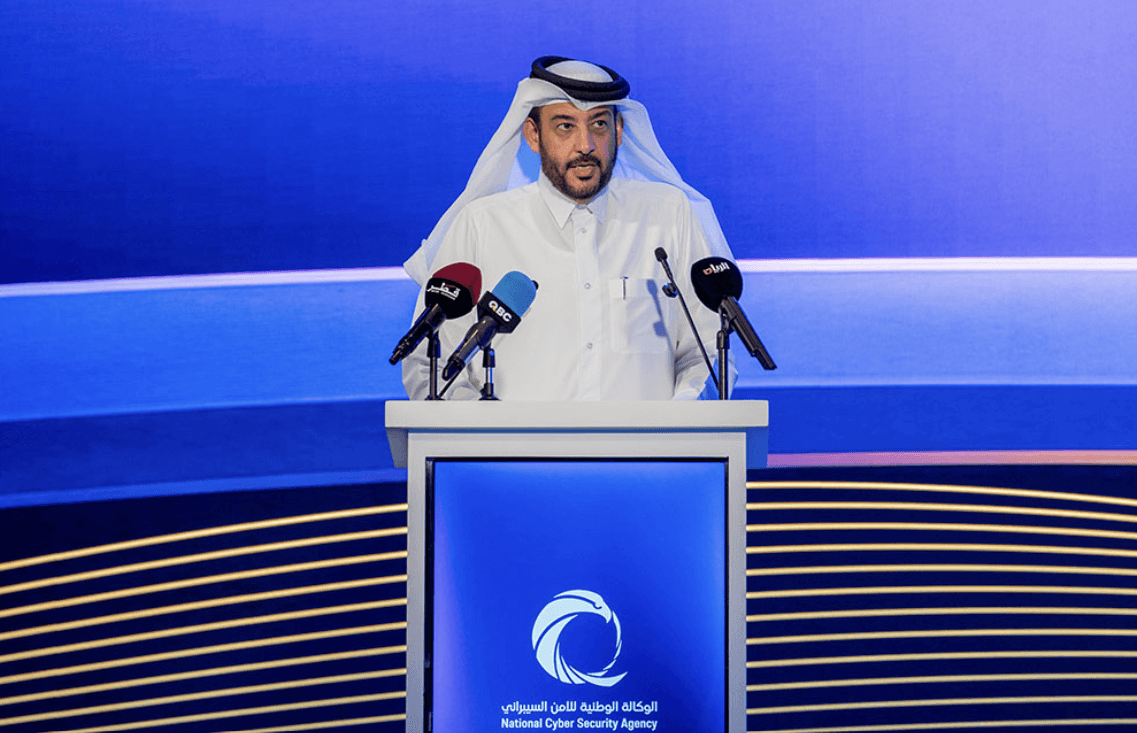
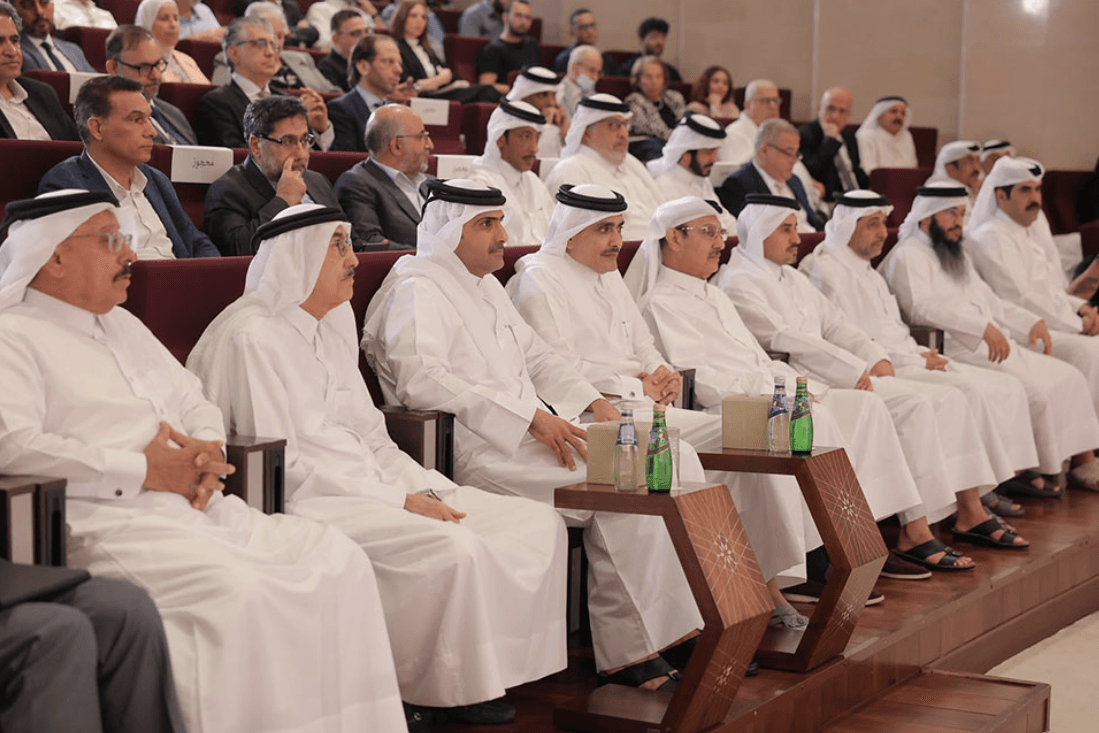
Under the patronage of HE Prime Minister and Minister of Foreign Affairs Sheikh Mohammed bin Abdulrahman bin Jassim Al Thani, the National Cyber Security Agency (NCSA) organised the fifth edition of the Qatar Cyber Governance and Assurance Conference on Monday under the theme "Securing the Digital Future in an Era of Convergence". The conference was attended by HE Minister of Communications and Information Technology Mohammed bin Ali Al Mannai, HE President of NCSA Eng. Abdulrahman bin Ali Al-Farahid Al-Malki, and a number of senior officials and representatives of government entities and private companies in Qatar.
The conference saw the launch of the National Cyber Risk Management Framework and the Institutional Cyber Risk Management Framework, along with the announcement of a number of significant initiatives reflecting strategic directions towards strengthening cyber security. In his opening remarks, HE the President of NCSA stressed that securing the digital future has become a strategic responsibility extending beyond the protection of systems to ensuring trust, continuity and adaptability.
He said: "This requires adopting a proactive approach to cyber security based on innovation, the exchange of information and expertise, the development of national competencies, stronger cooperation between the public and private sectors, and continuous preparedness for emerging threats."
He added that achieving cyber resilience makes it possible to build a secure and sustainable digital future that supports innovation and growth and preserves society's and the economy's trust in digital services and technologies. He affirmed that NCSA continues to support and strengthen the national cyber resilience ecosystem, ensuring its ability to anticipate, respond to and recover from evolving cyber threats while maintaining the continuity of services and critical infrastructure.
For her part, Eng. Dana Yousef Al-Abdulla, Director of Policy Affairs at NCSA, said: "When we talk about securing the digital future, we are talking about one of the fundamental enablers of the development and transformation journey under way in the State of Qatar within the framework of Qatar National Vision 2030.
Cyber security today is not limited to protecting systems and data, but is linked to service continuity, infrastructure protection, support for the digital economy and stronger trust in the digital environment." She added that, with the increasing cyber challenges facing critical sectors, they could no longer be addressed in isolation, and convergence among regulators, critical sectors and technology providers had become necessary to enhance cyber resilience readiness.
During her address, Al-Abdulla announced new cooperation with the Qatar Financial Markets Authority (QFMA), including the launch of a compliance programme tailored to entities regulated by QFMA and the adoption of supplementary controls for the National Cyber Security Standards, strengthening integration between cyber security and sectoral regulation. She also announced the start of projects and initiatives supporting the evolution of the cyber landscape, including planning for the post-quantum computing era and studying the roadmap for implementing an operational technology cyber security assessment programme developed by the International Society of Automation.
The programme will help strengthen the security of critical sectors and open new economic opportunities for companies and cyber security service providers.
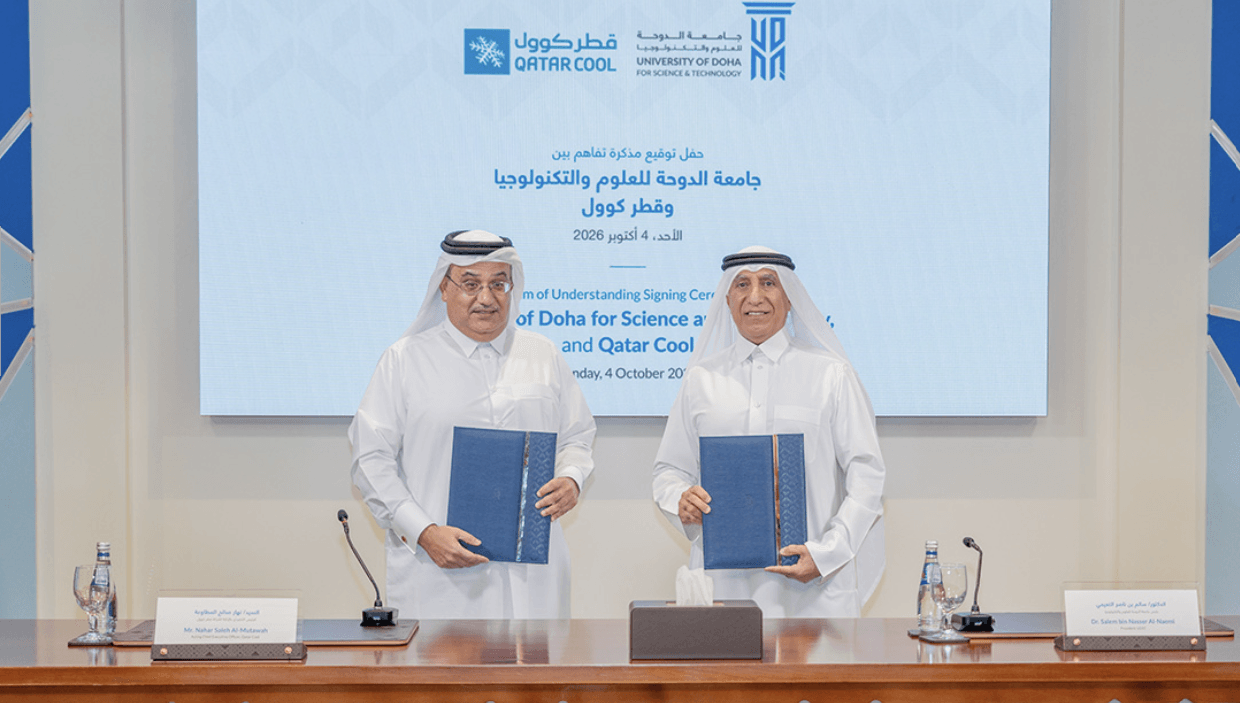
During the conference, a number of companies and institutions holding accreditation and compliance certificates for the National Information Assurance Standard (NIA), as well as certification under the Qatar Common Criteria Scheme (QCCS), were honoured. The conference also saw the signing of a memorandum of understanding between NCSA and CREST International to strengthen cooperation, raise cyber security standards and achieve mutual recognition regarding the requirements for accredited providers of penetration testing services.
The conference featured a number of panel discussions and presentations with the participation of leading cyber security experts. The first session was titled "Digital Sovereignty in a Converged World: A Look at Future Trends in Achieving Sovereignty", while the second was titled "Readiness for the Post-Quantum Computing Era: Aligning Governance, Industry and Assurance".
The third session was titled "Regulatory Requirements Convergence: Data Governance, Artificial Intelligence and Supply Chains". The fourth session was titled "Risks Associated with the Use of Artificial Intelligence in Operational Technology", and the sessions concluded with a presentation titled "Who Owns Cyber Risk When Everything Is Interconnected?".
Four workshops were held on the sidelines of the conference, covering the "National and Institutional Information Security Risk Management Framework", "Unlocking New Business Opportunities and Building Trust through Penetration Testing Accreditation", "National Information Assurance Standard Certification for Financial Market Participants", and "The Evolving Data Privacy Landscape: Trends, Risks and Challenges". The conference serves as an effective platform for exchanging expertise and knowledge, reviewing regional and international best practices and experiences, and strengthening opportunities for cooperation among various entities and experts in the field.
Source: QNA
--
About Qatar Living:
Since 2005, Qatar Living has been the trusted destination for everything Qatar. As the country's largest online community and marketplace, Qatar Living connects people with opportunities through jobs, property, vehicles, services, classifieds, events, local insights, and breaking news. Trusted by residents, newcomers, visitors, and businesses alike, Qatar Living brings Qatar together in one place.
Instagram - @qatarliving
X - @qatarliving
Facebook - Qatar Living
YouTube - qatarlivingofficial