Saving & Investing in Qatar: Deposits, Sukuk, Funds
If you live in Qatar and want your money to work harder than it does sitting in a current account, you have three realistic routes: keep it safe in a bank deposit, lend to the government through sukuk, or aim for long-term growth with funds and ETFs. This guide covers all three in the order a resident would actually act, with real QAR figures, where to go, and what to bring.
A simple rule of thumb: start with cash you can touch, then move to steady income, then to growth you can leave alone for years. Let's take each stage in turn.
This guide is for information only and is not personal financial advice. Speak to a licensed financial adviser before making any investment decision.
How saving and investing works in Qatar
Qatar is a tax-friendly base — there is no personal income tax on salaries — so what you earn and save is largely yours to grow. The trade-off is that higher returns come with more risk and less access to your money. Deposits are the safest and most liquid; sukuk sit in the middle; funds, ETFs and shares carry real ups and downs.
Before anything else, make sure your Qatar ID (QID) is valid and your bank's KYC details are up to date. Almost every product below needs a QID or passport plus residency documents.
Stage 1 — Build your safety net with a bank deposit
Your first step is cash you can reach in an emergency. A bank deposit with a Qatar-licensed bank is the simplest, safest home for it. Rates vary by bank, account type, currency, balance and how long you lock the money away.
Indicative recent market averages give you a feel for what to expect:
- Savings deposit — rate and withdrawal rules vary by bank, so confirm them with your bank
- 3-month fixed deposit — around 3.68% a year
- 6-month fixed deposit — around 3.68% a year
- 1-year fixed deposit — around 4.22% a year
In short: the longer you commit, the higher the rate. These are market averages, so always ask your own bank for its live rate before you sign.
How to open a deposit
- Choose a Qatar-licensed bank — most residents already hold a current account where their salary lands.
- Gather your documents — Qatar ID or passport, plus residency documents where the bank requires them.
- Open the account — through a branch, the bank's website, or its mobile app, depending on the bank and product (for example, QIB lets eligible customers open and manage certain deposit products, including fixed-term deposits, through QIB Mobile; some products require an existing QIB account, and branch application may also be available).
- Pick your term and maturity instructions — for example, a 12-month fixed deposit set to pay profit into your current account, or to auto-renew.
Deposit fees to check first
Fees are bank-specific, so confirm the current tariff before opening. To give you a sense of scale, examples reported for one Islamic bank include local transfers from QAR 0.60, an additional 25-leaf cheque book for QAR 15, and a returned-cheque fee of QAR 400. Your bank's schedule may differ, so ask for the full list.
Early withdrawal — read the fine print
A fixed deposit is a promise to leave the money for the full term. Break it early and you may lose the expected profit or pay a bank-specific charge. The exact penalty is written into your deposit contract, so never assume — read it before you commit, and keep a separate instant-access buffer so you're not forced to break a fixed deposit.
Stage 2 — Buy Qatar government sukuk
Once your emergency cash is sorted, Qatar government sukuk are a popular next step for income-focused savers. Sukuk are Sharia-compliant fixed-income instruments; Qatar Central Bank conducts auctions and issues Government Ijarah Sukuk on behalf of Qatar's Ministry of Finance as part of the government's regular securities and domestic financing programme. Recent issues carried maturities in the 2028–2030 range with reported yields around 4.45% — competitive with a long fixed deposit, and backed by the government.
How retail access works
- Get a Qatar Central Securities Depository (QCSD) investor number — confirm the current fee directly with QCSD, and if you apply through a broker, check that broker's current published charges.
- Open a fixed-income service with a licensed broker — retail sukuk access varies, so confirm directly with each broker that it offers this service and check its terms and minimum amounts.
- Review the available QAR sukuk — check maturities, yields and minimum amounts.
- Place your order through the broker and keep the confirmation.
Risks to understand before you buy
Sukuk are not bank deposits. Their market value can fall before maturity if you need to sell early, liquidity in the secondary market can be limited, and returns are not guaranteed in the way a deposit's profit rate is. If you hold to maturity and the issuer pays as scheduled, you generally receive your expected return — but treat sukuk as a medium-term commitment, not a current account.
Stage 3 — Invest through funds and ETFs
For long-term growth beyond fixed income, Qatar residents can access investment funds and ETFs. Residents may be able to invest in locally offered funds through authorised banks, investment managers or brokers, and may be able to buy international ETFs (exchange-traded funds) through a brokerage or bank service authorised to provide access to the relevant market, subject to eligibility, account-opening requirements, product availability and the provider's terms.
Watch the costs, because they quietly eat into returns over time:
- Fund expense ratio — ongoing charges vary by fund and are deducted by the fund itself, so check each fund's published expense ratio.
- Brokerage charges — commissions and platform fees on top of the fund's own cost.
- Other costs — currency conversion, market and custody fees when you invest internationally.
A good habit: add up the all-in annual cost (fund + platform + custody) before you invest, and favour low-cost, diversified funds you can hold for years rather than chasing short-term bets.
Stage 4 — Trade shares on the Qatar Stock Exchange
If you want to own a slice of Qatari companies directly, the Qatar Stock Exchange (QSE) lists shares, bonds and sukuk. To trade them you generally need a trading account and an investor number through a licensed broker — the same QCSD investor number used for sukuk. Brokerage commissions and custody charges depend on the broker and the instrument, so compare a couple before you open.
Shares carry more risk than deposits or sukuk: prices move daily, dividends are not guaranteed, and value can fall as well as rise. Only invest money here that you can leave untouched for the long term.
Which official channels to use (and which not to)
Use the right door for each task:
- Qatar Central Bank — for banking and monetary-sector information.
- Qatar Central Securities Depository — for your investor number and registration.
- Qatar Stock Exchange — for listed shares, bonds and sukuk.
- A licensed bank, broker, fund manager or financial adviser — for the actual transactions (the relevant regulator depends on the institution and activity, so confirm the provider's licence).
One important clarification for newcomers: everyday government apps such as Metrash, the Ministry of Interior services and the Hukoomi portal are great for QID, visas and residency matters — but they are not the platforms for opening deposits, buying sukuk or purchasing funds. Those go through your bank or a licensed broker.
Finally, if a scheme promises guaranteed high returns with no risk, treat it as a red flag and deal only with properly licensed providers.
FAQs
Can residents (not just Qatari nationals) open deposits and invest in Qatar?
Yes. Residents with a valid Qatar ID can open bank accounts and fixed deposits with licensed banks, and can access funds and QSE investments through licensed brokers. Specific product eligibility and documents vary by provider, so confirm with the bank or broker.
What is the safest option for my savings?
A bank deposit with a Qatar-licensed bank is the safest and most liquid choice. A savings deposit usually pays a lower rate (it varies by bank, so confirm the current rate and withdrawal rules with your bank), while a one-year fixed deposit pays more (around 4.22%) but locks your money for the term.
Are sukuk better than a fixed deposit?
Recent government sukuk yields (around 4.45%) have been competitive with long deposits, but sukuk are not deposits — their price can move before maturity and liquidity may be limited. Deposits are safer and more flexible; sukuk suit money you can commit for the medium term.
How much does it cost to start investing in sukuk or shares?
You'll typically need a QCSD investor number (confirm the current fee with QCSD and check any broker's published charges), and then a brokerage account. Ongoing costs include commissions and custody charges that vary by broker.
Can I buy international ETFs from Qatar?
Possibly, through a brokerage or bank service authorised to provide access to the relevant market, subject to eligibility, account-opening requirements, product availability and the provider's terms. Expect the fund's own expense ratio (it varies by fund, so check it) plus brokerage, currency and custody costs. Add them all up before investing.
Do I use Metrash to invest?
No. Metrash, MOI services and Hukoomi handle QID, residency and government services — not investments. Deposits go through your bank, and sukuk, funds and shares go through licensed banks or brokers.
Sorting your money is easier once your day-to-day life in Qatar is settled. Browse the latest jobs in Qatar on Qatar Living and explore more practical guides across Qatar Living Services to make the most of life here.
Stay updated with the latest news, events, sports updates, business insights, real estate and lifestyle stories on Qatar Living — the leading online platform for residents, expats, and visitors in Qatar.
Follow Qatar Living for daily updates:
- Instagram - @qatarliving
- X - @qatarliving
- Facebook - Qatar Living
- YouTube - qatarlivingofficial
Up Next
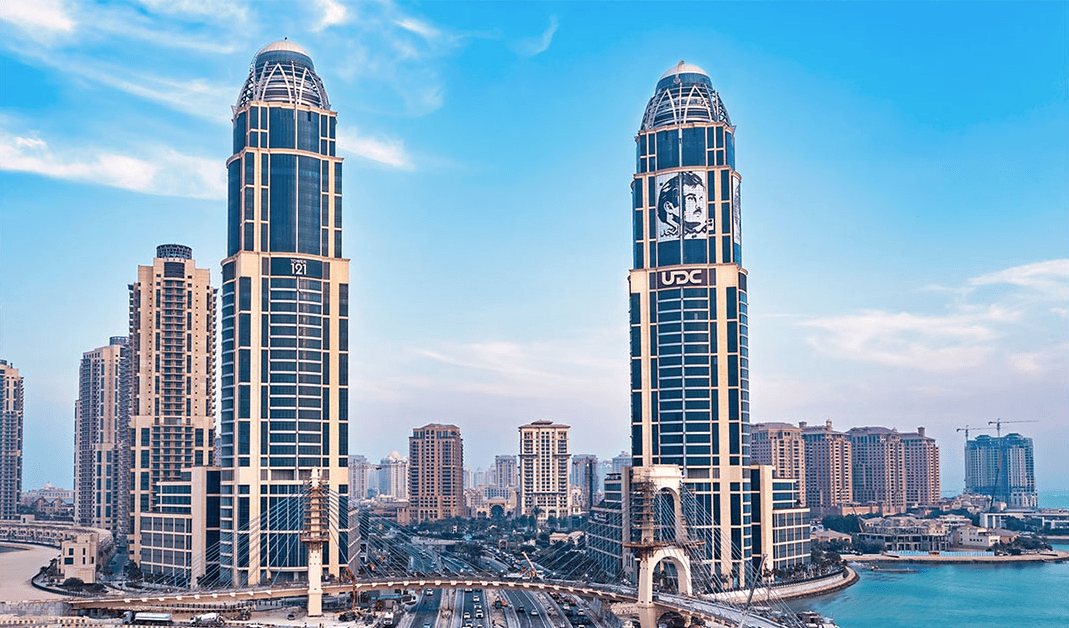
UDC nine-month net profit falls 35.9% to QAR 156.5 million
United Development Company reports a 35.9 percent drop in nine-month net profit to QAR 156.5 million, reflecting financial performance in Qatar.
Oct 27,2026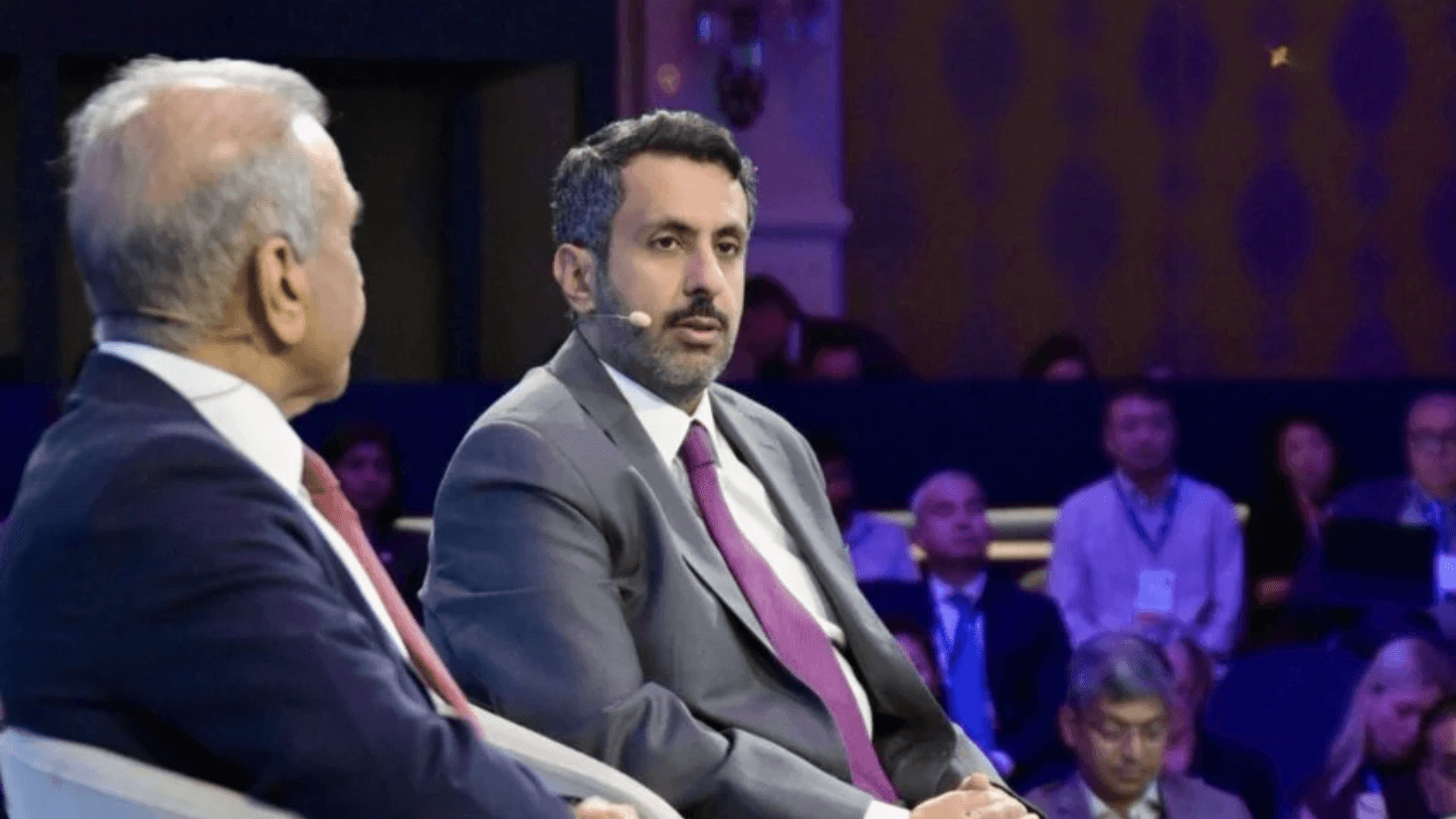
Qatar showcases investment growth at Bloomberg New Economy Forum
Qatar highlights investment growth and economic resilience at the Bloomberg New Economy Forum in New Delhi, attracting global investors.
Oct 15,2026