Heat Safety and Hydration Tips for Expats in Qatar
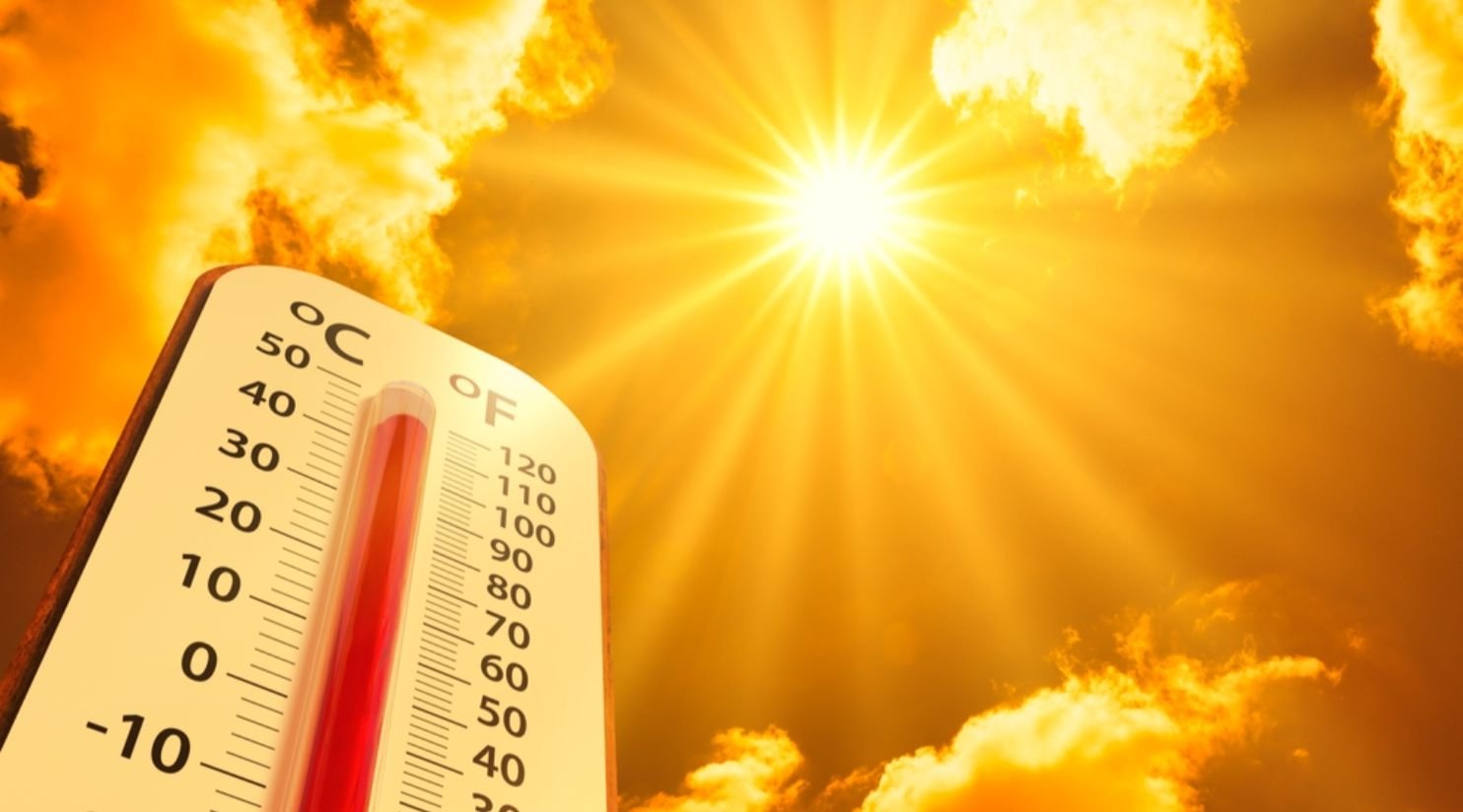
If this is your first summer in Qatar, here's the short version: drink water before you feel thirsty, stay out of direct sun during the hottest hours, and learn the warning signs of heat exhaustion before it tips into heat stroke. Doha experiences some of the world’s hottest and most humid summer conditions, and every year residents end up in hospital simply because they underestimated the heat.
This guide on summer hydration and heat safety for expats in Qatar breaks down how much to drink, how to spot trouble early, and when a headache is a nuisance versus a medical emergency — all grounded in life on the ground here. The advice below reflects widely published guidance from Hamad Medical Corporation and WHO heat-illness protocols.
Summer heat safety in Qatar: the quick answer
- Drink water regularly throughout the day — sip water through the day, don't wait for thirst.
- Avoid peak sun — schedule outdoor errands before 9am or after sunset.
- Dress smart — loose, light-coloured, breathable clothing and a hat.
- Watch for warning signs — dizziness, cramps, nausea, confusion.
- Never leave anyone in a parked car — interior temperatures turn lethal within minutes.
Just how hot does Qatar get?
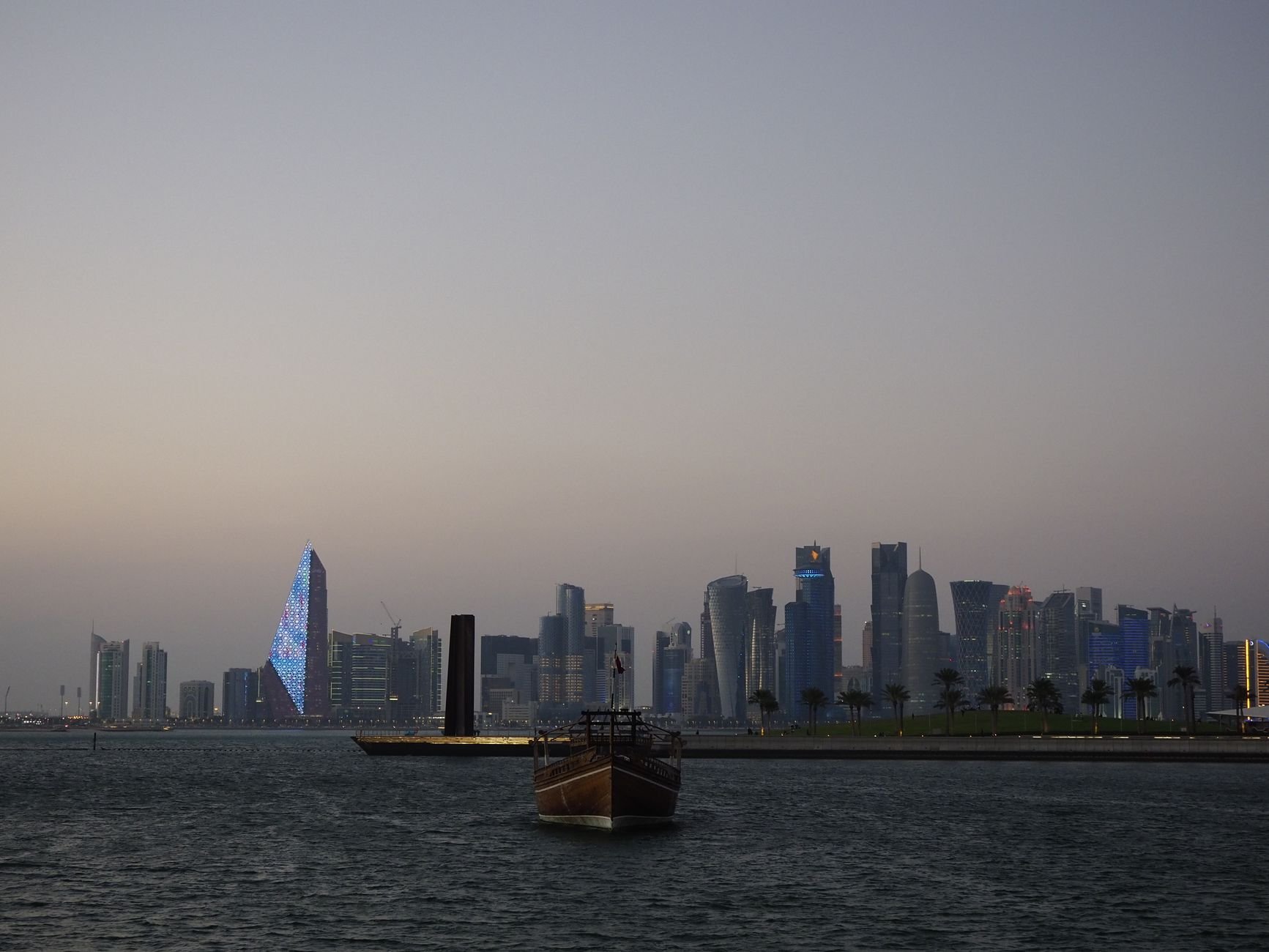
From roughly June to September, daytime temperatures across Doha, Al Rayyan, Al Wakrah and Lusail routinely climb past 45°C, and the coastal humidity near West Bay and The Pearl can push the "feels like" figure well into the 50s. The mix of high heat and high humidity is the real danger: when the air is already saturated, sweat can't evaporate, so your body struggles to cool itself.
That's why the standard advice from cooler climates — "just drink when you're thirsty" — doesn't work here. In Qatar's summer you lose fluid far faster than your thirst signal can keep up with.
How much water should you actually drink?
There's no single magic number, but a practical target for most adults in Qatar's summer is well above the usual eight glasses. If you're active or working outdoors, you may need several litres across the day. A few grounded rules:
- Sip steadily — a mouthful every 15–20 minutes beats a litre in one go.
- Check your urine — pale straw colour means you're well hydrated; dark yellow means drink more now.
- Add electrolytes if you sweat heavily — oral rehydration salts, sold at most pharmacies, supermarkets and Boots stores across Doha, replace electrolytes lost through heavy sweating
- Go easy on diuretics — Alcohol increases dehydration risk. Large amounts of caffeinated or sugary drinks may not be ideal during extreme heat, although moderate tea and coffee still contribute to daily fluid intake.
Signs you're already dehydrated
Dry mouth, headache, dark urine, feeling unusually tired, dizziness when you stand, and muscle cramps are all early flags. If you notice these, get into the shade or air conditioning and start rehydrating slowly before things escalate.
Know the difference: heat exhaustion vs heat stroke
These two sit on the same spectrum, but one is an inconvenience and the other can be fatal. Learning the line between them is the single most useful thing in this guide.
Heat exhaustion
Heat exhaustion develops when your body overheats but is still trying to cool itself. Typical signs include heavy sweating, cold and clammy skin, a fast but weak pulse, nausea, muscle cramps, tiredness and dizziness. The person is usually still alert and coherent.
The good news: heat exhaustion is reversible if you act quickly — move to a cool place, rest, loosen clothing, and rehydrate.
Heat stroke — a medical emergency
Heat stroke is when the body's cooling system fails completely and core temperature rises dangerously — often above 40°C. Warning signs shift to hot, dry or red skin (hot flushed skin, with sweating absent or still present), confusion, slurred speech, a rapid strong pulse, throbbing headache, and loss of consciousness. This is life-threatening. Call 999 immediately.
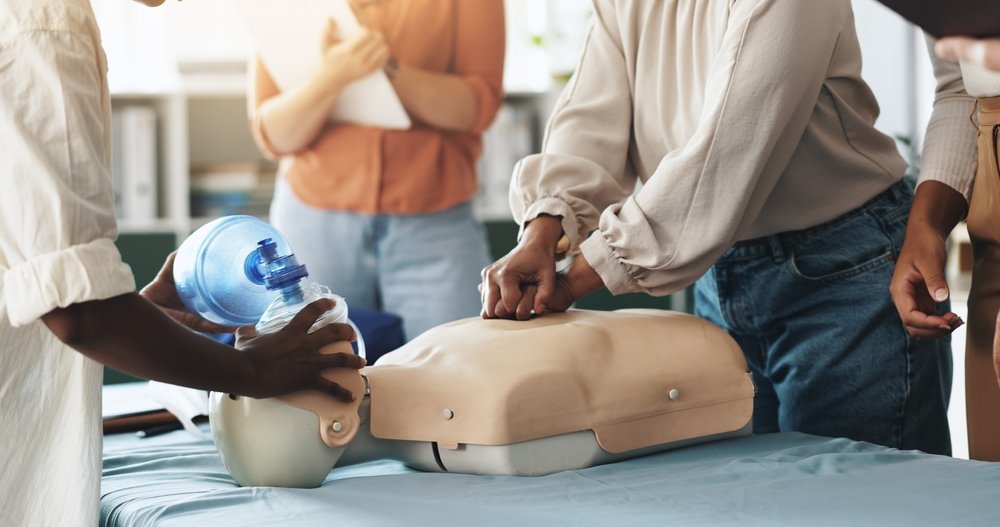
First aid: what to do when someone overheats
- Move them into shade or air conditioning straight away.
- Cool the body fast — remove excess clothing, apply cool wet cloths or ice packs to the neck, armpits and groin, and fan them.
- Give fluids only if fully conscious — small sips of water; never force fluids on someone who is confused or drowsy.
- Call 999 for any red-flag symptoms — confusion, fainting, seizures, or skin that has gone hot and dry.
- Stay with them until help arrives or they clearly recover.
Who is most at risk
Some groups need extra care during Qatar's summer:
- Outdoor and construction workers — the most exposed group, which is why the summer work ban exists.
- Young children and babies — they heat up faster and can't always tell you they're struggling.
- Older residents — thirst signals weaken with age.
- People with heart, kidney or blood pressure conditions — and anyone on certain medications; check with your doctor.
- New arrivals — your body takes one to two weeks to acclimatise, so your first fortnight in Doha is the riskiest.
The midday outdoor work ban explained
Each year the Ministry of Labour enforces a ban on outdoor work during the hottest part of the day. The Ministry of Labour announces the dates and hours of the annual summer outdoor work ban each year, prohibiting work under direct sun and in open workplaces between 10am and 3:30pm. During these hours employers must provide shaded rest areas, drinking water and appropriate cooling. The measure is taken seriously, with inspections and penalties for non-compliance.
If you manage staff or run a business with outdoor labour, plan schedules around the ban — start early, break through the hottest part of the day, and resume in the evening.
Practical daily habits for Doha summers
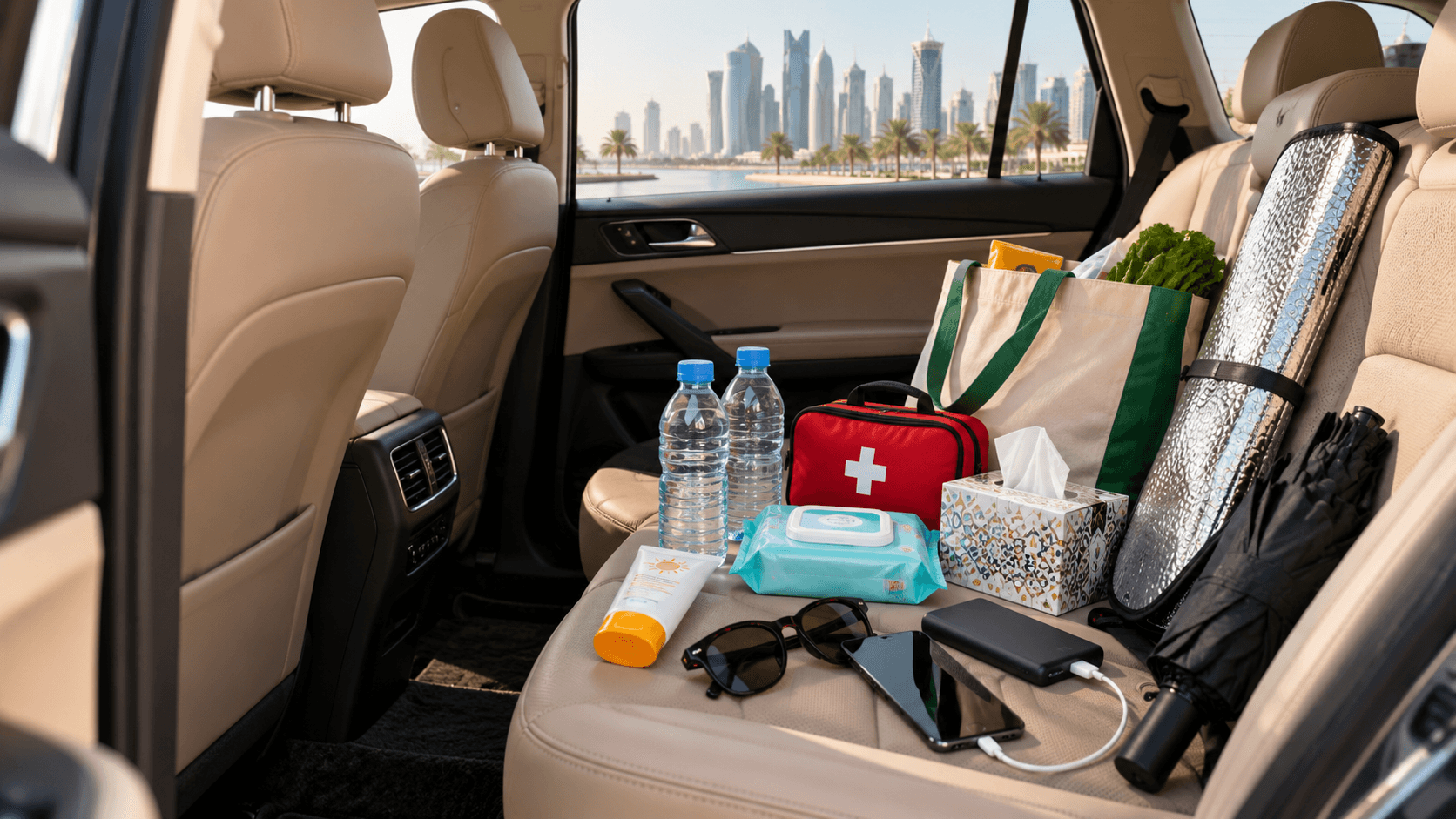
- Keep a refillable water bottle everywhere — desk, car, gym bag.
- Use the Metro and covered walkways — the Doha Metro and its air-conditioned stations spare you long walks in the heat.
- Never leave children or pets in a parked car for even a moment.
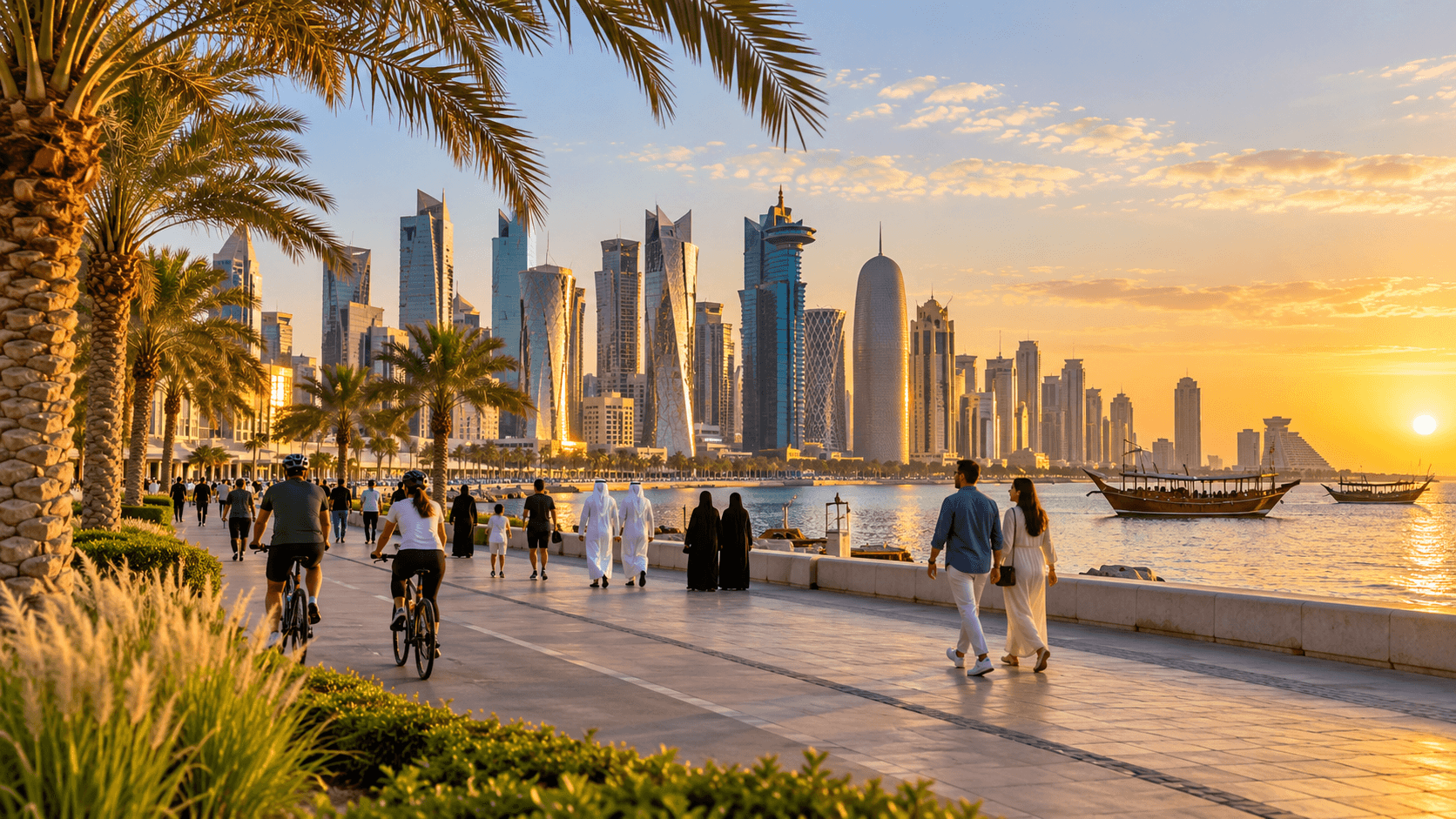
- Shift outdoor exercise to early morning or late evening, or move it indoors.
- Eat water-rich foods — watermelon, cucumber, oranges and salads help top up fluids.
- Mind the AC transition — going from a freezing mall to 48°C outside can trigger headaches; give your body a moment.
When and where to get medical help
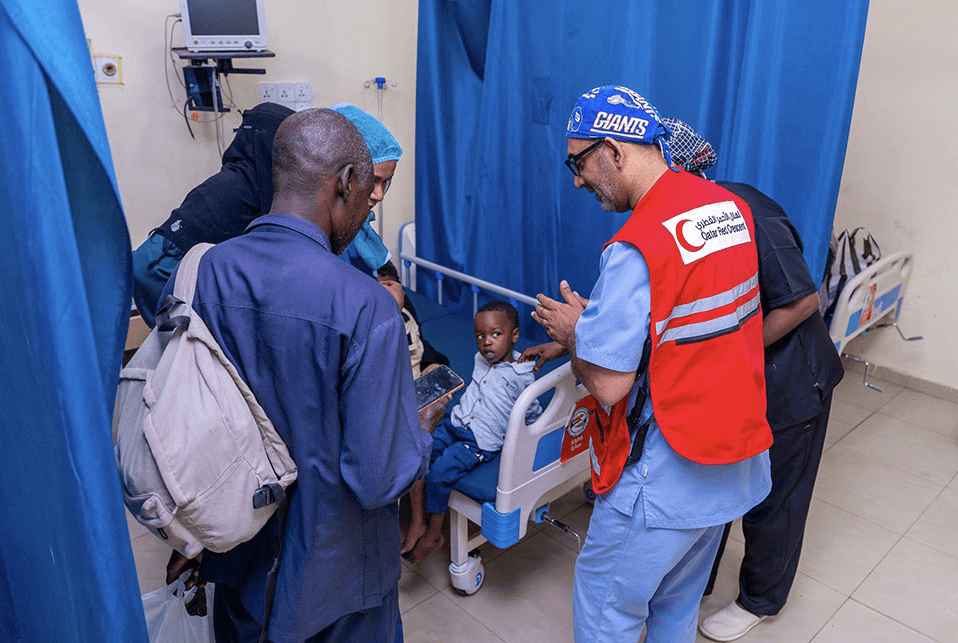
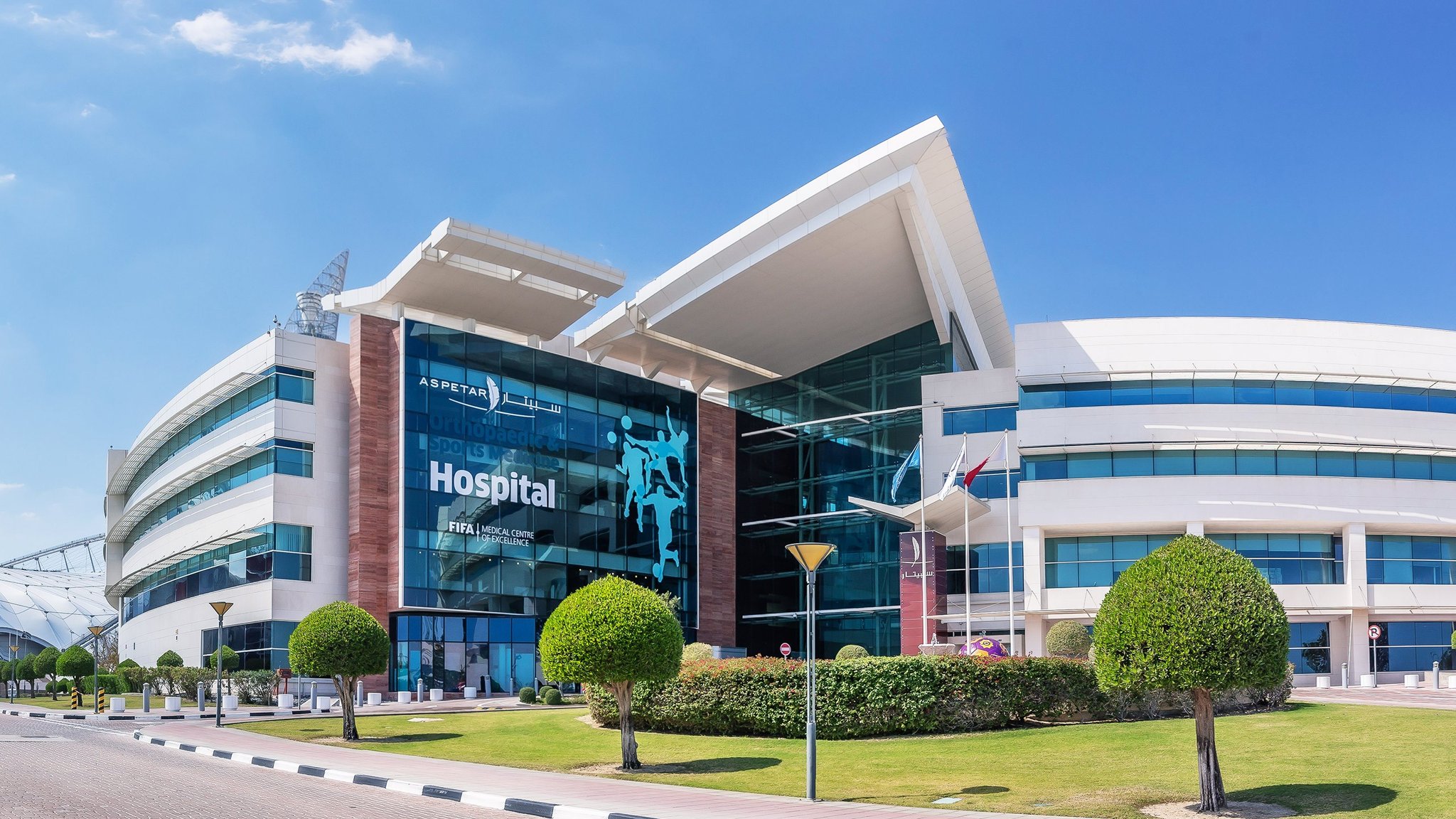
For genuine emergencies — heat stroke symptoms, collapse, seizures — call 999 without hesitation. For milder concerns, Qatar has an extensive network of health centres and hospitals. Hamad Medical Corporation runs the main public hospitals, and there are numerous primary health care centres across Doha, Al Wakrah, Al Khor and beyond, alongside many private clinics and pharmacies open late.
If you're weighing up your coverage options for summer illnesses and emergencies, it's worth understanding how public and private healthcare works here before you need it. Our guide to expat healthcare in Qatar walks through the differences, and you can find more seasonal advice on the Qatar Living news and guides hub.
FAQs
How much water should I drink in Qatar's summer?
There's no fixed figure, but sip steadily through the day rather than waiting for thirst. If you're active or outdoors you may need several litres, plus electrolytes to replace salts lost through sweat. Pale urine is your best sign you're well hydrated.
What are the first signs of heat exhaustion?
Heavy sweating, cold clammy skin, dizziness, nausea, muscle cramps and tiredness, usually while the person is still alert. Move into shade or AC, rest and rehydrate straight away.
When should I call 999 for heat illness?
Call 999 immediately if someone shows confusion, slurred speech, fainting, seizures, or hot dry red skin. These are signs of heat stroke — a life-threatening emergency where every minute counts.
Is there a midday outdoor work ban in Qatar?
Yes. The Ministry of Labour ban typically runs from 15 May to 15 September, prohibiting outdoor work under direct sun between 10am and 3:30pm. Employers must provide shade, water and rest areas, and inspections and penalties apply for breaches.
How long does it take to get used to Qatar's heat?
Most people acclimatise within one to two weeks. Newly arrived residents are at the highest risk, so take it easy, avoid strenuous outdoor activity, and hydrate carefully during your first fortnight.
Are children more at risk in the heat?
Yes. Children and babies heat up faster than adults and may not communicate distress. Keep them hydrated, dressed lightly, out of peak sun, and never leave them in a parked car even briefly.
--
Stay updated with the latest news, events, sports updates, business insights, real estate and lifestyle stories on Qatar Living — the leading online platform for residents, expats, and visitors in Qatar.
Follow Qatar Living for daily updates:
- Instagram - @qatarliving
- X - @qatarliving
- Facebook - Qatar Living
- YouTube - qatarlivingofficial