Workplace Burnout in Qatar: Signs and Where to Get Support

If you are dreading every workday, running on empty by Tuesday, and feeling nothing when a deadline hits, that is not just a bad week — it may be workplace burnout. Here is the reassuring part: in Qatar, help is close, free to start, and confidential. You can call the National Mental Health Helpline on 16000 or arrange a primary-care appointment through Hayyak 107. This guide to workplace burnout in Qatar walks you through the warning signs and exactly where to get support, step by step.
What burnout actually looks like
Burnout builds slowly, which is why so many people in Doha push through it until they crash. Knowing the pattern helps you act early, when small changes still make a difference.
Early warning signs to watch for
- Persistent exhaustion — you wake up tired even after a full night's sleep.
- Cynicism or detachment — you feel distant from your work, your colleagues, or the point of it all.
- Reduced concentration — tasks that were once easy now take twice as long.
- Irritability — a short fuse at the office and at home.
- Sleep problems — trouble falling asleep, or waking up thinking about work.
- Frequent headaches and other physical aches with no clear cause.
- Declining performance — missing details, falling behind, losing motivation.
When it has gone too far
If exhaustion tips into hopelessness, if you cannot function day to day, or if you have any thoughts of harming yourself, treat it as urgent. You do not have to wait for an appointment — see the next step.
Step 1 — If you are in immediate danger, call 999
If you or someone you know is in crisis or at risk of harm right now, call 999 or go straight to an emergency department. In Qatar you can head to the emergency department at Hamad General Hospital in Doha, Al Wakra Hospital, or Al Khor Hospital. This is for emergencies — do not hesitate if the situation is serious.
Step 2 — Call the National Mental Health Helpline (16000)
For burnout, stress, anxiety and related distress, the quickest first step is the National Mental Health Helpline. Dial 16000, choose Arabic or English, then select option 4 for mental-health support.
The service is free and confidential. Mental-health professionals can listen, carry out a basic assessment, offer advice on managing stress and burnout, and refer you to the right service if you need more support. There is no QID, visa or permit requirement to use the line — it is open to anyone who needs it.
A quick note on timing: published information about the helpline's exact operating hours is inconsistent, with some sources listing daytime Sunday–Thursday hours and others describing round-the-clock availability. The simplest approach is to call and confirm the current hours when you dial 16000.
Step 3 — Book a primary-care appointment through Hayyak 107
If you would rather have an in-person consultation than a phone call, the primary-care route is a good next step. Contact the Primary Health Care Corporation (PHCC) through Hayyak on 107 to arrange a primary-care mental-health appointment at a health centre.
A primary-care clinician can assess what you are going through, discuss ways to manage work-related stress, and refer you to specialist mental-health services if needed. This is a practical option if you already use a PHCC health centre for your routine care.
Step 4 — Explore online information and specialist services
Qatar's mental-health system runs through several providers, and it helps to know which one fits your situation:
- PHCC — your first stop for primary-care mental-health support, reached via Hayyak 107.
- Hamad Medical Corporation (HMC) — for hospital-based and specialist mental-health care.
- Sidra Medicine — focused on children, young people and families.
- Naufar — a specialist service for addiction and rehabilitation. Turn to it if substance use is part of what you are dealing with; if you are unsure whether it is the right fit, call 16000 first and the team can point you in the right direction.
The Ministry of Public Health's national mental-health portal brings together information about these services and how to reach them, so it is worth reading before you decide which route to take. If you are unsure where to start, calling 16000 is the simplest way to be pointed in the right direction.
Step 5 — Raise it at work (supervisor and HR)
Clinical support helps you cope, but burnout often has a root cause at the office — and that needs addressing too. Before you talk to anyone, build a simple record:
- Track your workload and hours over a couple of weeks, including overtime and weekend work.
- Note your symptoms — when they appear and how they affect your work.
- List what you need — a lighter workload, a schedule change, leave, or occupational-health support.
Then speak to your supervisor or human-resources department. Frame it as a request for reasonable adjustments: a more manageable workload, flexible scheduling, time off, or access to occupational-health support. Many employers in Qatar would rather make a small change than lose a capable employee to long-term sickness, so a calm, documented conversation often goes a long way.
Step 6 — When the job itself is the problem (Ministry of Labour)
Sometimes burnout is driven by conditions that cross the line — excessive hours, unpaid wages, retaliation for speaking up, or unsafe working conditions. If a labour violation is contributing to your distress, you can use the official complaint channels of the Ministry of Labour through the MOL portal to raise it formally.
Keep the same records you prepared for HR — hours worked, pay owed, and any correspondence — as they will support your complaint. Addressing the workplace issue and looking after your mental health are not either/or; do both.
What it costs
Here is what is confirmed, and where to check the rest:
- National Mental Health Helpline (16000) — free and confidential.
- Emergency care (999) — for crisis situations; do not let cost delay you in an emergency.
- Counselling and treatment — there is no single published QAR price. At HMC, costs can depend on your insurance and Hamad Medical Card eligibility, so ask about fees when you book.
Because fees vary by provider and your own coverage, the safest move is to confirm the cost directly with the service before your appointment.
FAQs
What number do I call for mental-health support in Qatar?
Call the National Mental Health Helpline on 16000, choose Arabic or English, then select option 4. It is free and confidential. In an emergency, call 999 instead.
Is the 16000 helpline really free?
Yes. The available official information confirms the 16000 helpline is free and confidential. There is no visa, permit or appointment requirement to use it.
How do I book a face-to-face appointment?
Contact PHCC through Hayyak on 107 to arrange a primary-care mental-health appointment at a health centre. From there you can be referred to specialist services if needed.
Should I tell my employer I'm experiencing burnout?
You can speak to your supervisor or HR and request reasonable adjustments such as a lighter workload, a schedule change, or leave. Keep a written record of your hours, symptoms and requests to support the conversation.
What if my work conditions are the real problem?
If excessive hours, unpaid wages, retaliation or unsafe conditions are contributing, you can raise a formal complaint through the Ministry of Labour's official channels while continuing to look after your mental health.
Does the helpline operate 24/7?
Published schedules differ — some list daytime Sunday–Thursday hours and others describe round-the-clock availability. Call 16000 to confirm the current operating hours.
Looking after your wellbeing sometimes means finding a better fit. Browse the latest jobs in Qatar on Qatar Living when you are ready for your next move.
Stay updated with the latest news, events, sports updates, business insights, real estate and lifestyle stories on Qatar Living — the leading online platform for residents, expats, and visitors in Qatar.
Follow Qatar Living for daily updates:
- Instagram - @qatarliving
- X - @qatarliving
- Facebook - Qatar Living
- YouTube - qatarlivingofficial
Up Next
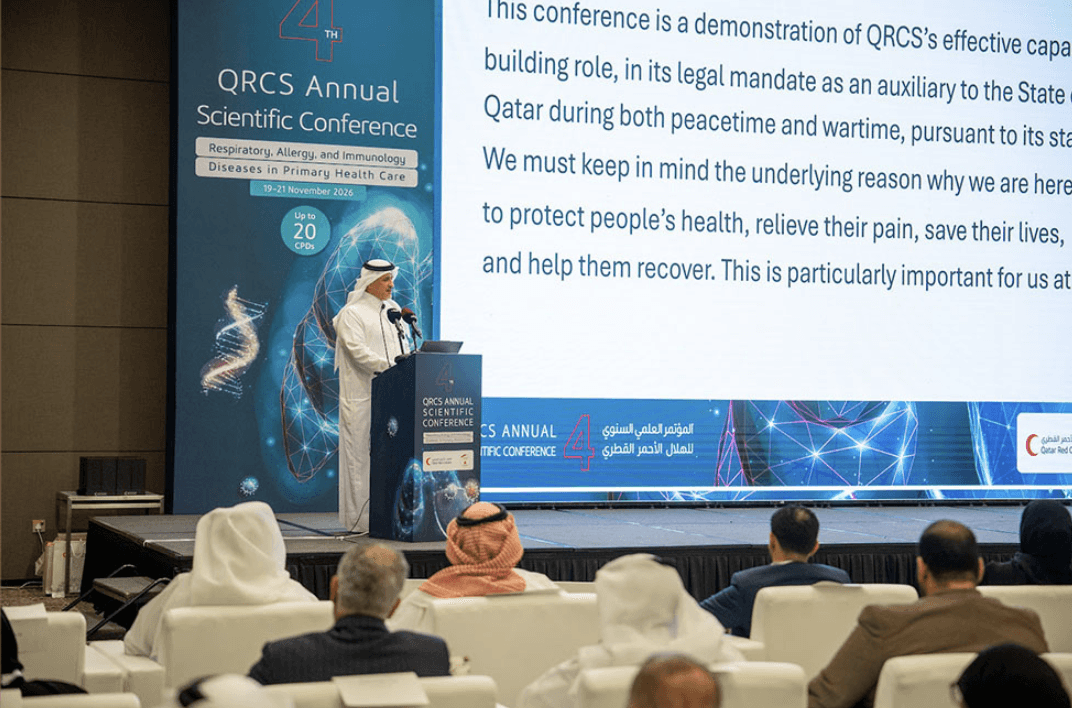
Qatar Red Crescent Society Launches Fourth Annual Scientific Conference on Respiratory, Allergy and Immunology Diseases
Qatar Red Crescent Society opens its Fourth Annual Scientific Conference 2026, focusing on respiratory, allergy, and immunology diseases in healthcare.
Nov 20,2026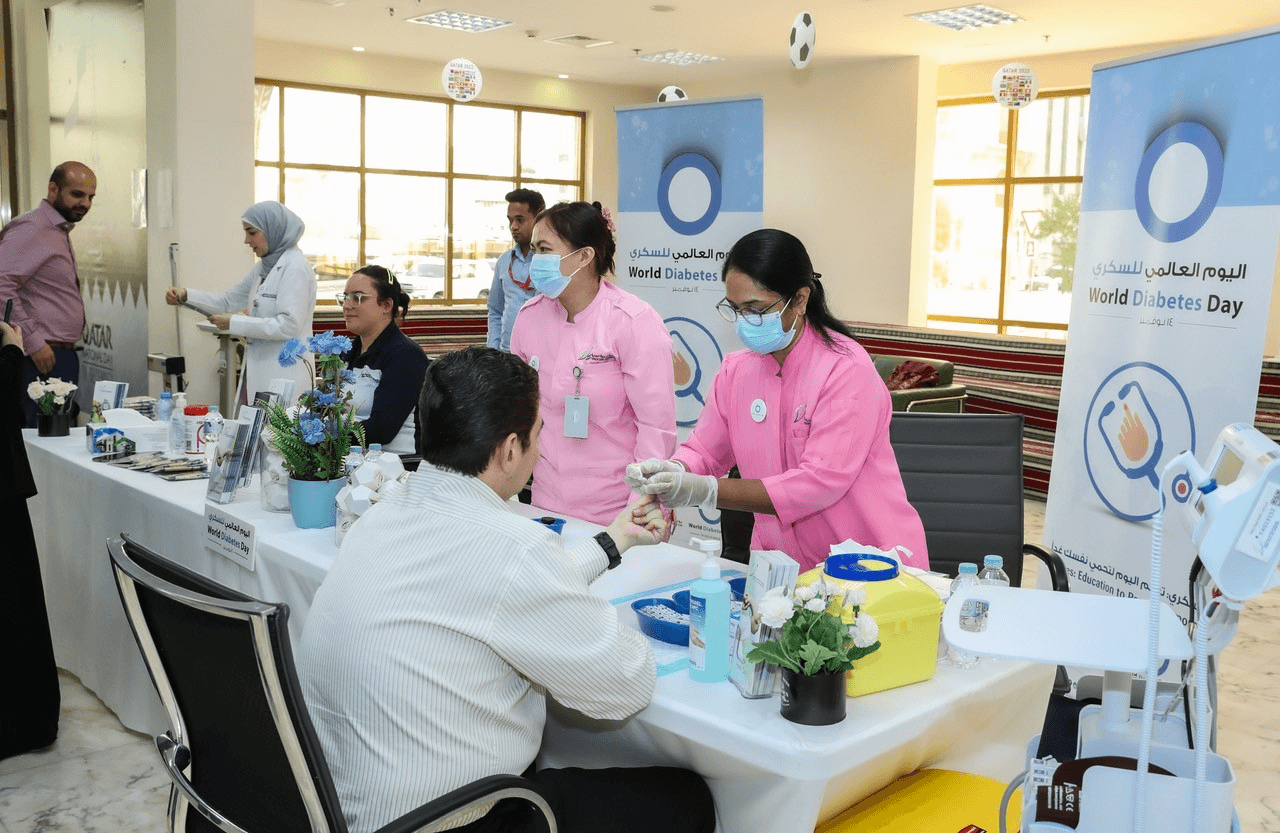
Ministry of Public Health Marks World Diabetes Day 2026 With Focus on Early Detection
Ministry of Public Health marks World Diabetes Day 2026 with a campaign on early detection, risk awareness, and prevention of type 2 diabetes.
Nov 14,2026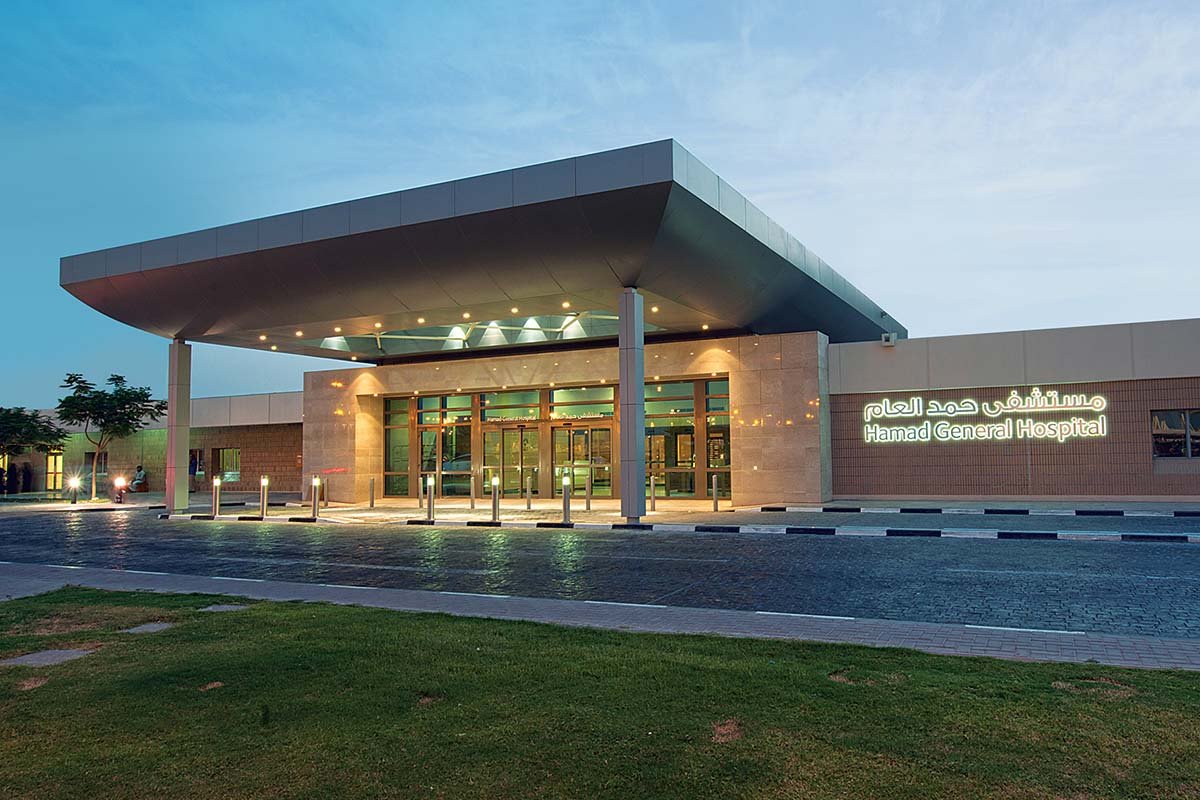
Hamad General Hospital Opens Specialised Oxygen Assessment Clinic
Hamad General Hospital launches a specialised Oxygen Assessment Clinic for patients needing oxygen therapy and comprehensive respiratory evaluation.
Nov 10,2026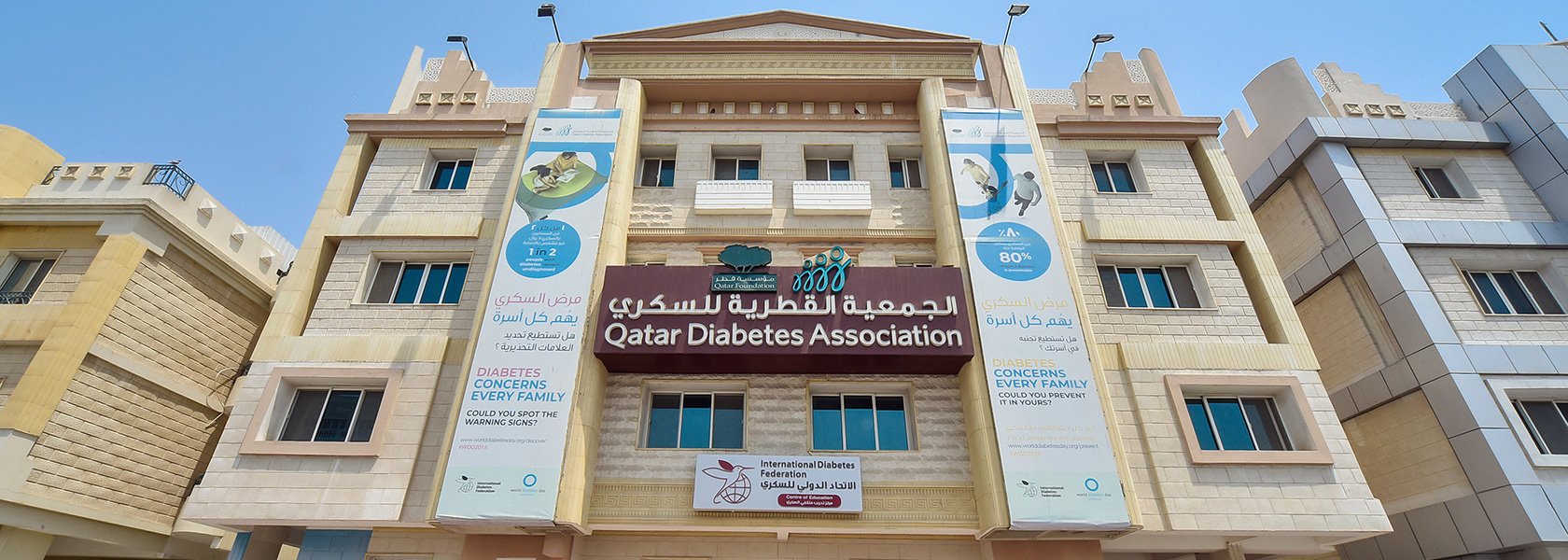
Qatar Diabetes Association Launches Annual Diabetes Awareness and Prevention Campaign
Qatar Diabetes Association launches annual campaign to raise awareness, promote early diagnosis, and prevent diabetes in Qatar communities.
Nov 10,2026