Public Conduct in Qatar: Local Laws Residents Should Know

Last reviewed: 24 October 2026
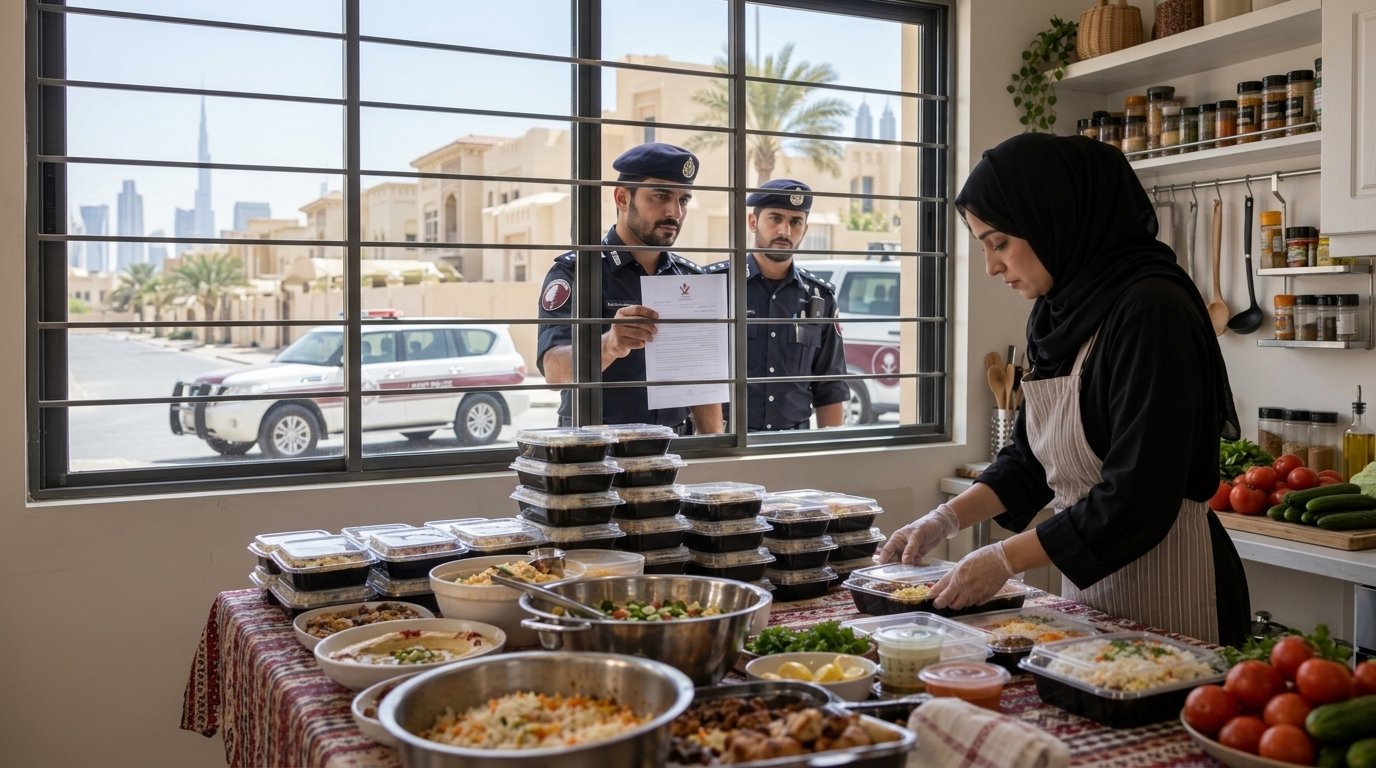
If you live in Doha or elsewhere in Qatar, the essentials are straightforward: dress modestly in public, do not appear intoxicated in public, and behave calmly and lawfully on the road. This guide covers the public-conduct rules residents should know, who enforces them, and where to seek official help.
The Ministry of Interior's guidance on norms and social values applies to both visitors and residents, so it is not "tourist only" advice. It is useful reading for anyone settling into life in Qatar.
Public conduct in Qatar: the quick overview
Public conduct in Qatar is shaped by local culture, Islamic values and national law. For everyday matters, official guidance sets expectations concerning clothing, alcohol and driving.
A few guiding principles cover most situations:
- Dress modestly in public places.
- Keep alcohol to permitted hotels or your home if you are a non-Muslim.
- Stay composed on the road — aggression and traffic violations can carry serious penalties.
- Carry your Qatar ID (QID), keep it valid and keep its details current. It must be presented to public authorities when requested.
Dress code and modesty in public spaces
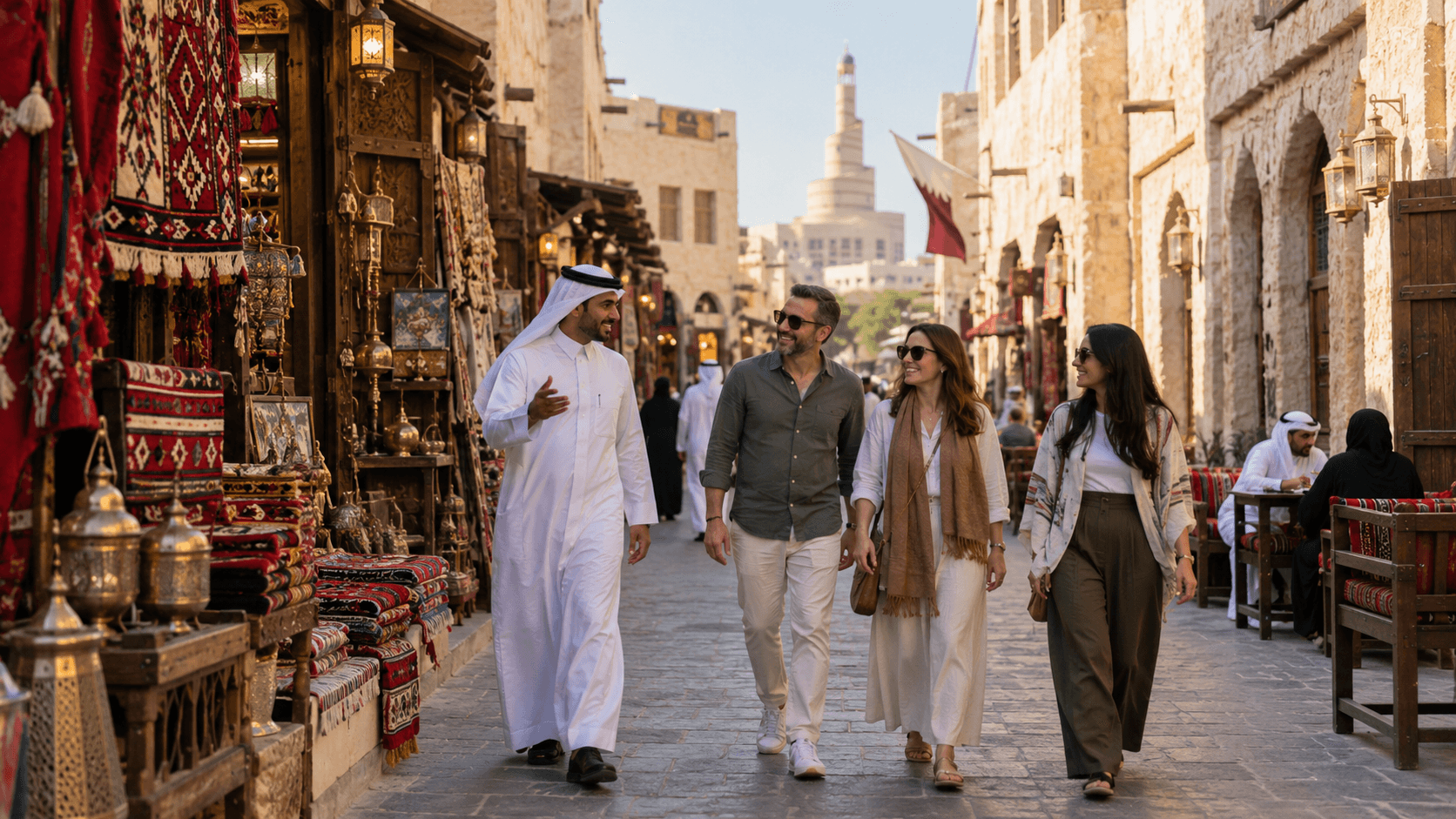
Residents are not required to wear Qatari national dress, but clothing in public should be modest. Official guidance recommends covering the shoulders and knees and avoiding clothing that is excessively revealing, tight, short or transparent. This is a practical way to respect local culture rather than a requirement to wear a particular uniform.
Expectations can vary by setting, but avoiding excessively revealing clothing is a sound rule in public places. When in doubt, choose more coverage.
Where swimwear is fine — and where it isn't
Swimwear is appropriate at beaches and swimming pools. Ministry of Interior guidance advises both men and women not to walk around in swimwear away from those places. Keep a suitable cover-up handy when travelling between the pool or beach and other public areas.
Alcohol and public intoxication
According to Ministry of Interior guidance, non-Muslims may consume alcohol at hotels that have the required permit or in their homes. Drinking in other public places is not permitted.
Two things are firmly prohibited:
- Appearing drunk in public — this is prohibited regardless of where the alcohol was consumed.
- Driving while or after drinking — driving under the influence of alcohol is prohibited under the Traffic Law.
The safest approach is to drink only at a permitted hotel or at home, arrange a taxi or Karwa for the journey, and never drive afterwards.
Driving conduct and road behaviour
Conduct on Qatar's roads is an important part of public behaviour, and violations can carry serious consequences. The Ministry of Interior is responsible for traffic enforcement, while the Traffic Law sets out the applicable rules.
Insulting other motorists or displaying extreme anger while driving may lead to severe penalties, including imprisonment, according to Ministry of Interior guidance. Stay calm and avoid insults, rude gestures and aggressive manoeuvres.
What counts as a serious driving offence
Under the Traffic Law, a red signal means stop, while a yellow signal means prepare and does not mean move. Traffic-light offences can carry criminal penalties, and the vehicle may be impounded.
For current traffic penalties and services, check directly with the Ministry of Interior, its official channels or the Metrash app. A few habits help keep you safe and compliant:
- Obey traffic signals — stop on red, and do not treat yellow as permission to move.
- Wear your seat belt; the driver and front-seat passenger are legally required to do so.
- Do not use a handheld mobile phone while driving.
- Stay calm — avoid shouting, rude gestures and aggressive manoeuvres.
- Never drive after drinking.
The laws that sit behind everyday conduct
For residents who want to understand the legal framework, the Ministry of Interior's rules and regulations page provides access to relevant legislation. This includes:
- The Expatriates' Entry, Exit and Residence Law No. 21 of 2015 and its implementing regulations — the principal framework governing the entry, exit and residence of expatriates.
- The Civil Defence Law No. 25 of 2015 — covering civil-defence measures and safety requirements.
- Minister of Interior Decision No. 131 of 2023 governing certificates of good conduct — relevant when applying for a good-conduct or police-clearance certificate.
These are official legal references rather than day-to-day instructions. Qatar's official legal portal, Al Meezan, also publishes legislation and yearly legislation listings.
What to do if you need to report something or face a complaint
The appropriate official channel depends on the nature of the matter. Use the responsible authority rather than relying on informal or second-hand advice.
- Public Prosecution services: use the Qatar Public Prosecution services page to review the available official services.
- Traffic and security matters: contact the Ministry of Interior through its official portal or app.
Procedures, documents and fees can vary by service and case. Contact the relevant authority directly to confirm the current requirements before submitting an application or visiting an office.
Practical habits that keep you on the right side of the rules
A small set of practical habits can help residents follow the rules:
- Carry a valid QID and keep the information on it current.
- Dress modestly in public; keep swimwear to beaches and swimming pools.
- Keep alcohol to permitted hotels or home, and never drive after drinking.
- Drive calmly and lawfully, obey traffic signals and avoid confrontation.
- Be respectful in public, especially during Ramadan and in cultural and religious settings.
These habits provide a practical foundation for day-to-day conduct in Qatar.
FAQs
Do I have to cover up completely in public in Qatar?
No. Official guidance recommends modest clothing in public, generally covering the shoulders and knees and avoiding excessively revealing clothing. Swimwear should be kept to beaches and swimming pools.
Can non-Qatari residents drink alcohol in Qatar?
Non-Muslims may consume alcohol at hotels with the required permit or in their homes, according to Ministry of Interior guidance. Appearing drunk in public and driving while or after drinking are prohibited.
What happens if I run a red light in Qatar?
A red signal means stop. Traffic-light offences can carry criminal penalties under the Traffic Law, and the vehicle may be impounded. Check the Ministry of Interior's official channels or the Metrash app for current information.
Is road rage really illegal in Qatar?
Ministry of Interior guidance warns that insulting other motorists or displaying extreme anger while driving may result in severe penalties, including imprisonment. Stay calm and avoid insults, rude gestures and aggressive driving.
Where do I report a legal issue or file a complaint?
The appropriate authority depends on the matter. Use the Qatar Public Prosecution services page for Public Prosecution services and contact the Ministry of Interior for traffic or security matters. Confirm the current requirements directly with the responsible authority.
Which law governs residence for non-Qatari residents?
Law No. 21 of 2015 regulating the entry, exit and residence of expatriates, together with its implementing regulations, is the principal legislation governing expatriate residence.
Official sources
- Ministry of Interior — Norms and Social Values of Conduct
- Ministry of Interior — Rules and Regulations
- Qatar Public Prosecution — Services
- Al Meezan — Legislation by year
About Qatar Living:
Since 2005, Qatar Living has been the trusted destination for everything Qatar. As the country's largest online community and marketplace, Qatar Living connects people with opportunities through jobs, property, vehicles, services, classifieds, events, local insights, and breaking news. Trusted by residents, newcomers, visitors, and businesses alike, Qatar Living brings Qatar together in one place.
Instagram - @qatarliving
X - @qatarliving
Facebook - Qatar Living
YouTube - qatarlivingofficial
Up Next

Qatar Bank Account for Expats: Documents & Time
Qatar bank account opening for expats: required documents, salary rules, fees and processing time explained step by step for new residents in Doha.
Oct 18,2026
Shopping Sales Seasons in Qatar: Best Deals Guide
Discover the best shopping sales seasons in Qatar and learn how to find top deals on fashion, electronics, home, beauty, and toys all year round.
Oct 10,2026
Switching Mobile Providers in Qatar: A 2026 Guide
Switching mobile providers in Qatar? Keep your number, compare coverage and plans, and avoid early termination costs with this expat guide.
Aug 31,2026
Shipping Belongings to Qatar: Costs, Customs & Movers
Shipping to Qatar? Compare 2026 costs, duty-free customs rules and how to pick trusted movers in this practical Qatar Living guide.
Aug 6,2026