8 Household Controls Everyone Should Know Before an Emergency
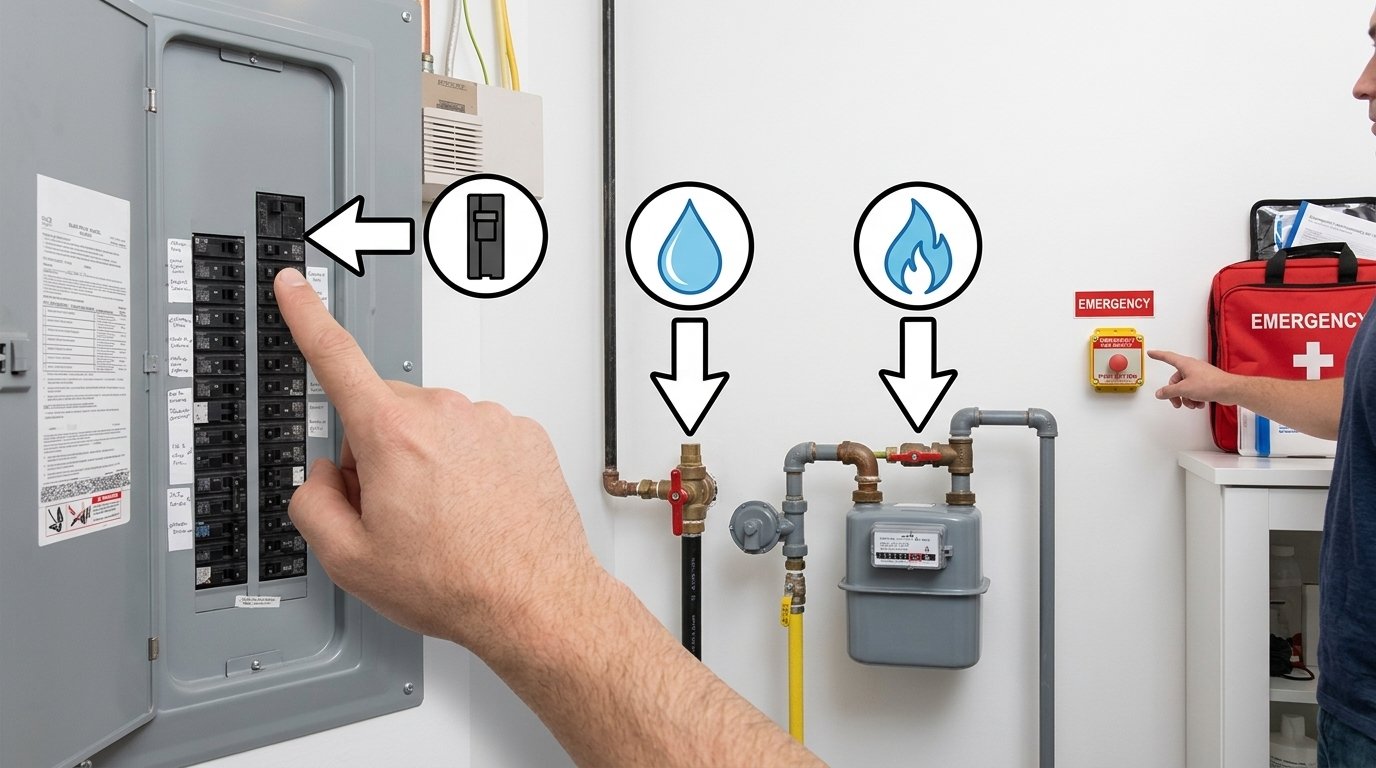
You know where your TV remote is. You know which switch turns on the AC. But do you know how to shut off the water supply if a pipe bursts? Or where to turn off the gas if you smell a leak?
These are things most of us rarely think about until something goes wrong.
Whether you're renting an apartment in Doha, living in a villa in Al Wakrah or have recently moved into a new home in Qatar, knowing a few essential household controls can make a big difference during an emergency.
Here are eight things every resident should locate, understand and check before they actually need them.
1. Main electrical circuit breaker
Imagine you're at home and suddenly notice sparks coming from a socket or smell something burning near an electrical appliance.
Would you know where to turn off the power?
Your home's electrical distribution board, sometimes called the breaker box or DB, controls the electricity supply to different circuits. It generally contains a main switch and individual circuit breakers.
Where to look: Depending on your property, the distribution board may be near the entrance, in a utility area or inside a dedicated cabinet.
What you should know:
- Identify the main switch and the breakers for major circuits.
- Ask maintenance to label any unidentified breakers.
- Never touch electrical controls with wet hands or while standing in water.
- If a breaker repeatedly trips, have a qualified electrician investigate rather than repeatedly resetting it.
In rented apartments, distinguish between your unit's electrical panel and building-level equipment, which should only be handled by authorised personnel.
If there is smoke, fire or an immediate threat, evacuate and call 999 rather than attempting to reach an unsafe electrical panel.
2. Main water shut-off valve
A leaking pipe might start as a small inconvenience, but a burst connection or overflowing bathroom can quickly flood your home.
Knowing how to stop the water supply may help limit damage while you wait for a plumber.
Where to look: The valve may be near the kitchen, bathroom, utility area or an accessible plumbing cabinet. In villas, controls may also be located near the water tank or pump system.
What you should know:
- Find out which valve isolates the water supply to your home.
- Ask maintenance to demonstrate how it operates.
- Check whether individual bathrooms or fixtures have separate isolation valves.
- Never interfere with KAHRAMAA meters, seals or building-wide systems.
If water is reaching sockets or electrical equipment, avoid the affected area and seek professional help.
Remember that a leak inside your apartment usually requires your landlord, building maintenance team or a plumber. A wider water supply interruption may need to be reported to KAHRAMAA.
3. Cooking gas valve or cylinder regulator
Many homes in Qatar use LPG cylinders for cooking, while some residential buildings have central gas supply systems.
In either case, residents should know where their gas can be safely isolated.
Where to look: For cylinder-based systems, identify the regulator or shut-off control connected to the cylinder. In centrally supplied buildings, ask management where the approved apartment-level isolation valve is located.
What you should know:
- Learn the correct shut-off procedure from a qualified technician.
- Make sure cylinders and connections are properly maintained.
- Keep gas cylinders in suitable, ventilated locations away from heat sources.
- Do not attempt to repair a damaged regulator, valve or gas connection yourself.
Qatar's Ministry of Interior advises that gas cylinders should be installed by specialised technicians and their connections checked for leaks.
What if you smell gas?
Do not light a match, operate electrical switches or turn on the kitchen exhaust fan. Leave the area, move everyone to safety and call 999 from outside. Only isolate the gas supply if it is clearly safe to do so.
If you live in a building with central gas, also inform building security or maintenance.
4. Kitchen appliance controls
Your kitchen contains several appliances that can become dangerous when damaged, overheated or used incorrectly.
Beyond knowing how to operate the stove, it is worth identifying the power switches for your oven, dishwasher and other major appliances.
Where to look: Check the wall switches, accessible sockets and designated appliance isolators, where provided.
What you should know:
- Turn off cooking appliances after use.
- Avoid overloading sockets with multiple high-power appliances.
- Report damaged plugs, exposed wiring or overheating immediately.
- Keep kitchen exhaust filters clean and arrange regular maintenance.
Never pour water onto a cooking-oil fire. If the fire is small and it is safe to act, a suitable fire blanket or metal lid may help smother it. Otherwise, evacuate and contact emergency services.
Qatar's Civil Defence has repeatedly emphasised electrical safety and kitchen fire prevention, particularly during periods of frequent cooking.
5. AC and water heater isolation switches
Air conditioning is part of everyday life in Qatar, but how often do you check the equipment beyond changing the temperature?
AC units and electric water heaters can develop faults, including electrical problems, overheating and water leakage.
Where to look: Some homes have dedicated switches or labelled circuit breakers for these appliances. Other controls may be located in maintenance-only areas.
What you should know:
- Identify the accessible switches controlling your AC and water heater.
- Report unusual burning smells, repeated breaker trips or electrical buzzing.
- Arrange professional inspection if your AC leaks water or your water heater shows signs of malfunction.
- Never open electrical covers or attempt to repair these systems yourself.
In rented properties, contact building maintenance or your landlord rather than attempting electrical repairs.
If an appliance fault creates an immediate danger, prioritise your safety over switching it off.
6. Smoke detectors and fire alarm systems
That small device on the ceiling is easy to overlook. But it may provide the warning you need to escape a fire.
Smoke detectors and fire alarms are essential safety features, especially in apartment buildings.
Where to look: Check your home's ceilings, corridors and common areas for smoke detectors, fire alarm devices and manual alarm activation points.
What you should know:
- Find out whether your apartment has individual smoke detectors connected to a building-wide system.
- Report damaged, covered or malfunctioning detectors.
- Ask building management how the system is tested and maintained.
- Never disable or tamper with fire alarms.
According to Qatar News Agency, Civil Defence officials have stressed the importance of maintaining fire detection and suppression systems in residential buildings.
If a fire alarm sounds, follow the building's emergency evacuation procedure. Do not assume it is a false alarm.
7. Fire extinguisher and fire blanket
Having a fire extinguisher at home is useful. Knowing where it is, whether it works and how to use it safely matters just as much.
In apartment buildings, firefighting equipment may be installed in common corridors or designated safety areas.
Where to look: Identify accessible fire extinguishers, fire blankets and their locations before an emergency.
What you should know:
- Check that extinguishers are accessible and have been maintained.
- Learn which extinguisher types are suitable for different fires.
- Familiarise yourself with the manufacturer's instructions.
- Do not use equipment you have not been trained to operate.
Fire extinguishers should only be considered for small, contained fires when you have been trained, have a clear escape route and can act without putting yourself at risk.
If a fire is spreading or producing smoke, leave immediately and call 999.
8. Emergency exits and building access
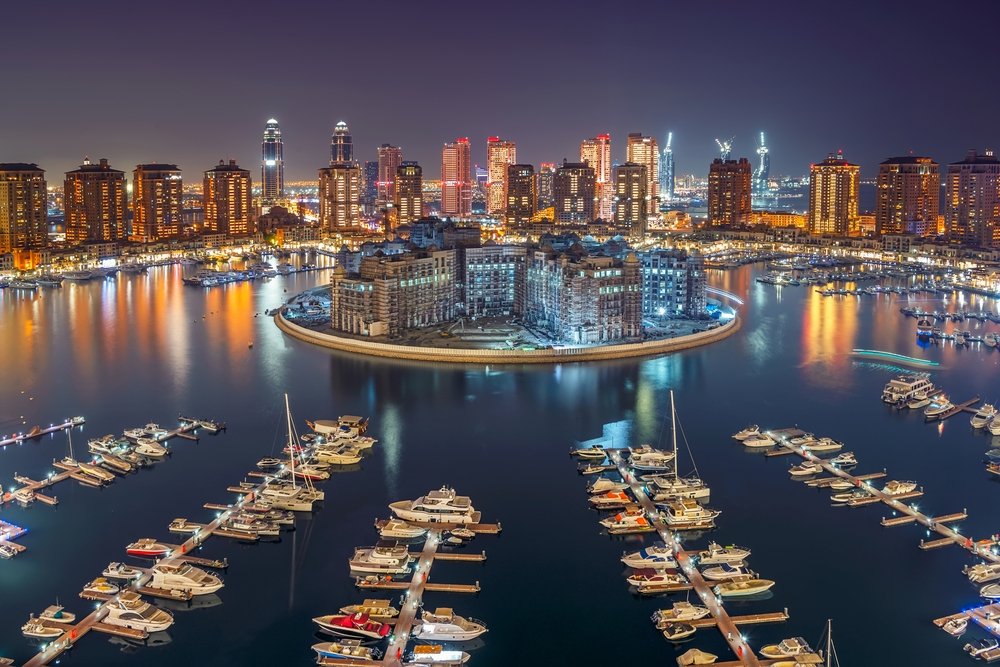
This is particularly important for residents living in high-rise apartments across Doha, Lusail, The Pearl Island and other residential communities.
You may know your usual route from your apartment to the lift. But do you know where the nearest emergency staircase is?
Where to look: Locate the emergency exit signs, staircases and evacuation routes on your floor.
What you should know:
- Identify the nearest safe staircase and an alternative route, if available.
- Keep exits and corridors free of obstructions.
- Understand the building's evacuation instructions.
- Make sure family members know where to meet outside.
The Ministry of Interior's fire evacuation guidance advises residents to use stairs rather than elevators during a fire and never re-enter a burning building.
If smoke or fire blocks your escape route, do not force your way through it. Move to a safer location, close doors to reduce smoke entry and contact emergency services with your exact location.
Emergency numbers every resident in Qatar should save
Knowing which number to call is as important as knowing which control to use.
Police, ambulance and Civil Defence emergencies - 999
KAHRAMAA electricity and water emergencies - 991
KAHRAMAA WhatsApp service - +974 3030 3991
Building maintenance or landlord - Save your property-specific contact
When calling 999, be ready to share your area, street number, building number, zone number and apartment number where applicable.
You can find key address details on Qatar's blue building address plates.
A simple home safety check you can do today
You don't need to wait for an emergency to prepare your home.
- Take a few minutes to locate your electrical distribution board, water shut-off valve, gas isolation control and emergency exits.
- If you're moving into a new apartment or villa, ask your landlord or building maintenance team to show you these controls during the handover.
- It is also worth keeping your building's maintenance number somewhere easily accessible and making sure everyone in the household knows what to do in an emergency.
- The most important rule is simple: never put yourself in danger to shut off a utility or save an appliance. Your safety always comes first.
- Knowing your home is not just about knowing where everything is. It's about knowing what to do when something goes wrong.
For more practical guides on living in Qatar, follow Qatar Living and explore our latest community updates, household tips and essential resident information.
About Qatar Living:
Since 2005, Qatar Living has been the trusted destination for everything Qatar. As the country's largest online community and marketplace, Qatar Living connects people with opportunities through jobs, property, vehicles, services, classifieds, events, local insights, and breaking news. Trusted by residents, newcomers, visitors, and businesses alike, Qatar Living brings Qatar together in one place.
Instagram - @qatarliving
X - @qatarliving
Facebook - Qatar Living
YouTube - qatarlivingofficial
Up Next

Furniture Delivery Costs Within Doha: What to Expect
What does furniture delivery cost within Doha? Real QAR price ranges, what affects the quote, and how to move used furniture safely across Qatar.
Oct 12,2026
How to Find & Vet House Cleaners in Qatar 2026
How to find and vet reliable house cleaners in Qatar in 2026: real hourly rates, package prices, red flags to avoid and questions to ask before booking.
Sep 15,2026
Back-to-School with Al-Futtaim IKEA: 6 Ways to Set Up Your Study Space at Home
Discover 6 practical ways to set up your home study space for back-to-school with Al-Futtaim IKEA, boosting focus, creativity, and comfort.
Aug 25,2026
Getting Internet & Home Wi-Fi in Qatar: Providers & Plans
Getting internet & home Wi-Fi in Qatar? Compare Ooredoo Home+ and Vodafone GigaHome plans, prices in QAR, speeds and setup in this expat guide.
Aug 10,2026