Doha South Sewage Treatment Plant Phase One Reaches 65%, Completion Expected in Q2 2028
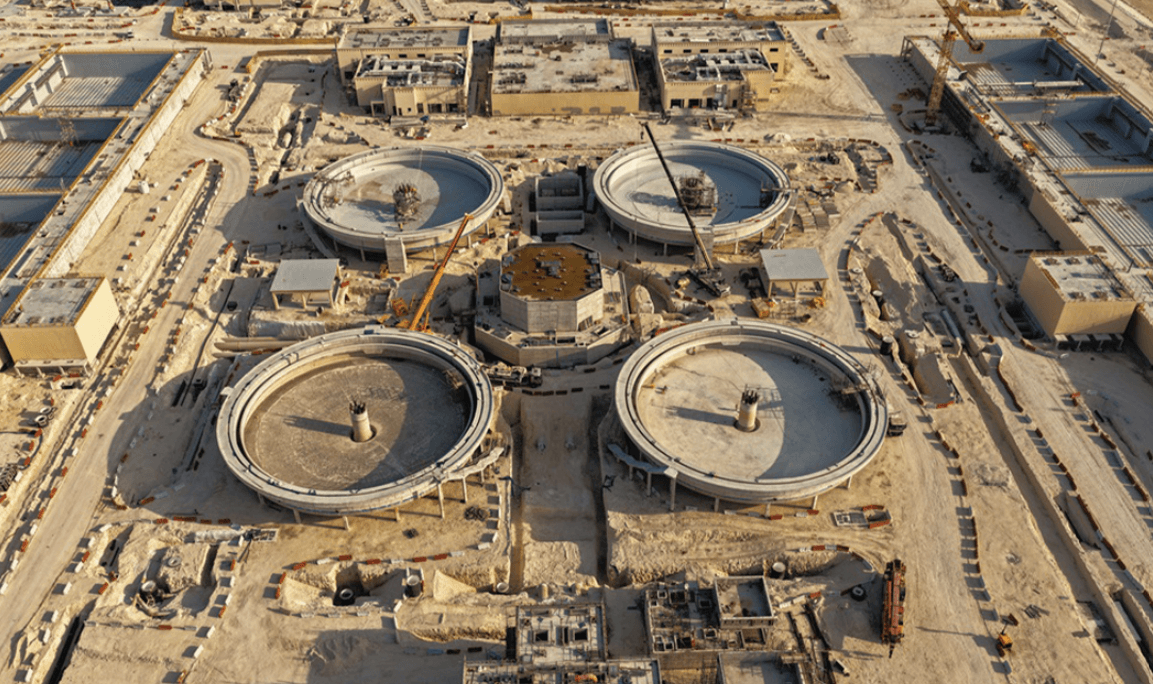
Qatar's Public Works Authority (Ashghal) has announced that the first phase of the Doha South Sewage Treatment Plant project is approximately 65% complete, with construction expected to be finished in the second quarter of 2028.
An Asghal statement said the project, the first sewage infrastructure development in Qatar to be implemented under a public-private partnership (PPP) model, is designed to serve more than 300,000 people in southern Qatar during its first phase.
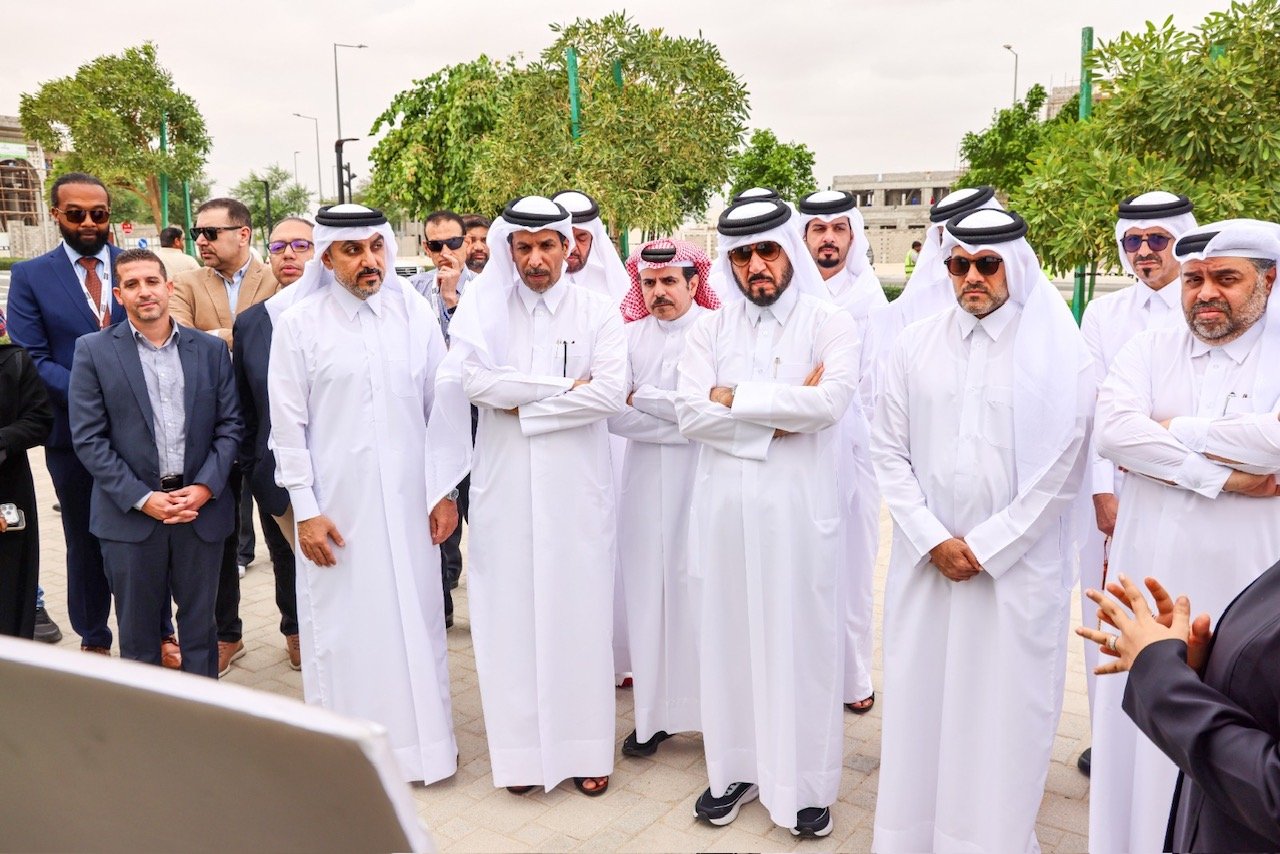
The announcement followed a site visit by HE Ashghal President Eng. Mohammed Al Meer and senior officials to review construction progress, remaining works and the project schedule.
During the visit, Al Meer inspected the plant's main facilities and technologies for sewage treatment, sludge processing and energy recovery. He also received a briefing on construction stages, operational equipment and future expansion plans.
He stressed the importance of meeting the construction schedule and adhering to quality and safety standards to ensure the facilities are fully integrated and ready for operation.
Al Meer said the project, with a total investment of QR6.3 billion, including around QR2.3 billion in foreign investment, represented a significant step towards strengthening private-sector participation in major national infrastructure projects.
The first phase will have a sewage treatment capacity of 150,000 cubic meters per day, with the plant designed to accommodate future expansions that could increase its capacity to 600,000 cubic meters daily to meet projected demand through 2045.
Sewage will reach the plant through the Main Trunk Sewer (MTS), previously constructed by Ashghal to transport flows from the networks in Al Wakra, Al Wukair and Al Mashaf, as well as part of the Industrial Area.
The facilities include a primary treatment plant with filtration units located at a depth of more than 60 meters and a capacity of 600,000 cubic meters per day. A main pumping station will transfer up to 150,000 cubic meters of sewage daily to the subsequent treatment stages.
The project also includes sludge treatment, energy recovery and odour-control facilities, as well as a pumping station capable of delivering up to 600,000 cubic meters of treated water per day to the distribution network.
Under the 25-year partnership agreement, the project developer is responsible for the design, financing and construction of the plant, as well as its operation and maintenance. Ashghal will take over these responsibilities at the end of the agreement, using the same technologies.
Abdulaziz bin Mohammed Al Attiyah, Chairman of Al Attiyah Company, said the company, as the largest shareholder in the consortium, was contributing to the project's financing and construction alongside its partners.
He said the project was drawing on decades of experience and the technical expertise of local and international partners, while creating opportunities for Qatari suppliers and contractors to develop their capabilities.
Future expansions are also expected to open up further investment opportunities and enable more local companies to participate in construction, operation and maintenance.
The plant will use primary, secondary and tertiary treatment processes, alongside ultrafiltration and disinfection using ultraviolet light and chlorine, to produce treated water that meets international standards.
The water will be reused for non-drinking purposes, including irrigating public parks, green spaces, ornamental plants and fodder farms. It can also be used in cooling projects, sand washing and dust control at construction sites.
Any surplus treated water will be transferred to storage lagoons for future use.
The project will also recover energy through the anaerobic digestion of organic matter in sewage sludge to produce biogas, which will be used to generate electricity and heat for the plant's treatment operations, reducing its reliance on the main electricity grid.
The development supports Qatar National Vision 2030, particularly its environmental development pillar, and aligns with the Third National Development Strategy 2024-2030 priorities of improving water and energy efficiency, adopting advanced environmental technologies and reducing emissions. (QNA)
Source: QNA
--
About Qatar Living:
Since 2005, Qatar Living has been the trusted destination for everything Qatar. As the country's largest online community and marketplace, Qatar Living connects people with opportunities through jobs, property, vehicles, services, classifieds, events, local insights, and breaking news. Trusted by residents, newcomers, visitors, and businesses alike, Qatar Living brings Qatar together in one place.
Instagram - @qatarliving
X - @qatarliving
Facebook - Qatar Living
YouTube - qatarlivingofficial
Up Next
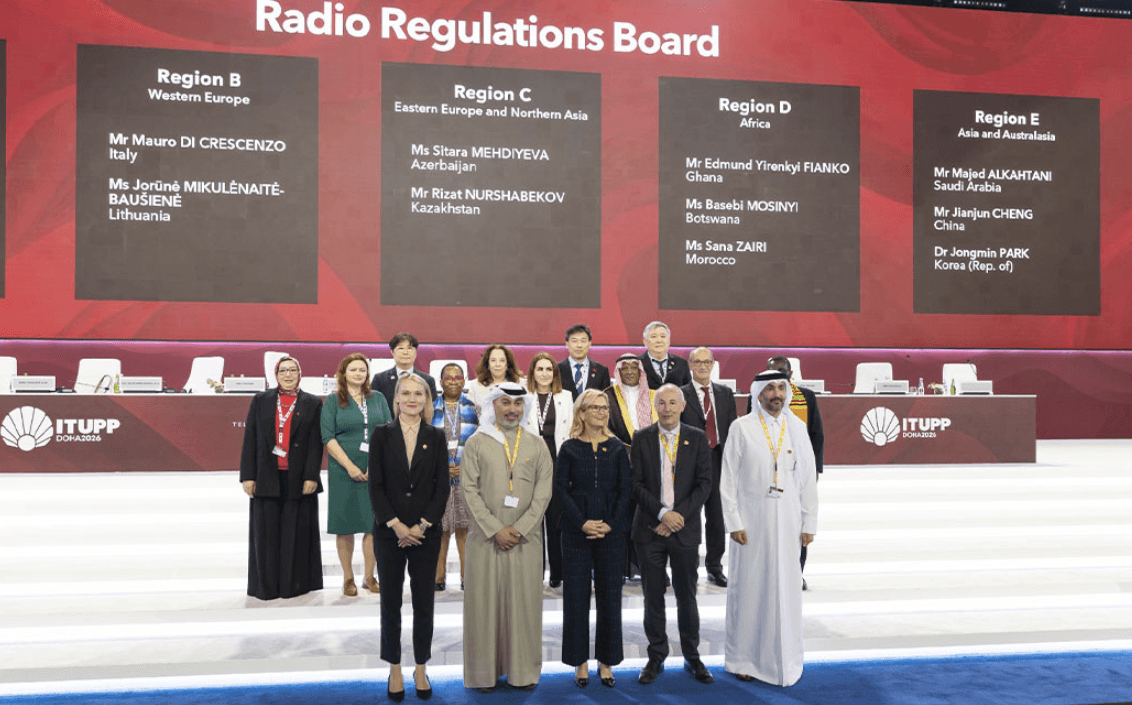
Qatar Secures ITU Council Membership for 2027–2030
Qatar elected to ITU Council for 2027–2030, strengthening its role in global telecommunications and digital innovation for Asia and Australasia.
Nov 16,2026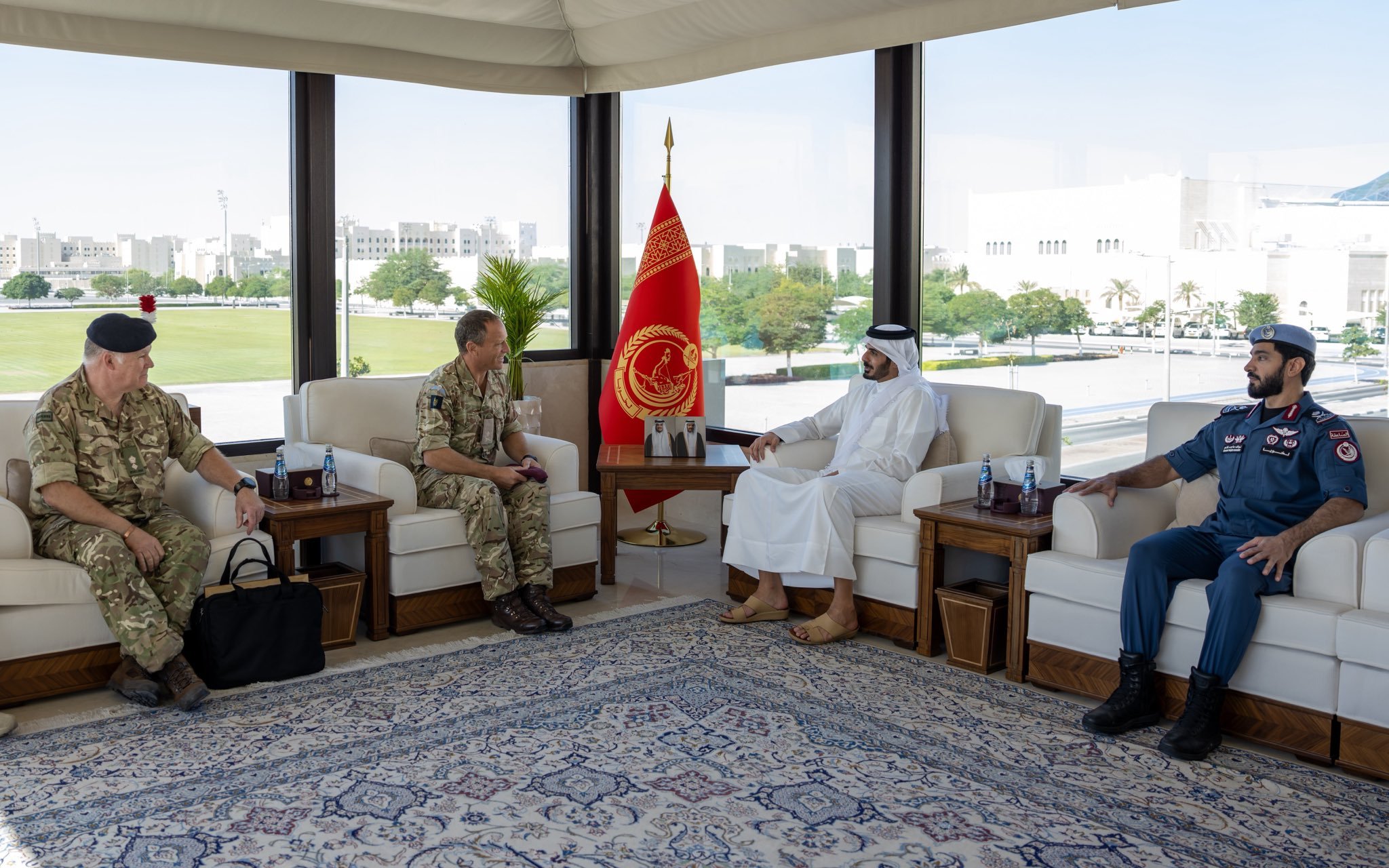
Qatar and Sandhurst discuss stronger military training cooperation
Qatar and Sandhurst leaders meet in Doha to enhance military training cooperation, focusing on education, expertise exchange, and professional development.
Nov 16,2026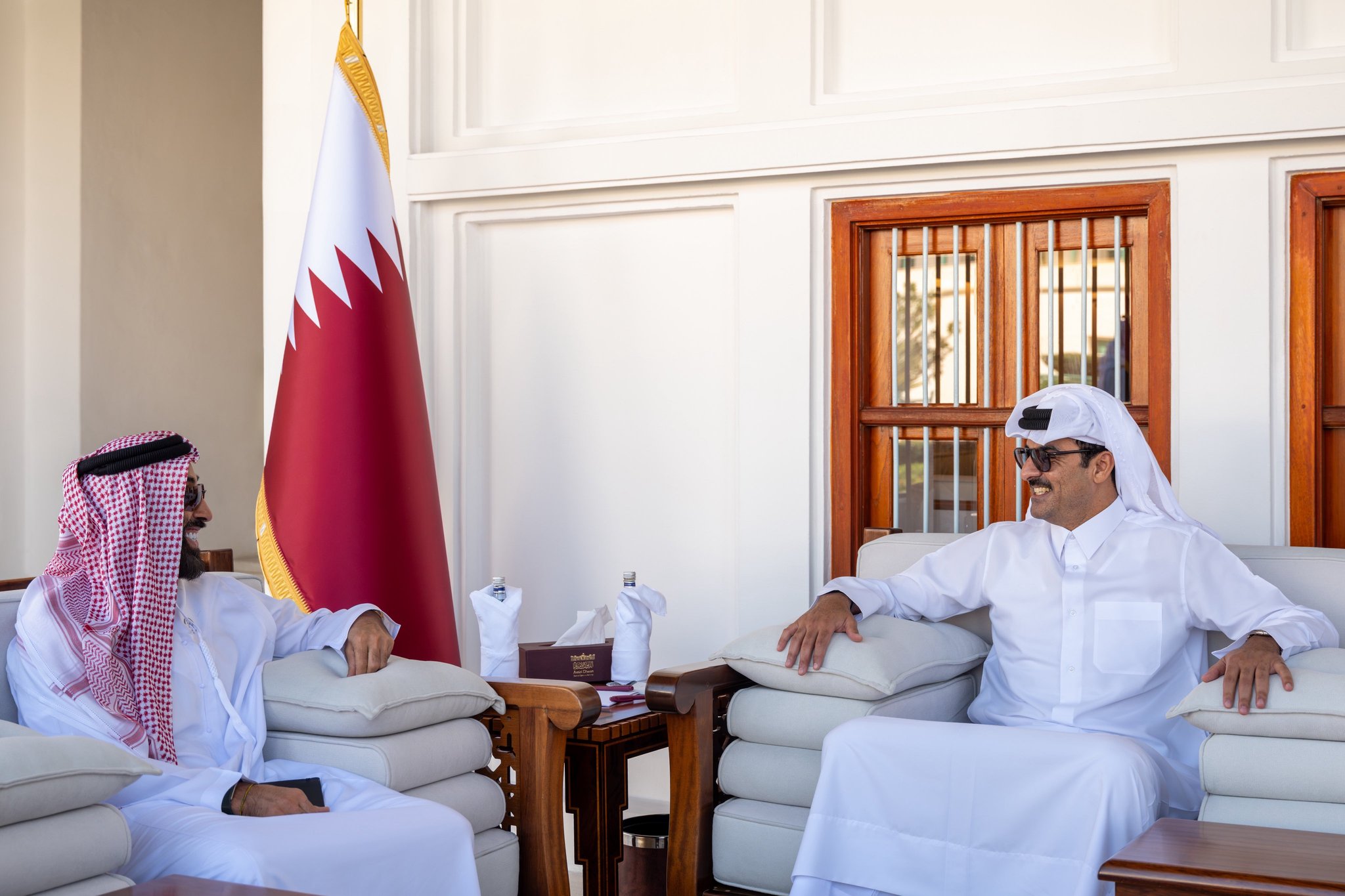
HH The Amir receives UAE Deputy Ruler HH Sheikh Tahnoon bin Zayed Al Nahyan at Amiri Diwan
HH The Amir of Qatar meets UAE Deputy Ruler Sheikh Tahnoon bin Zayed at Amiri Diwan to discuss strengthening bilateral relations and cooperation.
Nov 16,2026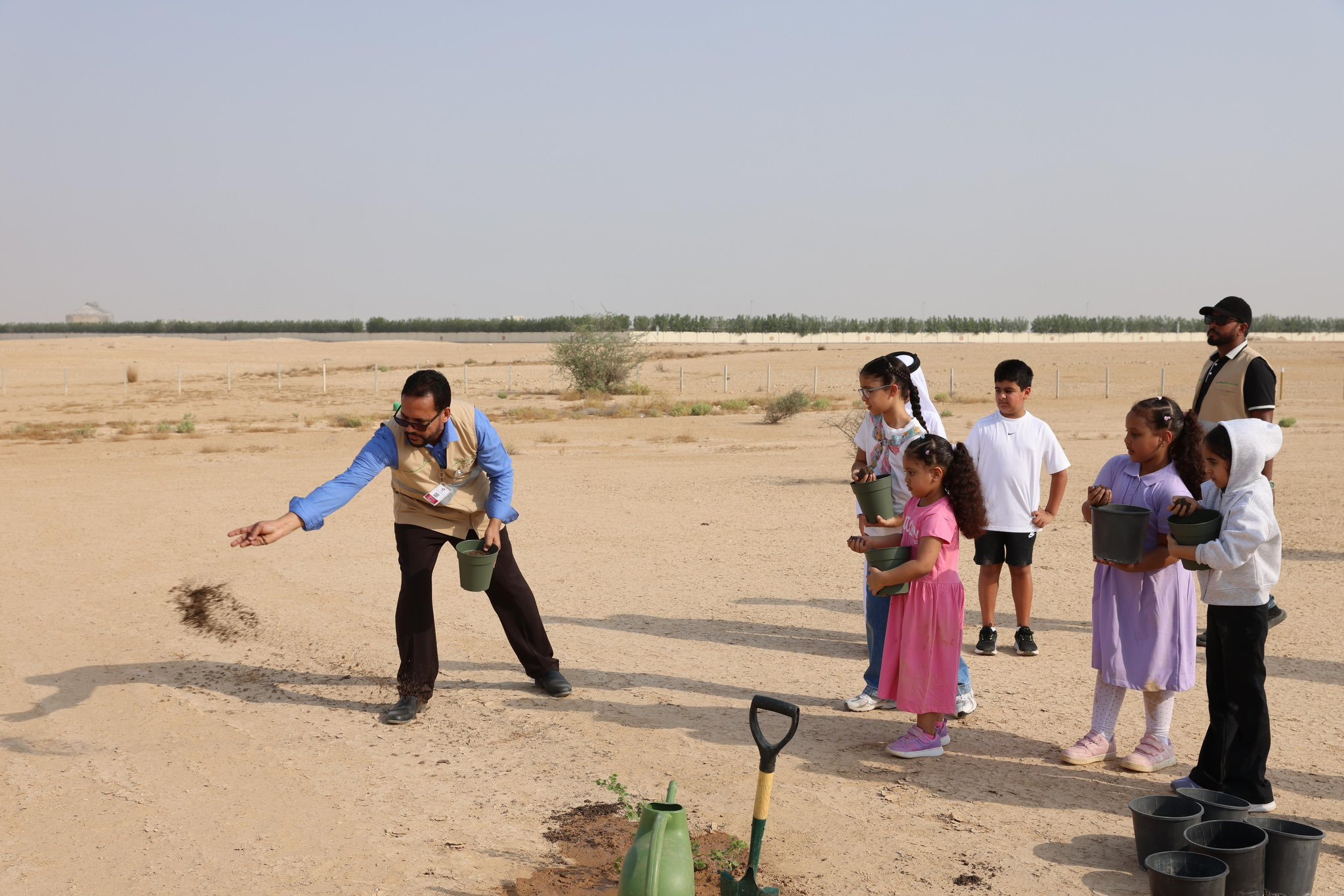
MoEHE plants 300 native seedlings and 3,000 seeds at Rawdat Wadi Atna
Qatar’s MoEHE plants 300 native seedlings and 3,000 seeds at Rawdat Wadi Atna to restore habitats, boost biodiversity, and involve children in conservation.
Nov 16,2026