Episode 01: Why Qatar’s real estate market remains so resilient
The Real Estate Edit by Capstone Property
Episode 01: Why Qatar’s real estate market remains so resilient
Despite economic uncertainty affecting many global property markets, Qatar continues to stand out as one of the Gulf's most resilient real estate destinations. From navigating the 2017 blockade to maintaining momentum after the FIFA World Cup Qatar 2022™, the country's property sector has consistently demonstrated its ability to adapt, recover and continue attracting long-term investment.
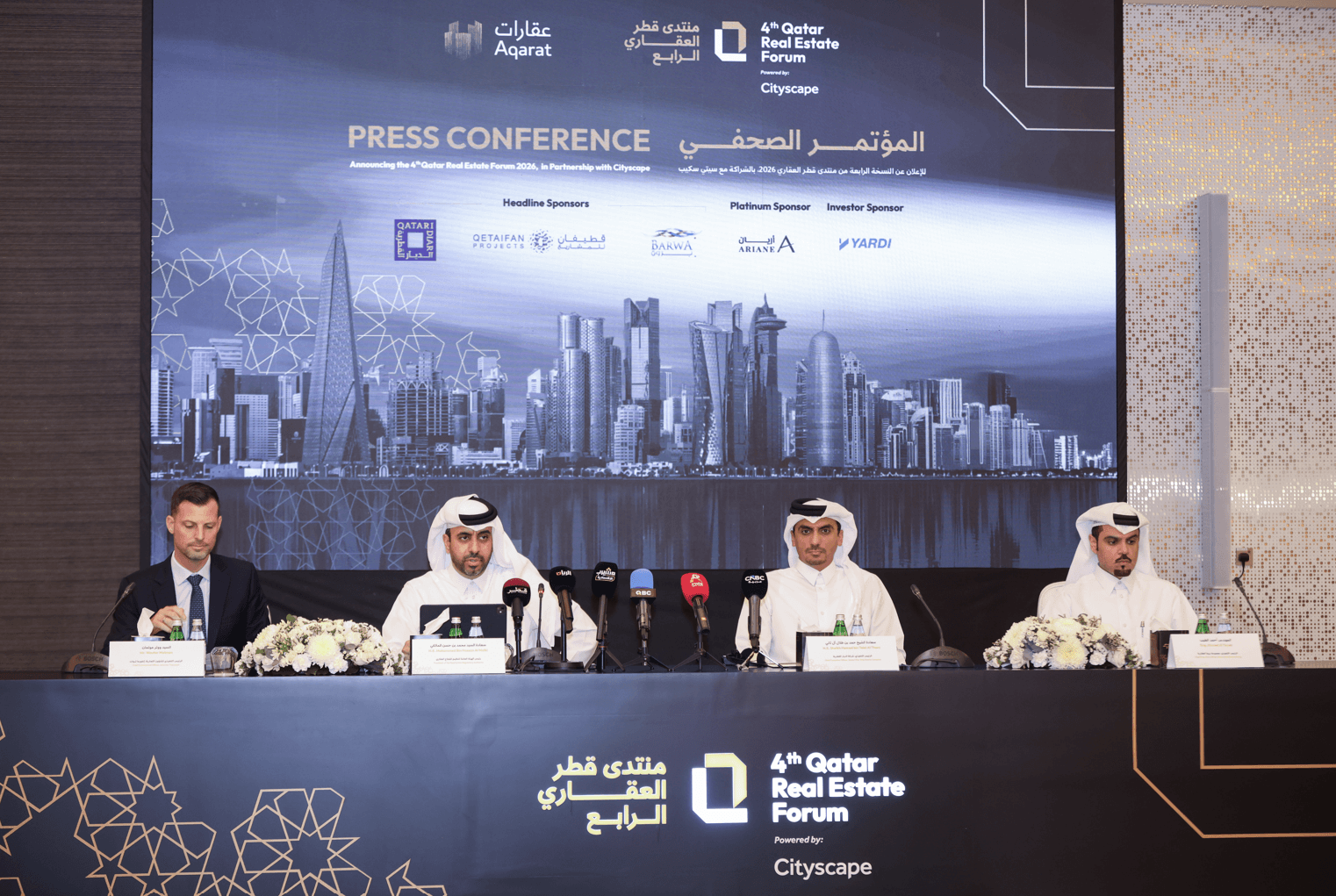
The latest figures released by the Real Estate Regulatory Authority (Aqarat) reinforce that confidence. Between 2016 and 2025, the number of real estate sale transactions in Qatar more than doubled, from 3,804 transactions in 2016 to a record 7,846 transactions in 2025, the highest level recorded during the decade. The figures reflect more than market activity; they signal sustained investor confidence and a property sector built on strong fundamentals.
For buyers, investors and homeowners alike, the question is no longer whether Qatar's property market is resilient, but why?
Stability that builds investor confidence
Real estate markets thrive on certainty, and Qatar has consistently provided exactly that.
The country's long-term economic strategy, political stability and continued investment in infrastructure have created an environment where both local and international investors can make decisions with greater confidence.
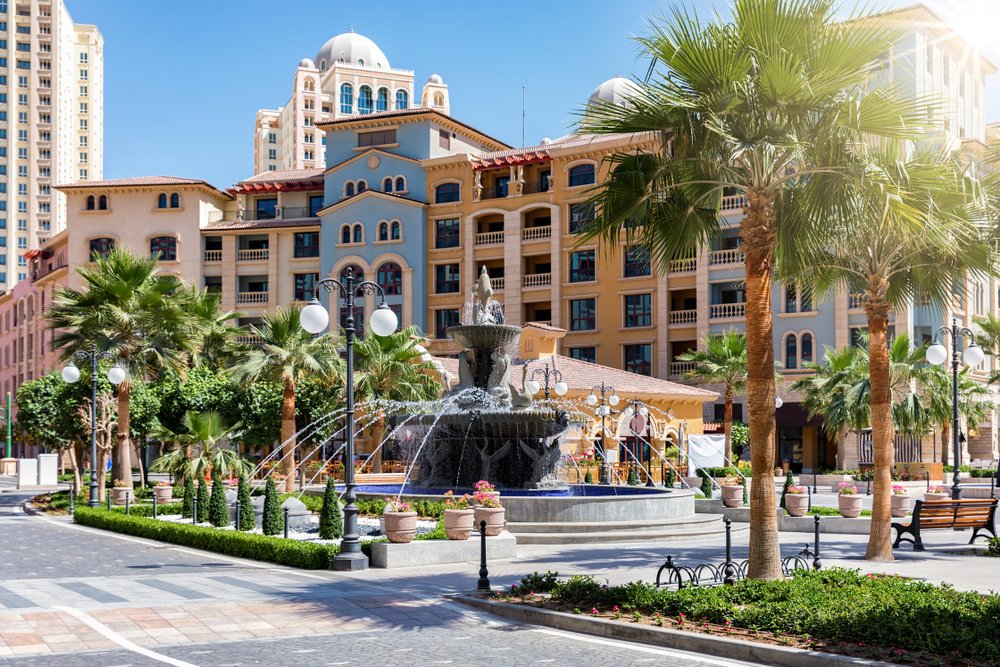
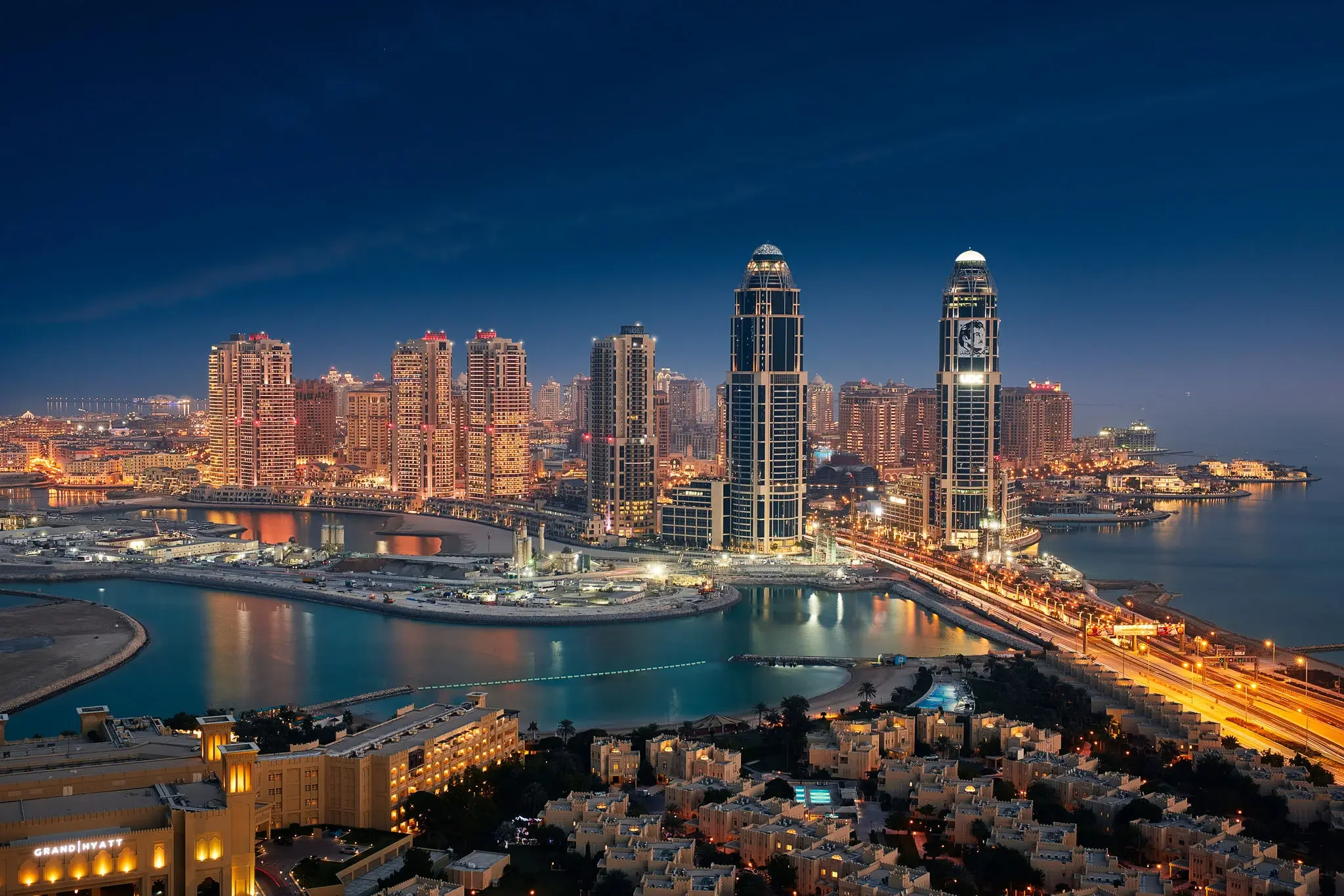
Major developments such as Lusail City, Msheireb Downtown Doha, Hamad International Airport expansion, Doha Metro and continuous investment in roads, schools and healthcare have strengthened the country's appeal well beyond the FIFA World Cup.
At the same time, Qatar National Vision 2030 continues to drive economic diversification, reducing dependence on hydrocarbons while creating new opportunities across tourism, finance, education, technology and real estate.
For property investors, these are the fundamentals that matter most.
A market that has proven its resilience
Every property market faces challenges.
What separates strong markets from weak ones is how they respond.
Qatar's real estate sector has successfully navigated several defining moments over the past decade, including:
- The 2017 GCC blockade
- The COVID-19 pandemic
- Global inflation and rising interest rates
- The post-World Cup market transition
Speaking to CNBC Arabia, Anthony Awkar, Managing Partner at Capstone Property, explained that regional geopolitical tensions have had more of a psychological impact than a structural one on Qatar's real estate market. "Markets don't stop during periods of uncertainty, but decision-making becomes slower and more selective," Awkar noted, adding that Qatar entered the current period from a position of strength.
According to Aqarat, transaction activity temporarily slowed between 2020 and 2022 before rebounding strongly, ultimately reaching its highest level on record in 2025. Rather than indicating weakness, this pattern highlights a market capable of adapting to changing economic conditions. Qatar has previously navigated the 2017 blockade, the COVID-19 pandemic and the post-FIFA World Cup transition—each time emerging with renewed investor confidence and sustained market activity.
Demand continues across multiple segments
Another reason for Qatar's resilience is the diversity of demand.
Unlike markets that rely heavily on a single buyer segment, Qatar attracts homeowners, long-term residents, corporate tenants and regional investors.
Recent Aqarat data shows that residential property continues to account for a significant share of market activity, while established communities such as The Pearl and Lusail remain among the country's most sought-after investment locations.
The authority's latest bulletin also reported:
- QAR 8.9 billion in real estate transactions during the second quarter of 2025.
- 1,915 registered transactions, representing a 44% increase compared with the same period in 2024.
- Residential transactions accounted for 44% of all real estate deals.
- More than 58,000 lease contracts were registered during the first half of 2025, the highest first-half total recorded in six years.
These figures indicate that both the sales and rental markets continue to experience healthy activity.
Qatar is becoming an increasingly attractive investment destination
Regional investors today have more options than ever.
However, many are looking beyond traditional investment hotspots in search of markets that offer long-term stability, transparent regulations and sustainable growth.
Qatar is increasingly meeting those expectations.
Alongside its strong economic fundamentals, the country has continued to introduce policies that make investing in real estate more accessible for international buyers.
The latest example is Cabinet Resolution No. 21 of 2026, which expanded and updated the list of areas where non-Qataris are permitted to own freehold property.
The revised framework now designates 10 freehold areas open to foreign ownership, including The Pearl Island, Lusail, West Bay (Legtaifiya), Al Kharayej, Jabal Thuaileb, Onaiza, Dafna, Al Khor Resort and the Simaisma Resort and Beach Project. The resolution also streamlines property registration through the Real Estate Registration Department at the Ministry of Justice, reinforcing transparency and investor confidence.
At the same time, digital initiatives introduced by Aqarat have improved transparency by providing more accurate market data and enhancing access to information for investors and stakeholders.
Combined with world-class infrastructure and one of the region's strongest economies, Qatar continues to position itself as a compelling destination for long-term property investment.
A mature market rather than a temporary boom
One of the biggest misconceptions about Qatar's property sector is that its growth was driven solely by preparations for the FIFA World Cup.
In reality, the tournament accelerated infrastructure development, but it did not create the market.
Today's transaction volumes suggest the market has entered a more mature phase, supported by long-term demand rather than short-term speculation.
This evolution is reflected in the increasing number of completed communities, improved regulatory frameworks, expanding transport networks and continued population growth.
Instead of relying on a single event, Qatar's property sector is now supported by broader economic development and sustained investment.
Local Expertise Backed by More Than a Decade of Experience
While market data provides valuable insight, successful property decisions also depend on local knowledge.
Since 2011, Capstone Property has supported homeowners, investors, landlords and developers through some of the country's most significant milestones, including the 2017 blockade, the pandemic, the FIFA World Cup and today's evolving investment landscape.
As Anthony Awkar explains, the strongest markets are not those that avoid uncertainty altogether, but those that continue to function through it. "The market is not declining, it's evolving. Strong assets continue to perform well, while weaker ones face increasing pressure."
For investors, this reinforces an important point: successful property investment is increasingly driven by selecting the right asset in the right location, supported by reliable market intelligence rather than reacting to short-term headlines.
Looking ahead
The data points in one direction: Qatar's real estate market continues to strengthen.
Record transaction volumes, sustained rental demand, regulatory improvements and ongoing infrastructure investment all point towards a market built on long-term fundamentals rather than short-lived momentum.
While every investment carries risk, Qatar has consistently demonstrated qualities that investors value most: stability, transparency and resilience. Recent policy changes—including the expansion of freehold ownership opportunities for non-Qataris—further demonstrate Qatar's long-term commitment to attracting international investment and strengthening its position as one of the region's most stable property markets.
As the country continues its development under Qatar National Vision 2030, its property market is well positioned to remain one of the Gulf's most attractive destinations for homeowners and investors alike.
Looking to invest in Qatar?
Whether you're buying your first home, expanding your investment portfolio or exploring opportunities in Qatar's growing property market, Capstone Property offers local expertise backed by more than a decade of experience.
Browse Capstone Property listings on Qatar Living to explore available opportunities across Qatar's most sought-after communities.
About The Capstone Property Market Edit
The Capstone Property Market Edit is a recurring series that explores the latest trends, market insights and investment opportunities shaping Qatar's real estate sector. Produced in collaboration with Capstone Property, the series combines local expertise with market data to help buyers, investors and homeowners make informed property decisions.
Related Reading
- Anthony Awkar: War impact on Qatar real estate is psychological, not structural
- Qatar updates list of 10 areas open to non-Qatari property ownership
- Browse Capstone Property listings on Qatar Living
---
About Qatar Living :
Since 2005, Qatar Living has been the trusted destination for everything Qatar. As the country's largest online community and marketplace, Qatar Living connects people with opportunities through jobs, property, vehicles, services, classifieds, events, local insights, and breaking news. Trusted by residents, newcomers, visitors, and businesses alike, Qatar Living brings Qatar together in one place.
Follow Qatar Living for daily updates:
Instagram - @qatarliving
X - @qatarliving
Facebook - Qatar Living
YouTube - qatarlivingofficial
Up Next
Qatar Real Estate Transactions Reach QR383 Million in One Week
Qatar real estate transactions reached QR383 million in one week, with diverse property sales across major municipalities and key areas.
Jul 2,2026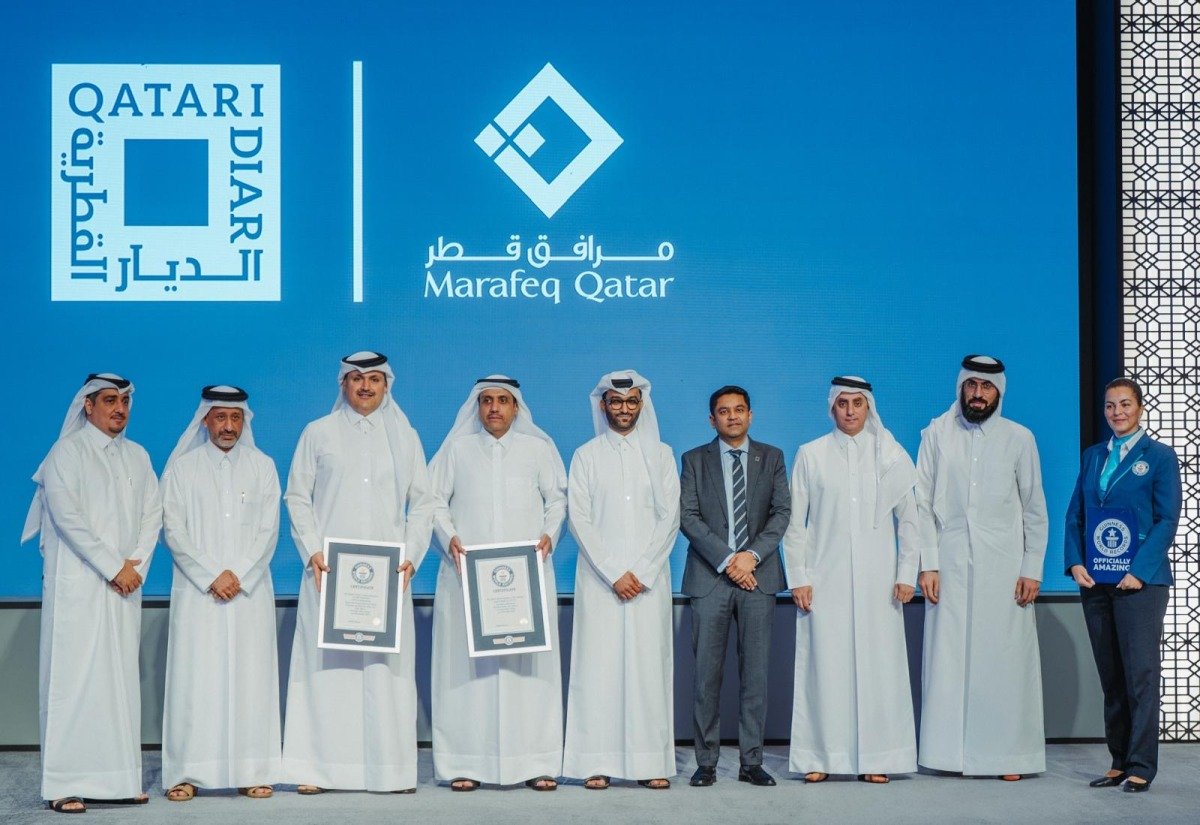
Lusail City achieves two Guinness World Records for sustainable infrastructure
Lusail City sets two Guinness World Records for its sustainable district cooling system, showcasing Qatar's leadership in smart urban infrastructure.
Jul 2,2026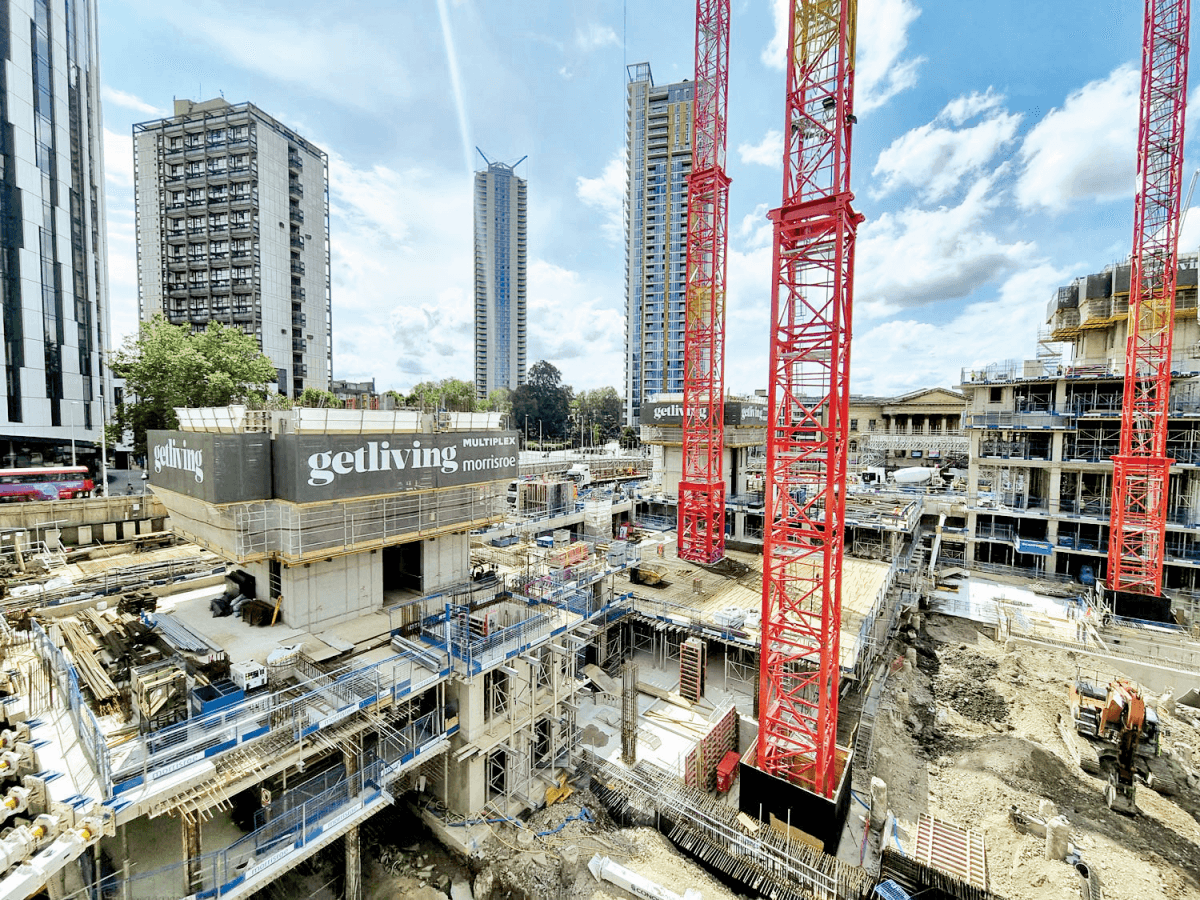
Qatar-Backed London Development Set to Deliver 507 New Homes
Construction begins on the final phase of the Qatar-backed Elephant & Castle project, delivering 507 new homes and boosting affordable housing in London.
Jun 30,2026
TAAMEER Development Group Launches “Flora” in North Lusail, Reinforcing Its Vision for Elevated Living
TAAMEER Development Group launches Flora in North Lusail, offering sustainable villas and elevated living for families and investors in Qatar.
Jun 30,2026