Navi Pillay Awarded 2026 Nobel Peace Prize for Advancing International Law
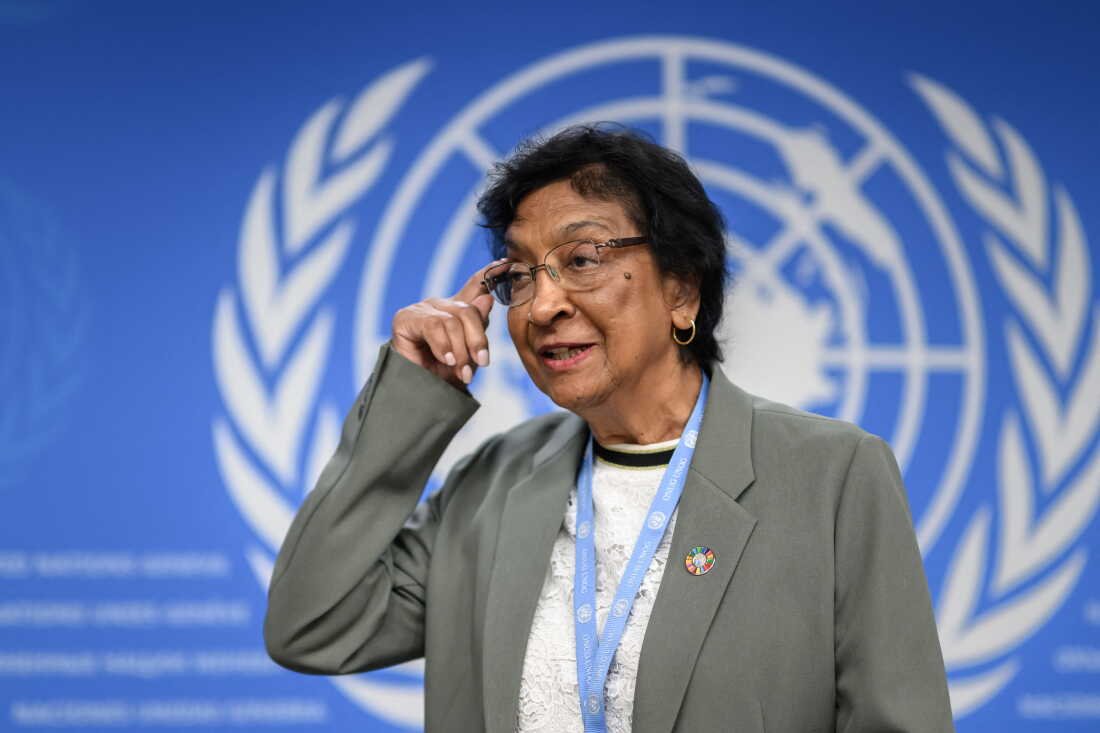
The Norwegian Nobel Committee has awarded the Nobel Peace Prize for 2026 to Navanethem “Navi” Pillay for her efforts to promote peace and international law. The committee said Pillay had demonstrated exceptional courage and integrity while advancing a more comprehensive global legal order. Her work has helped ensure that war crimes, crimes against humanity and genocide are prosecuted.
Born into a family of Indian Tamil origin under apartheid in Durban, South Africa, Pillay became a lawyer and a pioneering legal figure who confronted structural discrimination, segregation and exclusion. Her early career included defending Nelson Mandela and others who opposed apartheid. The Nobel Committee drew a direct line between that work and her later involvement in some of the most significant international court proceedings of modern times.
Pillay served as a judge on South Africa’s High Court, the International Criminal Tribunal for Rwanda and the International Criminal Court. She later served as United Nations High Commissioner for Human Rights and, until recently, chaired the UN Independent International Commission of Inquiry on the Occupied Palestinian Territory, including East Jerusalem, and Israel. She currently serves as a judge in the International Court of Justice proceedings in which Myanmar is accused of genocide.
The committee said Pillay had expanded the reach and influence of international law while demonstrating how legal action could help prevent war and violence. It credited her independence, expertise and determination with strengthening international legal institutions and establishing her as one of the most respected international jurists of her generation. Throughout her career, she has maintained a commitment to universal legal principles and consistently emphasised the duty of individuals, states and national leaders to comply with the rule of law.
The announcement placed Pillay’s work within the Nobel Peace Prize’s longstanding recognition of international law as a means of resolving conflicts. The committee noted that the first Peace Prize was awarded 125 years ago and that international legal institutions expanded significantly after the Second World War, particularly through the creation of United Nations bodies. Further legal mechanisms emerged during the following decades and gained additional momentum after the Cold War.
The committee acknowledged that the rules-based international order had never operated perfectly, with powerful states often avoiding responsibility and international cases producing different outcomes depending on the perpetrators and victims involved. However, it said increasing numbers of conflicts had been addressed through diplomacy, treaties and legal mechanisms instead of threats, violence and warfare. With the world facing numerous wars and other existential challenges, the committee described international law as an absolute necessity for peace and security rather than a supplementary tool.
It also warned that international legal institutions were under intense pressure as power politics increasingly displaced respect for legal frameworks, justice and global rules. The committee said stability, trust and peaceful coexistence were weakened whenever power prevailed over law. By awarding Pillay the prize, it sought to underline that national and international rule of law remains central to maintaining peace and resolving disputes without violence.
The committee highlighted Pillay’s influence on landmark findings by the International Criminal Tribunal for Rwanda. In one case, the tribunal established that rape and sexual violence could constitute crimes against humanity as well as genocide, with Pillay playing a significant role in that legal development. She also contributed to another breakthrough in which a defendant faced charges of incitement to commit genocide based solely on the dissemination of propaganda.
The Nobel Committee said judges serve as guardians of the line separating legal order from chaos, particularly at a time when some judges face sanctions and judicial institutions are under attack. It praised Pillay for holding states and national leaders accountable, helping define legal norms and giving hope to victims of violence and conflict. Her work, it added, reflects the courage, vision and determination needed to protect justice and human dignity.
The committee said the award followed directly from Alfred Nobel’s will because Pillay had strengthened fraternity between nations and systematically promoted the use of tribunals in pursuit of peace and justice. It described her as one of the leading defenders of international legal principles and said her career demonstrated the need to support, reinforce and expand the global rule of law. Her commitment to justice and human dignity was presented as a source of hope and inspiration for those working towards a more peaceful world.
--
About Qatar Living:
Since 2005, Qatar Living has been the trusted destination for everything Qatar. As the country's largest online community and marketplace, Qatar Living connects people with opportunities through jobs, property, vehicles, services, classifieds, events, local insights, and breaking news. Trusted by residents, newcomers, visitors, and businesses alike, Qatar Living brings Qatar together in one place.
Instagram - @qatarliving
X - @qatarliving
Facebook - Qatar Living
YouTube - qatarlivingofficial
Up Next

El Niño expected to intensify around December 2026
El Niño is expected to intensify and peak in December 2026, bringing higher global temperatures, drought, and flooding risks, warns WMO.
Oct 8,2026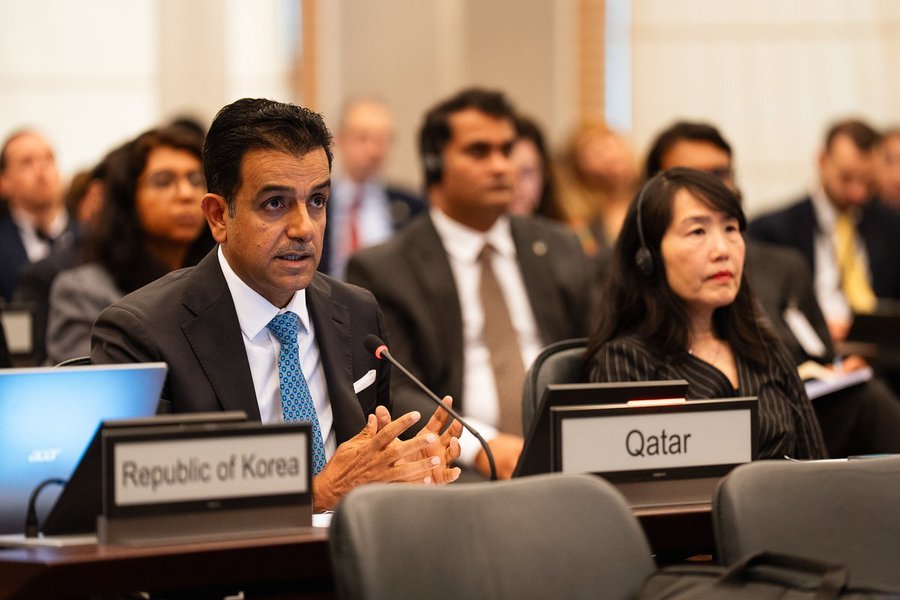
Qatar calls for roadmap to fully eliminate Syria’s remaining chemical weapons
Qatar urges a clear roadmap for the complete elimination of Syria's remaining chemical weapons, highlighting OPCW progress and multilateral efforts.
Oct 8,2026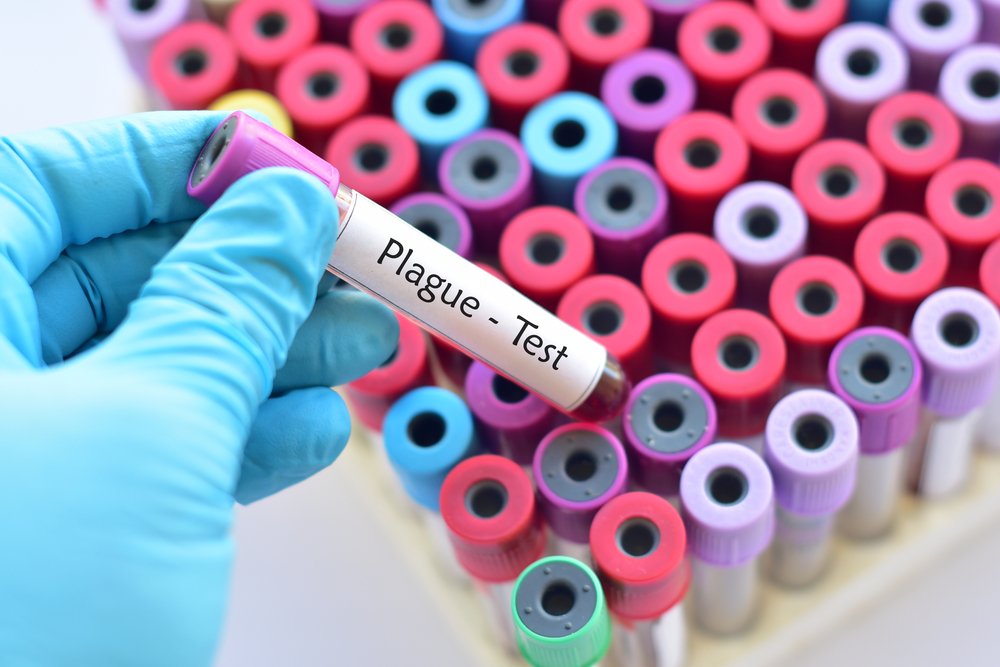
Plague in Russia explained. What Qatar residents should know after the Russia lab death
Learn about the recent lab death in Russia, plague risks, and what Qatar residents should know about disease prevention and safety measures.
Oct 7,2026
Qatar Participates in 113th Session of OPCW Executive Council
Qatar attends the 113th OPCW Executive Council session in The Hague, emphasizing international law, peace, and chemical weapons prohibition.
Oct 7,2026