Overnight Desert Camping in Qatar: Summer Tips
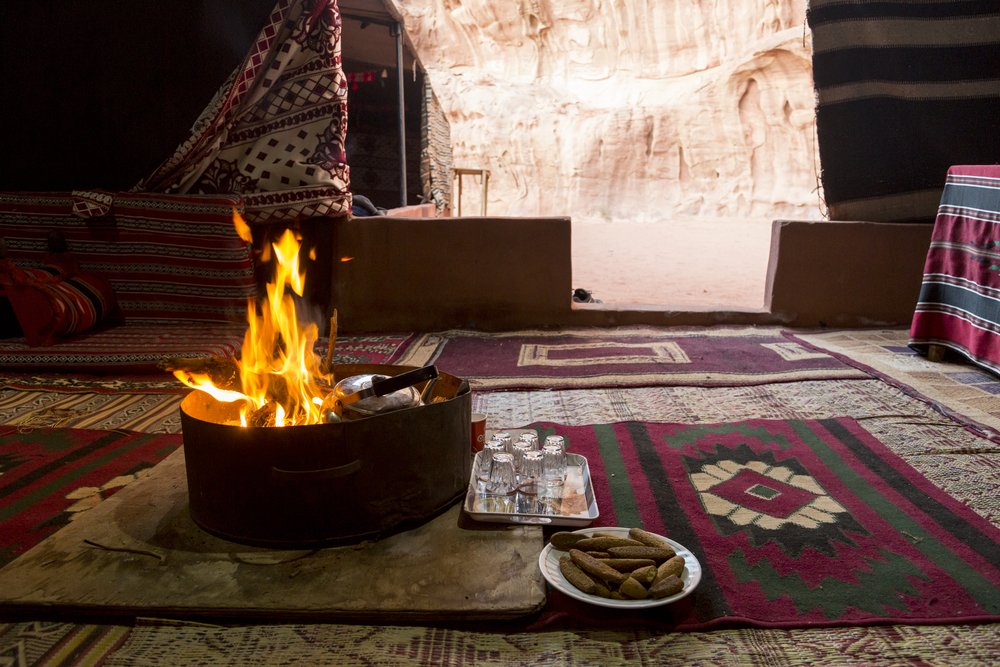
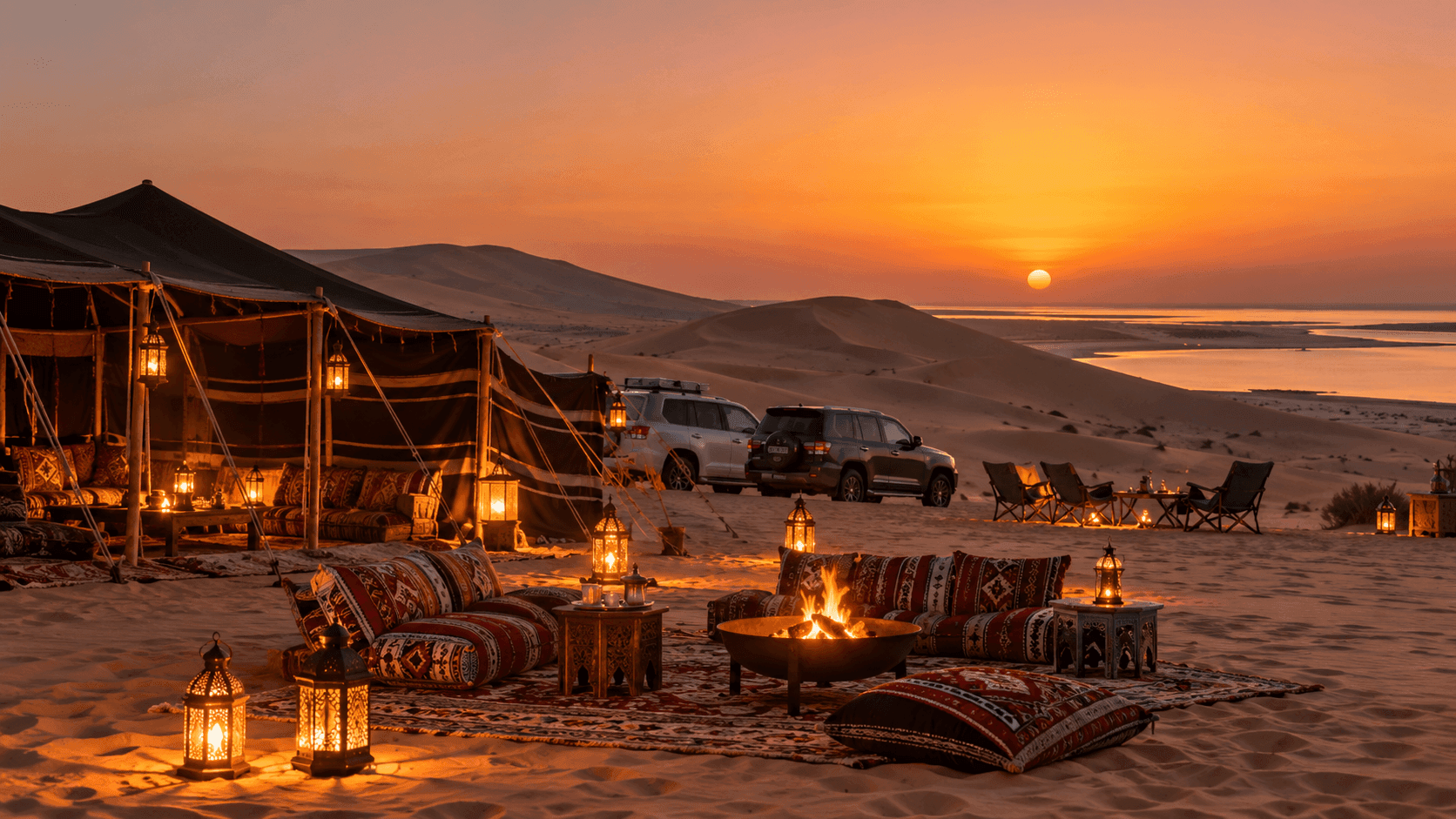
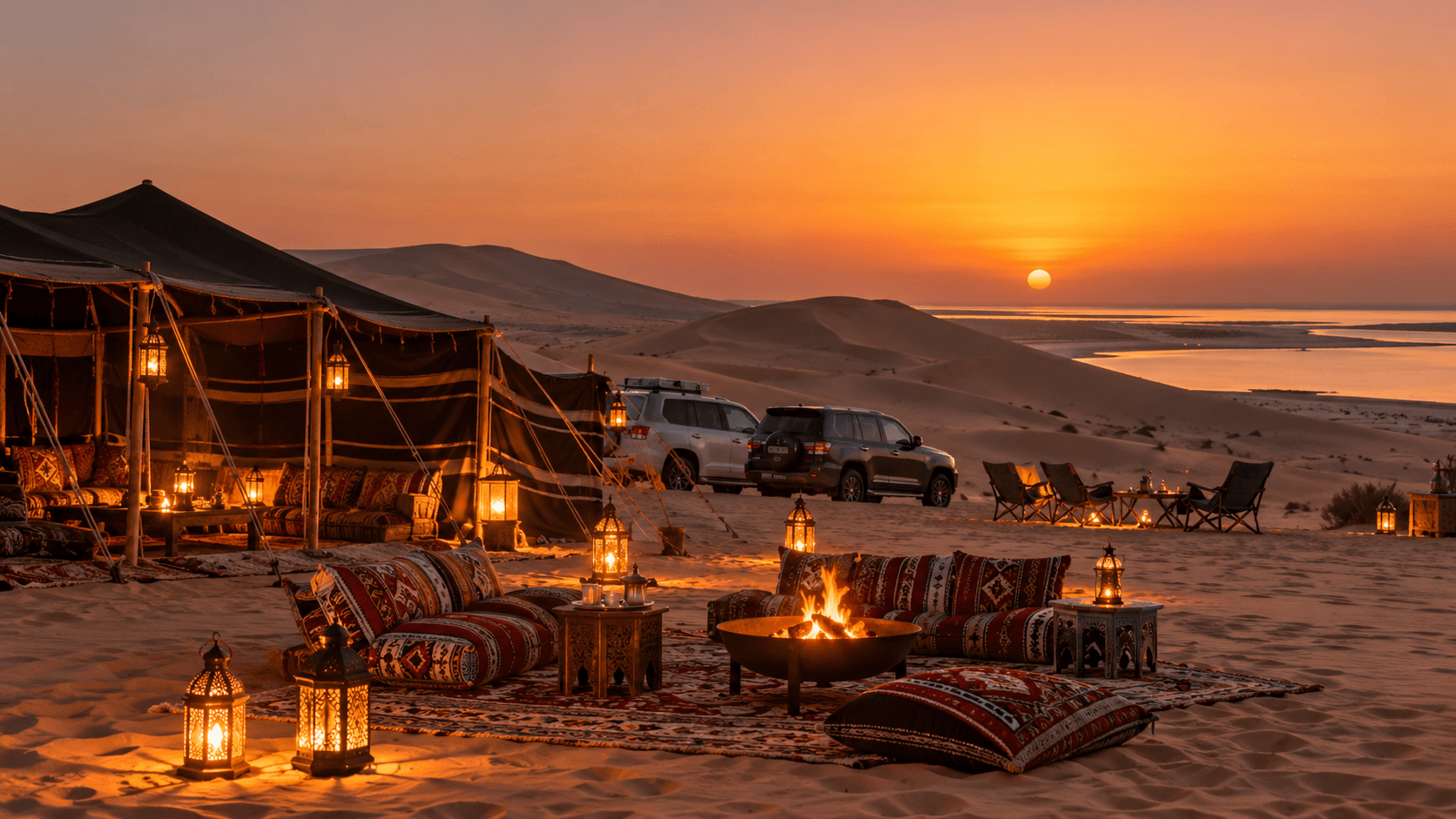
Overnight desert camping in Qatar during summer is possible, but it is not the recommended option for inexperienced campers. The short answer: choose an accessible coastal location where overnight stays are permitted, arrive close to sunset, carry a substantial water reserve and be prepared to cancel if strong winds, dust, poor visibility or extreme heat are forecast.
A managed desert camp or a sunset-to-late-evening trip is considerably safer than an independent overnight stay deep in the dunes. Done with the right experience and precautions, a summer night near Sealine can be memorable. Done carelessly, Qatar’s summer desert can be genuinely dangerous.
Here is the practical, local guide to doing it safely — including essential equipment, estimated costs in QAR, suitable locations near Doha and how to plan around the heat.
Is summer desert camping in Qatar even a good idea?
Qatar’s main hot season generally runs from June to September, although intense heat can begin in May and continue into October. During peak summer, daytime temperatures can reach 45°C or higher, while humidity can make conditions feel even hotter, particularly near the coast.
Daytime desert camping during this period is not recommended. Overnight camping is possible for experienced, well-prepared groups, but summer nights can remain hot and humid even after sunset. A coastal breeze may improve airflow, but it should never be treated as reliable air-conditioning.
The safest approach is to avoid spending the daytime hours in the dunes. Arrive close to sunset, set up at an established or easily accessible location, keep an air-conditioned vehicle available and leave shortly after dawn.
If your group includes young children, elderly relatives, pregnant women or anyone with heart, respiratory, kidney or other chronic health conditions, save the overnight desert experience for the cooler months, generally from October to April.
Best places to camp near Doha
Qatar’s south is where many residents head for desert and dune activities. However, not every beach or desert area allows overnight camping, and access conditions can change. Always confirm that camping is permitted at your chosen location before travelling.
Sealine / Mesaieed
Sealine is the classic starting point for desert trips, approximately 40–60 minutes south of central Doha by paved road.
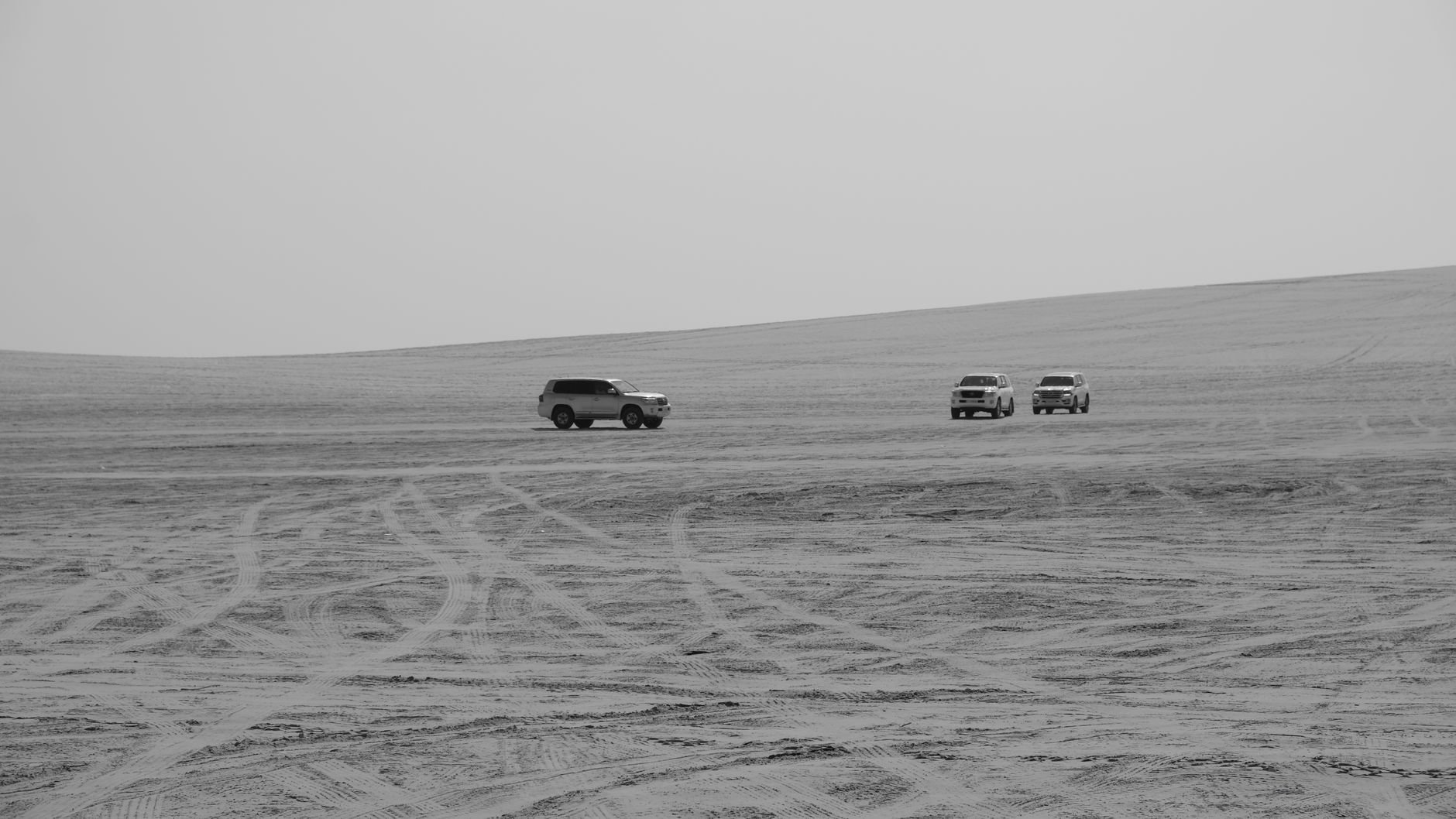
You can reach the main Sealine area in a normal vehicle, but a proper 4x4 is required once you leave the paved road and enter soft sand or the dunes. The area offers coastal access, established resorts and relatively easy access back to the main road, making it a more practical choice than travelling deep into the desert.
However, do not assume that you will always be surrounded by other vehicles. Routes and camping areas can become quiet at night, particularly during extreme weather or the hottest months.
Khor Al Adaid — the Inland Sea
Khor Al Adaid is a protected natural reserve where the desert dunes meet the sea. It is included on Qatar’s UNESCO Tentative World Heritage List, but it is not an inscribed UNESCO World Heritage Site.
There is no paved road leading directly to the Inland Sea. Reaching it requires a proper 4x4, suitable tyre pressure, desert-driving experience and recovery equipment.
It is not a place to attempt alone, particularly during summer. First-time visitors should travel with a licensed tour operator or an experienced convoy rather than attempting the route independently.
Designated southern coastal locations
Accessible coastal locations can offer better airflow and an easier route back to the main road. However, do not assume that any quiet stretch of beach is open for overnight camping.
Public beaches, protected areas and managed waterfronts may have specific access, fire, barbecue or overnight-stay restrictions. Check the latest guidance from the Ministry of Environment and Climate Change or the location operator before setting up camp.
Wherever you go, prioritise an accessible location where you can leave quickly if conditions become unsafe. A coastal breeze may make the evening more comfortable, but it is not a substitute for proper hydration, cooling and an air-conditioned vehicle.
Timing your trip: work with the heat, not against it
Arrive close to sunset
Avoid arriving at 4pm during June, July or August, as temperatures can still be dangerously high. Plan to reach an established or easily accessible location close to sunset, once the temperature has begun to fall.
Make sure you have enough daylight to check the ground, position your vehicle safely and complete the essential parts of your setup. Inexperienced groups should not enter or navigate deep dunes after dark.
Conditions improve after sunset — but may remain uncomfortable
Temperatures usually become less severe after sunset, but summer nights in Qatar can remain hot and humid. Do not assume that conditions will become comfortable after 8pm.
Check the forecasted air temperature, humidity, wind speed, visibility and apparent or “feels like” temperature before travelling.
Wake and pack at first light
Aim to pack up and leave between approximately 6am and 7am during peak summer. By 8am or 9am, direct sunlight and rising temperatures can already make packing equipment, walking on exposed sand or recovering a stuck vehicle physically demanding.
Always check the Qatar Meteorology Department forecast and any wind, dust or visibility warnings before committing to the trip. If strong winds, blowing dust, thunderstorms, poor visibility or extreme heat are expected, postpone.
A summer dust storm in an open desert area should not be treated as something to ride out inside a tent.
What to pack for a summer desert night
Summer camping equipment is very different from winter camping gear. The main risks are heat, dehydration and limited airflow rather than cold conditions.
Prioritise water, shade, ventilation, communication and a safe route back to the main road.
Water and food
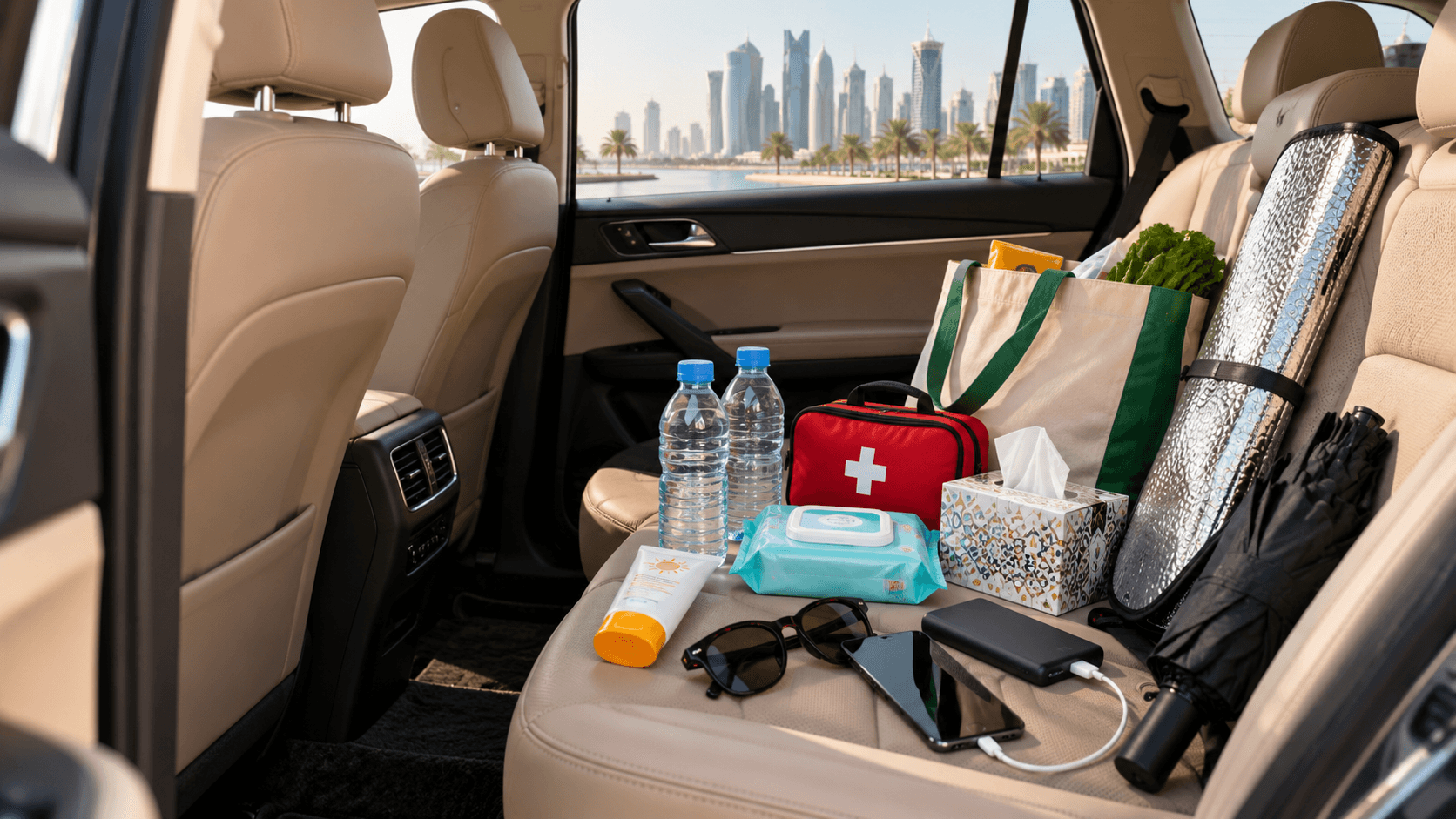
Water: For a low-activity overnight stay, 4–5 litres per adult can be used as a minimum planning estimate. However, you should carry an additional emergency reserve in the vehicle in case you become delayed or stranded.
Drink regularly rather than waiting until you feel extremely thirsty. Increase the amount carried if you plan to cook, remain longer, complete physical activities or travel with children.
Water should remain your main drink. Electrolyte drinks may help after prolonged heavy sweating, while oral rehydration salts should only be mixed and used according to their instructions.
Bring light, non-perishable food and store temperature-sensitive items in a properly insulated cool box with sufficient ice packs. Avoid foods that spoil quickly when exposed to heat.
Shelter and sleeping
Use a well-ventilated tent with large mesh panels or an open-sided shade canopy. A sealed or heavily insulated winter tent can trap heat and become dangerously uncomfortable.
A light sleeping mat and thin cover should usually be sufficient. Avoid heavy sleeping bags unless conditions specifically require one.
Carry a properly secured shade canopy or tarp in case you are still at the location after sunrise. Make sure tents, tarps and canopies are securely anchored, as desert and coastal winds can increase unexpectedly.
For peak-summer overnight stays, a managed camp with air-conditioned accommodation is substantially safer than relying only on a tent.
Safety and vehicle kit
Use a proper 4x4 if you are entering dunes or driving on soft sand. Tyres should only be deflated when necessary for sand driving and must be reinflated before returning to paved roads.
Carry:
- An air compressor
- A suitable tow rope or recovery strap
- Recovery boards
- A shovel
- A tyre-pressure gauge
- A spare tyre and basic vehicle tools
- Fully charged phones
- Power banks and charging cables
- A torch or headlamp
- A properly stocked first-aid kit
- High-SPF sunscreen
- Sunglasses
- Light, loose-fitting, long-sleeved clothing
- Closed footwear
- Rubbish bags
Do not move rocks, disturb vegetation or collect wood from desert or protected areas. Bring your own approved fuel or charcoal and follow the fire and barbecue rules for the location.
Carry out everything you bring in, including food scraps, charcoal, cans, plastic and disposable barbecue equipment.
How much does desert camping in Qatar cost?
If you already own a suitable 4x4 and camping equipment, a self-organised overnight trip can be relatively inexpensive. However, costs vary depending on the distance travelled, vehicle fuel consumption, group size and the amount of equipment required.
Self-drive overnighter with your own gear
A small group may spend approximately QAR 100–250 on fuel, water, ice, food and basic supplies.
This estimate does not include vehicle recovery, equipment purchases, repairs or emergency expenses.
Renting camping gear
Camping-equipment rental prices vary considerably and are often provided by quotation rather than through a fixed public price list.
The final amount may depend on:
- Tent and canopy size
- Number of chairs and tables
- Lighting equipment
- Cool boxes
- Delivery and collection
- Setup and dismantling
- Rental duration
- Refundable deposits
Confirm the full cost directly with the supplier before booking.
Guided overnight desert safari with camp
Basic shared camp access may start from approximately QAR 250, but this may not include transportation from Doha, dune bashing, meals or a full overnight safari.
Complete overnight packages with Doha pickup, 4x4 transportation, dune activities, meals and prepared accommodation commonly cost around QAR 800–900 or more per person. Private tours and premium camps can cost considerably more.
Always confirm exactly what the advertised price includes, particularly:
- Doha pickup and drop-off
- Dune bashing
- Meals and drinks
- Sleeping arrangements
- Air-conditioned accommodation
- Toilets and showers
- Insurance
- Cancellation conditions
For a summer trip, a reputable guided operator or managed camp is worth considering. Experienced operators understand the routes, vehicle requirements and changing desert conditions. However, no operator can eliminate the risks of extreme heat, so check the cancellation and weather policy before booking.
Staying safe in the summer heat
Heat exhaustion and heatstroke are among the main risks during a summer desert trip.
Warning signs of heat exhaustion can include:
- Headache
- Dizziness
- Weakness
- Heavy sweating
- Nausea
- Muscle cramps
- Rapid heartbeat
- Unusual tiredness
Stop activity immediately. Move the affected person into an air-conditioned vehicle or shaded area, loosen unnecessary clothing, begin cooling them and give small amounts of water if they are fully alert and able to swallow.
Confusion, fainting, collapse, seizures, severe breathing difficulty, hot skin or altered consciousness may indicate heatstroke. Heatstroke is a medical emergency.
Call 999 immediately and begin cooling the person while waiting for help. Do not force fluids on anyone who is confused, unconscious, vomiting repeatedly or unable to swallow safely.
Additional precautions include:
- Never camp alone during summer.
- Travel with a group, ideally in more than one suitable vehicle.
- Tell someone where you are going, which route you plan to take and when you expect to return.
- Share your live location while mobile coverage is available.
- Keep phones and power banks fully charged.
- Remember that mobile signal may become unreliable deep in the dunes.
- Consider carrying a satellite communication device for remote routes.
- Avoid recreational dune driving at night.
- Complete essential driving and setup before darkness.
- Do not sleep in a running vehicle in an enclosed or poorly ventilated setup.
- Never leave children, adults or pets inside a parked vehicle, even briefly.
- Check shoes, bedding and equipment before use.
- Store food securely and remove all scraps from the site.
In an emergency, dial 999 for police, ambulance or Civil Defence assistance.
A relaxed summer desert night
A safer summer desert experience does not need to involve travelling deep into the dunes.
Many residents keep the trip simple: an accessible coastal location, a secure shade canopy, an air-conditioned vehicle and a barbecue after sunset. This offers much of the atmosphere without the added risks of a remote deep-desert route.
Remain close to a clear exit route and avoid setting up in soft sand, low-lying areas or locations where the vehicle could become blocked by other campers.
Swimming should only be considered in daylight and when sea conditions are safe. Never swim alone, enter unfamiliar water after dark or go into the sea when you are exhausted, dehydrated or feeling unwell.
If a full overnight stay feels too demanding during peak summer, choose a sunset-to-late-evening trip instead. You can enjoy the dunes, sunset, barbecue and night sky before returning home to air-conditioned accommodation.
Whichever option you choose, overnight desert camping in Qatar during summer comes down to one principle: respect the heat and plan for conditions to be more difficult than expected.
Ready to head out? Find your next adventure and browse guided desert safaris in our Things to Do in Qatar section.
FAQs
Is it safe to camp overnight in the Qatar desert in summer?
Overnight camping is possible for experienced, properly equipped groups, but peak summer is not the recommended camping season.
Choose an accessible location where overnight camping is permitted, carry a substantial emergency water reserve, keep an air-conditioned vehicle available and avoid deep-desert routes unless travelling with an experienced operator.
It is not recommended for young children, elderly people or anyone with medical conditions that increase their vulnerability to heat.
Where is the best place for summer camping near Doha?
The Sealine and Mesaieed area is one of the most accessible starting points south of Doha. The main area can be reached by paved road, but a proper 4x4 is required if you enter the dunes or soft sand.
Khor Al Adaid is spectacular but remote. It requires a suitable 4x4, desert-driving experience and recovery equipment, or a guided tour with a reputable operator.
Always confirm that overnight camping is permitted at your chosen location.
How much water should I bring?
For a low-activity overnight stay, use 4–5 litres per adult as a minimum planning estimate and carry a separate emergency reserve in the vehicle.
Bring more for physical activity, cooking, longer stays, children or the possibility of becoming delayed. Drink water regularly rather than waiting until you feel very thirsty.
Do I need a 4x4 to go desert camping in Qatar?
You do not necessarily need a 4x4 to reach paved areas around Sealine or some accessible coastal locations.
However, a proper 4x4 is essential if you plan to enter soft sand, drive over dunes or travel to Khor Al Adaid. Carry an air compressor, recovery boards, a shovel and suitable recovery equipment.
Never drive a saloon or low-clearance vehicle into soft sand.
What time should I set up and pack down?
During peak summer, arrive close to sunset rather than between 4pm and 6pm. Complete essential setup while there is still enough daylight to inspect the ground and position the vehicle safely.
Wake at first light and aim to leave by approximately 6am to 7am, before direct sunlight and rising temperatures make packing physically demanding.
Can I book a guided desert camping trip instead?
Yes. A guided or managed desert camp is the safer option for visitors who are unfamiliar with Qatar’s dunes.
Basic camp products may begin at around QAR 250, but complete overnight safari packages with Doha transfers, meals, activities and accommodation commonly cost around QAR 800–900 or more per person.
Check exactly what is included before paying, as the lowest advertised price may not include transportation, meals or the full overnight experience.
---
About Qatar Living :
Since 2005, Qatar Living has been the trusted destination for everything Qatar. As the country's largest online community and marketplace, Qatar Living connects people with opportunities through jobs, property, vehicles, services, classifieds, events, local insights, and breaking news. Trusted by residents, newcomers, visitors, and businesses alike, Qatar Living brings Qatar together in one place.
Follow Qatar Living for daily updates:
Instagram - @qatarliving
X - @qatarliving
Facebook - Qatar Living
YouTube - qatarlivingofficial
Up Next
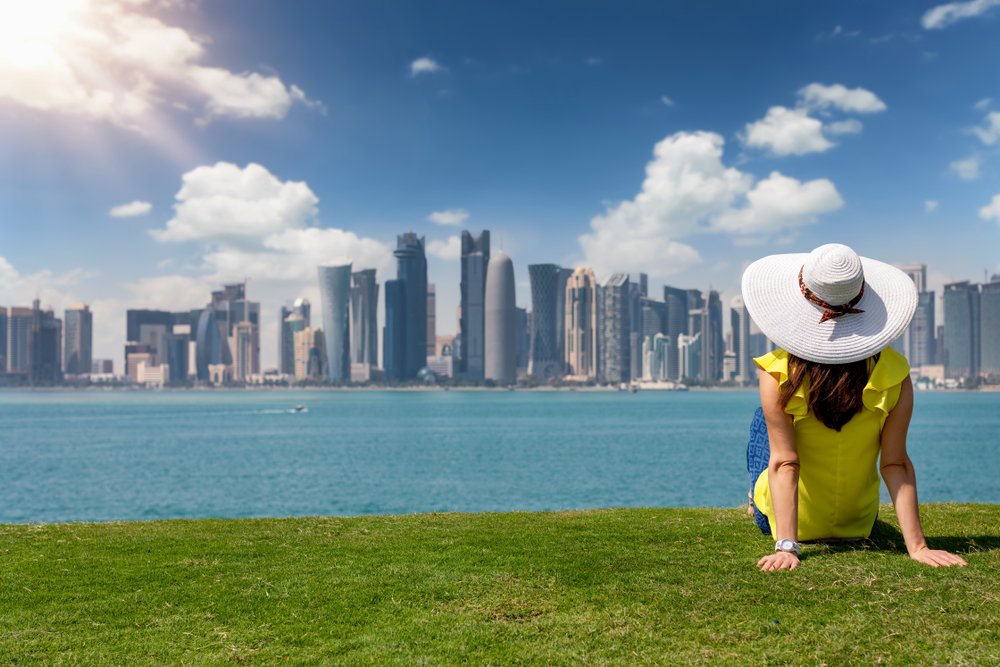
Doha Corniche Evening Walks: Times, Cafes & Street Food
Doha Corniche evening walks made easy: best times, top cafes, street food, plus Metro, taxi and parking tips for a perfect waterfront night out.
Jul 21,2026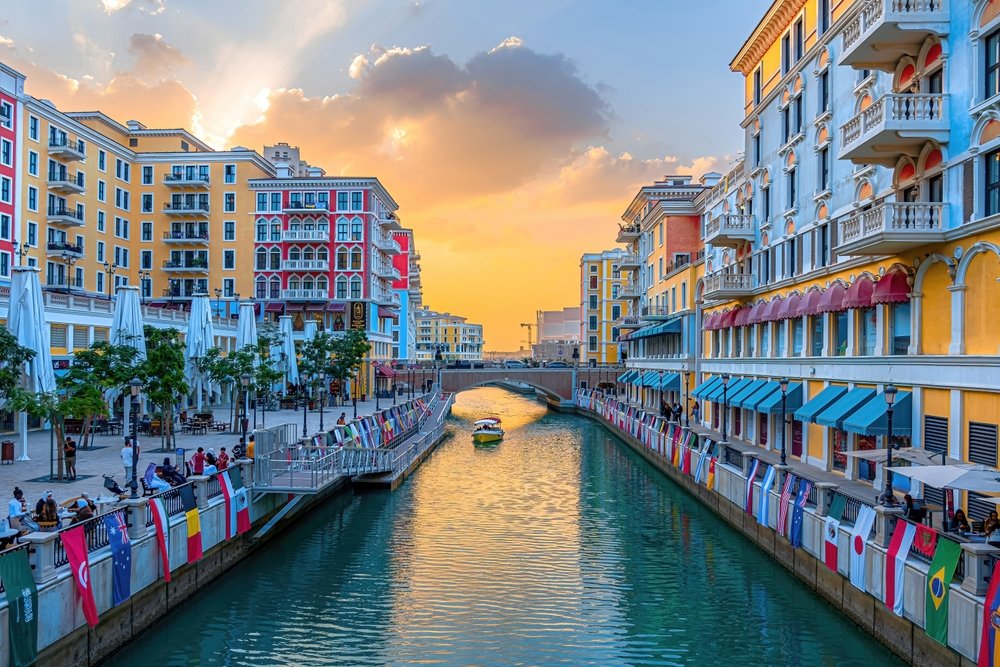
The Pearl Island Doha Summer Guide: Dining & Marina Walks
Your Pearl Island Doha summer guide: cool marina walks, waterfront dining, timings, prices in QAR and how to get there by Metro or Karwa.
Jul 21,2026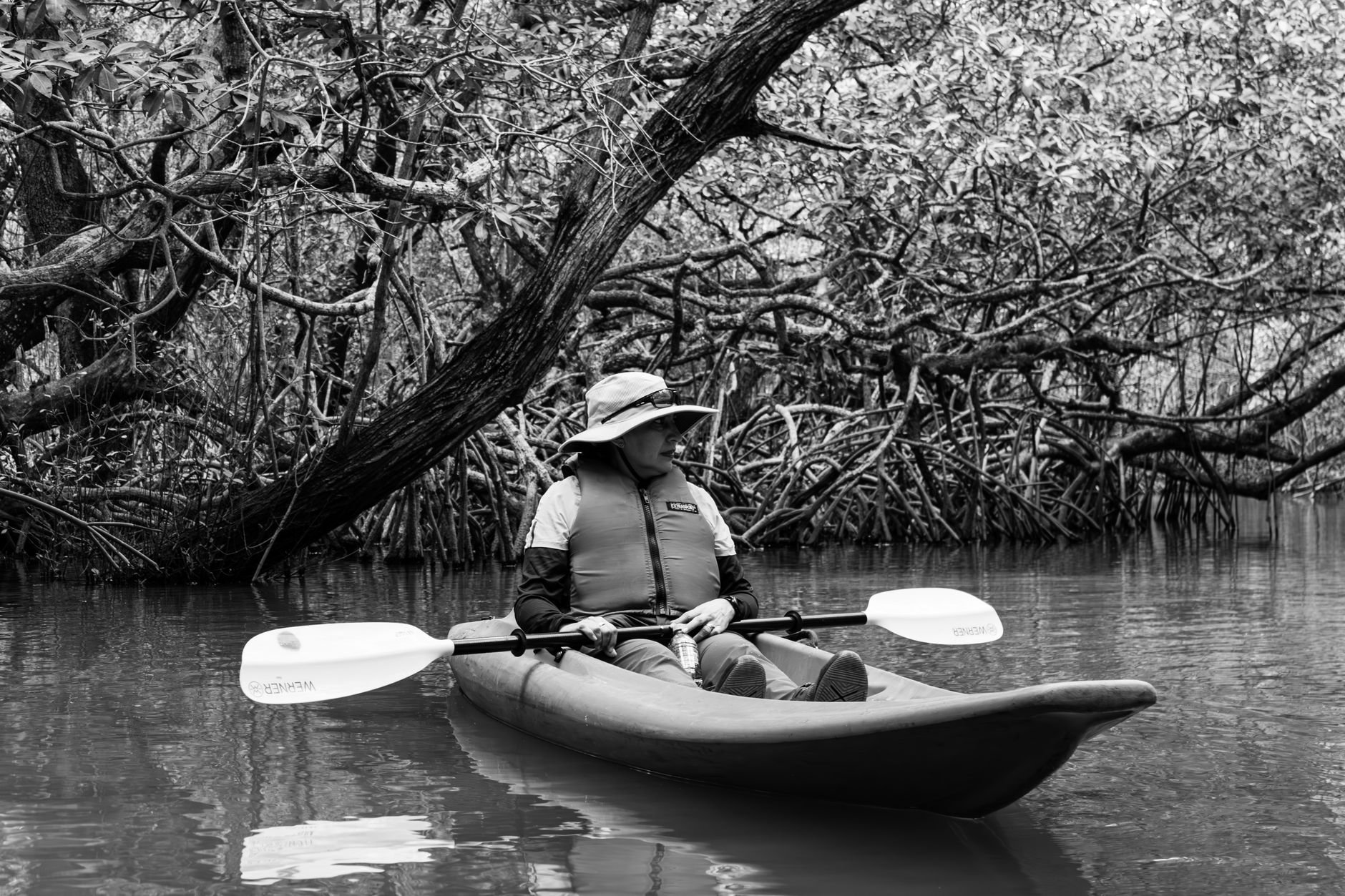
Al Thakira Mangroves Kayaking: Evening Tour Guide
Al Thakira Mangroves kayaking evening tour guide: timings, prices from QAR 195, what's included, booking steps and tips for your Al Khor sunset paddle.
Jul 21,2026
Best 5-Star Hotels in Doha for a Summer Weekend
The best 5-star hotels in Doha for a summer weekend staycation — pools, spas, brunches and QAR rates to help you pick your escape.
Jul 21,2026