Hamad Medical Corporation's (HMC) Ambulance Service, which receives about 300 calls daily, attends 80 percent of medical and trauma emergencies.
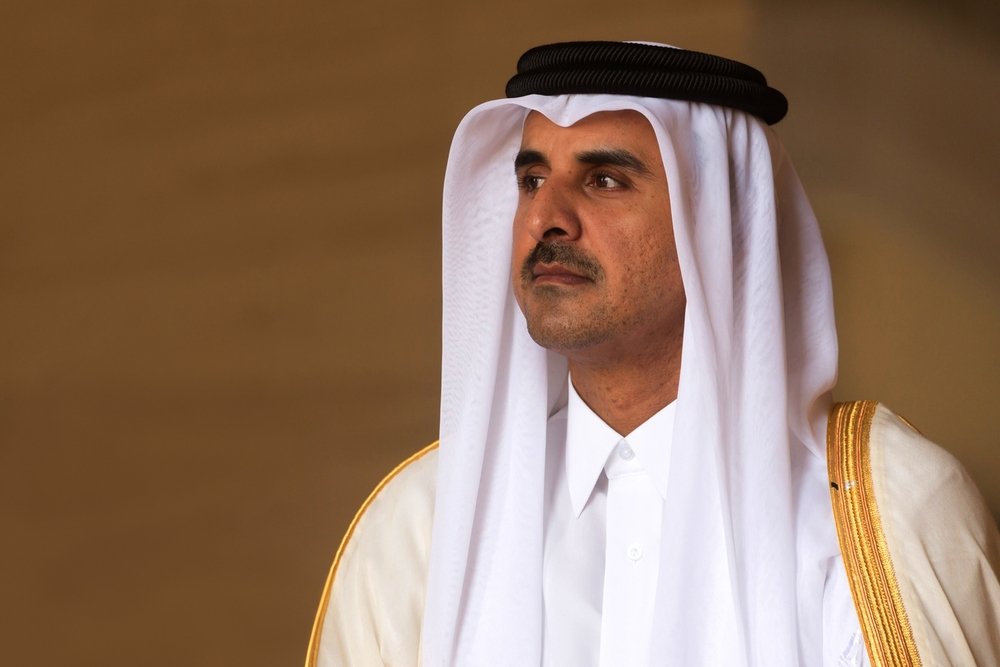
The remaining 20 percent calls are for a variety of unknown undifferentiated reasons, which need investigations to find the problem, says Brendon David Morris (pictured), Chief Operations Officer, Ambulance Service.
The average monthly emergency calls received last year was 10,312. The total number of calls received in 2013 was 89,607 and it rose to 123,750 last year.
"Among the calls we receive, 20 percent are not immediately clear what is wrong and we have to do initial investigations once we arrive. The rest of the calls can be split into trauma-related and medical emergencies. These are injuries from road accidents, those injured at work places, accidents at home and medical emergencies such as cardiac problems and other respiratory difficulties," Morris told this daily.
"Emergency calls come from an increasing number people and reflect increasing confidence in Ambulance Service and our ability to provide efficient care," he said.
Ambulance Service reaches patients at the average response time of eight minutes. However, the response time is not the only important indicator to analyse the efficiency of Ambulance Service, said Morris.
"We get to people in Doha within 10 minutes at 84 percent of the time. Outside Doha it is 98 percent in less than 15 minutes, so the average response time is eight minutes," said Morris.
"The response time is not the only thing that is important to be considered. What is also important to consider is the quality of care provided when we arrive and the quality of advice given over the telephone until paramedics arrive," he added.
More than 1,000 people are working in Ambulance Service. There are about 70 ambulances operating daily, depending on the day of the week and the number is decided through a system. [Read more on The Peninsula]