Qatar gets abundant sunshine throughout the year and if plans go right, it could soon help power the country’s march to the future.
Qatar General Electricity and Water Corporation (Kahramaa) president Essa bin Hilal Al Kuwari said that the country was working on an ambitious plan to transform all houses in Qatar into production hubs of renewable energy, according to Gulf Times.
The vision entails installation of solar panels on rooftops of houses across Qatar, which could serve as a radical step to boost the solar energy production and thereby reduce the dependence on conventionally produced electricity.
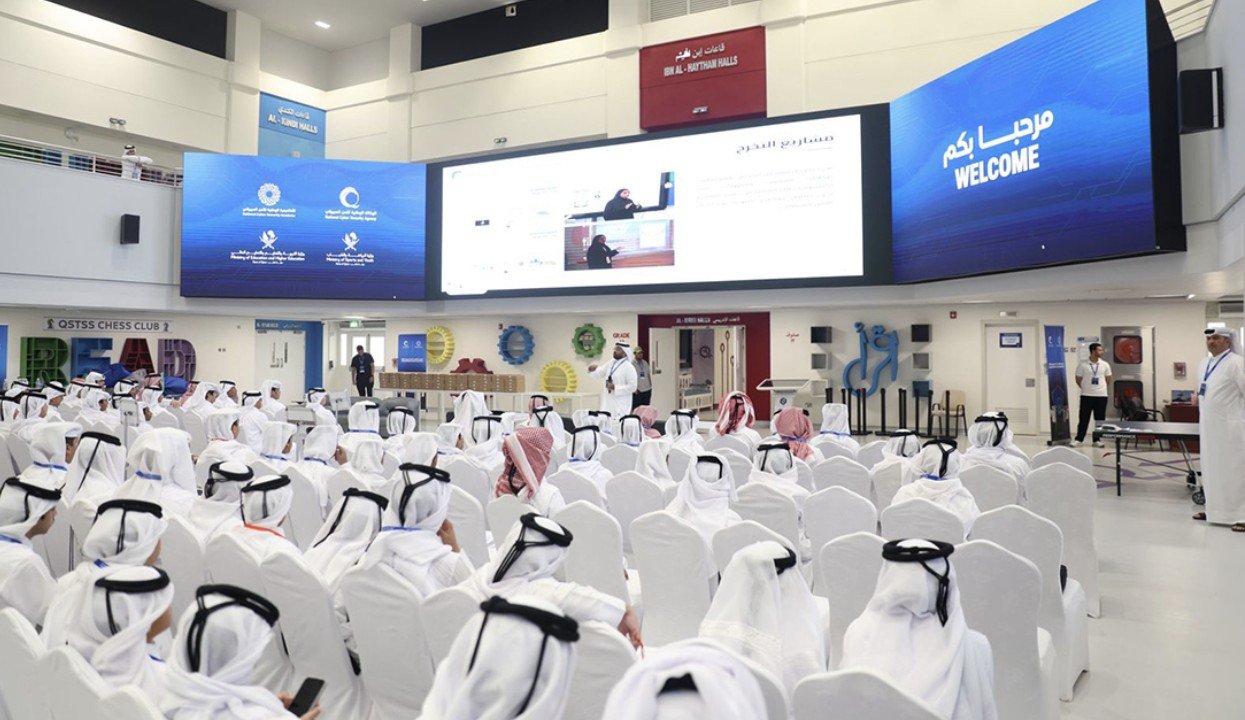
“There’s also a project to produce around 500MW of electricity through solar power,” Al Kuwari said, while speaking at the Second Forum for Creativity and Innovation, organised by Kahramaa at Kahramaa Awareness Park.
He said solar power was currently being used to desalinate ground water, but the cost continued to be a huge challenge.
“Kahramaa is currently working on using solar power to desalinate ground water for using the same for agriculture but the high cost is the real challenge. However, if the idea worked out commercially, it’ll reflect positively on food production in the country,” he said.
The top official said that Qatar’s electricity and water supply hadn’t been affected by the illegal siege by GCC neighbours in any way.
“Kahramaa was able to tackle the siege thanks to our strategic inventory as well as flexibility in offering tenders and moving to alternative markets in a very short time. We’re planning to sign contracts with new countries to compensate for the besieging Gulf markets,” he was quoted as saying by The Peninsula.
He added that the Gulf electric linkage agreements are ongoing and weren’t affected by the siege.
He pointed out that Qatar had reached a record in reducing pipe water leakage to a mere 4% due to the use of Smart Code, which detects the points of leakage in the water pipes accurately so as to be sealed. This achievement makes Qatar on par with Japan and Singapore in this area. Earlier, the percentage of such leakage amounted to 30-40%.