For the last six months, Qatar has been subjected to an illegal blockade by four neighbouring Arab nations.
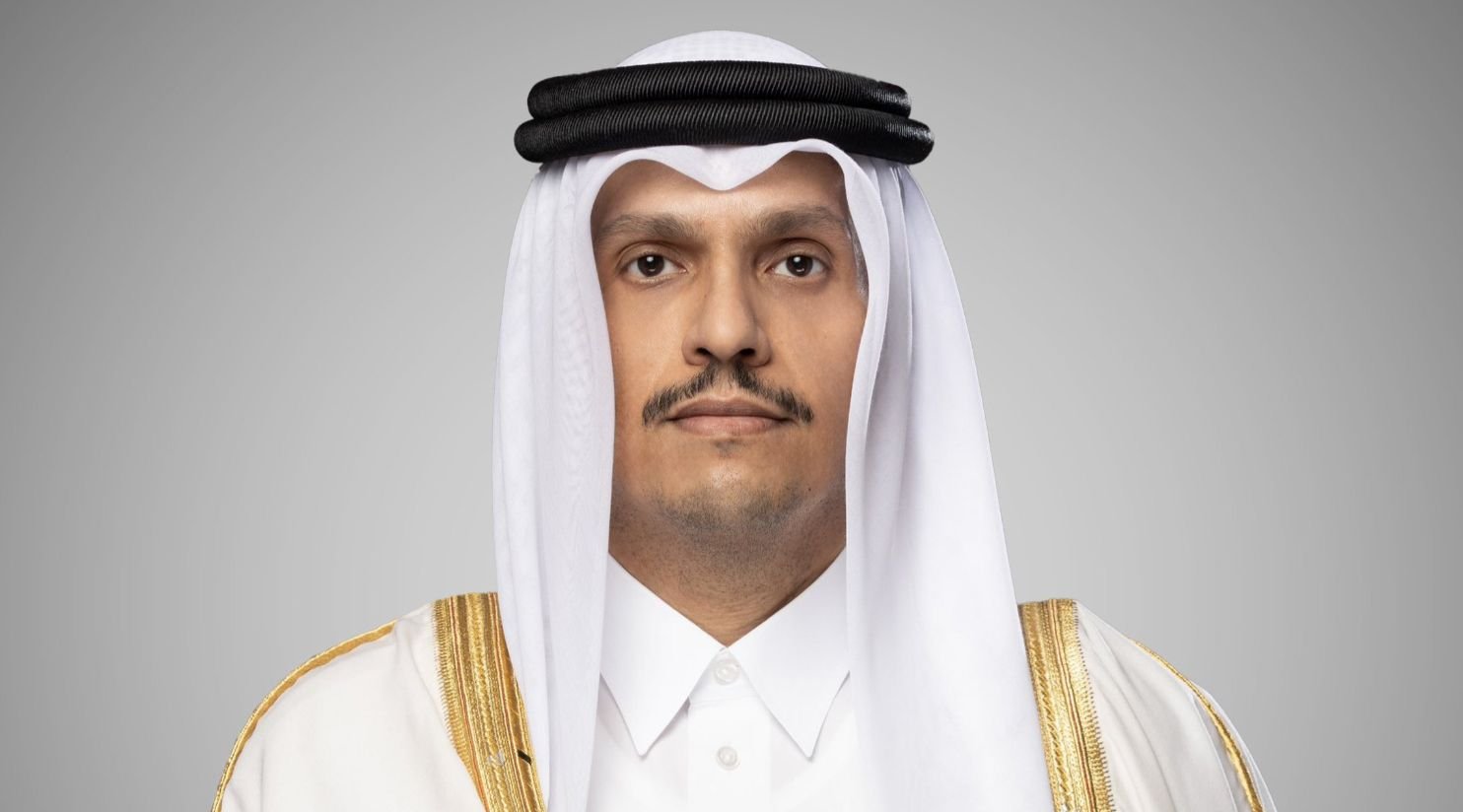
Qatar’s Foreign Minister and Deputy Prime Minister HE Sheikh Mohamed bin Abdulrahman Al Thani said the regional power game that is being played in the region was leading to a state of polarisation, which has created a proxy war and given some countries the excuse to interfere in the internal affairs of other countries, according to Gulf Times.
While speaking at the Rome 2017 MED conference, Sheikh Mohamed said Qatar had some differences with other Gulf states but those were never at a level of a security threat.
“This has been the guiding principle with our relationship with other GCC countries,” he said.
Referring to the GCC crisis, Sheikh Mohamed said: “We see that the blockade and this crisis as an obstacle to the collective effort to ensure that security covers the whole region and that the instability factor is not used by the power players.”
Meanwhile the conference, which was expected to find positives amidst all the negativity, only managed to add to the sense of gloom and doom, reported Reuters.
“There is a lack of wisdom in the region, with ‘no hope’ on hand for ordinary people hoping for an end to years of conflict, upheaval and sectarianism. Maybe I’ve presented a dark picture, but it isn’t as dark as I’ve explained, it’s darker,” Reuters quoted Sheikh Mohamed as saying.
Earlier, the foreign ministers of both Iran and Saudi Arabia addressed the conference and traded barbs against one another.
“Since 1979, the Iranians have literally got away with murder in our region, and this has to stop,” Saudi Foreign Minister Adel Al Jubeir said on Friday, accusing Tehran of interfering in the affairs of numerous Arab states, including Syria, Yemen and Lebanon.
A day earlier, on the same stage, Iranian Foreign Minister Mohammad Javad Zarif accused Saudi Arabia of blocking ceasefire efforts in Syria, ‘suffocating’ Qatar, destabilising Lebanon and supporting Islamic State.
Meanwhile, Sheikh Mohamed told Al Jazeera that ‘no country has the right to impose any demands on any other sovereign state,’ according to Qatar Tribune.
“If they’ve concerns, they’re welcome to discuss their concerns. Other than that, no sovereign nation can accept demands imposed by others," he told Al Jazeera on the sidelines of the conference.
The event, organised by Italy, was attended by 45 heads of state, ministers and business leaders.