Qatar Targets Sustainable Food Production as Self-Sufficiency Reaches 99% for Fresh Poultry and Dairy
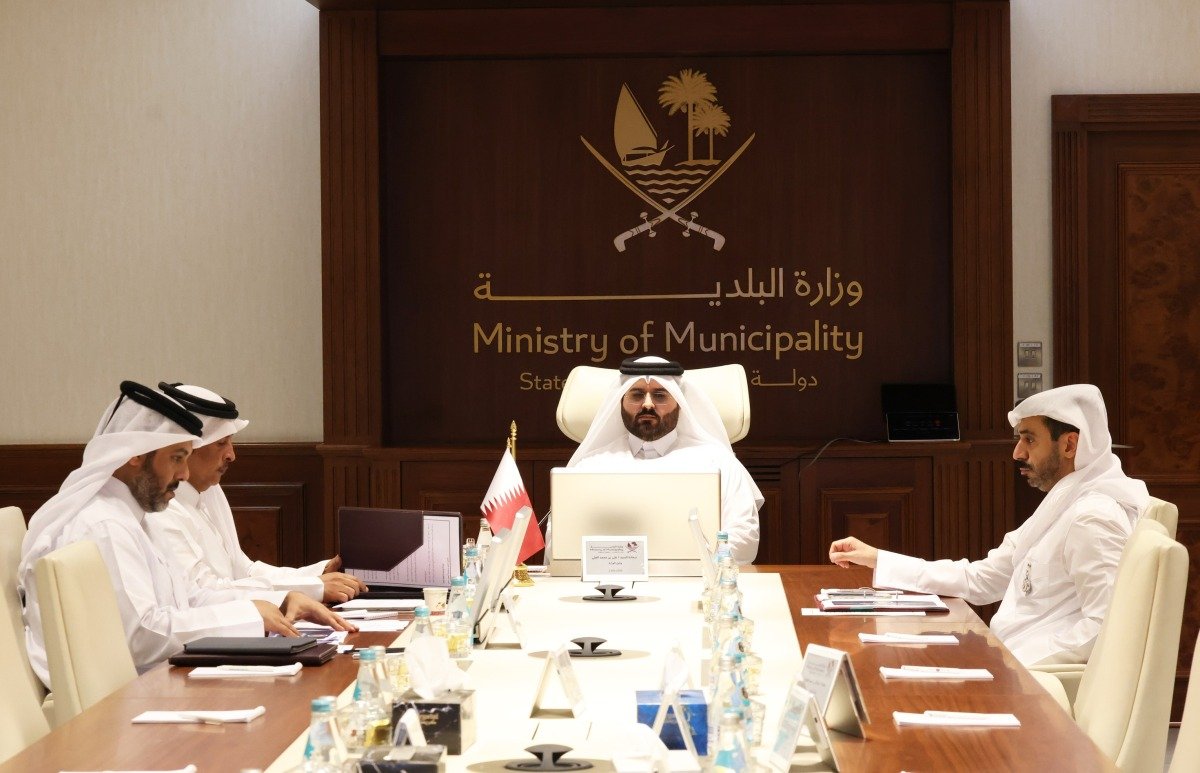
The Ministry of Municipality reaffirmed its continuing commitment to strengthening food security in Qatar by adopting bio-based farming practices and expanding the application of sustainable agricultural technologies, helping improve the quality of local production, preserve natural resources and reduce environmental impacts. In a statement marking World Food Day, observed annually on 16 October, the ministry reviewed its leading efforts to develop more sustainable and efficient food production systems and promote innovation in the agricultural sector, supporting the objectives of Qatar's National Food Security Strategy 2030.
Self-sufficiency indicators for 2025 showed the strength of local production, with rates reaching 99 per cent for both fresh poultry and milk and dairy products, 67 per cent for fresh fish and 47 per cent for basic vegetables.
State efforts to develop a safe and sustainable production system include establishing 96 hectares of cooled, more sustainable greenhouses and targeting a 30 per cent increase in productivity. They also include developing fish-farming technologies, applying modern and smart irrigation systems, expanding the use of alternative energy and strengthening plant and animal biosecurity. Qatar is also continuing efforts to strengthen the resilience of its food system through initiatives that include digital management of strategic reserves, developing early-warning systems for supply-chain disruptions and investing in green food production and refrigerated supply networks.
These initiatives also include launching a national programme to reduce food loss and waste and developing digital platforms for licensing and project monitoring.
As part of field trials and support for scientific research, the ministry's Plant Research Section within the Agricultural Research Department tested bio-based farming techniques using mycorrhizal fungi. The results showed a 10 per cent improvement in plant growth and crop productivity compared with conventional farming, alongside improved soil properties and reduced reliance on chemical inputs.
The ministry said integrating bio-based farming principles with modern techniques, such as protected, hydroponic and vertical farming, helps improve the efficient use of water and other resources and reduce waste. This strengthens local farms' ability to adapt to climate challenges and the desert climate, opening broader prospects for developing a more resilient and sustainable agricultural sector. The Ministry of Municipality concluded its statement by stressing that food security depends not only on increasing production but also on adopting responsible farming practices that protect natural resources and meet the needs of present and future generations.
Source: QNA
--
About Qatar Living:
Since 2005, Qatar Living has been the trusted destination for everything Qatar. As the country's largest online community and marketplace, Qatar Living connects people with opportunities through jobs, property, vehicles, services, classifieds, events, local insights, and breaking news. Trusted by residents, newcomers, visitors, and businesses alike, Qatar Living brings Qatar together in one place.
Instagram - @qatarliving
X - @qatarliving
Facebook - Qatar Living
YouTube - qatarlivingofficial
Up Next

Qatar strengthens financial access for people with disabilities and elderly customers
Qatar Central Bank issues new rules to improve financial access for people with disabilities and the elderly, advancing financial inclusion in Qatar.
Oct 7,2026