During the World Innovation Summit for Health (WISH) 2020, Her Excellency Sheikha Hind bint Hamad Al Thani, Vice-Chairperson and CEO of Qatar Foundation expressed the need for creating a less anxious future for children in Qatar.
The virtual summit assessed the role of education systems in effectively integrating health into education and exploring missed opportunities that can maximize the overall wellbeing of students.
“Mental health is a critical subject that is missing in our education systems, but I don’t believe adding it to school assignments or looking at it as a metric to improve school performance will solve the issue,” Her Excellency Sheikha Hind told the discussion. “We need to take a step back and look at health as an integral component of living a fulfilled life.
“The first step becomes identifying how schools themselves are contributing to the mental health crisis – what is the effect on children of regular exams, of bullying, of competitive sport? We should take an honest look at how we, as institutions, can help to relieve that stress, because if we are going to tackle student wellbeing, we need to be serious about creating a less anxious future.”

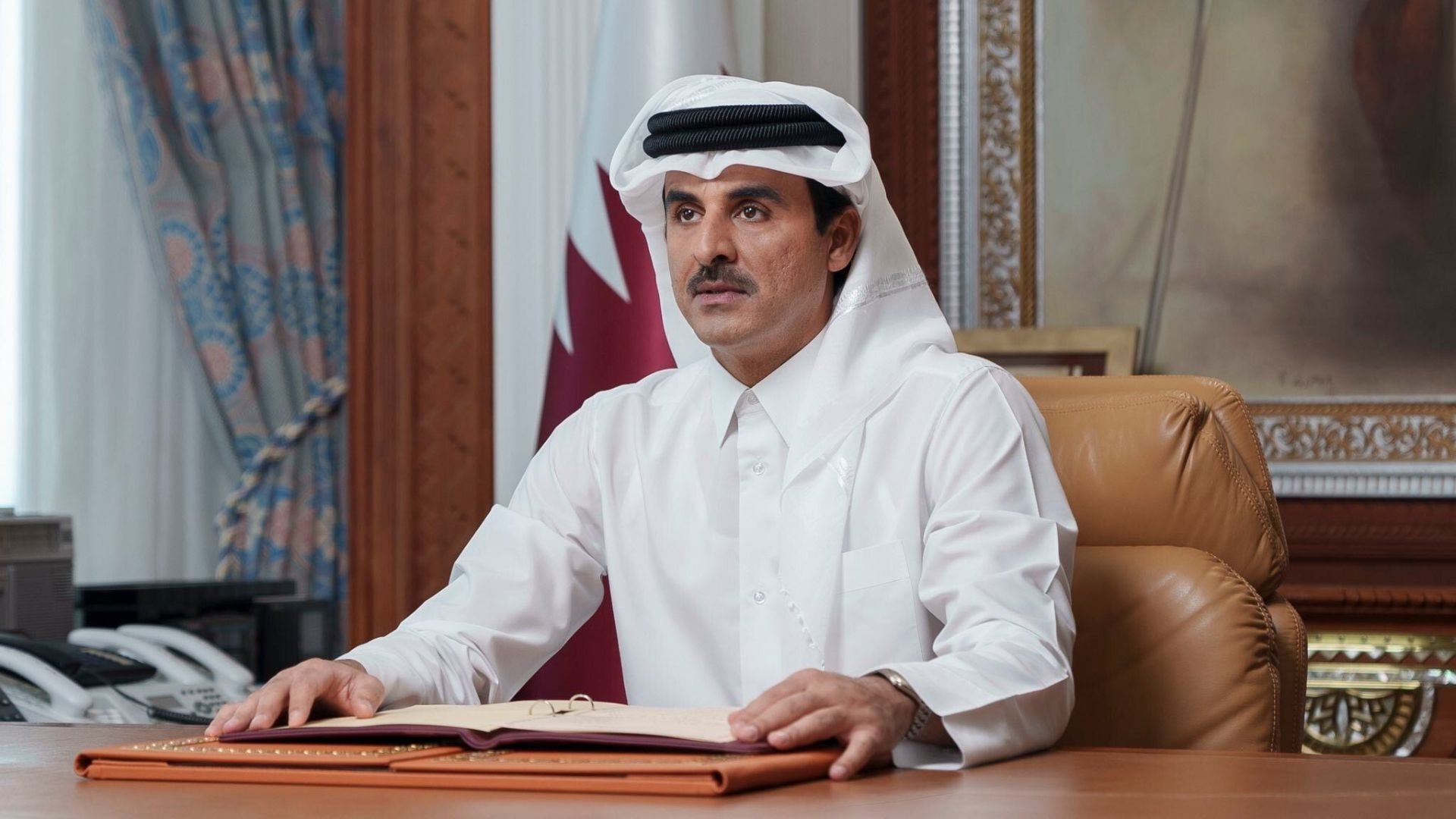
Her Excellency Sheikha Hind bint Hamad Al Thani, Vice-Chairperson and CEO of Qatar Foundation
Her Excellency Sheikha Hind explained that one of the key elements of integrating health and education is teaching students “the know-how of wellbeing”, saying: “What are the physiological requisites that make mental wellbeing even possible, because half of the solution lies in asking the right questions.
She believes that often children are not provided with the right words to express themselves or their feelings. In doing so, it will empower students and enable others to provide them the tools required to grow in a safe, healthy, and nurturing environment.
HRH The Countess of Wessex, who is Patron of Vision 2020: The Right To Sight and Global Ambassador for the International Agency for the Prevention of Blindness, explained that she has seen first-hand “the effect that early intervention can have on preventing young eyes losing sight”.
She explained that the last two decades have seen tremendous progress in creating opportunities for children to learn about the importance of eye care, and the need to detect problems so that they can be treated and managed effectively.
Moreover, she pointed out that teachers and schools have an active role in spreading these kinds of messages and interventions. Children need to be taught that poor eyesight should not be ignored and that glasses are good for their precious eyes.
The virtual summit also featured Dr. Matshidiso Moeti, the World Health Organization’s Regional Director for Africa; Justin Van Fleet, President of global children’s charity Theirworld; and Professor Russell Viner, a Professor in Adolescent Health at University College London, who said, “The key is a new vision for education that recognizes it is not just about producing productive workers and wealth, but also about producing health, happiness, and wellbeing.”
WISH is dedicated to capturing and disseminating the best evidence-based ideas and practices in healthcare, with the goal of creating a healthier world through global collaboration. The virtual WISH 2020, held under the theme One World Our Health, has featured more than 100 sessions and 300 global speakers focusing on how to address the world’s most pressing health challenges.
For more information on Qatar Foundation’s initiatives, please visit qf.org.qa
---
Make sure to check out our social media to keep track of the latest content.
Instagram - @qatarliving
Twitter - @qatarliving
Facebook - Qatar Living
YouTube - qatarlivingofficial