Sidra Medicine administers Qatar’s first Itvisma gene therapy for spinal muscular atrophy
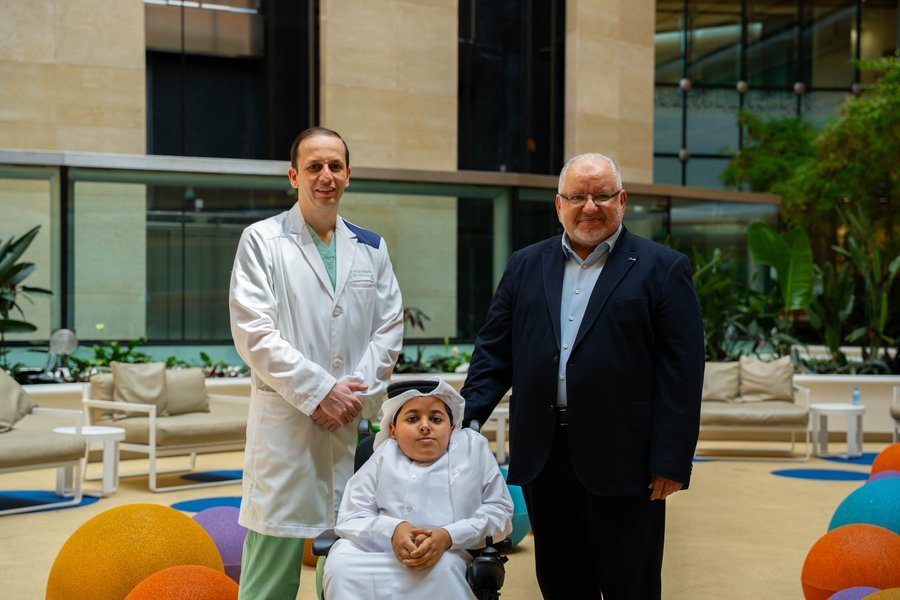
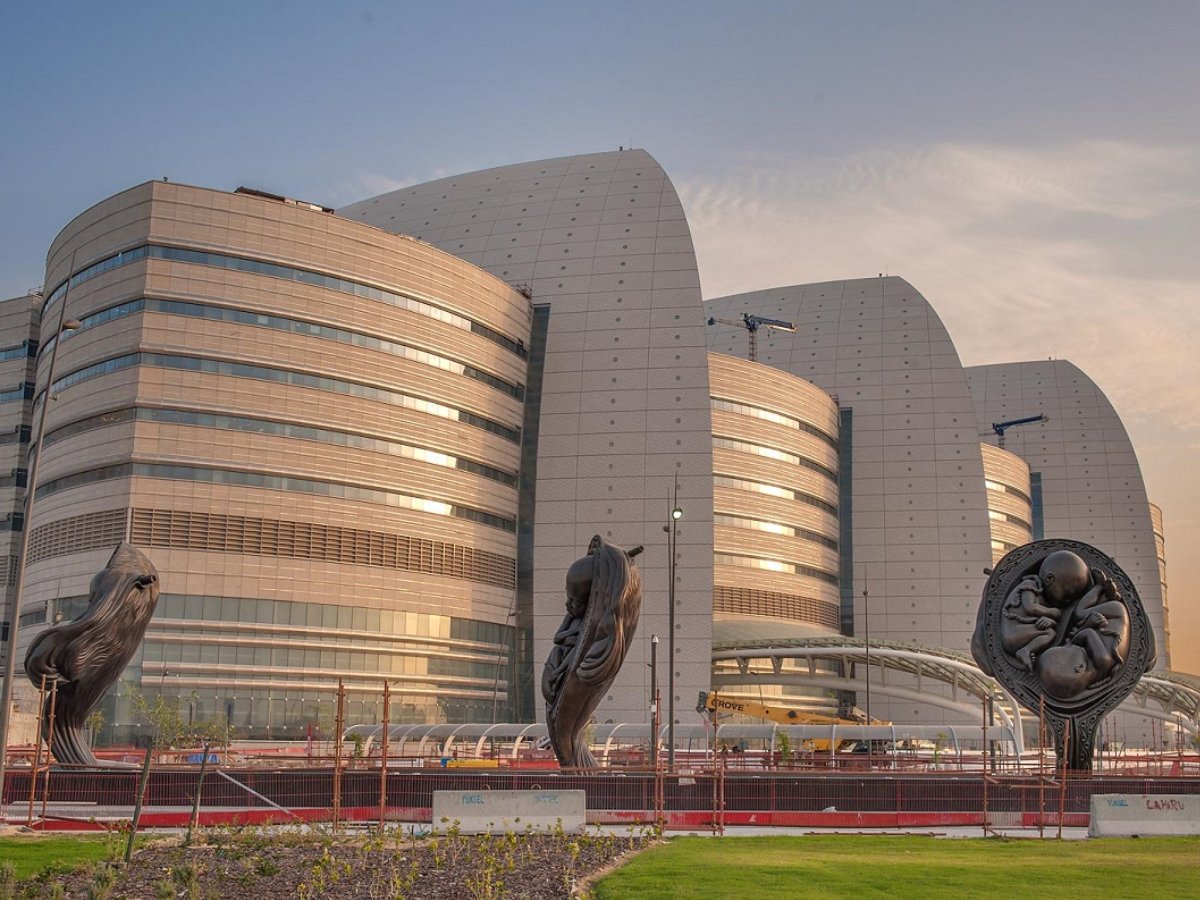
Sidra Medicine has become the first hospital in Qatar to administer Itvisma, an advanced one-time gene replacement therapy for spinal muscular atrophy.
The treatment was delivered to a 13-year-old patient living with the rare genetic condition. The milestone also makes Qatar the third country in the world to administer Itvisma, according to Sidra Medicine.
Qatar expands access to advanced gene therapy
The introduction of Itvisma in Qatar allows eligible patients to receive the specialised treatment locally rather than travelling abroad.
Professor Ibrahim Janahi, Chief Medical Officer at Sidra Medicine, described the first administration as an important milestone for the hospital and the future of rare-disease care in Qatar.
He said Sidra Medicine’s priority is to give eligible patients access to advanced therapies closer to home through a coordinated pathway that supports them before, during and long after treatment.
What is spinal muscular atrophy?
Spinal muscular atrophy, commonly known as SMA, is a rare genetic neuromuscular disease that causes progressive muscle weakness.
The condition is caused by a missing or non-functioning survival motor neuron 1 gene, known as SMN1. Without a functioning copy of the gene, the body cannot produce enough survival motor neuron protein, which is essential for the survival of motor neurons and normal muscle function.
Motor neurons control important movements such as sitting, walking, swallowing and breathing. When these cells deteriorate, patients can experience increasing muscle weakness and reduced physical function.
How does Itvisma work?
Itvisma is a gene replacement therapy designed to address the underlying genetic cause of SMA rather than only managing its symptoms.
The treatment uses a modified viral vector to deliver a functional copy of the human SMN1 gene. This allows the body to produce the SMN protein needed to support motor-neuron survival and function.
Itvisma is administered once through an intrathecal injection, meaning the treatment is delivered into the fluid surrounding the spinal cord.
At Sidra Medicine, the therapy was administered under image guidance by the hospital’s interventional radiology team, allowing specialists to guide the needle accurately and deliver the treatment into the spinal canal.
Multidisciplinary team supports the treatment
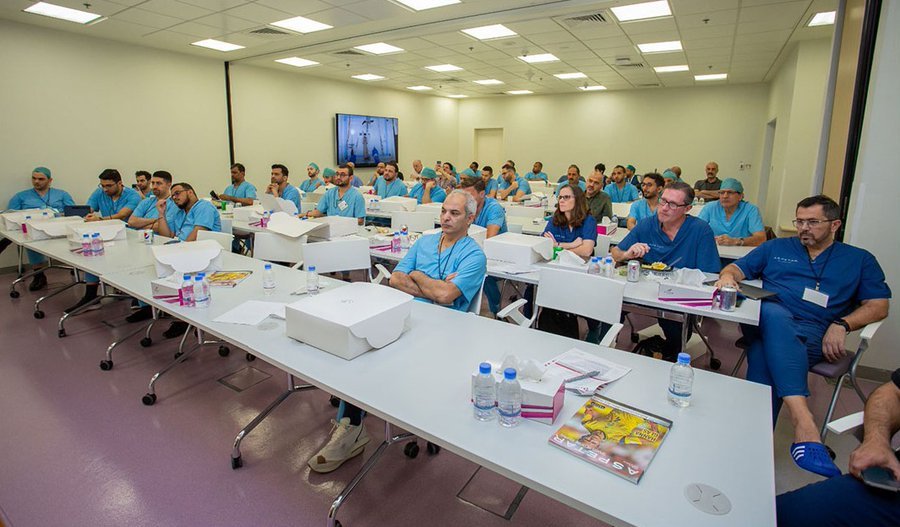
The first administration followed several months of preparation involving specialists from multiple departments at Sidra Medicine.
The care team included experts in genetics and genomic medicine, neurology, interventional radiology, pharmacy, anaesthesiology, intensive care, pulmonology, physiotherapy, endocrinology, nursing and orthopaedic spine services.
Their work covered patient selection, clinical and genetic assessment, treatment planning, procedural delivery and long-term follow-up.
Who is eligible for Itvisma?
Itvisma is not automatically suitable for every person living with SMA.
Eligibility is determined through a comprehensive clinical and genetic assessment conducted by an experienced multidisciplinary team. The therapy is registered with Qatar’s Ministry of Public Health, allowing qualifying patients to receive it within the country.
The treatment is designed for patients with a confirmed mutation in the SMN1 gene. Although it is administered as a single dose, patients still require ongoing medical monitoring and multidisciplinary care after treatment.
Important monitoring remains necessary
One-time administration does not mean that follow-up care ends after the procedure.
Official prescribing information states that Itvisma can carry serious risks, including liver injury, reduced platelet counts and other complications. Patients require specialist supervision, blood tests and continued monitoring before and after treatment.
Treatment decisions should therefore be made only by qualified medical teams after evaluating the patient’s condition, medical history and genetic results.
Strengthening rare-disease care in Qatar
Sidra Medicine established its Gene Therapy Center for paediatric rare diseases in 2025, with programmes focused on conditions including spinal muscular atrophy and Duchenne muscular dystrophy.
The introduction of Itvisma builds on that work by expanding the advanced therapies available to patients with rare genetic conditions in Qatar.
By bringing the treatment into the country, Sidra Medicine aims to reduce the need for families to seek care overseas while providing patients with coordinated assessment, treatment and long-term support close to home.
---
About Qatar Living :
Since 2005, Qatar Living has been the trusted destination for everything Qatar. As the country's largest online community and marketplace, Qatar Living connects people with opportunities through jobs, property, vehicles, services, classifieds, events, local insights, and breaking news. Trusted by residents, newcomers, visitors, and businesses alike, Qatar Living brings Qatar together in one place.
Follow Qatar Living for daily updates:
Instagram - @qatarliving
X - @qatarliving
Facebook - Qatar Living
YouTube - qatarlivingofficial
Up Next

Qatar University develops smart, non-invasive AI device to check blood sugar levels
Qatar University unveils GlucoWatch, a smart AI-powered wearable for non-invasive blood sugar monitoring, offering a painless alternative to finger-prick tests.
Jul 28,2026
National Cyber Security Agency Launches Third Summer Youth Camp
National Cyber Security Agency launches its third Summer Youth Camp in Qatar, empowering 400 students with hands-on cybersecurity skills and training.
Jul 26,2026
Qatar opens applications for Nuclear Engineering overseas scholarship programme
Qatar opens applications for its Nuclear Engineering overseas scholarship for 2026–2027, offering financial benefits and career opportunities.
Jul 23,2026
Decoding sun protection from SPF numbers to UV wavelengths
Learn how SPF numbers and UV wavelengths impact sun protection, skin health, and cancer risk in the GCC’s extreme UV Index conditions.
Jul 21,2026