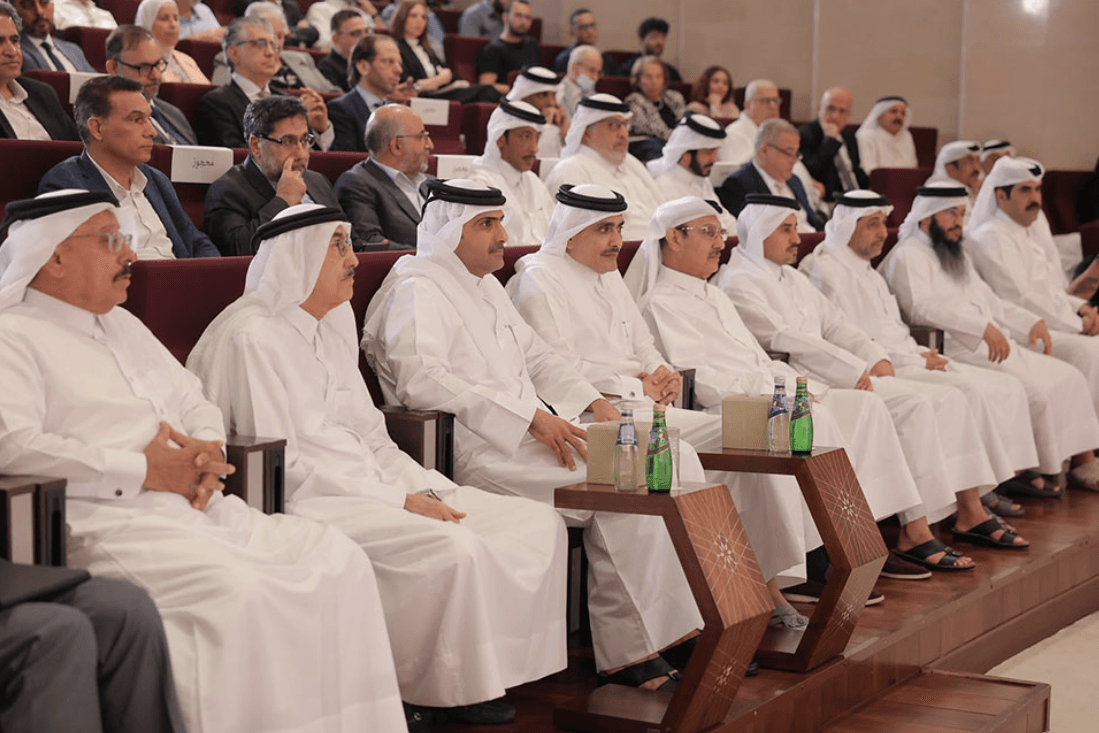
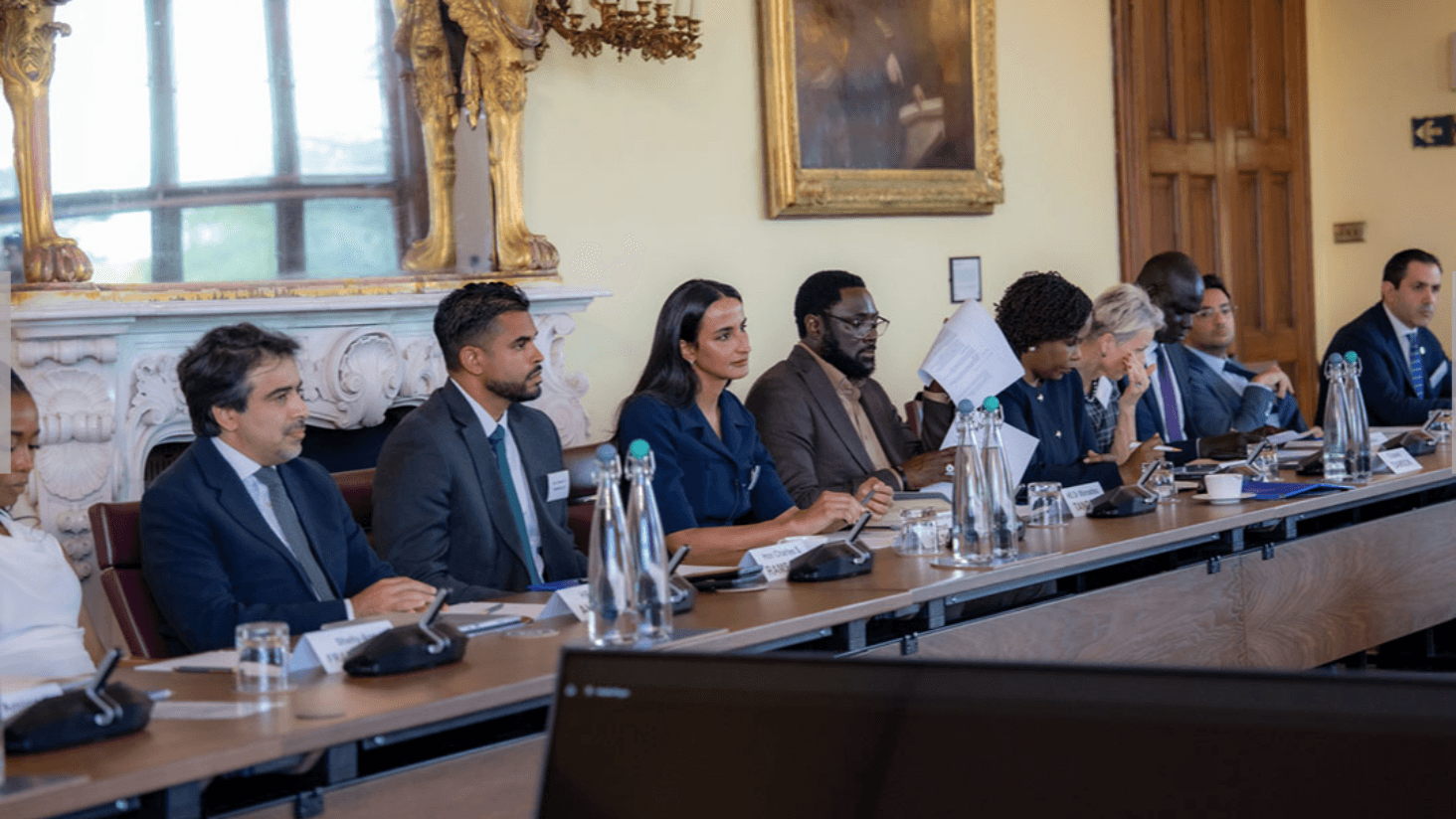
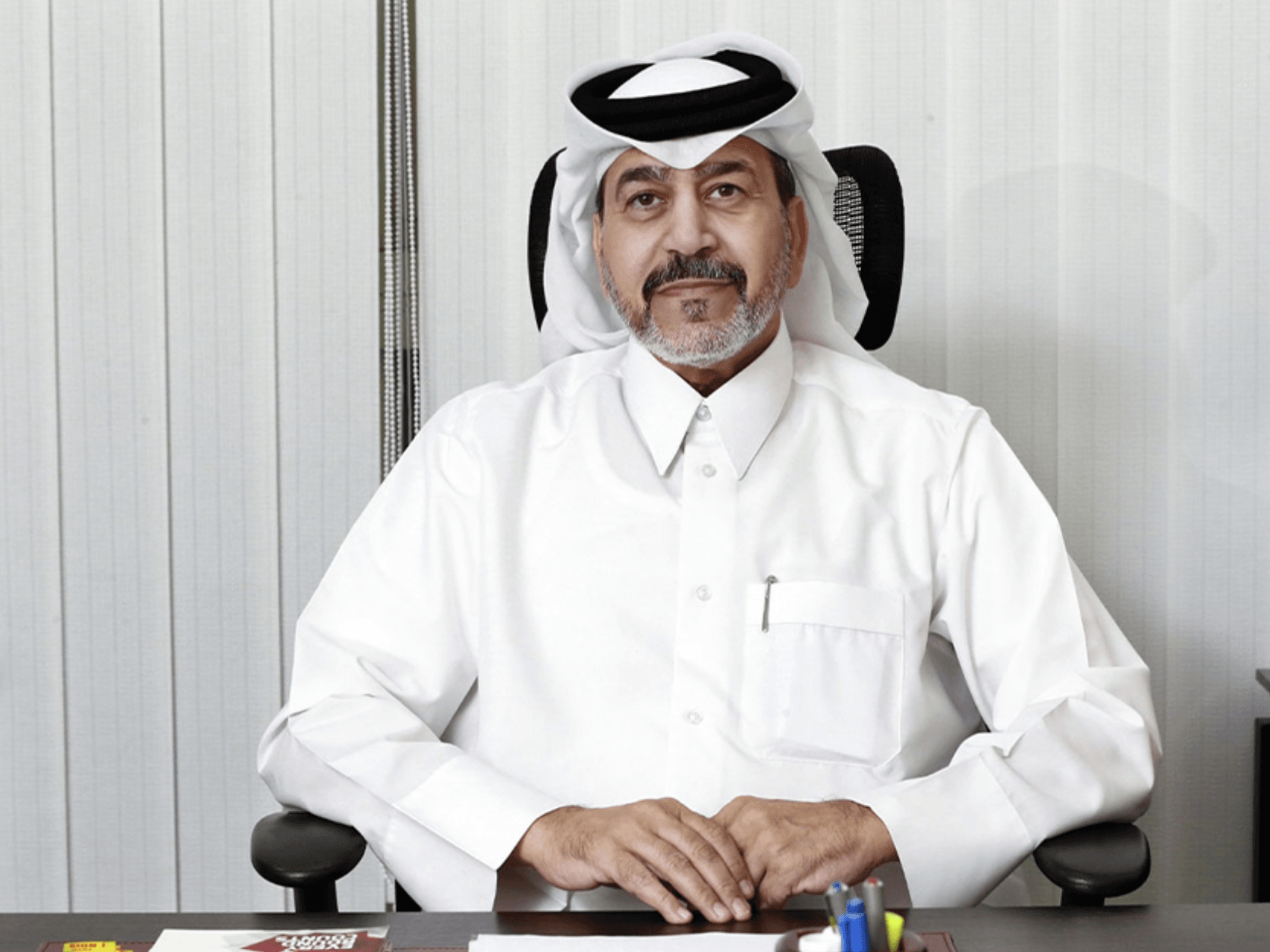
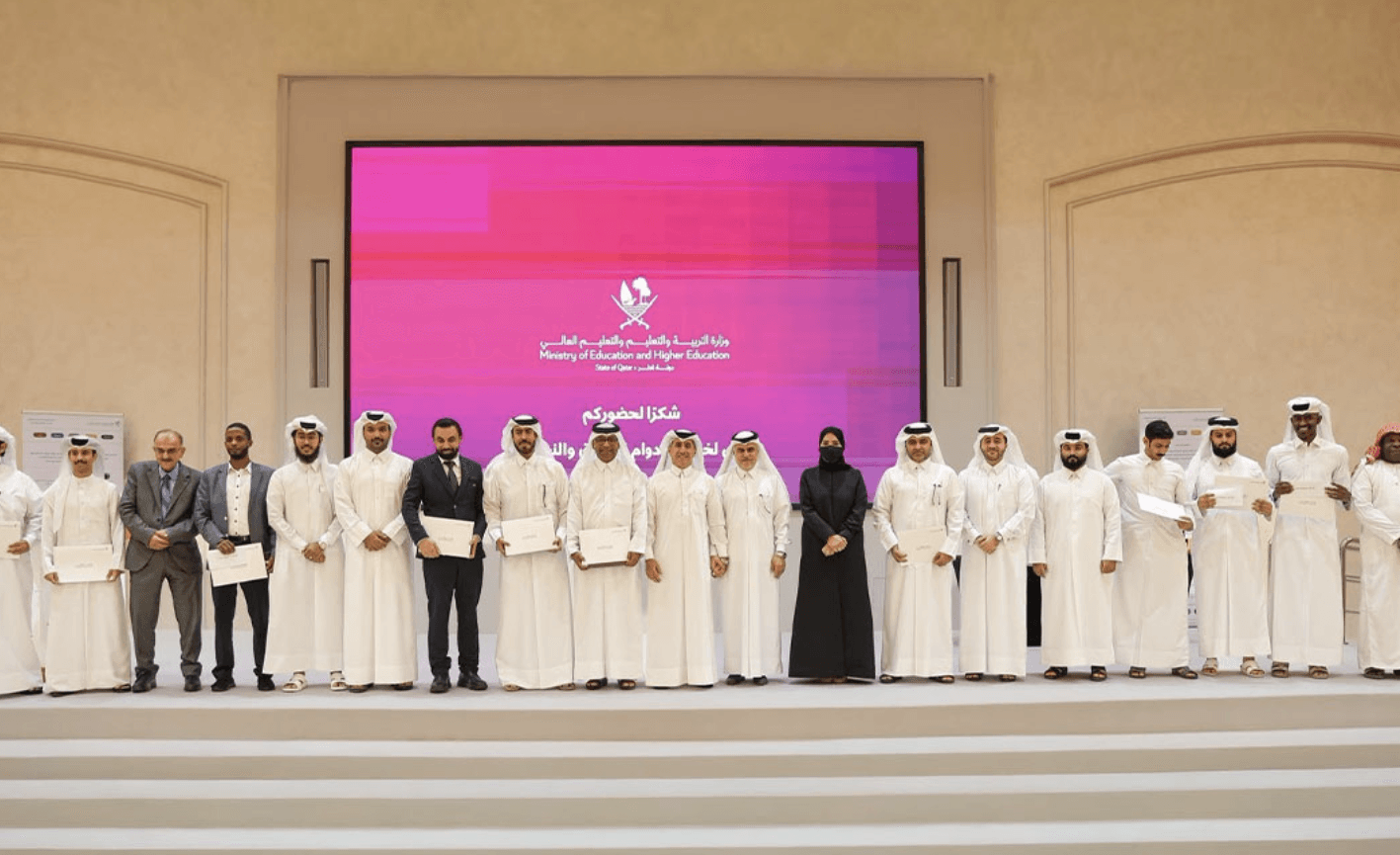
World Teachers’ Day 2026 highlights changing role of teachers in Qatar and worldwide

The world celebrates World Teachers' Day on October 5 every year, which is an international occasion to honor teachers and highlight their pivotal role in building societies and developing education systems, in addition to highlighting the challenges facing the teaching profession and the need to provide professional and financial conditions that enable teachers to perform their mission efficiently.
This year's World Teachers' Day is of special significance as it coincides with the sixtieth anniversary of the adoption of the Joint Recommendation of the International Labour Organization (ILO) and the United Nations Educational, Scientific and Cultural Organization (UNESCO) in 1966 on the status of teachers, which was included in an international document that established standards and references related to the rights and responsibilities of teachers, their professional preparation, employment, working conditions and continuing education.
On 5 October 2026, UNESCO Headquarters in Paris will host the global celebration of World Teachers' Day, with the participation of teachers, ministers, officials, policymakers, international partners and actors in the education sector from around the world.
According to the UN organization, the celebration programs this time include high-level discussions on protecting and enhancing the status of the teaching profession, as well as events that allow teachers and the public to exchange views, as well as the organization of the ceremony of the ninth edition of the UNESCO Prize for Teacher Development.
This year's World Teachers' Day is being organized under the theme "Standing with Teachers: 60 Years of Protecting the Profession, Strengthening its Status and Shaping Our Future", which UNESCO places at the forefront of its celebrations, with a focus on reviewing the current challenges affecting the status of the teaching profession, and exploring ways to protect and strengthen the profession and support teachers.
In this context, the occasion comes at a time when the teaching profession is witnessing rapid transformations, due to technological developments, artificial intelligence, climate change, integration issues, migration and displacement, as well as challenges related to working conditions, wages, teaching burdens, professional autonomy and the participation of teachers in the formulation of educational policies.
According to UNESCO, the challenges facing teachers today are not limited to one aspect of the profession, but extend to the symbolic, professional and material status of the teacher, at the symbolic level, there is a need to strengthen societal recognition of the value of the profession and its role in shaping generations, while at the professional level, the challenges are related to the degree of independence enjoyed by the teacher, the level of support he receives, and the extent of his participation in the educational policy-making process Teaching as factors that affect teachers' ability to perform their roles fully.
According to UNESCO, digital technology is a new challenge affecting the education profession, along with climate change, inclusion, migration and displacement, and these developments not only raise questions about the use of technology in the classroom, but also reconsider a range of traditional teacher roles, including designing instructional content, assessing students, developing critical thinking skills, and dealing with digital information.
In this context, it highlights the need for teachers to receive continuous training that enables them to deal with digital tools and artificial intelligence responsibly and effectively, while maintaining the human and educational role of the teacher in the educational process. The teacher is one of the essential components of the quality of education, as the quality of curricula and educational programs is not only related to the subjects, but also to the teacher's ability to transform them into educational experiences that suit the needs and different levels of students.
Regarding the message carried by the slogan of this year's International Teachers' Day, Mrs. Iman Salman Al-Mohannadi, Director of the Training and Development Center at the Ministry of Education and Higher Education, said in special statements to Qatar News Agency (QNA), that it is an important message that supporting teachers is not only a slogan, but an ongoing practice that is reflected in policies, programs and the professional environment.
She pointed out that the Ministry of Education and Higher Education in the State of Qatar translates this trend by investing in the teacher as a key axis in the quality of education, through an integrated system that starts from qualification and preparation for the profession, through continuous professional development, to career paths, professional licensing, opportunities for excellence and career growth, an example of which is the "Good Start" program, which provides new teachers with training, guidance and field follow-up during their first year, with the aim of supporting their transition to professional practice and their stability in the The field.
She added that the "Khebrat Program" represents another model for qualitative investment in the Qatari teacher, by providing opportunities for professional living and learning about various educational experiences in developed countries in educational systems, and then transferring the impact of these experiences to the field through applied projects, noting that support for the teacher is not limited to performing his role today, but also to be a partner in shaping the education of the future.
The Director of the Training and Development Center at the Ministry of Education and Higher Education explained that professional development in the Ministry has become more linked to the actual needs of the teacher and the changes witnessed in education, so that the Training and Development Center works within integrated tracks that include rehabilitation, empowerment, and personalization programs, so that the training is not unified for everyone, but responds to the different experiences, specializations and professional roles.
She pointed out that the Ministry is now focusing more on digital skills and artificial intelligence, data analysis, active learning, and designing more personalized learning experiences for students, a trend that is in line with the Ministry's initiatives in the field of artificial intelligence, as the Ministry participated in the launch of the National Platform for Personalized Learning, which is a national initiative launched by the Ministry of Communications and Information Technology in cooperation with the Ministry of Education and Higher Education and Scale AI in December 2025 during the World Summit on Artificial Intelligence - Qatar. To support the teacher and student with AI, while emphasizing responsible use and privacy protection.
She pointed out that artificial intelligence is already present in teacher training programs, including but not limited to the "Tahine" program, which includes workshops in artificial intelligence applications, in addition to educational and specialized competencies and field training, and specialized programs in digitization, cybersecurity, and artificial intelligence, as we do not treat technology as a substitute for the teacher, but rather as a tool that enables the teacher to be more effective, and more able to understand the needs of his students and make educational decisions based on data.
Mrs. Iman Salman Al-Muhannadi, Director of the Training and Development Center at the Ministry of Education and Higher Education, added that the professional license comes as one of the components of this system, as it is based on national professional standards that aim to support the quality of professional practices and develop the performance of teachers and school leaders. It is built by one factor, but through an integrated system in which the teacher feels valued, gets opportunities for growth, finds professional support, and clearly sees the impact of his work on students' learning and future.
She said that the fundamental issue today, 60 years after the International Recommendation on the Status of Teachers, is "How do we want to be a teacher in the coming years? The teacher of the future is no longer the only one who possesses knowledge because knowledge has become widely available, but also the teacher who can employ knowledge, design impactful learning experiences, use technology and artificial intelligence consciously and responsibly, read data, respond to individual differences, and build positive human relationships with students.
She concluded her statements to "QNA" that there is a set of skills that will be pivotal for the future teacher, most notably: digital adequacy, artificial intelligence, responsible use of technologies, critical thinking, problem-solving and innovation, data analysis and evidence-based educational decision-making, continuous learning and self-development, the ability to design personalized learning that takes into account the different needs of students, human skills, communication and relationship building, flexibility and the ability to adapt to change, and most importantly: Adhering to the values of the profession and its humanitarian and national mission, these skills are included in all the training and development center's programs to prepare teachers now and in the future, so our vision for the future teacher in Qatar is that of a teacher who combines man and technology: a teacher who is professionally empowered, digitally aware, able to innovate, and above all is able to make a difference in the student's life.
For his part, Mr. Rashid Al-Awda Al-Fadhli, Educational Consultant, said in similar statements to the Qatar News Agency (QNA), that the significance of this year's celebration is historic and deeply symbolic, as we celebrate the 60th anniversary of the adoption of an anniversary in which we renew our pledge to appreciate the message of science and the role of the teacher according to the standards of the rights and responsibilities of the teacher and the nature of his constructive work, and this is a global recognition that education reform begins with a teacher who is professionally and financially stable.
Al-Fadhli added that the challenges still exist after six decades, and have deepened, as the status of the teacher is no longer only a salary issue, but has become an issue of societal respect, psychological pressure, administrative burden, and continuous professional development, as today the teacher is required to be an educator, a technical expert, and a psychologist at the same time, and in light of rapid social changes, so his status has always been an issue on the table, because investing in the teacher means investing in building human beings and achieving major achievements, as it is an investment that guarantees profits over the years Ages.
He believed that artificial intelligence will not replace the teacher, but will reveal the real teacher from the teacher who transmits the information, and that technical media and applications can provide information, correct a test, or summarize a lesson, but they cannot build value, instill an example, force a student's mind, or motivate a struggling student.
He pointed out that the redefinition of the role of the teacher is in three transformations: from a lecturer to an instructional designer, as the teacher is no longer the only source of information, but he is the one who designs the learning journey and uses artificial intelligence to allocate it to each student, and from an explainer to an emotional mentor whose mission is focused on the skills that are missing from the deaf machine, critical thinking, values, ethics, teamwork, and skill intelligence, as artificial intelligence is an assistant and not as a substitute, and the teacher uses artificial intelligence to save his time from the burden of the job to devote himself to the essence of his mission in building human beings, and equalizing What we believe in in Qatar is that empowered teachers, combined with assistive technology, lead to world-class quality education.
According to many studies, the world needs 44 million additional teachers by 2030, as the profession is no longer attractive to young people due to the lack of incentives and increasing pressures, and one of the challenges is that it represents a job burnout crisis, according to the reports of the Economic Cooperation Organization, 40% of teachers globally are thinking of leaving the profession within 5 years due to the administrative burden, parental pressure, and student behaviors, and one of the challenges facing teachers Globally: The qualification gap, as the curricula in some countries change every 3 years, while teacher training changes every 10 years.
Al-Fadhli outlined the decisive policies to make the profession more attractive in improving the professional and financial path of the teacher and linking it to performance and not only seniority, reducing the administrative burden of non-teaching on the teacher, and providing continuous psychological and professional support programs within the school, rather than seasonal courses.
Al-Fadhli added that the future teacher needs four major competencies, the first of which is digital pedagogical competence, which is not limited to the use of the smart board, but also includes understanding how to use data and artificial intelligence to diagnose the level of each student.
The second competency is emotional and leadership competence, which means the ability to build relationships, manage cultural diversity within the classroom, and enhance students' resilience skills.
The third competency is the efficiency of continuous learning, as the teacher who stops continuous learning and development cannot keep pace with the requirements of children's education, while the future teacher should be a researcher and experimenter, reviewing and developing his practices continuously. The efficiency of linking to the labor market comes fourth, so that the teacher links mathematics to the digital economy, science to sustainability, language to entrepreneurship, and Sharia to Sharia transactions. He said, "We do not prepare students for exams, but we prepare them for positive interaction and achieving ambitions, and this is the essence of the national vision."
At the end of his remarks to QNA, Mr. Rashid Al-Awda Al-Fadhli, Educational Advisor, praised the experience of the State of Qatar with regard to the innovation of the "Teacher License" and the educational excellence programs as an advanced model in this direction, as the future is not only for those who are good at technology, but also for those who are good at dealing with generations with a modern vision and moral constants that stem from our religion.
While the educational process is entering new and different phases globally characterized by accelerated technological development and changing the needs of learners, standing by teachers is of particular importance in the international debate on the future of education, as protecting the status of teachers and enhancing their professional abilities is an essential part of the debate on the future of the education system and its outcomes in its various stages.
About Qatar Living:
Since 2005, Qatar Living has been the trusted destination for everything Qatar. As the country's largest online community and marketplace, Qatar Living connects people with opportunities through jobs, property, vehicles, services, classifieds, events, local insights, and breaking news. Trusted by residents, newcomers, visitors, and businesses alike, Qatar Living brings Qatar together in one place.
Instagram - @qatarliving
X - @qatarliving
Facebook - Qatar Living
YouTube - qatarlivingofficial
Up Next
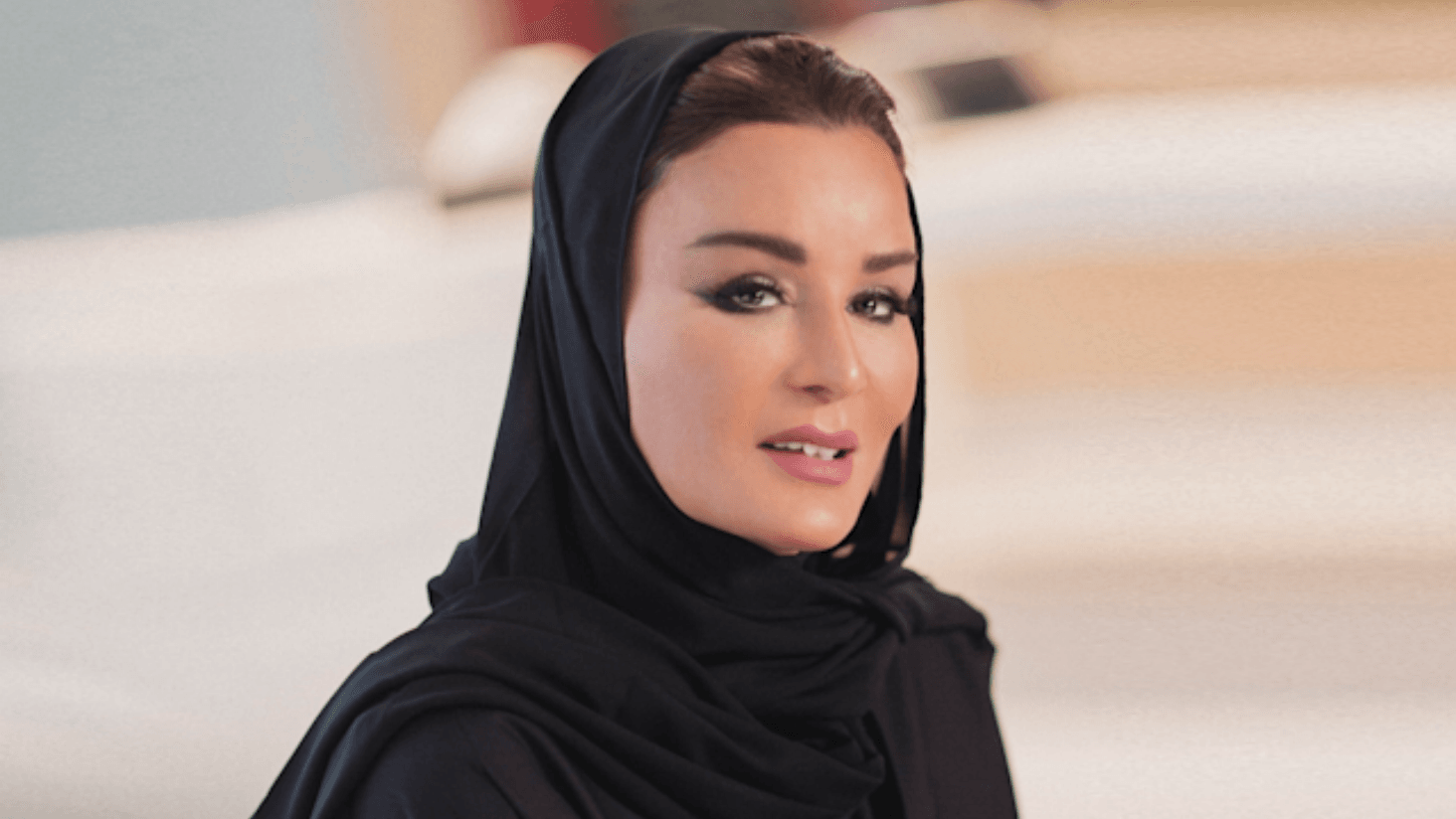
University of Johannesburg awards Sheikha Moza honorary doctorate
University of Johannesburg awards Sheikha Moza an honorary doctorate for her contributions to education, human rights, and social development.
Oct 1,2026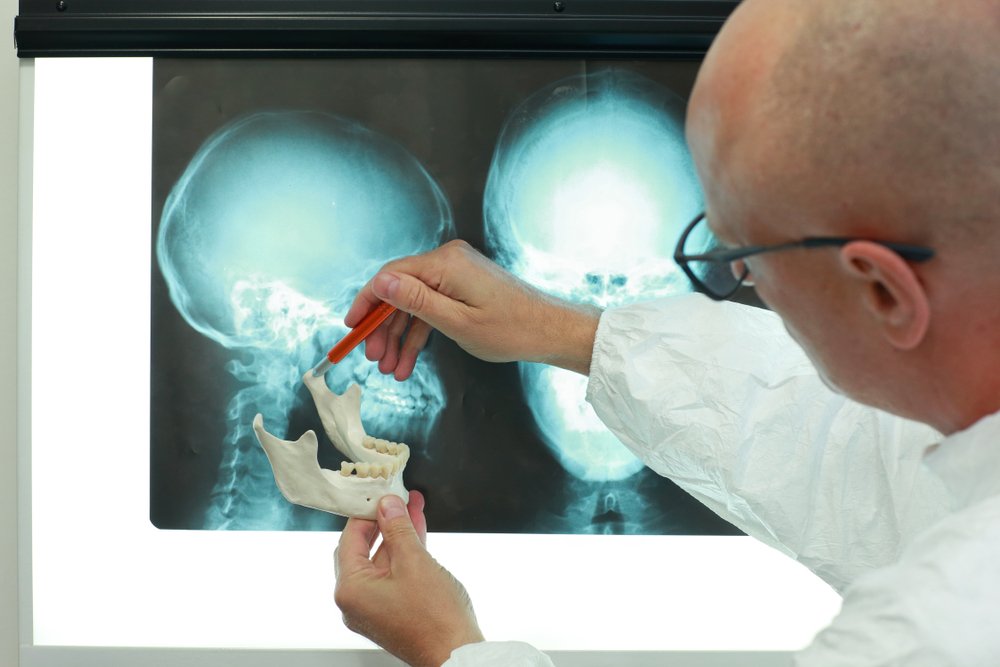
HMC performs Qatar’s first jaw reconstruction using virtual planning and 3D printing
HMC achieves Qatar’s first jaw reconstruction with virtual planning and 3D printing, advancing precision in complex surgical care and recovery.
Sep 30,2026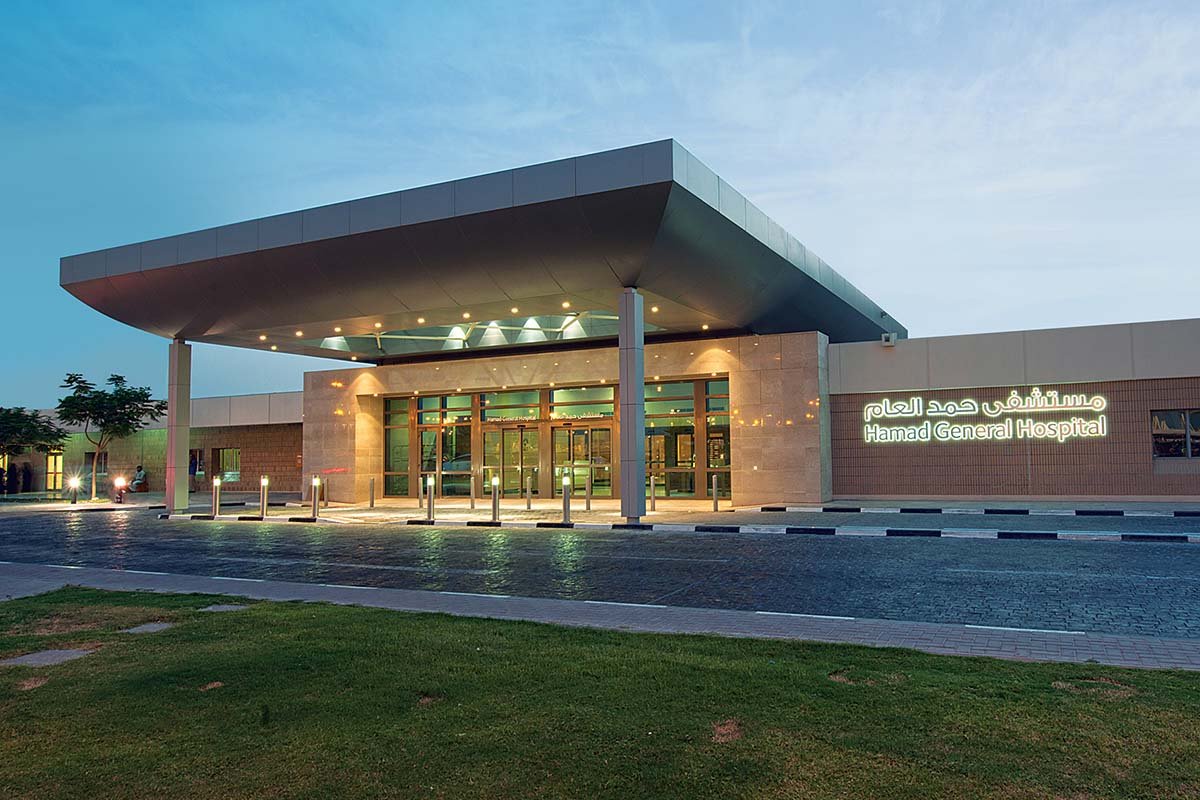
Ashghal begins QR 1.179 billion redevelopment of Hamad General Hospital
Ashghal launches a QR 1.179 billion redevelopment of Hamad General Hospital, upgrading facilities and infrastructure by 2027 in Qatar.
Sep 29,2026
Sidra Medicine launches home visits for children’s routine check-ups and vaccinations
Sidra Medicine launches home visits for children’s check-ups and vaccinations, offering flexible pediatric care and scheduled immunizations at home.
Sep 28,2026