Noticing More Mosquitoes in Qatar? Here's Why and What You Can Do
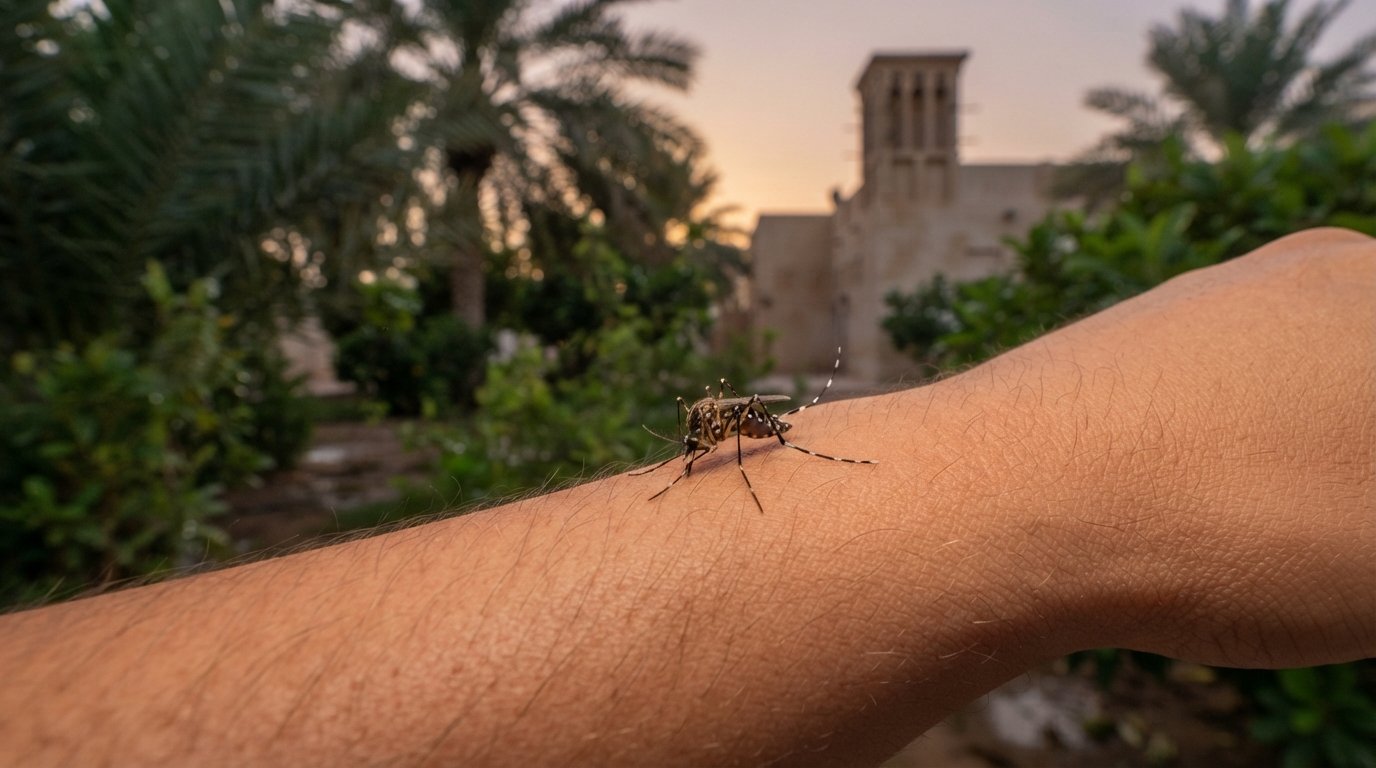
Mosquitoes in Qatar are becoming a growing concern for residents, particularly as cooler weather and rainfall create conditions that allow them to breed. From balconies and gardens to residential compounds and outdoor spaces, mosquitoes can turn up in places where people might not have noticed them before.
If you've recently found yourself swatting mosquitoes indoors or avoiding certain outdoor areas, you're not alone in raising the issue.
But why are mosquitoes becoming more noticeable in Qatar, where many residents previously rarely encountered them? And more importantly, what can you do to protect your home and family?
Here's what you should know.
Why are there more mosquitoes in Qatar?
Mosquitoes are not entirely new to Qatar. However, the country's weather conditions, rainfall and urban environment can influence where and when mosquitoes breed.
The Ministry of Public Health has previously identified heavy rainfall, climate change, global warming and international trade as factors associated with increased mosquito breeding and the introduction of certain mosquito species.
Rainfall is particularly relevant because mosquitoes rely on water to complete their early life cycle. When rainwater collects in plant pots, buckets, drainage areas or outdoor containers, these locations can become suitable breeding grounds.
Is the mosquito problem in Qatar really growing?
According to figures published in October 2026, Qatar's Ministry of Municipality had registered 96,537 requests for insect and rodent control, of which 61,914 were primarily related to mosquitoes.
Al Rayyan accounted for 17,201 mosquito-control requests, followed by Doha with 14,794 and Al Daayen with 10,682. These figures demonstrate considerable demand for mosquito-control services, although service-request numbers alone cannot confirm an increase in the mosquito population compared with previous years. The Ministry has also continued field operations and spraying campaigns aimed at reducing mosquito activity.
7 everyday places around your home where mosquitoes could breed
One of the most effective ways to reduce mosquitoes is to prevent them from breeding in the first place.
Here are seven commonly overlooked places worth checking.
1. Plant pots and saucers
Love keeping plants on your balcony?
The saucers underneath them can collect water after watering or rainfall.
If that water remains undisturbed, it could become a mosquito breeding site.
What to do: Empty and scrub plant trays regularly, ideally as part of a weekly check.
2. Leaking air conditioners and water pipes
That dripping AC pipe might seem like a minor maintenance problem, but accumulated water around buildings can create favourable conditions for mosquito breeding.
What to do: Repair leaking pipes, air-conditioning drainage problems and faulty taps. Ensure water drains away rather than forming puddles.
3. Buckets, unused containers and outdoor toys
An empty bucket left on a balcony or in a garden might not seem like a problem.
But after a rainy day, it may no longer be empty.
Water can also accumulate inside unused containers and children's outdoor toys.
What to do: Empty containers after rainfall. Keep unused buckets covered or turned upside down.
4. Pet water bowls and birdbaths
Outdoor water bowls and birdbaths need regular attention.
Water that is left standing can provide mosquitoes with a place to lay eggs.
What to do: Refresh your pets' drinking water daily and wash containers regularly. Clean and refill birdbaths frequently.
5. Old tyres and outdoor clutter
Discarded tyres, plastic containers and other unused items can trap rainwater for extended periods.
These hidden pockets of water may go unnoticed during routine cleaning.
What to do: Dispose of unnecessary outdoor items and ensure that anything kept outside cannot collect standing water.
6. Rooftops, gutters and blocked drains
Mosquito breeding sites aren't always at ground level.
Water can collect on rooftops, terraces and in blocked gutters or drainage systems.
In apartment buildings, these areas may be difficult for residents to inspect themselves.
What to do: Contact building management or maintenance staff if you notice persistent water accumulation or drainage problems. Leave unsafe or hard-to-reach areas to professionals.
7. Fountains, swimming pools and water storage tanks
Decorative fountains and poorly maintained swimming pools can become breeding sites when water is left stagnant.
Uncovered water-storage containers can also allow mosquitoes to lay eggs.
What to do: Maintain pools and fountains properly, ensure regular water circulation and treatment, and keep water-storage tanks securely covered.
Does spraying alone get rid of mosquitoes?
Mosquito-control sprays can help reduce adult mosquito populations, but they do not automatically eliminate the eggs and larvae developing in standing water.
This is why removing breeding sites remains important even when professional spraying is carried out.
For Qatar residents, a simple weekly inspection of balconies, gardens and outdoor spaces can help prevent overlooked containers from becoming mosquito breeding sites.
Are mosquitoes in Qatar a health concern?
Most mosquito bites result in temporary itching, redness or irritation. However, some mosquito species can transmit infections, including dengue fever.
Research published in 2026 confirmed the presence of Aedes aegypti, a mosquito species capable of transmitting dengue, in mosquito samples collected from selected locations in Qatar during 2022–2024.
The researchers also detected dengue virus genetic material in some mosquito samples. Importantly, the study did not establish active local transmission of dengue to humans or confirm a dengue outbreak.
Not every mosquito carries an infection, and a mosquito bite does not automatically mean someone has contracted a disease. Nevertheless, taking preventive measures remains important.
Symptoms worth paying attention to
According to Qatar's Ministry of Public Health, dengue symptoms can include:
- High fever
- Headaches
- Pain behind the eyes
- Body and joint aches
- Nausea
- Skin rash
Symptoms may develop several days after a bite from an infected mosquito. Anyone experiencing symptoms consistent with dengue should seek medical advice. Severe abdominal pain, persistent vomiting or unusual bleeding require urgent medical assessment.
How to protect yourself from mosquito bites
In addition to removing breeding sites, residents can take everyday precautions.
Use mosquito repellent: Choose a suitable, proven insect repellent and follow its instructions, particularly when using it on children.
Install window screens: Check doors and windows for damaged or missing insect screens.
Wear protective clothing: Long sleeves and trousers can help reduce exposed skin, especially in areas where mosquitoes are active.
Protect yourself during the day too: Some mosquito species, including Aedes aegypti, commonly bite during daylight hours.
Keep your surroundings maintained: Work with building management to address persistent leaks, drainage issues and standing water.
How to report a mosquito problem in Qatar
Residents experiencing persistent mosquito problems can request assistance from the Ministry of Municipality.
There are three main ways to submit a request:
1. Oun mobile application
Access the Ministry of Municipality's services and submit an insect- and rodent-control request.
2. Call 184
Contact the Ministry of Municipality's Unified Contact Centre to request assistance or report an issue.
3. Hukoomi online services
Visit the government services portal and search for the insect- and rodent-control service.
According to Hukoomi, the service is free for eligible citizens' and residents' homes. Fees apply to certain other types of premises, and eligibility conditions should be checked before applying.
The Ministry of Municipality has also been conducting mosquito-control operations and public awareness campaigns in different parts of the country.
A few minutes of prevention can make a difference
Mosquitoes may be small, but preventing them from breeding requires attention to the little things around our homes.
A forgotten plant saucer, a leaking AC pipe or a bucket left outdoors after rainfall could provide the conditions mosquitoes need to multiply.
Regular inspections, proper drainage, personal protection and timely reporting can all help reduce mosquito activity.
Have you noticed more mosquitoes in your neighbourhood recently? Share your experience with Qatar Living and let us know which areas you've noticed them in.
About Qatar Living:
Since 2005, Qatar Living has been the trusted destination for everything Qatar. As the country's largest online community and marketplace, Qatar Living connects people with opportunities through jobs, property, vehicles, services, classifieds, events, local insights, and breaking news. Trusted by residents, newcomers, visitors, and businesses alike, Qatar Living brings Qatar together in one place.
Instagram - @qatarliving
X - @qatarliving
Facebook - Qatar Living
YouTube - qatarlivingofficial
Up Next

Moving House in Qatar: Movers vs DIY & Costs
Moving house in Qatar? Compare hiring movers vs DIY, see real QAR cost breakdowns, Kahramaa transfer steps and a full moving checklist.
Nov 22,2026
Doha Metro Rules and Etiquette you're probably forgetting
Discover essential Doha Metro rules and etiquette tips, including food, drinks, family carriage access, and filming guidelines for a smooth journey.
Nov 16,2026
Where to Buy Second-Hand Winter Sports Gear in Doha
Discover where to buy quality second-hand winter sports gear in Doha, including camping and hiking equipment, with tips for safe purchases.
Nov 16,2026
Used Camping & Desert Gear in Qatar: Winter Guide
Find used camping gear in Qatar and review 2026–27 winter camping permit conditions, fees, safety rules and inspection tips.
Nov 16,2026