Food security has always remained one of Qatar’s top priorities.
Following the initial days of the blockade, the country worked tirelessly to make sure the food-related needs of its citizens and residents were met adequately.
With all its dedication, Qatar was able to accomplish 106 percent self-sufficiency in dairy and 124 percent self-sufficiency in poultry.
Qatar has maintained its position of first in the Arab world in the Economist’s Food Security Index for 2019, the GCO had underlined.
In another reassuring step, Qatar has signed agreements with 14 major companies, specializing in the food sector in the country.
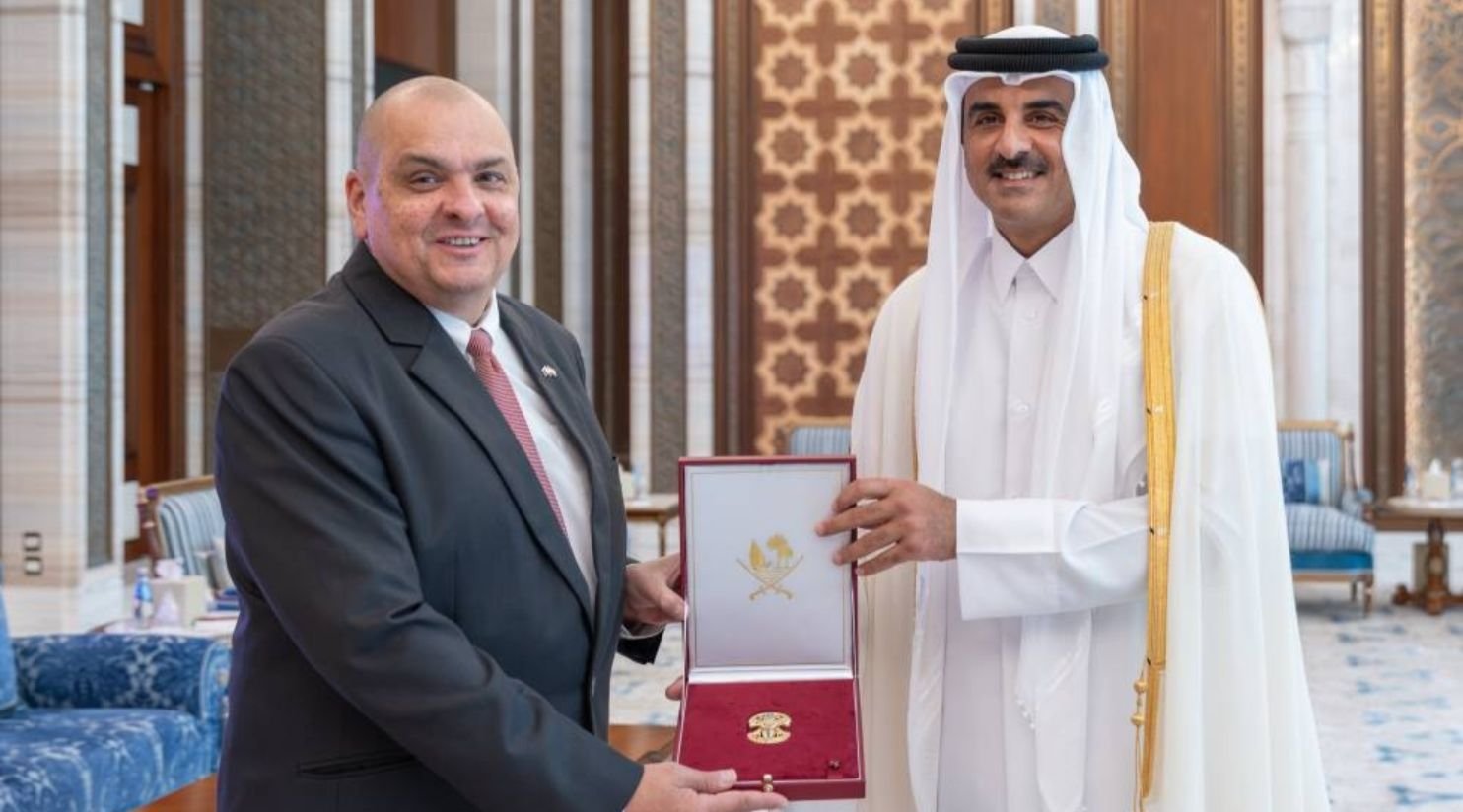
The signing ceremony, which took place yesterday, was held in the presence of His Excellency the Minister of Commerce and Industry Ali bin Ahmed Al Kuwari and HE the Minister of Municipality and Environment Abdullah bin Abdulaziz bin Turki Al Subaie. HE Al Subaie is also the Chairman of the follow-up committee for the implementation of food security policies in the government and private sectors.
These different contracts come under Qatar’s efforts to increase the strategic stock of food and consumer goods. They are aligned with the country’s food security plans as well as with the Ministry of Commerce and Industry’s endeavors to shore up public-private sector partnerships
سعادة وزير التجارة والصناعة وسعادة وزير البلدية والبيئة يشهدان مراسم توقيع عقود رفع المخزون الاستراتيجي للدولة من السلع الغذائية. pic.twitter.com/AKvRkXw5Zm
— وزارة التجارة والصناعة (@MOCIQatar) March 26, 2020
The first stage of the contracts will see efforts being made to raise the stocks of strategic items such as wheat, rice, cooking oils, sugar, frozen red meat, long-life milk, and powdered milk.
In addition to other efforts, Qatar also initiated an electronic management system to keep track of strategic stocks. This system aims to further encourage partnerships between the government and private sectors.
The electronic system will allow the authorities to monitor and follow up on the country’s strategic food and consumer goods’ stock, determine import rates and establish import sources, identify the most important companies specialized in the field, and monitor the movement of internal trade and national production in the country.
The electronic system will aid in reviewing details of different commodities, including their types, quantities, methods, and quality of storage. Other details such as available space in the warehouse, the locations of the items, suppliers and distribution points will also be showcased in the electronic system.
The system will also allow relevant officials to monitor and manage all elements of the supply chain from import, storage, recycling, distribution, and national production.
This is also important to note in light of the novel coronavirus (COVID-19) situation, where some were concerned about a shortage of items. Earlier, officials from various hypermarkets and other authorities had also asked people not to panic, confirming that they are well-stocked with food and other supplies to meet the public’s demand as needed.
Meanwhile, health authorities in the country continue to implement the highest level of monitoring, detection, and management procedures to deal with the virus, the public has been advised to follow certain measures to safeguard their health.
For any queries, or concerns related to COVID-19 in Qatar, the public can contact a 24/7 hotline set up by the Ministry. The hotline number is 16000 and is toll-free.
Here's everything you need to know about the virus, including ways to protect yourself.
---
Make sure to check out our social media to keep track of the latest content.
Instagram - @qatarliving
Twitter - @qatarliving
Facebook - Qatar Living