Public vs Private Healthcare in Qatar: Full Guide

Wondering whether to use Qatar’s public healthcare system or choose private treatment for your family? Residents with an active public healthcare registration can present their Qatar ID to receive subsidised treatment through government facilities. Private clinics and hospitals may offer quicker appointments, greater choice and more flexible hours, but usually at a higher cost.
This guide to public and private healthcare in Qatar explains the costs in QAR, how public healthcare registration works and how to choose the most suitable option for you and your family.
The two-system breakdown
Qatar has a public and private healthcare system. The government network includes Hamad Medical Corporation hospitals and Primary Health Care Corporation health centres, which provide primary, emergency, specialist and hospital care.
The private sector includes hospitals, clinics and medical centres across Doha and other parts of Qatar.
Public healthcare through HMC and PHCC: Subsidised for eligible residents with active registration; particularly important for emergencies, primary care, vaccinations, chronic-condition management and specialist referrals. Waiting times may be longer for some non-urgent services.
Private clinics and hospitals: May offer quicker appointments, a wider choice of doctor, multilingual services and evening or weekend availability. Patients either pay directly or use an accepted private insurance policy.
How Qatar’s public healthcare system works
HMC hospitals and PHCC health centres
Public healthcare in Qatar is delivered mainly through two organisations.
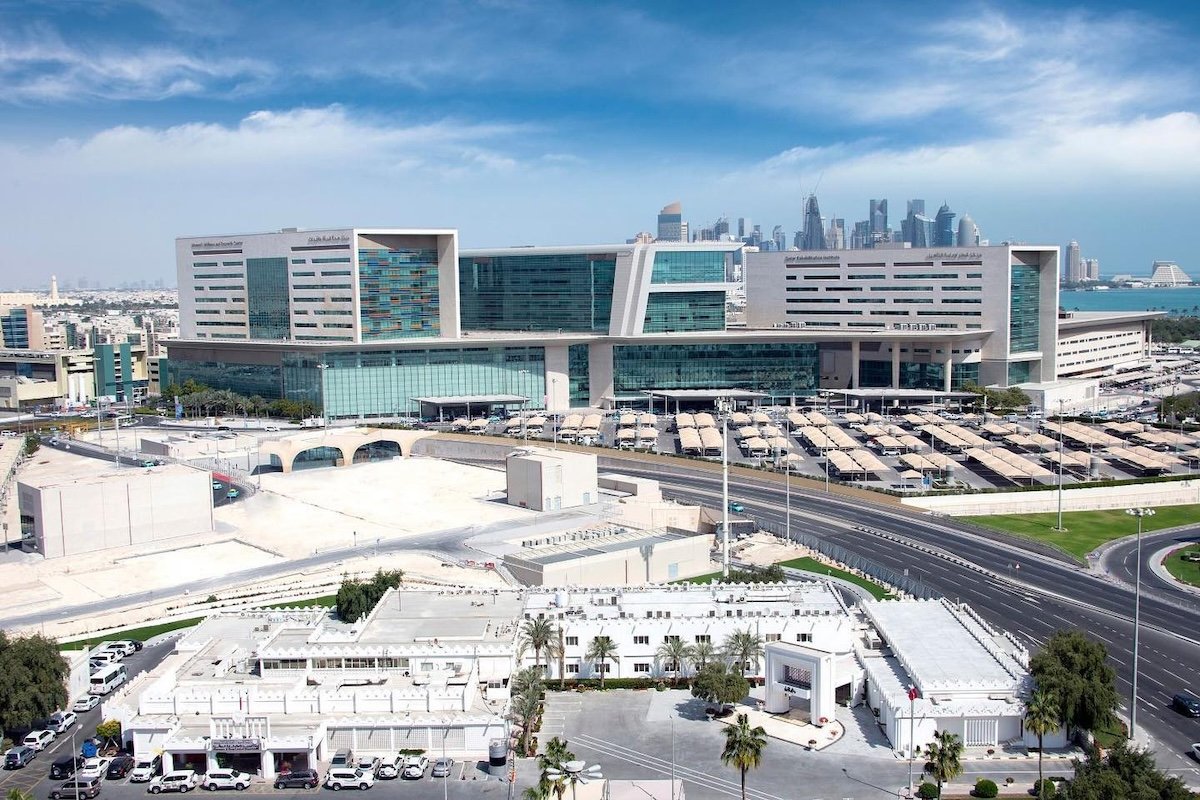
Hamad Medical Corporation operates the country’s main public hospitals, including Hamad General Hospital, Heart Hospital, Women’s Wellness and Research Center, Al Wakra Hospital and Al Khor Hospital. Its services include emergency care, surgery, inpatient treatment and specialist medicine.
Primary Health Care Corporation operates community health centres across Qatar. These provide family-medicine consultations, routine health checks, child vaccinations, antenatal care, chronic-disease management, prescriptions and other primary-care services.
PHCC is generally the first point of contact for non-emergency healthcare. A family physician can refer you to HMC or another specialist service when necessary.
Your assigned PHCC health centre is determined primarily by your registered residential address and PHCC’s patient-registration policy. It may not always be the geographically closest centre.
Your QID and public healthcare registration
Residents no longer receive a separately printed health card.
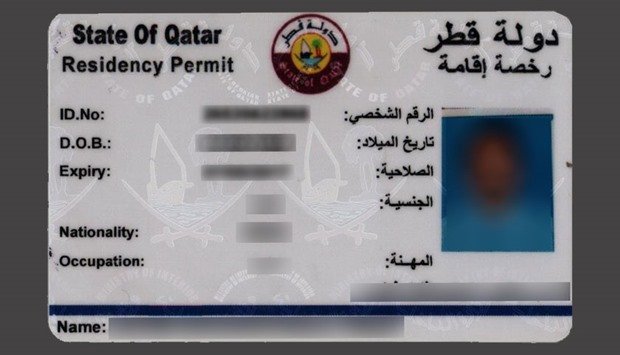
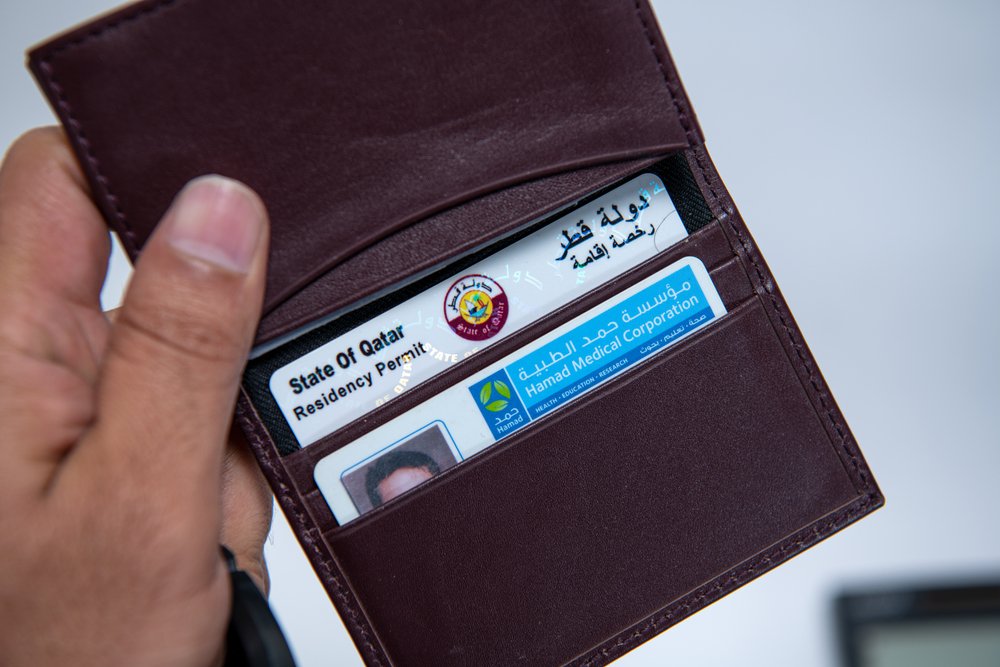
Since 17 April 2026, residents present their valid QID when visiting HMC, PHCC and other government health facilities. The facility verifies the resident’s health number and registration electronically.
Although the physical card has been discontinued for residents, the existing registration and annual renewal fees remain in place.
The current fees are:
- Qatari citizens: No health-card fee; the QID is used to access services.
- GCC citizens residing in Qatar: QAR 50.
- Residents of other nationalities: QAR 100.
- Eligible domestic workers under personal sponsorship: QAR 50.
Residents can request a new registration through PHCC’s Nar’aakom app or at their assigned PHCC health centre. The health centre is allocated according to the registered residential address.
Renewal services are available online through Hukoomi and through PHCC or HMC facilities. In-person payments at PHCC are made by credit or debit card rather than cash.
Keep your registration active, even though you no longer carry a separate printed card. An active registration is what allows you to receive the applicable public healthcare subsidy.
What public healthcare costs
With active public healthcare registration
Public healthcare is subsidised rather than universally free for residents.
With active registration:
- PHCC consultations and non-emergency services may be free in some circumstances or charged at a subsidised rate.
- Treatment, diagnostic tests and hospital services may carry subsidised charges depending on the service and the patient’s category.
- Prescriptions dispensed through government pharmacies are generally subsidised.
- Vaccinations included in Qatar’s National Vaccination Programme are provided without a service fee.
- Optional vaccinations, travel vaccines and services outside the national schedule may have different conditions or charges.
The exact amount depends on the service received and the official HMC or PHCC fee schedule.
Without active public healthcare registration
If your annual registration has expired or has not been completed, you may not receive the subsidised rate available to registered residents.
HMC and PHCC apply official treatment-fee schedules, and the amount depends on the consultation, examination, procedure, medicine or hospital service provided.
Renewing the annual registration for QAR 100 for most expatriate residents is therefore generally more economical than paying unsubsidised charges for repeated public healthcare services.
How private healthcare works in Qatar
Qatar has an extensive private healthcare sector, ranging from smaller medical centres to full-service private hospitals.
Residents may choose private care for:
- Quicker access to certain doctors or specialists.
- Greater choice of doctor or facility.
- Evening and weekend appointments.
- Direct access to some specialists without a public-system referral.
- Facilities covered by an employer or personal insurance network.
Private-sector prices are not standardised across all facilities. They vary according to the hospital, doctor, speciality and type of treatment.
At the time of checking, Al-Ahli Hospital lists a standard doctor’s consultation at QAR 400. Other clinics and hospitals may charge less or more, while tests, scans, dental care and procedures are charged separately.
Always confirm the consultation fee before booking and ask whether registration, laboratory, imaging or follow-up charges are additional.
Many residents use employer-provided or personally purchased private health insurance. If you have insurance, check:
- Whether the doctor and facility are within the approved network.
- Whether direct billing is available.
- How much the co-payment or deductible is.
- Whether prior approval is needed.
- Whether the service is excluded or subject to an annual limit.
Visitors and health insurance
Mandatory visitor insurance
Visitor health insurance is not required in exactly the same way for every person entering Qatar.
It is mandatory for:
- Visitors who must obtain an entry visa before arriving in Qatar.
- Visitors extending a visa-on-arrival stay beyond the first 30 days.
- Other visit categories for which insurance is required during the visa or extension process.
Visitors eligible for a visa on arrival are exempt during their first 30 days. However, the Ministry of Public Health recommends purchasing insurance because uninsured visitors are responsible for treatment costs.
The mandatory visitor policy does not apply to GCC citizens, transit passengers or temporary-entry travellers.
The standard premium is:
- QAR 50 per person per month.
The basic policy covers:
- Emergency medical treatment up to QAR 150,000 during the policy period.
- Emergency ambulance transport and medical evacuation within a separate QAR 35,000 limit.
- COVID-19 treatment and eligible quarantine expenses within a QAR 50,000 limit.
- Repatriation of remains up to QAR 10,000.
The policy covers qualifying emergencies and accidents. It is not comprehensive insurance for routine appointments, planned treatment or every pre-existing medical condition.
Insurance must be purchased from a national insurer registered with the Ministry of Public Health or an approved international insurer. Once the policy has been purchased, the visitor can complete or extend the visa process through the Ministry of Interior website or the Metrash app.
HMC public-hospital visitor fees
Official fee schedules for treatment at HMC and PHCC have applied since October 2023.
Visitors who do not have insurance covering the treatment they receive are responsible for the applicable cost. The amount depends on the consultation, diagnostic service, procedure, medicine, emergency treatment or hospital admission required.
The mandatory visitor policy pays only when the condition and treatment meet the policy’s emergency or accident criteria. Non-emergency consultations, routine treatment and excluded conditions may need to be paid for directly.
Visitors should present their insurance policy when seeking treatment and speak to the facility’s insurance or billing team before proceeding with non-emergency care whenever possible.
Which system is right for you?
There is no single option that suits every situation. Many Qatar residents use both systems.
Emergencies and serious conditions: HMC’s emergency departments, Ambulance Service and specialist hospitals form the main public emergency and advanced-care network.
Routine care, vaccinations and chronic-condition management: PHCC is generally the appropriate first point of contact for registered residents.
Pregnancy and maternity care: PHCC provides antenatal and postnatal services, while hospital deliveries and specialist maternity care are provided through HMC and private hospitals, depending on referral, eligibility and insurance.
Faster appointments and greater choice: Private clinics may be useful when you want a specific doctor, a convenient time or quicker access and are comfortable paying directly or using insurance.
Visitors: Check whether mandatory visitor insurance applies to the visa category and ensure that any policy remains valid for the required period.
Whatever option you use, keep your public healthcare registration active and understand which providers and services are included in your private insurance network.
Sorting out healthcare through an employer? Browse the latest jobs in Qatar on Qatar Living to find roles offering medical benefits, or explore services in Qatar on Qatar Living to find local clinics and healthcare providers.
FAQs
How much does public healthcare registration cost in Qatar?
Qatari citizens use their QID to access public healthcare services without a health-card fee.
The annual fee is generally QAR 50 for GCC residents, QAR 100 for residents of other nationalities and QAR 50 for eligible domestic workers under personal sponsorship.
Residents now present their QID rather than a separately printed health card.
Is public healthcare free in Qatar?
Not entirely.
Public healthcare is subsidised for eligible residents with active registration. Some services may be provided without an additional fee, while consultations, tests, procedures, hospital treatment and medicines may carry subsidised charges.
Qatari citizens have different eligibility and charging arrangements from expatriate residents.
Do I need private insurance if I have public healthcare registration?
Public healthcare registration gives you access to subsidised government facilities. It does not provide private hospital or clinic coverage.
Private insurance may still be useful if you want faster appointments, access to private facilities or a wider choice of doctors. It may also be included in your employment package.
Check the policy network, benefits, exclusions and co-payments before using it.
Do visitors to Qatar need health insurance?
Visitors who require a visa before arrival must generally obtain the mandatory visitor policy. Visa-on-arrival visitors are exempt for their first 30 days but must obtain insurance if they extend their stay beyond that period.
GCC citizens, transit passengers and temporary-entry travellers are not covered by the mandatory visitor-policy requirement.
The standard policy costs QAR 50 per person per month.
What happens if my public healthcare registration expires?
You may no longer receive the subsidised rates available to actively registered residents and may be charged according to the applicable HMC or PHCC fee schedule.
Residents should renew their annual registration even though a separate physical health card is no longer printed.
Where do I go first, HMC or PHCC?
For non-emergency needs such as family-medicine consultations, routine checks, vaccinations, prescriptions and chronic-condition management, start with your assigned PHCC health centre.
HMC provides emergency care, hospital treatment, surgery and specialist services, usually following a referral unless the condition is an emergency.
--
About Qatar Living:
Since 2005, Qatar Living has been the trusted destination for everything Qatar. As the country's largest online community and marketplace, Qatar Living connects people with opportunities through jobs, property, vehicles, services, classifieds, events, local insights, and breaking news. Trusted by residents, newcomers, visitors, and businesses alike, Qatar Living brings Qatar together in one place.
Instagram - @qatarliving
X - @qatarliving
Facebook - Qatar Living
YouTube - qatarlivingofficial
Up Next
How to Use HMC Hospitals in Qatar: Health Cards, Appointments, Costs and Emergencies
How to use Hamad Medical Corporation (HMC) hospitals in Qatar: health card, booking, the ER, costs and what to bring on your first visit.
Aug 2,2026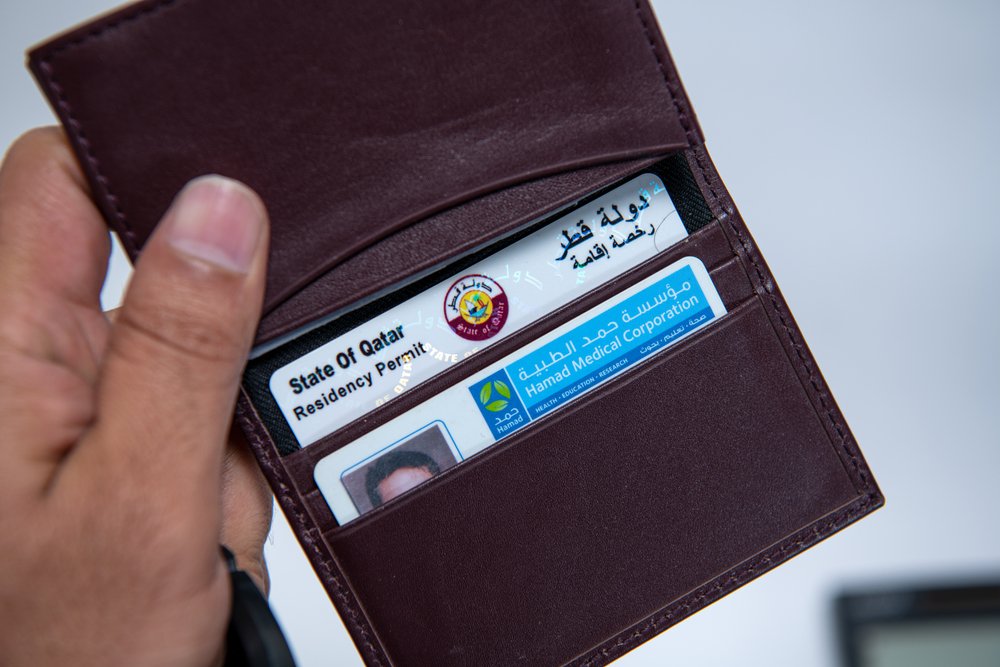
Health Card in Qatar: Apply, Renew & Use It
Your guide to the health card in Qatar: fixed fees, documents, how to apply and renew online via Nar'aakom and Hukoomi, validity and replacement costs.
Aug 2,2026
Qatar Expat Health Insurance 2026: Costs & Rules
Qatar expat health insurance 2026: coverage types, typical costs in QAR and what your employer must pay under the mandatory scheme. A clear expat guide.
Jul 27,2026
Heat Safety and Hydration Tips for Expats in Qatar
Summer hydration and heat safety for expats in Qatar: medical tips to beat Doha's heat, spot heat exhaustion and know when to call 999.
Jul 12,2026